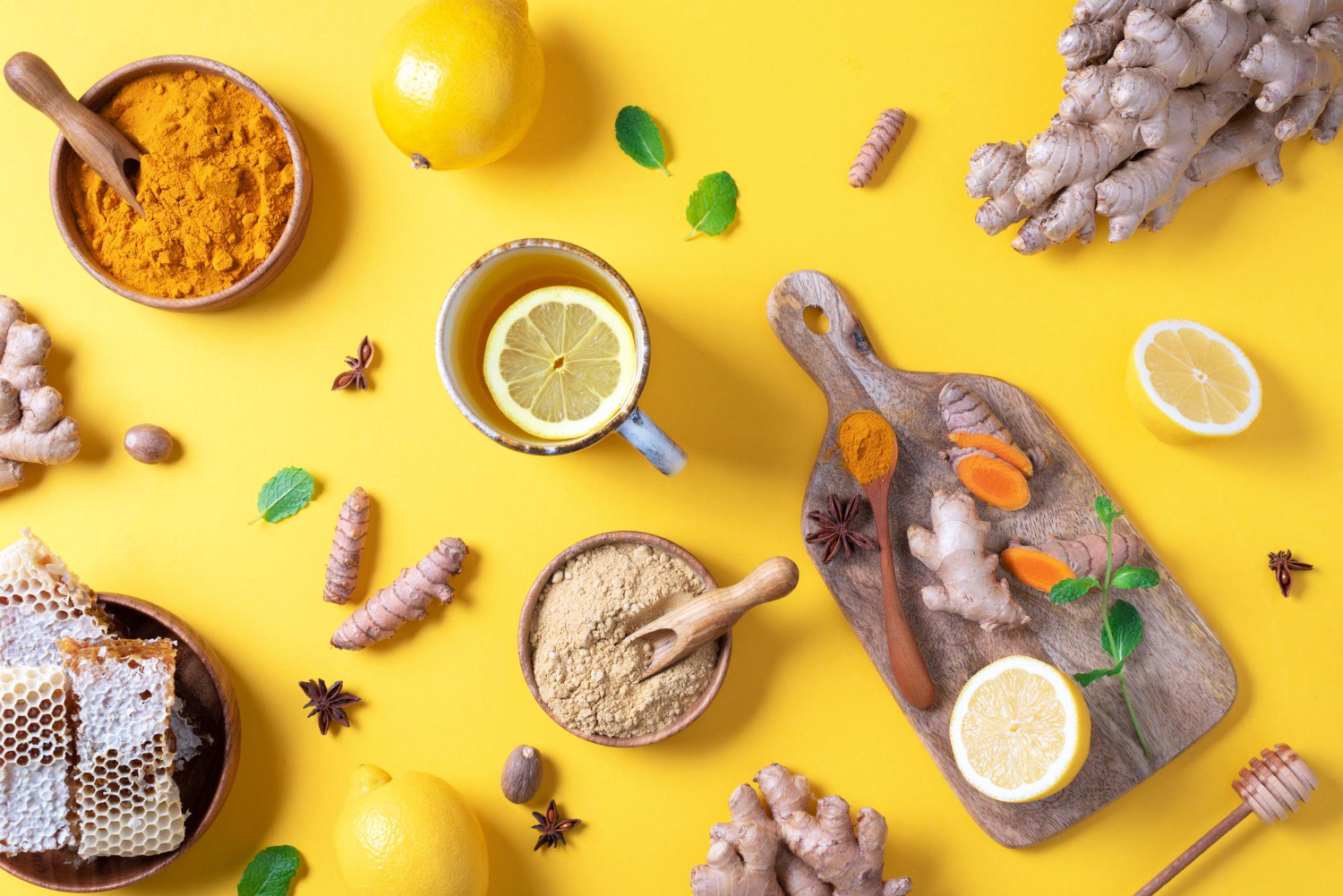
Seasonal allergies can make even the nicest weather feel miserable. One day you’re enjoying the fresh air, and the next you’re sneezing every few minutes, rubbing itchy eyes, or dealing with a blocked nose. Pollen, dust, mold, and changing weather can all trigger these symptoms.
While medicines are often the most effective way to manage moderate to severe allergies, your daily diet may also play a small but helpful role. Some traditional Indian foods contain nutrients and natural compounds that support your immune system and may help reduce inflammation. They won’t cure allergies or replace prescribed treatment, but they can be a healthy addition to your routine.
Let’s look at six Indian foods that may help you feel a little more comfortable during allergy season.
1. Turmeric (Haldi)

Turmeric has been a staple in Indian kitchens for centuries. Besides adding color and flavor to food, it’s also known for its anti-inflammatory properties.
The active compound in turmeric, curcumin, has been studied for its ability to reduce inflammation in the body. Since seasonal allergies trigger an inflammatory response, including turmeric in your meals may help support your body’s natural response to allergens.
You can add turmeric to dals, curries, soups, vegetable dishes, or warm milk. Pairing it with a pinch of black pepper may improve curcumin absorption.
Keep in mind that turmeric works best as part of a balanced diet. Eating a little every day is more practical than taking large amounts occasionally.
2. Ginger (Adrak)
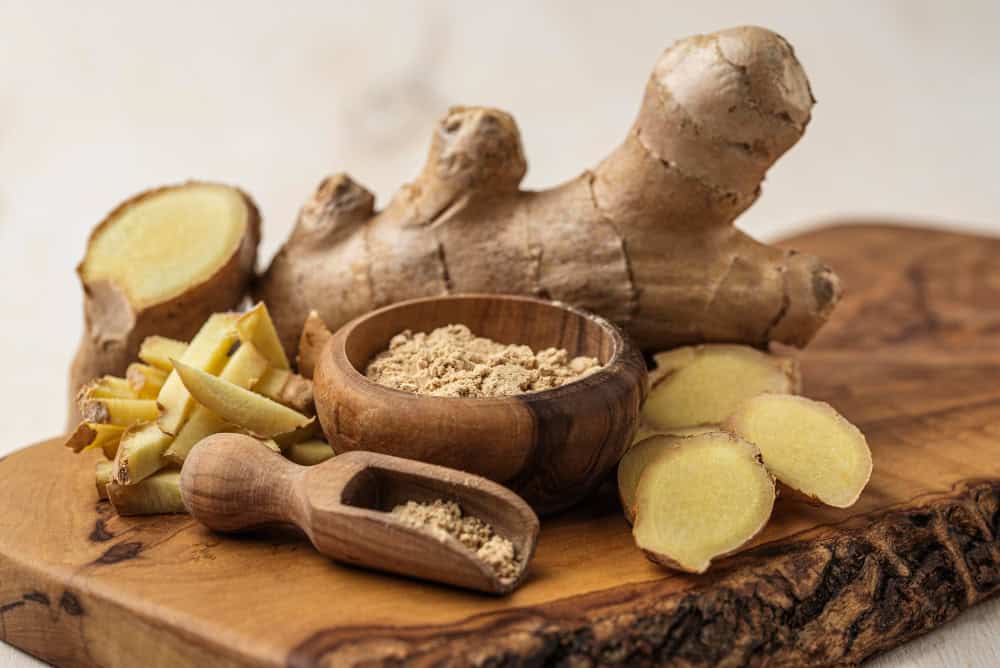
If you’ve ever reached for ginger tea when you had a cold, you already know how soothing it feels.
Ginger contains natural compounds called gingerols and shogaols, which have anti-inflammatory and antioxidant effects. These may help calm irritation in the airways and reduce nasal discomfort linked to seasonal allergies.
Fresh ginger can be added to tea, soups, stir-fries, chutneys, and curries. You can also grate it into warm water with a squeeze of lemon for a simple homemade drink.
Just remember that ginger isn’t a replacement for allergy medicine, but it may provide some comfort, especially if your throat feels irritated.
3. Amla (Indian Gooseberry)

Amla is one of India’s richest natural sources of vitamin C, a nutrient that supports normal immune function.
Vitamin C also acts as an antioxidant, helping protect your cells from damage caused by free radicals. Some research suggests it may help lower histamine levels slightly, which could reduce the intensity of allergy symptoms in some people.
You can enjoy fresh amla, amla juice without added sugar, homemade chutney, or dried amla in moderation.
Your body also benefits from healthy vitamin D levels, which play an important role in immune health. Along with eating nutrient-rich foods like amla, adopting healthy lifestyle habits can help. Read more about simple ways to improve your overall wellness in this guide on simple habits to boost vitamin D and lower cortisol levels naturally: Simple Habits to Boost Vitamin D and Lower Cortisol Levels Naturally
4. Garlic (Lahsun)
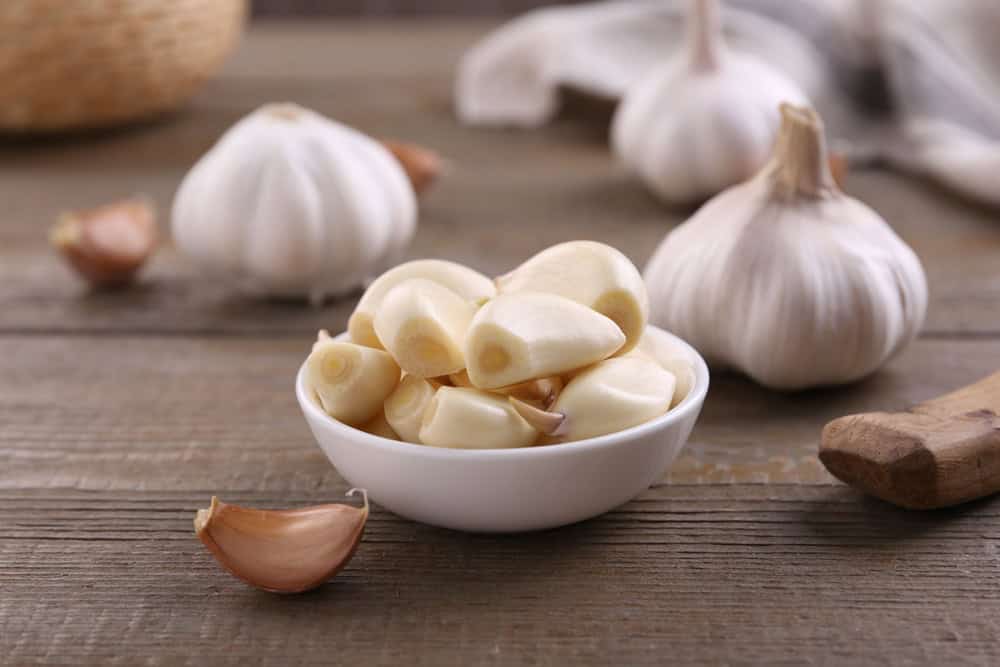
Garlic does much more than add flavor to your food.
It contains sulfur compounds such as allicin, which have antioxidant and anti-inflammatory properties. These compounds may support the immune system and help your body respond better to infections and inflammation.
Adding fresh garlic to dals, sabzis, soups, curries, or chutneys is an easy way to include it in your meals.
Cooking garlic lightly helps preserve some of its beneficial compounds, though cooked garlic still offers nutritional value.
5. Curd (Dahi)
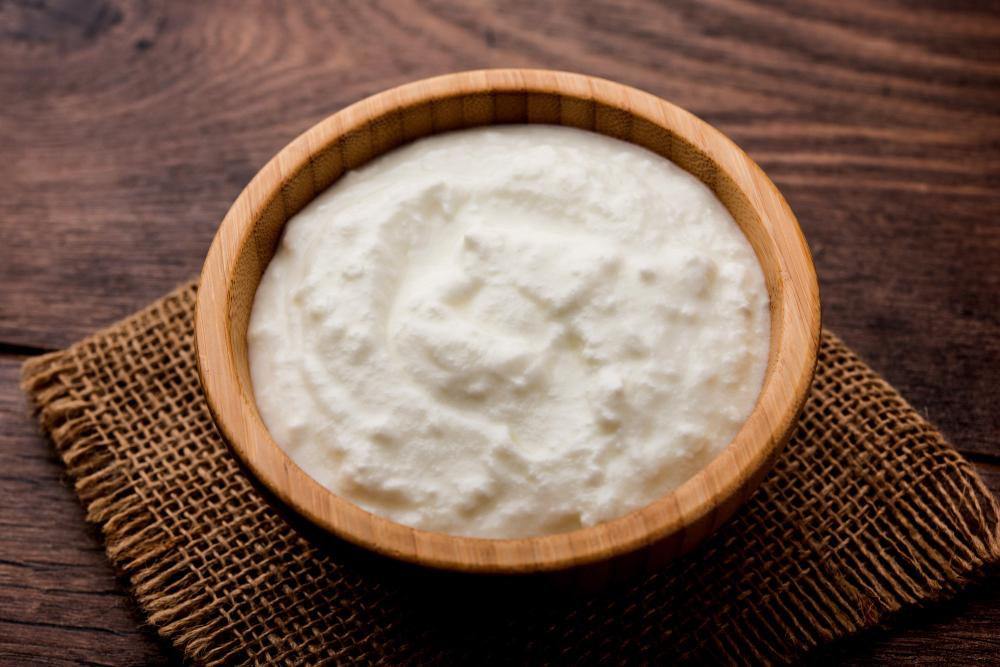
A healthy gut and a healthy immune system are closely connected. Since a large part of your immune system interacts with your digestive tract, maintaining good gut health may support your body’s overall immune response.
Fresh homemade curd contains beneficial bacteria that help maintain a healthy gut microbiome. While research on probiotics and seasonal allergies is still ongoing, some studies suggest that certain probiotic strains may help reduce allergy symptoms in some people.
Choose plain, unsweetened curd instead of flavored varieties with added sugar. You can enjoy it as plain curd, raita, buttermilk, or alongside your regular meals.
A healthy digestive system also depends on enough fiber. If you’re looking for more ways to improve your gut health, here’s a helpful guide on whether chia seeds can help with constipation, how much to take, and the best ways to include them in your diet: Can Chia Seeds Help With Constipation? How Much and How to Take Them
6. Tulsi (Holy Basil)
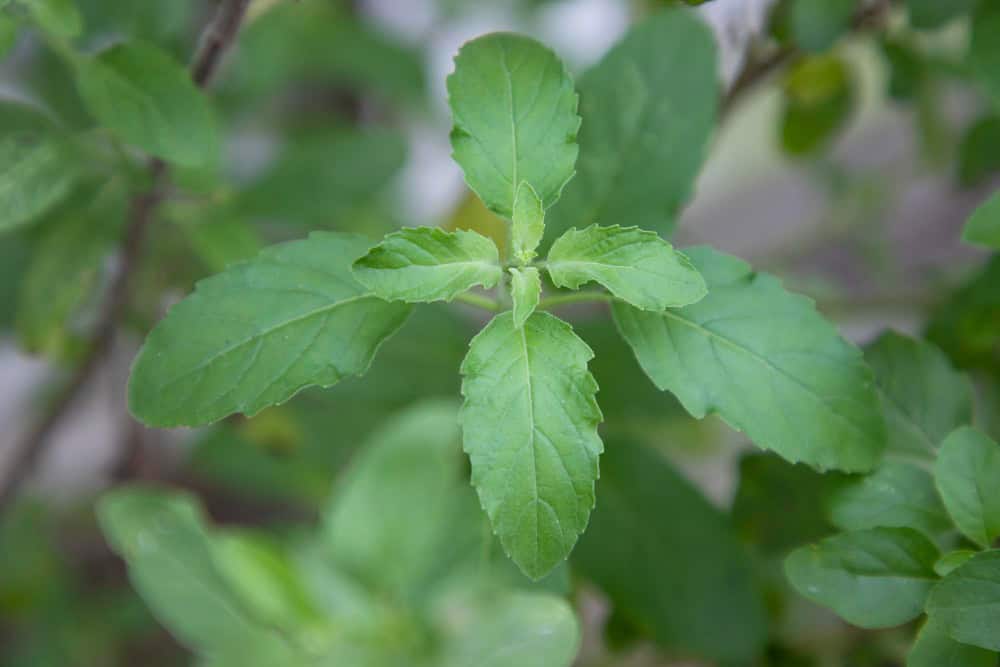
Tulsi has long been used in traditional Indian households, especially during seasonal changes.
Although more human studies are needed, tulsi contains plant compounds with antioxidant and anti-inflammatory properties that may help support respiratory health.
Many people enjoy tulsi tea when they have mild throat irritation or nasal congestion. Fresh tulsi leaves can also be added to herbal drinks or chewed in small amounts.
While tulsi may help you feel more comfortable, it shouldn’t replace medical treatment if your allergy symptoms are severe.
Can Food Really Help Seasonal Allergies?
The short answer is yes, but only to a certain extent.
No food can stop an allergic reaction once your immune system reacts to pollen, dust, or mold. However, eating a balanced diet rich in fruits, vegetables, whole grains, spices, and fermented foods helps support your immune system and reduces overall inflammation in the body.
Think of these foods as supportive players rather than miracle cures.
If your allergies are frequent or severe, you may still need antihistamines, nasal sprays, or other treatments recommended by your doctor.
Other Simple Tips to Manage Seasonal Allergies
Your diet is only one part of the picture. These everyday habits can also make a difference.
Keep your windows closed during days with high pollen levels.
Shower and change your clothes after spending time outdoors.
Wash your bedsheets regularly.
Use sunglasses outdoors to reduce pollen reaching your eyes.
Stay hydrated throughout the day.
Avoid smoking and secondhand smoke, as both can irritate your airways.
If your symptoms last for weeks or interfere with your daily activities, don’t ignore them. A healthcare professional can help identify the exact cause and recommend the right treatment.
The Bottom Line
Seasonal allergies can be frustrating, but small daily choices often add up. Including turmeric, ginger, amla, garlic, curd, and tulsi in your meals gives your body nutrients that support immune health and help fight inflammation.
These foods aren’t a cure for allergies, and they won’t replace prescribed medicines. Still, when combined with a healthy lifestyle, good hydration, proper sleep, and medical care when needed, they may help you feel a little better during allergy season.
The goal isn’t to find one magical food. It’s to build eating habits that keep your body stronger throughout the year.
FAQs
1. Which Indian food is best for seasonal allergies?
There’s no single best food. Turmeric, ginger, amla, garlic, curd, and tulsi all offer nutrients and plant compounds that may support immune health and help reduce inflammation.
2. Can turmeric cure seasonal allergies?
No. Turmeric cannot cure allergies. It contains curcumin, which has anti-inflammatory properties, but it should only be considered part of a healthy diet and not a replacement for allergy medication.
3. Does ginger help with allergy symptoms?
Ginger may help soothe throat irritation and support the body’s natural inflammatory response. However, evidence is limited, and it shouldn’t replace prescribed treatment.
4. Is curd good for people with seasonal allergies?
Plain curd contains probiotics that support gut health, which may influence immune function. Some studies suggest probiotics may help certain people with allergies, but more research is needed.
5. Can vitamin C-rich foods reduce allergies?
Vitamin C supports normal immune function and acts as an antioxidant. Foods like amla may help support your body’s response to seasonal allergies, but they won’t prevent allergic reactions.
6. Should I avoid any foods during allergy season?
Some people experience oral allergy syndrome, where certain raw fruits or vegetables trigger itching in the mouth due to cross-reactivity with pollen. If you notice this, speak with your doctor or an allergist for advice.
7. Can diet replace allergy medicines?
No. Diet may support your overall health, but it cannot replace antihistamines, nasal sprays, or other treatments prescribed for seasonal allergies.
8. When should I see a doctor for seasonal allergies?
See a doctor if your symptoms are severe, last for several weeks, interfere with sleep or daily activities, or if you have wheezing, shortness of breath, or frequent sinus infections.
(The article is written by Mantasha, Sr. Executive, Clinical Health & Content, and reviewed by Monalisa Deka, Deputy Manager, Clinical Health & Content, Medical Affairs.)
Recommended Reads:
Cortisol Face: The Viral Term That Has Everyone Looking in the Mirror