
The monsoon brings welcome relief from the summer heat, but your skin may not feel the same way. If you notice more pimples, oily skin, or painful acne during this season, you’re not alone. The mix of high humidity, sweat, excess oil, and dirt creates the perfect setting for clogged pores and acne flare-ups.
The good news is that you don’t need a complicated skincare routine to keep your skin under control. A few simple habits can make a big difference. Here’s how you can manage acne during the rainy season and keep your skin healthy.
Why Does Acne Get Worse During the Monsoon?
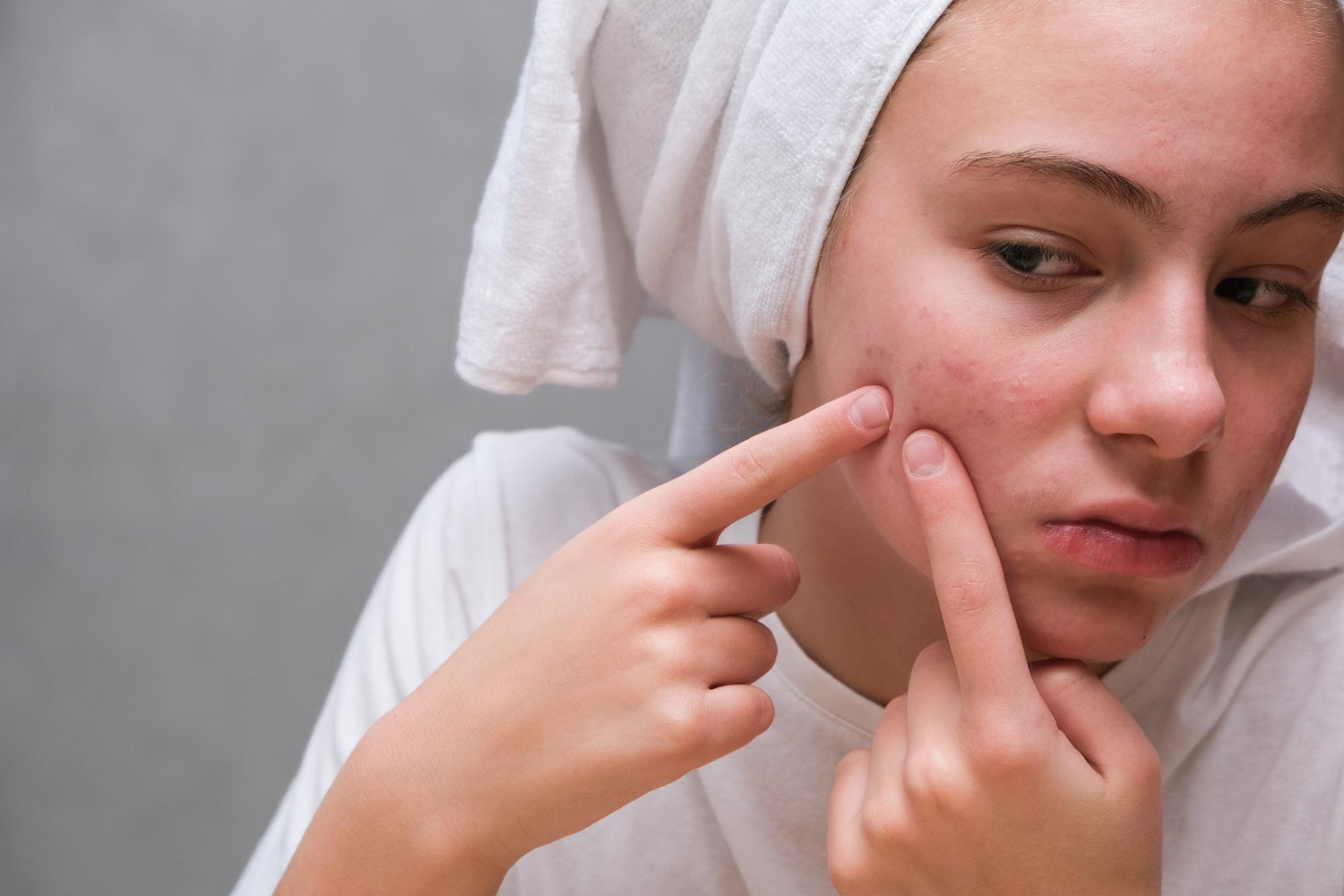
Humidity is the biggest reason. When the air is full of moisture, your skin produces more oil. Sweat also stays on your skin longer instead of evaporating quickly. This mix of oil, sweat, dead skin cells, and pollution can block pores and allow acne-causing bacteria to grow.
If you already have oily or acne-prone skin, the monsoon can make breakouts more frequent.
Here 12 Simple Ways to Keep Monsoon Breakouts Under Control

Clean Your Face the Right Way
Washing your face removes excess oil, sweat, and dirt that build up during the day. But don’t overdo it.
Wash your face twice a day with a gentle cleanser made for your skin type. If you’ve been sweating a lot or have been outdoors, you can rinse your face with water or cleanse once more. Avoid harsh scrubs because they can irritate your skin and make acne look even redder.
Choose Lightweight Skincare Products
Heavy creams can feel sticky during humid weather. They may also leave your skin feeling greasy.
Switch to lightweight, oil-free, and non-comedogenic products. These are less likely to clog your pores. If your skin feels dry after cleansing, use a light gel-based moisturizer instead of skipping moisturizer altogether. Even oily skin needs hydration.
Don’t Skip Sunscreen
Many people think sunscreen isn’t needed when it’s cloudy. That’s a common mistake.
Ultraviolet rays can still reach your skin through the clouds. Sun exposure may worsen acne marks and slow down healing. Use a broad-spectrum sunscreen with at least SPF 30. Pick one that is oil-free and made for acne-prone skin.
Keep Sweat Under Control
Sweat sitting on your skin for long periods can contribute to clogged pores.
After exercising or spending time outdoors, wash your face or gently wipe away sweat with a clean towel. Avoid rubbing your skin. Pat it dry instead.
Keep Your Hands Off Your Face
It sounds simple, but it’s one of the hardest habits to break.
Your hands touch phones, keyboards, door handles, and many other surfaces throughout the day. Every time you touch your face, you transfer dirt, oil, and bacteria to your skin.
Try to avoid resting your chin on your hands or picking at pimples.
Never Pop Pimples
We’ve all been tempted to squeeze a pimple before an event. Sadly, it usually makes things worse.
Popping pimples can push bacteria deeper into the skin. This increases inflammation and raises the risk of scars and dark spots. Let the pimple heal naturally or use a spot treatment recommended by your dermatologist.
Use Acne-Fighting Ingredients Wisely
Some ingredients work well for acne, but using too many at once can irritate your skin.
Salicylic acid helps unclog pores and remove excess oil. Benzoyl peroxide reduces acne-causing bacteria. Niacinamide can calm redness and support the skin barrier. If you’re new to these products, introduce one at a time and use them as directed.
If your acne is severe or painful, speak with a dermatologist before starting treatment.
Change Pillowcases and Towels Often
Your pillowcase collects oil, sweat, hair products, and dead skin cells over time. A dirty towel can also transfer bacteria back to your face.
Use a clean towel to dry your face and change your pillowcase at least once or twice a week. These small changes help keep your skin cleaner.
Eat a Balanced Diet
Food alone doesn’t cause acne, but your overall diet can affect your skin.
Fill your plate with fruits, vegetables, whole grains, lean protein, and healthy fats. Drink enough water throughout the day to stay hydrated. Try to limit sugary snacks and highly processed foods if you notice they seem to trigger breakouts.
Everyone’s skin is different, so pay attention to what works for you.
Remove Makeup Before Sleeping
Sleeping with makeup on is never a good idea, especially during the monsoon.
Makeup, oil, and sweat can clog your pores overnight. Always remove makeup before bed with a gentle cleanser or makeup remover. Choose products labeled non-comedogenic if you wear makeup regularly.
Keep Hair Clean and Away from Your Face
Hair collects oil, sweat, and styling products that can transfer to your skin.
Wash your hair regularly if it becomes greasy during the rainy season. If you have long hair, tie it back when you’re sweating or working out. Avoid letting oily hair rest on your forehead for long periods.
Manage Stress and Get Enough Sleep
Stress doesn’t directly cause acne, but it can make existing breakouts worse.
Try to get seven to nine hours of sleep each night. Simple activities like walking, reading, praying, or listening to calming music may help you relax. Your skin often reflects how well you’re taking care of yourself.
Know When to See a Dermatologist
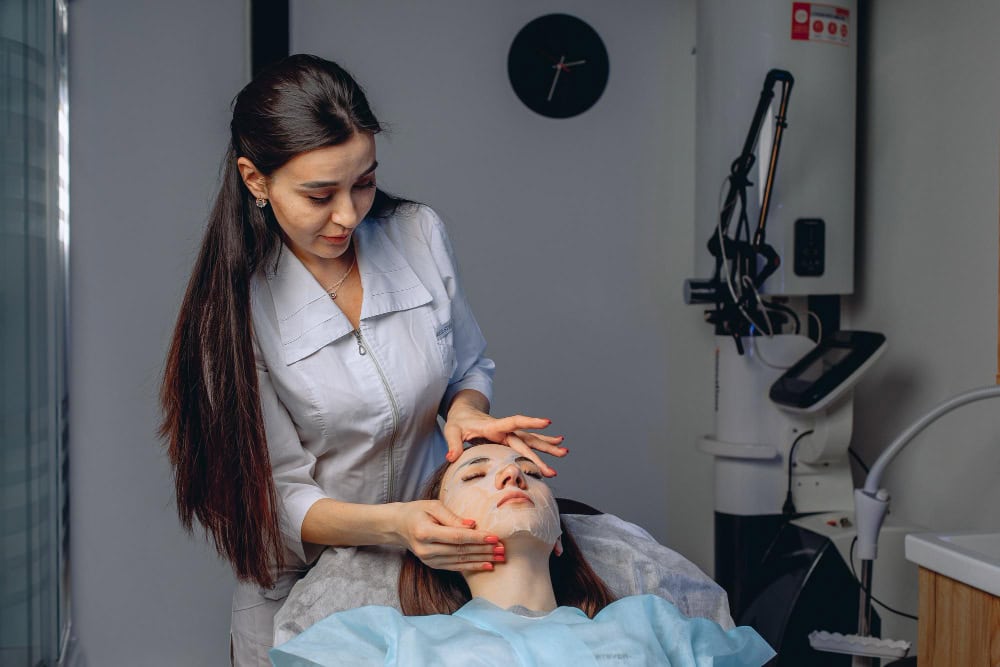
Sometimes home care isn’t enough.
If you have painful cysts, acne that leaves scars, or breakouts that don’t improve after several weeks of proper skincare, book an appointment with a dermatologist. Prescription treatments can control acne more effectively and help prevent long-term marks.
| Quick Summary | |
| Why acne worsens in monsoon | Humidity, excess oil, sweat, and clogged pores trigger breakouts. |
| Best skincare habit | Cleanse gently, moisturize, and use sunscreen every day. |
| What to avoid | Touching your face, popping pimples, and using heavy skincare products. |
| Healthy skin tips | Stay hydrated, eat a balanced diet, and keep pillowcases clean. |
| When to seek help | Consult a dermatologist if acne is severe, painful, or keeps coming back. |
Final Thoughts
Monsoon acne can be frustrating, but it doesn’t have to take over your skin. A gentle skincare routine, clean habits, and the right products can help keep breakouts under control. Don’t expect overnight results. Healthy skin takes consistency. Stick with your routine, avoid picking at pimples, and give your skin time to heal.
FAQs
1. Why does acne increase during the monsoon?
High humidity increases oil production and sweat, which can clog pores and encourage acne-causing bacteria to grow.
2. How many times should I wash my face during the monsoon?
Twice a day is enough for most people. If you’ve been sweating heavily, you can cleanse once more with a gentle face wash.
3. Can oily skin skip moisturizer during the rainy season?
No. Oily skin still needs hydration. Use a lightweight, oil-free, or gel-based moisturizer.
4. Is sunscreen necessary during cloudy weather?
Yes. UV rays can pass through clouds and may worsen acne marks. Wear a broad-spectrum sunscreen with SPF 30 or higher every day.
5. Which ingredients are good for acne-prone skin?
Salicylic acid, benzoyl peroxide, niacinamide, and adapalene are commonly used for acne. Choose products based on your skin’s needs and use them as directed.
6. Does sweating cause acne?
Sweat itself doesn’t cause acne, but when it mixes with oil, dirt, and dead skin cells, it can clog pores and trigger breakouts.
7. Can diet affect acne during the monsoon?
A balanced diet supports healthy skin. Some people notice that sugary or highly processed foods make breakouts worse, but triggers vary from person to person.
8. When should I consult a dermatologist for acne?
See a dermatologist if your acne is painful, leaves scars, keeps coming back, or doesn’t improve after following a proper skincare routine for several weeks.
(The article is written by Mantasha, Sr. Executive, Clinical Health & Content, and reviewed by Monalisa Deka, Deputy Manager, Clinical Health & Content, Medical Affairs.)
Recommended Reads:
Nipah Virus Explained: What’s Happening in India Today! (And What To Do)
5 Supplements You Should Be Taking To Improve Immunity During Monsoon