Can something that begins like a mild fever really turn dangerous so quickly? This question tends to surface every time the word ‘Nipah virus’ makes the headlines. That’s because it’s an endemic disease in some regions of India, like in West Bengal and Kerala. The first human outbreak in India was reported in West Bengal in 2001 and 2007. This was followed by localised outbreaks in Kerala since 2018. The most recent outbreak occurred in July 2025 in Kerala’s Palakkad and Malappuram districts, with three cases and two deaths reported [1].
This year, health authorities saw only 2 cases of Nipah virus in India (West Bengal) from December up to now [2]. Although small in number, this brought the virus back into public conversation. While the situation is being closely monitored, it has understandably raised concern. So, what is the Nipah virus exactly? How does it spread? What symptoms should one look out for? And most importantly, what can someone realistically do to reduce risk? Let’s walk through this.
What Is the Nipah Virus?
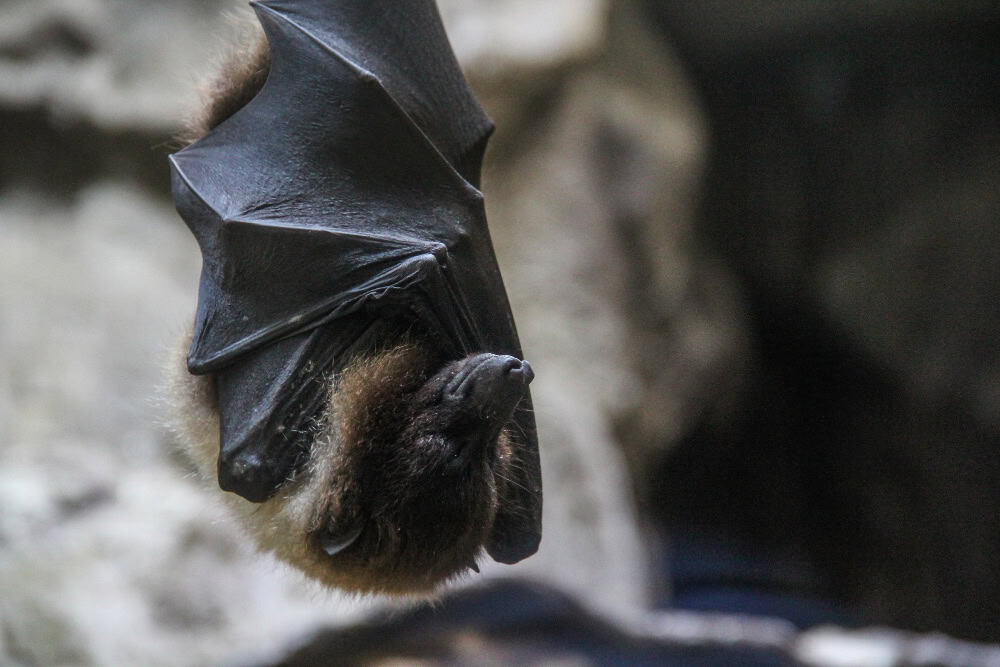
Nipah virus is a zoonotic virus, which means it normally circulates in animals and occasionally spills over into humans. Its natural carriers are fruit bats, particularly those from the Pteropus family, which are found across South and Southeast Asia.
Human infections were first identified in the late 1990s, and since then, outbreaks have occurred in countries such as Bangladesh and India [1]. What makes the Nipah virus concerning? It isn’t how frequently it appears (it’s rare) but how severe the illness can become in some cases.
Why Is Nipah Considered Serious?
Although the cases are small in number, awareness and prevention are still important.
Because:
– It has a high fatality rate in humans (about 40% to 75% of people) [3].
– There is no widely approved vaccine or specific cure yet. Supportive care in hospitals remains the focus.
– It can spread from animals to humans and, in some circumstances, from person to person.
The combination of rarity, severity, and limited treatment options is the reason why public health systems take this virus seriously.
How Nipah Virus Spreads
Understanding how the virus travels can help explain why precautions and early care are generally advised. The virus primarily spread in two ways:
- From Animals to Humans:
Fruit bats can shed virus particles through saliva, urine, or droppings. Humans may become exposed by being in contact with bats or their secretions or eating fruit partially eaten by bats. It can also be transmitted by consuming raw date palm sap that is contaminated by bats. These forms of transmission can be the earliest paths in many outbreaks.
- From Human to Human:
Once a person is infected, Nipah may spread either through close contact with respiratory droplets or by touching contaminated surfaces. This is less common than animal-to-human transmission but possible, particularly in households if protective measures are not used.
Symptoms: Early and Progressed
One reason Nipah is difficult to detect early is that its initial symptoms don’t always seem alarming. It can begin with symptoms that look a lot like common illnesses, like the common cold or flu. Early signs may include fever, headache, muscle aches or fatigue, nausea or vomiting, and sore throat. At this stage, many people might assume it’s a seasonal infection.
In some cases, however, the disease can progress. Symptoms may worsen, including difficulty in breathing, severe drowsiness, confusion, seizures, and loss of consciousness. Some may also show signs of brain inflammation (encephalitis). Because symptoms can evolve quickly, it’s important not to dismiss severe headache, difficulty breathing, or neurological changes. Once the illness moves past the early stages, prevention or medical attention becomes crucial.
Don’t wait; get yourself tested for Nipah – early detection may save your life!
Practical Prevention: What Can Help Reduce Risk

There’s no single action that guarantees protection from the Nipah virus, but everyday awareness may lower the chances of exposure.
1. Basic Good Hygiene is a Cornerstone
Wash your hands regularly, avoid touching your face unnecessarily, and disinfect frequently touched surfaces. All these simple habits can help your defences protect against many infections — Nipah included.
2. Food Safety Plays A Role
Wash the fruits thoroughly, avoid fruits that appear bitten or damaged, and steer clear of raw date palm sap. This step may reduce risk in affected regions.
3. Avoid Contact With Bats or Sick Animals
Bats should never be handled directly. Animals that appear unwell should be left alone, and animal feed should be stored in a way that limits contamination.
4. Be Careful When You are Around Illness
Close contact with anyone experiencing severe fever or respiratory symptoms in outbreak areas should be avoided when possible. Caregivers may benefit from masks and gloves, especially in prolonged contact.
Elevate your respiratory defence against Nipah with our range of products.
5. Follow Public Health Guidelines and Guidance
Local advisories, isolation instructions, and monitoring protocols exist to protect communities — cooperating with them helps contain potential spread.
These preventive steps are not for you to panic, but they are for your and your community’s awareness.
What to Do If You Suspect Nipah
If you or someone you know develops symptoms consistent with Nipah (especially in an affected area):
– Seek Medical Help Promptly – Early medical care can improve outcomes.
Consult a doctor today to protect yourself and those around you.
– Tell Health Workers About Exposure – Mention if you were near bats, raw date palm sap, or someone sick.
– Cooperate With Testing and Monitoring – Health authorities may ask for isolation or contact tracing to prevent spread.
Remember that supportive care in a hospital, such as fluid management and oxygen support, may improve chances of recovery. Since there’s no specific antiviral treatment or vaccine approved yet, this can be your best approach.
A Quiet Reminder
Hearing about Nipah can feel unsettling, especially in a world already familiar with health scares. But information, when shared responsibly, has power. Not every fever is Nipah, and not every headline signals danger. What matters is that you stay informed, pay attention to symptoms, and trust public health guidance. Awareness is not fear; it is the measure of your preparedness.
FAQs
Q. How to avoid having Nipah?
– Avoid eating partially eaten fruits, and wash fruits well
– Stay away from bats or sick animals
– Limit close contact with infected people if cases are reported nearby or in your region
All these steps can act as preventive measures for Nipah.
Q. Can Nipah infection become a pandemic?
It is unlikely, as Nipah spreads through close contact and not through the air, which makes large-scale global spread difficult.
Q. Is the Nipah virus RNA or DNA?
Nipah is an RNA virus. This means it carries its genetic material as RNA, which helps it replicate quickly inside the body.
Q. How can you clean the fruits to avoid the risk of contamination or disease?
Wash fruits under running water, scrub firm fruits, peel when possible, and avoid fruits that look bitten or damaged.
Q. In which parts of India has the outbreak of this virus been observed?
In India, Nipah virus cases have mainly been reported from Kerala and West Bengal. The virus is now considered endemic, as it appears repeatedly in these regions instead of as a one-time outbreak. The most recent being 2 cases in West Bengal till date.
Q. What does the Nipah virus do inside a human body?
It can affect the brain and lungs, causing fever, breathing issues, and, in severe cases, brain inflammation.
Q. Can air cause the transmission of Nipah?
No, Nipah does not spread through the air like COVID. It needs close contact with bodily fluids.
Q. Is there a vaccine or treatment for Nipah?
There’s no approved vaccine yet. Treatment mainly focuses on managing symptoms and supportive hospital care.
References
1. Chauhan H, National Centre for Disease Control, Directorate General of Health Services, Government of India. Nipah Virus Disease. National Centre for Disease Control; 2026. https://ncdc.mohfw.gov.in/wp-content/uploads/2026/01/CD-Alert-NIPAH-Virus.pdf.
2. Ministry of Health and Public Wellness
https://www.pib.gov.in/PressReleasePage.aspx?PRID=2219219®=3&lang=2
3. World Organisation for Animal Health. Nipah virus – WOAH – World Organisation for Animal Health. WOAH – World Organisation for Animal Health. https://www.woah.org/en/disease/nipah-virus/. Published October 30, 2023.
(The article is written by Sneha Jajoo, Intern, Clinical Health & Content, and is reviewed by Dr.Subita Alagh, Assistant Team Lead, Disease Content.)