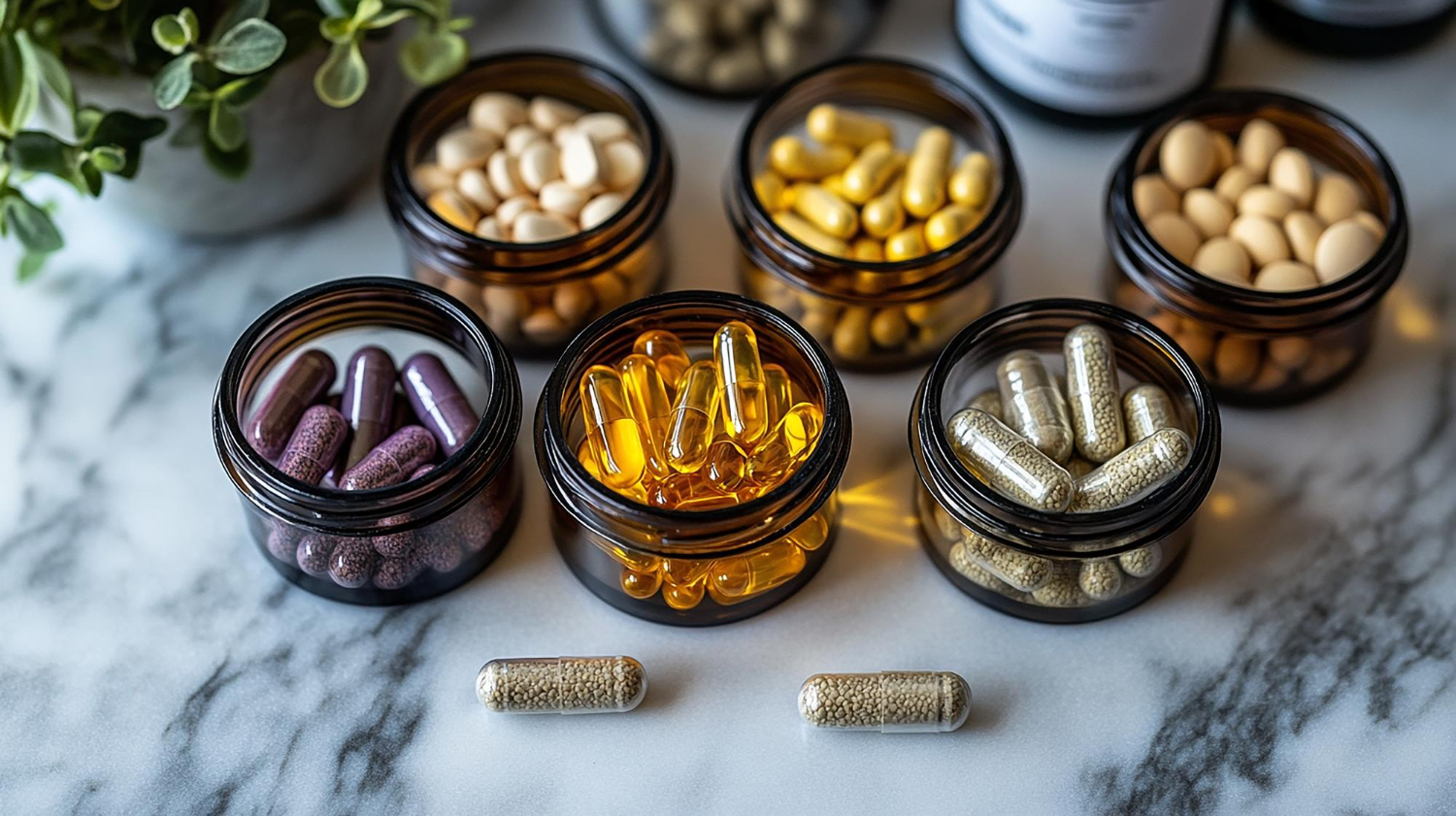
Your immune system is your body’s natural barrier against harmful pathogens like bacteria, viruses, fungi, and other harmful microorganisms that can make you sick. A well-balanced diet, regular exercise, quality of deep sleep, and stress management are the foundations for a robust immune system. Although several vitamins and minerals can also support the immune system by replacing missing nutrients from food.
No single supplement can prevent you from becoming sick by itself. However, studies show that combining the proper supplements for enhancing immunity with other healthy lifestyle changes can help support your body’s natural immunity to illness [1]. Vitamin C, vitamin D, zinc, probiotics, and Omega-3 fatty acids all play key roles in how your body reacts to illness and overall wellness.
Below is a summary of some great supplements and how they can contribute to strengthening your immune system.
1. Vitamin C

Vitamin C is still the most popular and trusted supplement for enhancing immunity. As an antioxidant, it protects the body from the damaging effects of free radicals and supports the body’s production of and ability to use white blood cells that fight infections. Taking vitamin C regularly also supports the health of your skin, which is your primary defense against infection.
Benefits of Vitamin C:
- Supports white blood cell development and function.
- Assists in reducing oxidative stress.
- May help to promote wound healing.
- Promotes good skin health (first line of defense).
Food Sources
- Oranges
- Lemons
- Guava
- Kiwifruit
- Bell peppers
- Strawberries
Support your immunity naturally this monsoon with these 8 vitamin C-rich Indian foods.
Recommended Amounts
Most adults require 90–120 mg of vitamin C daily [2]. Doses above the recommended daily amount should only be taken under medical supervision, as excess Vitamin C can cause digestive discomfort and kidney stone risk in susceptible individuals.
2. Vitamin D
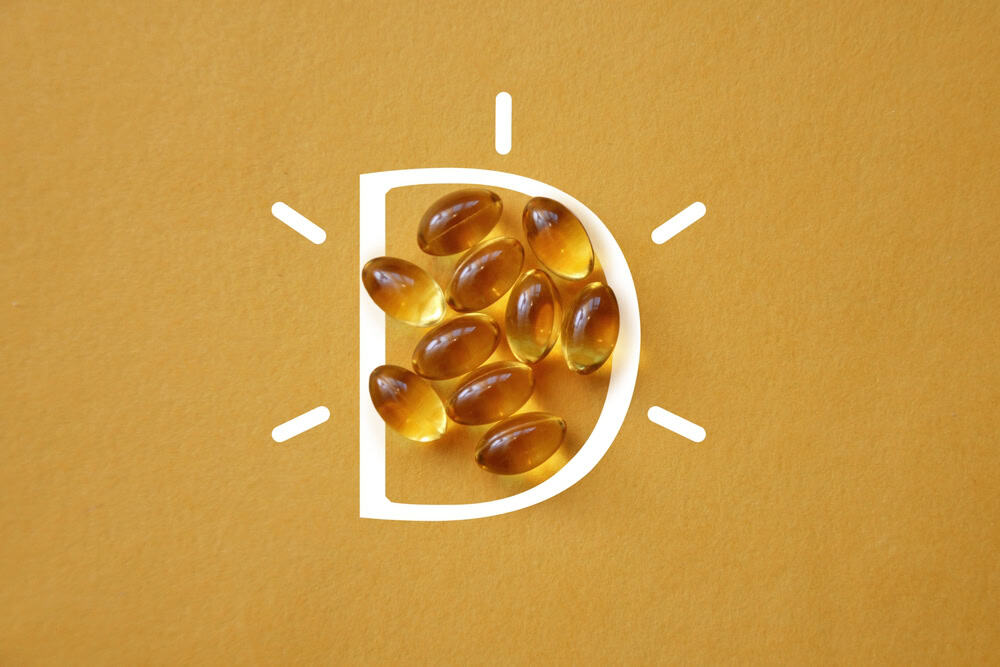
Vitamin D is crucial for controlling the immune system; low levels of vitamin D are correlated with a higher likelihood of contracting respiratory infections.
As many people spend time indoors or use sunscreen, many are deficient in Vitamin D.
Benefits of Vitamin D:
- Promotes activity in immune cells.
- Helps to regulate the body’s inflammatory response.
- May prevent certain respiratory infections.
- Promotes strong bones and muscles.
Food Sources of Vitamin D
- Fatty Fish
- Egg Yolks
- Fortified Milk
- Sunlight-Exposed Mushrooms
Looking for more natural sources of vitamin D? Discover 10 healthy foods to add to your diet today!
Recommended Amounts
The recommended daily amount of Vitamin D varies based on both age and health status; however, for most adults, the adequate intake of Vitamin D is currently considered to be 600-800 IU, with higher amounts only to be used under a doctor’s supervision [3].
3. Zinc
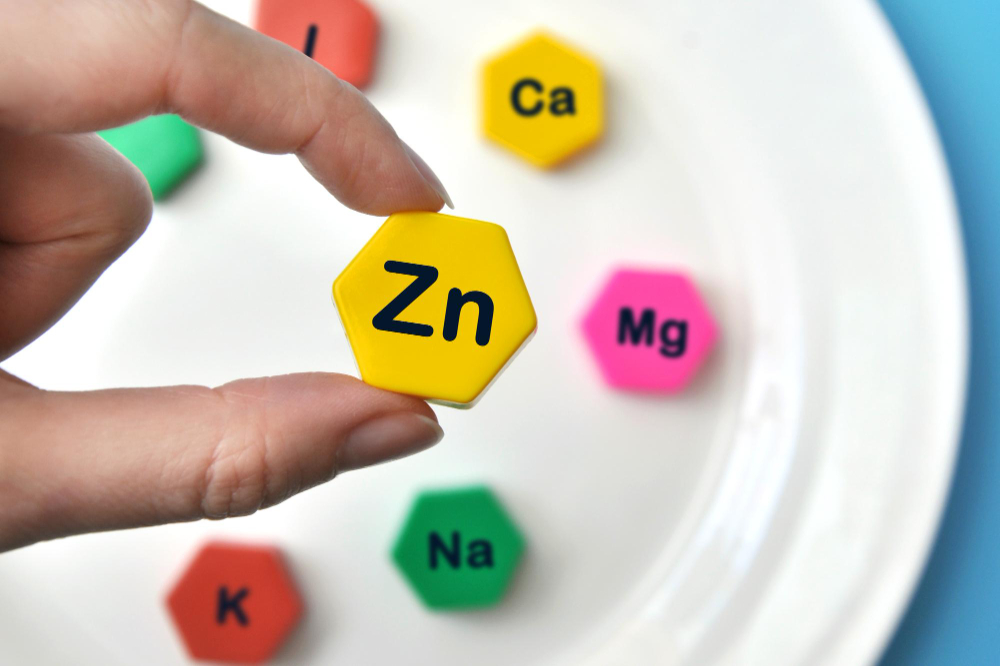
Zinc is an essential mineral that is involved in hundreds of enzyme reactions in the body, including those that control the body’s immune reaction. Decreases in Zinc levels can compromise the immune response, resulting in infections.
Benefits of Zinc:
- Aids in the development of immune cells.
- Aids in faster wound healing.
- May decrease the duration of the common cold if taken early.
- Aids in skin health.
Food Sources of Zinc
- Pumpkin Seeds
- Chickpeas
- Lentils
- Nuts
- Seafood
- Lean Meats
Recommended Amounts
Each adult typically needs 8-11 mg/day of Zinc [4].
4. Probiotics
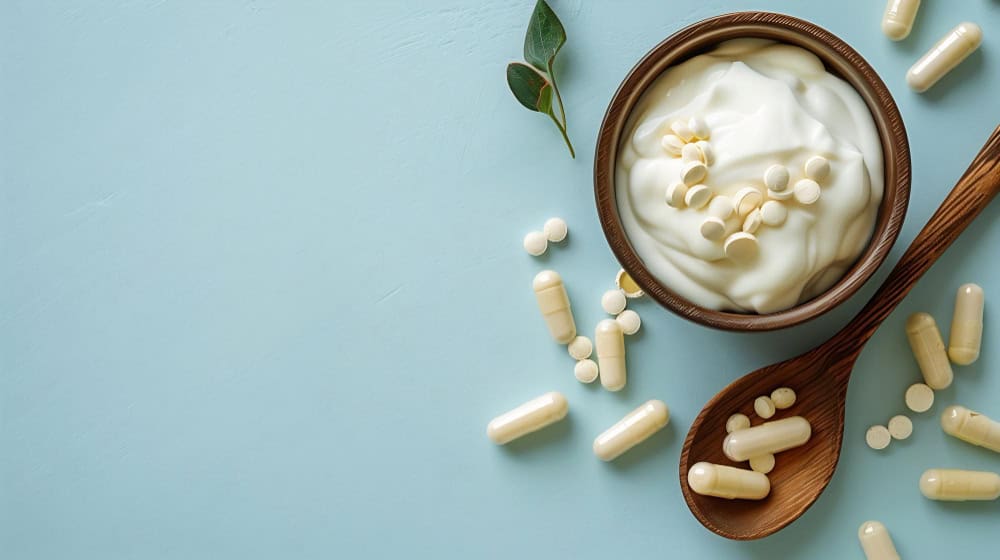
Around seventy percent of the immune system is tied directly to the gut; helping to maintain that healthy balance of beneficial gut bacteria may improve immune function.
Probiotics are the “live” bacteria that help promote a healthy gut microbiome.
Benefits of Probiotics:
They promote healthy digestion, help with the regulation of the immune response, possibly decrease the frequency of certain infections, and can help restore gut bacteria after the use of antibiotics.
Food Sources
- Yogurt
- Kefir
- Kimchi
- Sauerkraut
- Fermented vegetables
Recommended Amounts
1–10 billion CFU (colony-forming units) daily for general gut and immune health [5]. Follow the dosage recommended on the product label, as it varies by strain.
5. Vitamin A

An important nutrient, vitamin A, helps your immune system function properly. By keeping your skin, lungs, and digestive system in good condition, you’re also providing a strong defense against harmful bacteria and viruses. Additionally, Vitamin A plays a role in the creation and proper function of immune cells, which are responsible for helping your body fight infections.
Benefits of Vitamin A:
- Helps the immune system function normally
- Maintains the integrity of skin and mucous membranes, the body’s first line of defense
- Supports the production and activity of white blood cells that fight infections
- Supports healthy eyes and visual function
- Essential for the proper growth and development of cells
Food Sources
- Sweet potatoes
- Carrots
- Spinach
- Kale
- Pumpkin
- Eggs
- Liver
- Fortified dairy products
Recommended Amounts
- Men: 900 mcg RAE/day
- Women: 700 mcg RAE/day
Upper limit for adults is 3,000 mcg RAE (retinol activity equivalents ) per day [6].
Note: high doses of supplemental vitamin A, particularly preformed vitamin A/retinol, can be harmful, especially to pregnant women) Avoid going above the upper limit unless advised by a physician.
6. Omega-3 Fatty Acids
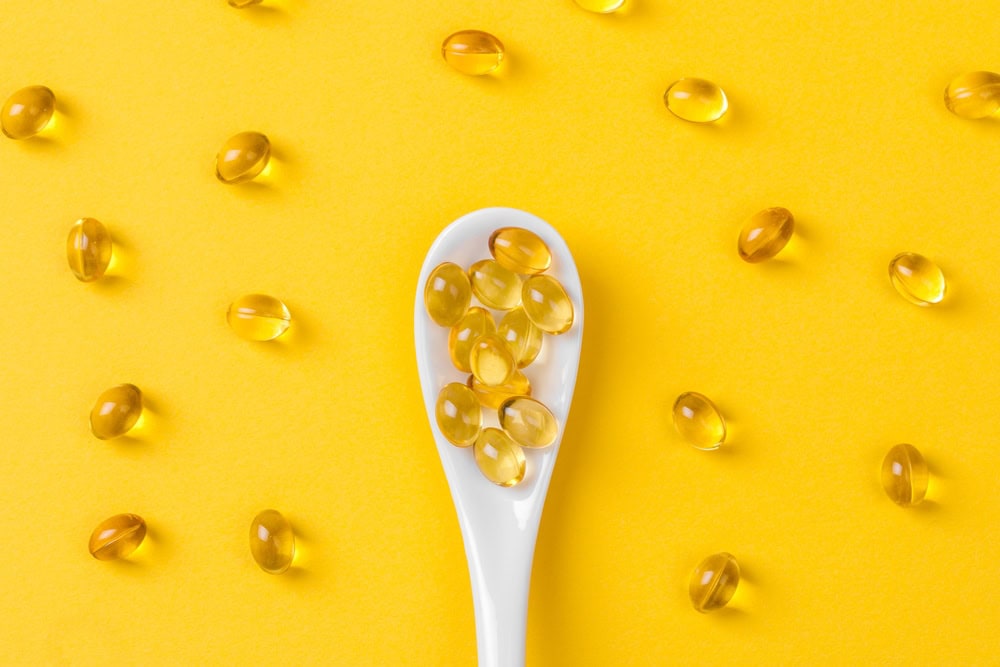
Omega-3 fatty acids are well-known for their support of heart and brain health; however, they also play an important role in the regulation of inflammation (i.e., the right level of inflammation is essential to a normal functioning immune system).
Benefits of Omega-3 Fatty Acids:
- Regulates the immune response
- Promotes a healthy heart
- Reduces long-term inflammation
- Supports the brain
Food sources
- Salmon
- Sardines
- Mackerel
- Flaxseed
Vitamins, minerals, antioxidants, phytonutrients, and other nutrients are naturally occurring substances found in whole foods; these components provide your body with nutrients needed for good health.
Recommended dosage: 250–500 mg/day of combined EPA and DHA for healthy adults. But before starting any supplements, do consult a physician, especially if you are taking any other medications [7].
7. Selenium
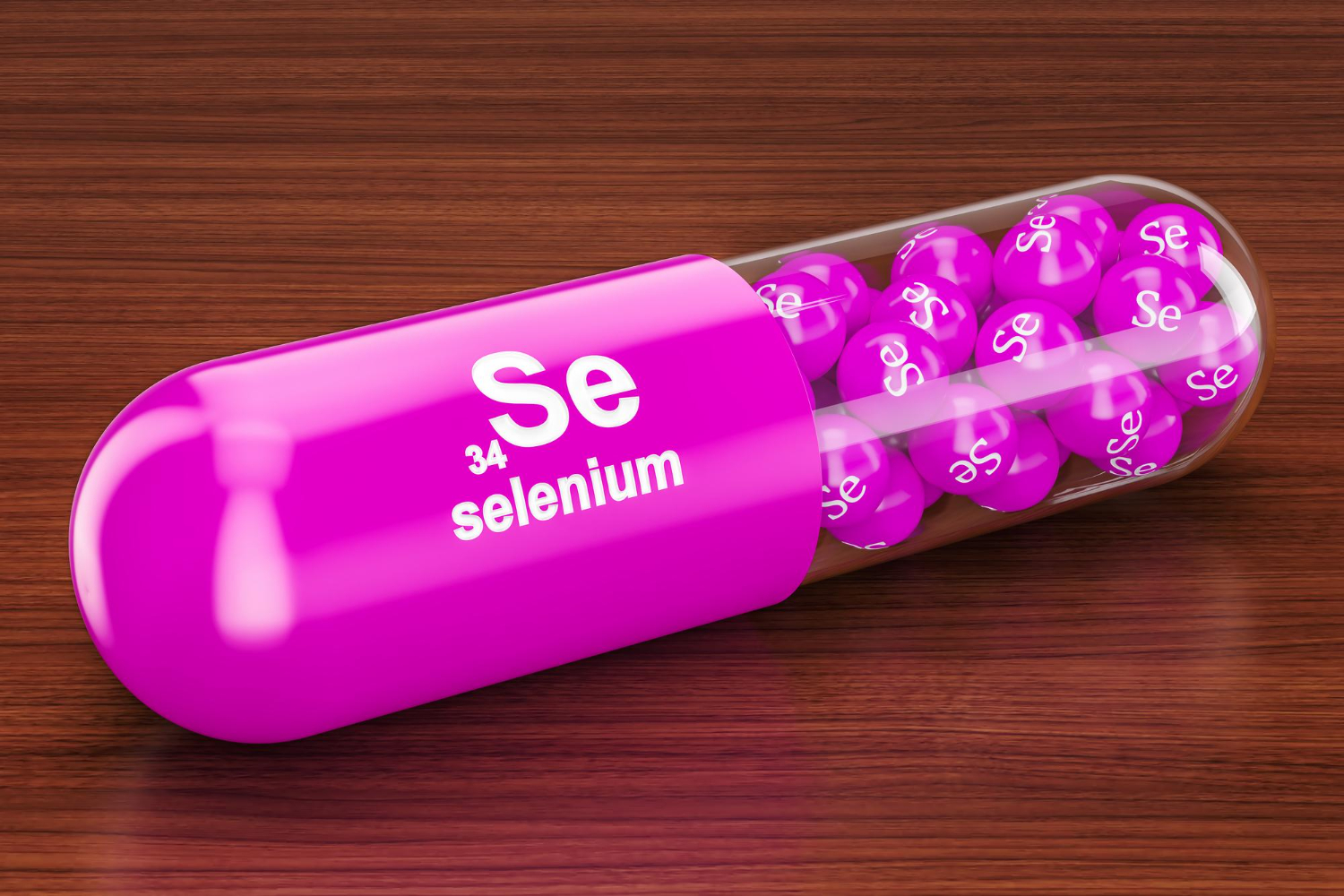
Selenium is one such mineral that supports immune function. Antioxidant properties make selenium an essential mineral for immune defense systems.
Even small deficiencies in selenium may weaken the immune system’s ability to fight off infections.
As a result, selenium is important due to:
- Protection from oxidative damage to cells.
- Support for immune responses.
- Support for thyroid function.
- Co-functioning with vitamin E as an antioxidant.
Food Sources of Selenium
- Brazil nuts
- Tuna
- Eggs
- Sunflower seeds
- Brown rice
Selenium is needed in very small amounts; excess consumption may pose health risks.
Recommended dosage: 55 mcg/day for adults [8].
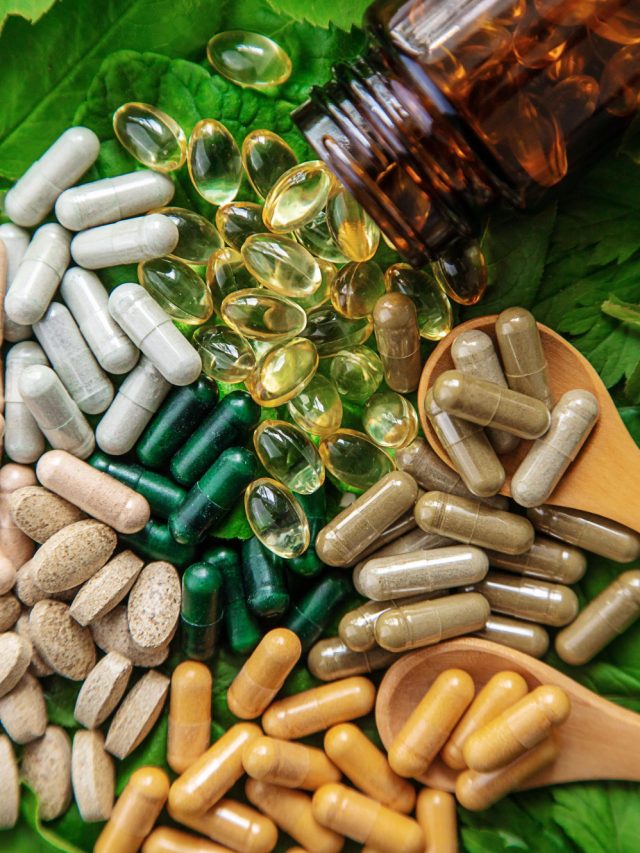
Can Supplements Replace Healthy Eating?

In one word, “no”. Supplements don’t replace a healthy diet. Rather, they complement a healthy diet.
Whole foods deliver a range of benefits (i.e., vitamins and minerals) as well as phytonutrients and antioxidants that can work synergistically in ways that cannot be completely replicated by supplements.
To support optimal immune function:
- A variety of colorful fruits and vegetables should be consumed regularly
- Lean sources of protein and whole grains should be included in your daily diet
- Regular exercise should also be performed
- Seven to nine hours of restful sleep should be obtained each night
- Adequate fluid intake is necessary daily
- Stress must be managed effectively
- Limit smoking and alcohol consumption as much as possible
Who Will Benefit from Supplementing Their Immune System?

Some individuals may suffer from deficiencies in their diet for several different reasons. In general, the following populations may benefit from taking a supplemental dosage of vitamins and minerals after being instructed to do so by a healthcare provider:
- Senior citizens
- People following a restricted diet.
- Individuals with insufficient levels of vitamin D
- People recovering from a serious illness
- Anyone with GI problems that will not allow them to absorb nutrients from food they ingest effectively.
- Vegans and vegetarians whose diets create specific deficiencies.
Note: All supplementation in these groups should be guided by a qualified healthcare provider following relevant blood tests.
Safety Tips Before Taking Supplements
Although you can buy natural immunity-improving products without a prescription, large amounts could potentially harm you. Here are some tips to help keep you healthy.
- Follow the recommended amount for each supplement.
- Do not take more than one supplement that contains the same ingredient.
- If you take any other medications, pay attention to the possible interaction with your supplement.
- If you are pregnant, nursing, have a long-term medical issue, or are taking prescription medications, consult with your doctor before using any supplement
Summary
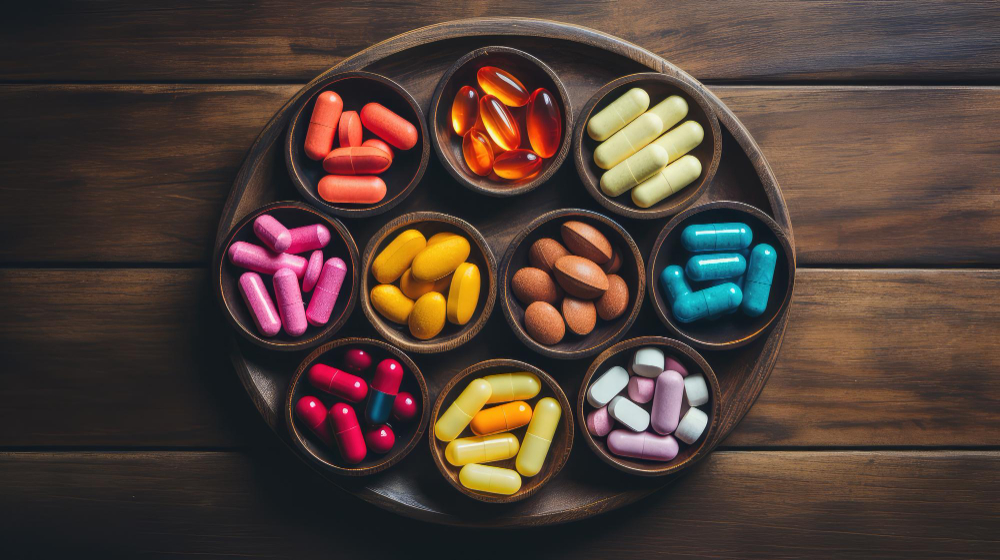
Having a well-balanced diet, maintaining a regular exercise routine, getting enough restorative sleep, practicing stress-reduction techniques, and staying hydrated are all necessary components of a healthy immune system, regardless of whether you decide to take any supplements. There are additional dietary sources of immune system support available through taking vitamin C, vitamin D, zinc, probiotics, omega-3 fatty acids, selenium, and/or elderberry when used appropriately under the direction of qualified professionals.
Speak with a qualified professional before beginning any supplement if you have an ongoing medical condition or take medications to determine if the supplement is right for you.
FAQs
Q. What are the best supplements for enhancing the immune system?
The best supplements to improve your immune system are vitamin C, vitamin D, zinc, probiotics, omega-3, selenium, and elderberry, along with a healthy lifestyle.
Q. Which vitamins are required to have a healthy immune system?
Vitamin C, Vitamin D, and zinc all contribute to a healthy immune function.
Q. Is it safe to take immunity supplements daily?
Yes, many immunity supplements are safe to take on a daily basis when they are taken within the recommended doses. However, it is recommended to consult a physician before taking any of these supplements.
Q. Do immunity-supporting supplements really work?
Immunity-supporting supplements can help support the immune system and can provide nutrients that may be lacking in the diet. However, supplements alone will not provide full benefit; they are best when used as part of a balanced diet, a routine of exercise, and adequate sleep.
Q. When is the best time to take immunity-supporting supplements?
Vitamin D and omega-3 should generally be taken with a meal, and probiotics are generally taken before a meal. For best results, you should refer to the usage instructions on the product & consult with your doctor.
Q. Is it possible to improve the immune system without using supplements?
Yes. The best way to naturally improve the immune system is to follow a nutritious diet, regularly exercise, get adequate sleep, drink plenty of water, and alleviate stress.
Q. Are there any side effects of taking too many immunity supplements?
Yes. Overconsumption of certain products can be damaging to your body’s health. For example, taking too much zinc may diminish your body’s ability to absorb other nutrients like copper; high doses of Vitamin C can cause an upset stomach; excessive Vitamin D could result in your body developing too much calcium and negatively affecting organ function. Always follow the recommended doses provided by a physician.
(The article is written by Deepa Sarkar, Senior Medical Writer, and reviewed by Monalisa Deka, Deputy Manager, Clinical Health & Content, Medical Affairs)
References
- Powell J. Nutrition and immunity [Internet]. The Nutrition Source – Harvard Chan School. 2020 [cited 2026 June 29]. Available from: https://nutritionsource.hsph.harvard.edu/nutrition-and-immunity/
- Nih.gov. [cited 2026 June 29]. Available from: https://ods.od.nih.gov/factsheets/VitaminC-HealthProfessional/
- Otis BO. Vitamin D [Internet]. The Nutrition Source – Harvard Chan School. 2012 [cited 2026 June 29]. Available from: https://nutritionsource.hsph.harvard.edu/vitamin-d/
- Nih.gov. [cited 2026 June 29]. Available from: https://ods.od.nih.gov/factsheets/Zinc-HealthProfessional/
- Nih.gov. [cited 2026 June 29]. Available from: https://ods.od.nih.gov/factsheets/Probiotics-Consumer/
- Nih.gov. [cited 2026 June 29]. Available from: https://ods.od.nih.gov/factsheets/VitaminA-HealthProfessional/
- EFSA Panel on Dietetic Products, Nutrition and Allergies (NDA). Scientific Opinion on the Tolerable Upper Intake Level of eicosapentaenoic acid (EPA), docosahexaenoic acid (DHA) and docosapentaenoic acid (DPA). EFSA J [Internet]. 2012;10(7):2815. Available from: http://dx.doi.org/10.2903/j.efsa.2012.2815