







Testosterone Free
Also referred as
Free T-Index

2,541+ booked recently

For men & women
Earliest reports in

36 hours

Contains

1 test
Test price:
₹1649
Get it at ₹1484 with coupon
Apply coupon 1MGNEWG during checkout


More offers available

Know more about this test

The Testosterone Free test measures the amount of free (unbound to any other substance) testosterone, a male sex hormone, in the blood. This test is used to diagnose conditions such as decreased sex drive, infertility, erectile dysfunction in men, and irregular menstrual periods in women. It can also be utilized to track hormone levels in individuals receiving testosterone replacement therapy.


Samples required
Blood

Find out
Why is this test booked?

Preparations
No special preparation is required.

Sample Collection
Who will collect your samples?
Conducted by

Tata 1mg Labs


Accredited
labs
Highly skilled
Phlebos
Verified
reports
Who will collect your samples?
Tata 1mg certified phlebotomists

Frequently booked together





Test Information is reviewed by: Dr. Naziya Maner, DNB, DCP and written by Shweta Prakash, MSc, BSc . The test details are for information purpose only. Consult a doctor before taking any test. Last updated on: 4th Oct 2026
Did you find information useful ?
 YES (8)
 NO (6)
Book a Testosterone Free test at home near me
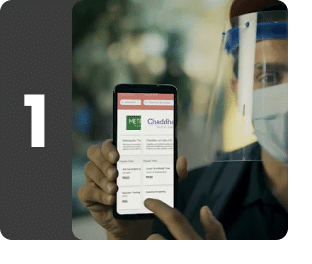
Easy online booking
Search for tests and packages, book your preferred time slot and enter your address for seamless at-home lab tests.
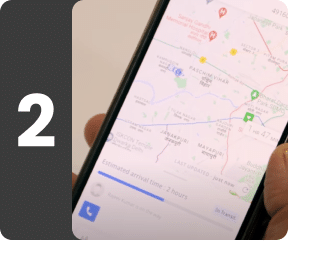
Live tracking of phlebotomist
Track our trained phlebotomist's real time location for seamless sample collection.
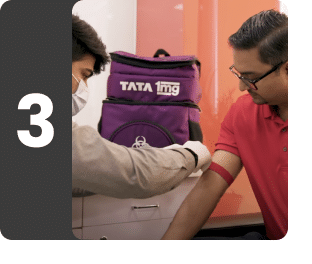
Safe Sample Collection
Our phlebotomists follow strict safety protocols to collect samples safely at home and on time.
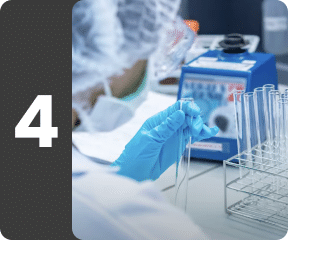
Sample received at lab
Samples are transported securely to our accredited labs with world-class machines for testing by qualified experts.
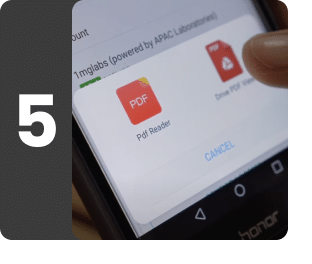
Quick, Doctor-Verified Reports
Get doctor-approved reports via email and WhatsApp, with options for doctor follow-ups and AI insights.



References
- Rivas AM, Mulkey Z, Lado-Abeal J, Yarbrough S. Diagnosing and managing low serum testosterone. Proc (Bayl Univ Med Cent). 2014 Oct;27(4):321-4. [Accessed 03 Aug. 2023]. Available from:

- Krakowsky Y, Grober ED. Testosterone Deficiency - Establishing A Biochemical Diagnosis. EJIFCC. 2015 Mar 10;26(2):105-13. [Accessed 03 Aug. 2023]. Available from:
- Shea JL, Wong PY, Chen Y. Free testosterone: clinical utility and important analytical aspects of measurement. Adv Clin Chem. 2014;63:59-84. [Accessed 03 Aug. 2023]. Available from:
- Ramasamy R, Golan R, Wilken N, Scovell JM, Lipshultz LI. Association of Free Testosterone With Hypogonadal Symptoms in Men With Near-normal Total Testosterone Levels. Urology. 2015 Aug;86(2):287-90. [Accessed 03 Aug. 2023]. Available from:
- Facondo P, Di Lodovico E, Pezzaioli LC, Cappelli C, Ferlin A, Delbarba A. Usefulness of routine assessment of free testosterone for the diagnosis of functional male hypogonadism. Aging Male. 2022 Dec;25(1):65-71. [Accessed 03 Aug. 2023]. Available from:
- Yang Q, Li Z, Li W, Lu L, Wu H, Zhuang Y, Wu K, Sui X. Association of total testosterone, free testosterone, bioavailable testosterone, sex hormone-binding globulin, and hypertension. Medicine (Baltimore). 2019 May;98(20):e15628. [Accessed 03 Aug. 2023]. Available from:
- University of Rochester Medical Center. Free Testosterone [Internet].Rochester, NY: University of Rochester Medical Center; [Accessed 03 Aug. 2023]. Available from:
- Institute of Medicine (US) Committee on Assessing the Need for Clinical Trials of Testosterone Replacement Therapy; Liverman CT, Blazer DG, editors. Testosterone and Aging: Clinical Research Directions. Washington (DC): National Academies Press (US); 2004. 2, Testosterone and Health Outcomes. Available from:
Contains 1 test
Samples required
Preparations
Why is this test booked?
Coupon details
Available Offers