







Stool Culture and Sensitivity (Aerobic)
Also referred as
Stool Culture & Sensitivity Pathogens
Aerobic Bacteria Culture

For men & women
Earliest reports in

60 hours

Contains

1 test
Test price:
₹739
10% off
Upto 15% extra discount with coupon
Min. order value: ₹5000 | Coupon: 1MGNEWG


More offers available

Know more about this test

The Stool Culture and Sensitivity (Aerobic) test helps detect the presence and type of bacteria causing the infections in the gastrointestinal (digestive) tract. This test distinguishes between the types of bacteria that cause disease (pathogenic) and the types that are normally found in the gastrointestinal tract (normal flora). Additionally, it helps determine which antibiotics are effective against the identified bacteria.


Samples required
Stool

Find out
Why is this test booked?

Preparation for this test

Sample Collection
Who will collect your samples?
Conducted by

Tata 1mg Labs


Accredited
labs
Highly skilled
Phlebos
Verified
reports
Who will collect your samples?
Tata 1mg certified phlebotomists
Test Information is reviewed by: Dr. Swati Gupta (Anand), MBBS, MD Lab Medicine and written by Dr. Lipika Khurana, BDS, PGDHHM . The test details are for information purpose only. Consult a doctor before taking any test. Last updated on: 20th Aug 2026
Did you find information useful ?
 YES (7)
 NO (2)
Book a Stool Culture and Sensitivity (Aerobic) test at home near me

Easy online booking
Search for tests and packages, book your preferred time slot and enter your address for seamless at-home lab tests.

Live tracking of phlebotomist
Track our trained phlebotomist's real time location for seamless sample collection.
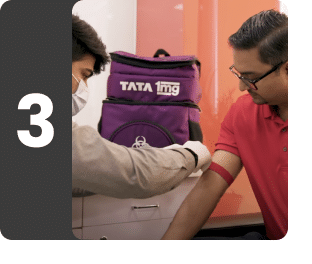
Safe Sample Collection
Our phlebotomists follow strict safety protocols to collect samples safely at home and on time.

Sample received at lab
Samples are transported securely to our accredited labs with world-class machines for testing by qualified experts.

Quick, Doctor-Verified Reports
Get doctor-approved reports via email and WhatsApp, with options for doctor follow-ups and AI insights.



References
- Stool Culture [Internet]. Rochester, NY: University of Rochester Medical Center; [Accessed 05 Jun. 2024]. Available from:

- Lee JY, Cho SY, Hwang HSH, Ryu JY, Lee J, Song ID, Kim BJ, Kim JW, Chang SK, Choi CH. Diagnostic yield of stool culture and predictive factors for positive culture in patients with diarrheal illness. Medicine (Baltimore). 2017 Jul;96(30):e7641. [Accessed 05 Jun. 2024]. Available from:
- Giuliano C, Patel CR, Kale-Pradhan PB. A Guide to Bacterial Culture Identification And Results Interpretation. P T. 2019 Apr;44(4):192-200. PMID: 30930604; PMCID: PMC6428495. [Accessed 05 Jun. 2024]. Available from:
- Erlandson KM, Liu J, Johnson R, Dillon S, Jankowski CM, Kroehl M, Robertson CE, Frank DN, Tuncil Y, Higgins J, Hamaker B, Wilson CC. An exercise intervention alters stool microbiota and metabolites among older, sedentary adults. Ther Adv Infect Dis. 2021 Jun 25;8:20499361211027067. [Accessed 05 Jun. 2024]. Available from:
Contains 1 test
Report delivery
Samples required
Preparations
Why is this test booked?
Coupon details
Available Offers