Catecholamines
Also referred as
Catecholamines Blood Test
+2
Epinephrine
Nor-epinephrine

For men & women
Earliest reports in

216 hours

Contains

2 tests
Test price:
₹7069
9% off
Get it at ₹6009 with coupon
Apply coupon 1MGNEWG during checkout


More offers available

Know more about this test

The Catecholamines test is a blood test that measures the levels of catecholamine hormones (adrenaline and noradrenaline) produced by the adrenal glands. This test supports the evaluation of catecholamine excess when interpreted with clinical findings and confirmatory tests.


Samples required
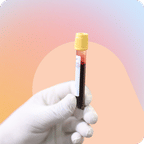
Blood

Find out
Why is this test booked?
Preparation for this test

Sample Collection
Who will collect your samples?
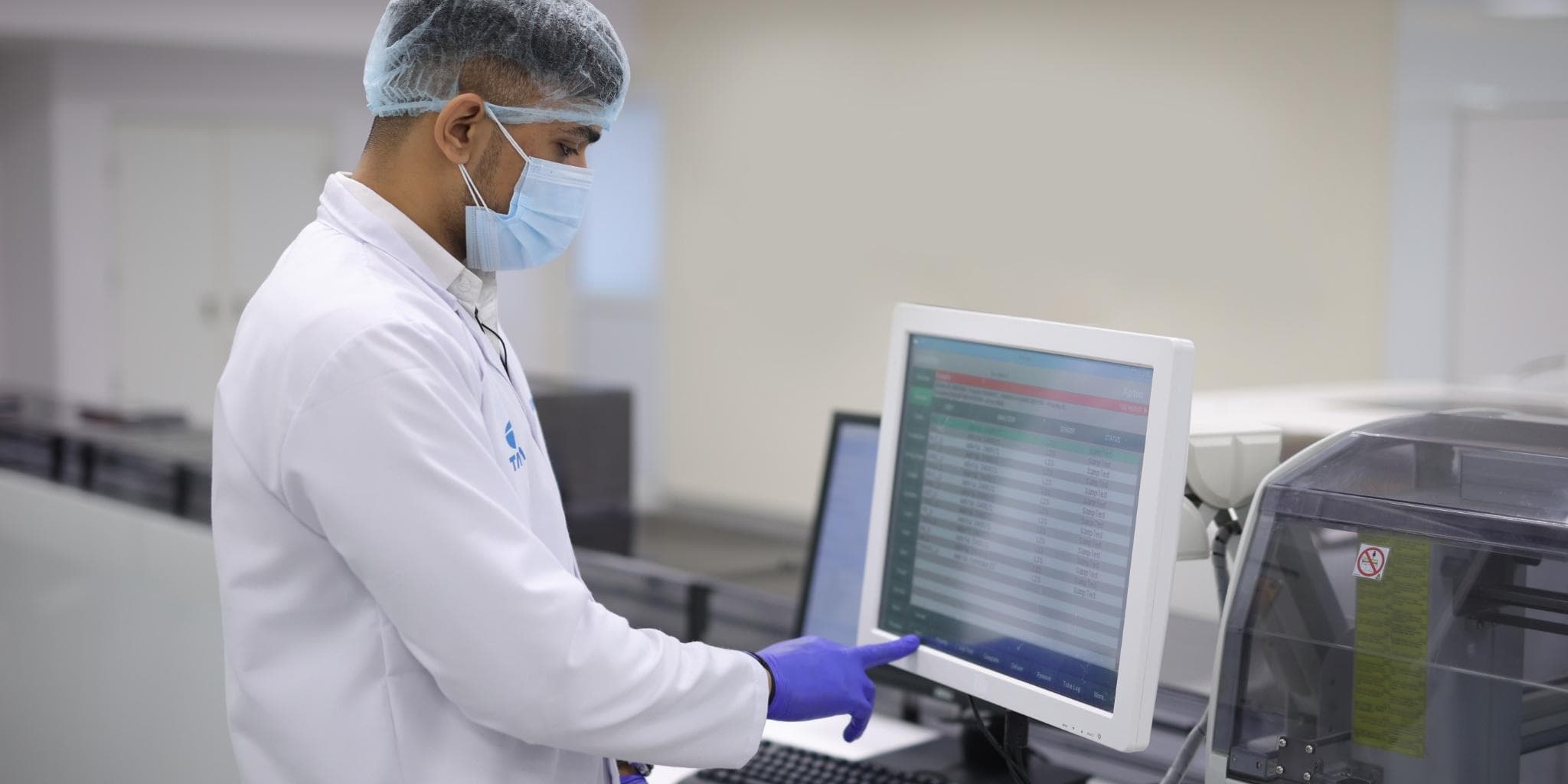
Conducted by

NABL accredited partner lab


Accredited
labs
Highly skilled
Phlebos
Verified
reports
Who will collect your samples?
Tata 1mg certified phlebotomists
Know more about lab
Frequently booked together





Test Information is reviewed by: Dr. Swati Gupta (Anand), MBBS, MD Lab Medicine and written by Shweta Prakash, MSc, BSc . The test details are for information purpose only. Consult a doctor before taking any test. Last updated on: 14th May 2026
Did you find information useful ?
 YES (1)
 NO
NO 
Book a Comprehensive CNS Cancer Panel test at home near me
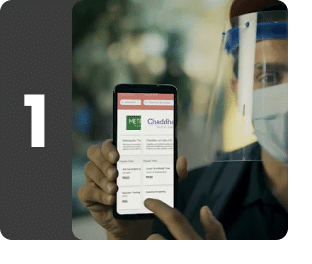
Easy online booking
Search for tests and packages, book your preferred time slot and enter your address for seamless at-home lab tests.
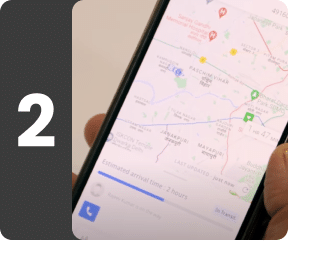
Live tracking of phlebotomist
Track our trained phlebotomist's real time location for seamless sample collection.
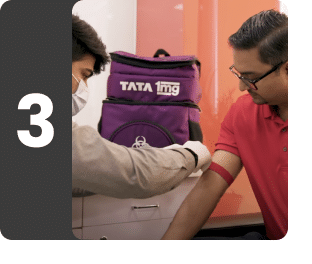
Safe Sample Collection
Our phlebotomists follow strict safety protocols to collect samples safely at home and on time.
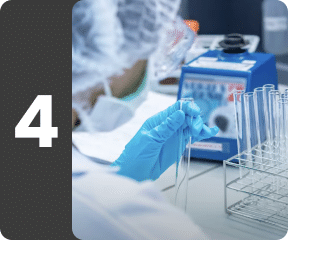
Sample received at lab
Samples are transported securely to our accredited labs with world-class machines for testing by qualified experts.
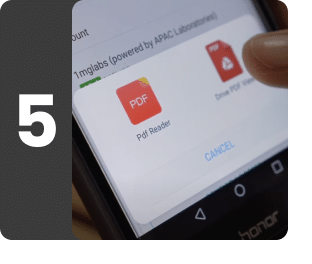
Quick, Doctor-Verified Reports
Get doctor-approved reports via email and WhatsApp, with options for doctor follow-ups and AI insights.



References
- Khalil B, Rosani A, Warrington SJ. Physiology, Catecholamines. [Updated 2024 Dec 11]. In: StatPearls [Internet]. Treasure Island (FL): StatPearls Publishing; 2025 Jan-. Available from:

- Kamal S, Lappin SL. Biochemistry, Catecholamine Degradation. [Updated 2023 Aug 28]. In: StatPearls [Internet]. Treasure Island (FL): StatPearls Publishing; 2025 Jan-. Available from:
- Pacak K, Tella SH, Iyer AG. Pheochromocytoma and Paraganglioma. [Updated 2025 Jul 21]. In: Feingold KR, Ahmed SF, Anawalt B, et al., editors. Endotext [Internet]. South Dartmouth (MA): MDText.com, Inc.; 2000-. Available from:

Recommended for everyone
This package is designed with everyone’s overall health considerations in mind, offering assessments to address a wide range of wellness needs.
Contains 2 tests
Report delivery
Standard time
216 hrs
For slots after 11 AM, report will be delivered in 216 hours.
Samples required
Blood
Our phlebotomist will draw a blood sample, typically from a vein in your inner elbow.
Preparations
1
Clinical history is preferred.
Why is this test booked?
1
To evaluate suspected catecholamine excess.
2
To support the diagnosis of a paraganglioma, an extra-adrenal tumor.
3
When an individual has symptoms such as high blood pressure, palpitations, headaches, or excessive sweating.
4
If there is a family history of adrenal or related tumors, as a precautionary measure.
Coupon details
Get it at ₹6009 with coupon
Get upto 15% off on your lab tests
Maximum discount: ₹1500
1MGNEWG

10% off
₹999

13% off
₹3000
15% off
₹5000
Available Offers
Get additional upto 15% off
Get upto 15% off on your lab tests
Maximum discount: ₹1500
1MGNEWG
Upto Rs 650 off on all lab tests
Get Upto Rs 650 off on all lab tests
Maximum discount: ₹650
1MGSUPER
Who's behind your sample collection?




MEET YOUR PHLEBO

Certified & experienced professionals
Tata 1mg phlebotomists are DMLT / B.Sc MLT certified and have 1+ years of experience
Best in-class collections
Tata 1mg phlebotomists are trained for painless, single-prick hygienic sample collection

Comprehensive expertise
Other than sample collection, our phlebos are also skilled in first aid, ECG & BP monitoring
WHAT OUR CUSTOMERS ARE SAYING
Pain Free collection
~ Govindaraj M

PERFECT SERVICE....
~ AMIT ANAND 7330002602
Excellent service by the techician
~ Rahul.R
The technician's behaviour and conduct was kind and professional. He ensured safety procedures were explained and followed. The collection of sample was done well in time as requested.
~ Richa
Very nice 👍
~ PANKAJ SHARMA 7310002964
Good service
~ PANKAJ BET
Good and efficient.
~ Madhumita Sen
Good service
~ YASH PANKAJ BET
Efficient technician
~ Jude Dsouza
Good experience
~ Rony Dominic Thomas