Sign in to your account
or
By signing in you agree to our
Terms & conditions
 and 
Privacy policy

ASMA (Anti Smooth Muscle Antibody) - IFA

Also referred as
Smooth Muscle Antibody
Actin Antibody
xyz people viewed recently
157+ booked recently
For men & women
Earliest reports in
192 hours
Contains
1 test
Test price:
₹1709
Get it at ₹1538 with coupon
Apply coupon 1MGNEWG during checkout
arrow
Know when you'll get your report
For sample collection between
6 AM - 1 PM
1 PM - 10 PM
Reporting in
192hrs
discount_stamp
More offers available
Know more about this test

<font color='#864291'>Know more about this test</font>

The ASMA (Anti Smooth Muscle Antibody) - IFA test is a blood test used to detect the presence of autoantibodies (antibodies that mistakenly target an individual’s own cells and tissues) made against smooth muscle cells, often in the liver. This test helps in the diagnosis of autoimmune liver diseases, particularly autoimmune hepatitis (AIH). By identifying these antibodies, doctors can assess liver health and tailor appropriate treatment strategies. 

Samples required
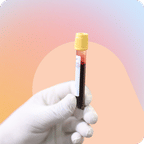
Blood

Find out
Why is this test booked?

Preparation for this test

Sample Collection
Who will collect your samples?
Conducted by

know_more_icon
Tata 1mg Labs
chevron
most trusted lab
Accredited labs
Highly skilled Phlebos
Verified reports
Who will collect your samples?
Tata 1mg certified phlebotomists
View phlebo details

Understanding ASMA (Anti Smooth Muscle Antibody) - IFA

Anti-smooth muscle antibodies (ASMA) attack the liver's smooth muscle tissue cells and are primarily associated with autoimmune diseases like autoimmune hepatitis (AIH). However, these antibodies can be found in diseases like infectious mononucleosis, rheumatic diseases, and different types of cancer. 

The presence of ASMA in the blood is a critical marker in the diagnosis of autoimmune hepatitis (AIH). AIH occurs when the antibodies attack the liver, causing inflammation and damage. It can exhibit late onset and can mimic viral hepatitis symptoms like fatigue, nausea, vomiting, joint and abdominal pain, jaundice, dark urine, and pale stools. It can also present with non-specific symptoms such as fatigue, weight loss, and diarrhea which could be associated with other liver diseases, or be discovered incidentally through abnormal liver function tests (LFT). AIH should be considered when no other clear diagnosis is reached. The ASMA (Anti Smooth Muscle Antibody) - IFA test also helps detect other autoimmune liver diseases like primary biliary cirrhosis (PBC) and primary sclerosing cholangitis (PSC), though different autoantibodies are primarily associated with these conditions.

The ASMA (Anti Smooth Muscle Antibody) - IFA test detects Immunoglobulin G (IgG) antibodies targeting actin filaments in smooth muscle cells using the sensitive, gold standard indirect immunofluorescence Assay (IFA) method. If ASMAs are present, they bind to their target antigen in the tissue sample. Subsequently, a fluorescent dye such as fluorescein isothiocyanate (FITC) is then added which highlights the presence of ASMA in the form of a distinctive pattern of fluorescence under the fluorescent microscope.

This test is meant for screening purposes only and is not intended as a standalone test. It should be used in conjunction with clinical evaluation and other laboratory tests, including liver function test (LFT), liver biopsies, etc, to make a definitive diagnosis. 

An overnight fasting (8 to 12 hours) is preferred before the ASMA (Anti Smooth Muscle Antibody) - IFA. However, drinking water is acceptable. Also, it is important to refrain from alcohol consumption the day before the test. Inform your doctor about all the medicines and supplements that you may be taking, as some of them may affect the test results and may need to be adjusted or temporarily discontinued before the test. 

Test result ranges may vary across different laboratories. Abnormal test results require an expert interpretation, therefore, never try to self-medicate at home based solely on these results, and always consult a doctor for proper understanding of the test results. 

See more

What does ASMA (Anti Smooth Muscle Antibody) - IFA measure?

The ASMA (Anti Smooth Muscle Antibody) - IFA test measures the levels of anti-smooth muscle antibodies (ASMA) in the blood. These antibodies primarily target the smooth muscle cells within the body, particularly those found in organs like the liver. The presence of these antibodies in the blood indicates an autoimmune activity, particularly in conditions like autoimmune hepatitis (AIH) where the immune system of the body mistakenly attacks the liver cells. Additionally, the ASMA (Anti Smooth Muscle Antibody) - IFA test may be used to detect other autoimmune liver conditions such as primary biliary liver cirrhosis (PBC) and to distinguish between various liver disorders with similar symptoms. This screening test helps in the early detection and timely initiation of treatment against autoimmune hepatitis to prevent further damage to the liver. 

Did you find information useful ?
yesYES (1)
noNO

ASMA (Anti Smooth Muscle Antibody) - IFA test price for other cities

Price inMumbaiRs. 1709
Price inNew DelhiRs. 1709
Price inBangaloreRs. 2069
Price inPuneRs. 2079
Price inNoidaRs. 1810
Book a ASMA (Anti Smooth Muscle Antibody) - IFA test at home near me

Easy online booking
Easy online booking
Search for tests and packages, book your preferred time slot and enter your address for seamless at-home lab tests.

Live tracking of phlebotomist
Track our trained phlebotomist's real time location for seamless sample collection.

Safe Sample Collection
Our phlebotomists follow strict safety protocols to collect samples safely at home and on time.
Sample received at lab
Samples are transported securely to our accredited labs with world-class machines for testing by qualified experts.

Quick, Doctor-Verified Reports
Get doctor-approved reports via email and WhatsApp, with options for doctor follow-ups and AI insights.

FAQs related to ASMA (Anti Smooth Muscle Antibody) - IFA

The ASMA (Anti Smooth Muscle Antibody) - IFA test is primarily used to help diagnose autoimmune hepatitis, a condition where the immune system mistakenly attacks the liver cells. It can also help evaluate other autoimmune conditions affecting smooth muscles.
One should consider getting tested for the ASMA (Anti Smooth Muscle Antibody) - IFA test if experiencing symptoms suggestive of autoimmune hepatitis like fatigue, jaundice, changes in appetite, abdominal pain, joint pain, etc., or if there are unexplained abnormalities in liver function tests (LFT). Additionally, if there is a family history of autoimmune diseases, or if diagnosed with other autoimmune conditions.
A phlebotomist (a trained professional to perform blood draws) will clean your skin using an antiseptic alcohol cotton swab or wipe and take blood samples from your vein using a needle. The blood sample will be stored safely and transported to the laboratory for analysis.
No, the ASMA test is generally safe with minimal risks. However, you may feel slight discomfort during blood sample collection but chances of serious complications are extremely rare.
A positive ASMA result indicates the presence of antibodies against smooth muscle. This is commonly associated with autoimmune hepatitis but can be linked to other autoimmune disorders.
ASMA levels are used to diagnose autoimmune hepatitis, evaluate the severity of the disease, and monitor the response to treatment. Regular testing can help adjust treatment plans if needed.
Autoimmune hepatitis is classified into two types: Type 1 is the most prevalent type of the illness, affecting people who already have another autoimmune disease. On the other hand, Type 2 is a less prevalent variant of the condition that primarily affects girls aged 2 to 14 years. 
Untreated autoimmune hepatitis can result in irreversible scarring of the liver tissue known as cirrhosis. It can also lead to problems such as vein enlargement, liver failure, or cancer.
Despite detecting autoimmune hepatitis, the ASMA test can assist a doctor in determining whether an individual has a liver condition such as primary biliary cirrhosis, or primary sclerosing cholangitis. However, it can also indicate chronic hepatitis C infection, infectious mononucleosis, breast or ovarian cancer, or melanoma.
References
  1. Autoimmune Hepatitis [Internet]. USA: NIDDK; Apr.2023 [Accessed 27 Mar. 2024]. Available from:
  2. Autoimmune Hepatitis [Internet]. Rochester, NY: University of Rochester Medical Center; [Accessed 27 Mar. 2024]. Available from:
  3. Terziroli Beretta-Piccoli B, Mieli-Vergani G, Vergani D. Autoimmune Hepatitis: Serum Autoantibodies in Clinical Practice. Clin Rev Allergy Immunol. 2022 Oct;63(2):124-137. [Accessed 27 Mar. 2024]. Available from:
  4. Sebode M, Weiler-Normann C, Liwinski T, Schramm C. Autoantibodies in Autoimmune Liver Disease-Clinical and Diagnostic Relevance. Front Immunol. 2018 Mar 27;9:609. [Accessed 27 Mar. 2024]. Available from:
  5. Mercado LA, Gil-Lopez F, Chirila RM, Harnois DM. Autoimmune Hepatitis: A Diagnostic and Therapeutic Overview. Diagnostics (Basel). 2024 Feb 9;14(4):382. [Accessed 27 Mar. 2024]. Available from:
  6. Zamanou A, Tsirogianni A, Terzoglou C, Balafas A, Economidou I, Lymberi P. Anti-smooth muscle antibodies (ASMAs) and anti-cytoskeleton antibodies (ACTAs) in liver diseases: a comparison of classical indirect immunofluorescence with ELISA. J Clin Lab Anal. 2002;16(4):194-201. [Accessed 27 Mar. 2024]. Available from:
  7. Zhang WC, Zhao FR, Chen J, Chen WX. Meta-analysis: diagnostic accuracy of antinuclear antibodies, smooth muscle antibodies and antibodies to a soluble liver antigen/liver pancreas in autoimmune hepatitis. PLoS One. 2014 Mar 20;9(3):e92267. [Accessed 27 Mar. 2024]. Available from:
  8. Muratori P, Muratori L, Agostinelli D, Pappas G, Veronesi L, Granito A, Cassani F, Terlizzi P, Lenzi M, Bianchi FB. Smooth muscle antibodies and type 1 autoimmune hepatitis. Autoimmunity. 2002 Dec;35(8):497-500. [Accessed 27 Mar. 2024]. Available from:
  9. DermNet NZ. Indirect immunofluorescence [Internet]. [Accessed 27 Mar. 2024]. Available from:
  10. Terziroli Beretta-Piccoli B, Mieli-Vergani G, Vergani D. Autoimmune Hepatitis: Serum Autoantibodies in Clinical Practice. Clin Rev Allergy Immunol. 2022 Oct;63(2):124-137. [Accessed 27 Mar. 2024]. Available from:
Contains 1 test
Samples required
Preparations
Why is this test booked?
Coupon details
Available Offers