Tata 1mg logocart
Location
Location current
Search Icon
How can we help?
Alert icon
Allergy - Fruit Panel, ImmunoCAP

Allergy - Fruit Panel, ImmunoCAP

Also referred as
Allergy testing by ImmunoCAP
Fruit Allergy Test
For men & women
Earliest reports in
48 hours
Contains
9 tests
Know more about this test
<font color='#864291'>Know more about this test</font>

The Allergy - Fruit Panel, ImmunoCAP comprises a group of blood tests that measure specific immunoglobulin IgE and total IgE antibodies against various types of fruits. It uses the ImmunoCAP method to check for fruit allergies and helps doctors create a personalized treatment plan.

Samples required
Blood

Find out
Why is this test booked?

Preparations
No special preparation is required.

Sample Collection
Who will collect your samples?

Understanding Allergy - Fruit Panel, ImmunoCAP

Fruits like peach, apple, banana, kiwi, mango, papaya, pear, and pineapple are popular for their taste and nutrients. However, some people may have allergic reactions to these fruits. The Allergy - Fruit Panel, ImmunoCAP detects specific IgE antibodies that the immune system produces when reacting to proteins in these fruits. It helps confirm if the immune system is wrongly treating these fruits as harmful, causing allergies.

The Allergy - Fruit Panel, ImmunoCAP is recommended for individuals who experience symptoms such as swelling, itching, or discomfort in the mouth or throat. Other symptoms may include hives, nausea, stomach pain, or more severe reactions. These may occur after eating fruits like peaches, apples, bananas, kiwis, mangoes, papayas, pears, and pineapples. It helps distinguish fruit allergies from other conditions, such as food intolerances or oral allergy syndrome (OAS), which can cause reactions to raw fruits and vegetables due to cross-reactivity with pollen allergens.

Generally, no special preparation is required for the Allergy - Fruit Panel, ImmunoCAP. However, inform the doctor about any medications (such as antihistamines) being taken, as they might influence the test results.

A positive test result means the person is allergic to one or more fruits in the test, and they should avoid these fruits to prevent reactions. If the result is negative, more tests might be needed to find other causes of the symptoms.

Lab results can vary based on the test kit used, as different methods and allergens can affect the results. Therefore, these results should be looked at along with the allergy symptoms.

See more

What does Allergy - Fruit Panel, ImmunoCAP measure?

Contains 9 tests

The Allergy - Fruit Panel, ImmunoCAP measures the amount of specific IgE antibodies and total IgE antibodies in the blood. These antibodies are produced in response to proteins found in fruits like peaches, apples, bananas, kiwis, mangoes, papayas, pears, and pineapples. It is also important for diagnosing fruit allergies and distinguishing them from other conditions like food sensitivities or oral allergy syndrome (OAS).

It uses a precise method to measure these antibodies, which helps doctors understand the severity of the allergy and guides future treatment choices.

The Total IgE (Immunoglobulin E) test is used to quantify the total level of IgE antibodies in your blood. Immunoglobulins are antibodies (proteins) secreted by plasma cells (immune cells) when the body identifies a dangerous foreign substance like bacteria, viruses, or allergens. There are five basic forms of immunoglobulins: IgA, IgG, IgM, IgD, and IgE. Of these, IgE plays a primary role in allergic reactions to allergens such as pollen, dust, pet dander, mold, latex, some foods (such as eggs, peanuts, or strawberries), or insect stings.

Unlike other antibodies, IgE is primarily associated with immune responses to allergenic substances, such as plant pollen, latex, pet dander, mold, eggs, peanuts, bee venom, and strawberries. Typically, IgE is present in tiny amounts in the blood. When the immune system encounters an allergen, it triggers the production of IgE antibodies. The Total IgE test measures the concentration of these IgE antibodies in the blood, providing insights into the presence and severity of allergies.

Know more about Total IgE

The Allergen-Peach (Prunus Persica) test measures the amount of specific antibodies (IgE) in the body that react to peach proteins. This test is important for diagnosing peach allergies and distinguishing them from other conditions like food sensitivities or oral allergy syndrome (OAS). It helps doctors understand how severe the allergy might be, guiding the next steps in diagnosis and treatment.

Know more about Allergen-Peach (Prunus Persica)

The Allergen-Apple (Safarchand / Malus X Domestica) test measures the amount of specific antibodies (IgE) in the body that react to apple proteins. This test is important for diagnosing apple allergies and distinguishing them from other conditions like food sensitivities or oral allergy syndrome (OAS). It helps doctors understand how severe the allergy might be, guiding the next steps in diagnosis and treatment.

Know more about Allergen-Apple (Safarchand / Malus X Domestica)

The Allergen-Banana (Kela / Musa Spp.) test measures the amount of specific antibodies (IgE) in the body that react to banana proteins. This test is important for diagnosing banana allergies and distinguishing them from other conditions like food sensitivities or oral allergy syndrome (OAS). It helps doctors understand how severe the allergy might be, guiding the next steps in diagnosis and treatment.

Know more about Allergen-Banana (Kela / Musa Spp.)

The Allergen-Kiwi Fruit (Actinidia Deliciosa) test measures the amount of specific antibodies (IgE) in the body that react to kiwi proteins. This test is important for diagnosing kiwi allergies and distinguishing them from other conditions like food sensitivities or oral allergy syndrome (OAS). It helps doctors understand how severe the allergy might be, guiding the next steps in diagnosis and treatment. This test is a highly accurate and reliable method for quantifying IgE antibodies, providing valuable insights into the severity of the allergic response and guiding further diagnostic and treatment decisions. 

Know more about Allergen-Kiwi Fruit (Actinidia Deliciosa)

The Allergen-Mango (Mangifera Indica) test measures the amount of specific antibodies (IgE) in the body that react to mango proteins. This test is important for diagnosing mango allergies and distinguishing them from other conditions like food sensitivities or oral allergy syndrome (OAS). It helps doctors understand how severe the allergy might be, guiding the next steps in diagnosis and treatment. This test is a highly accurate and reliable method for quantifying IgE antibodies, providing valuable insights into the severity of the allergic response and guiding further diagnostic and treatment decisions. 

Know more about Allergen-Mango (Mangifera Indica)

The Allergen-Papaya (Carica Papaya) test measures the amount of specific antibodies (IgE) in the body that react to papaya proteins. This test is important for diagnosing papaya allergies and distinguishing them from other conditions like food sensitivities or oral allergy syndrome (OAS). It helps doctors understand how severe the allergy might be, guiding the next steps in diagnosis and treatment. This test is a highly accurate and reliable method for quantifying IgE antibodies, providing valuable insights into the severity of the allergic response and guiding further diagnostic and treatment decisions. 

Know more about Allergen-Papaya (Carica Papaya)

The Allergen-Pear (Pyrus Communis) test measures the amount of specific antibodies (IgE) in the body that react to pear proteins. This test is important for diagnosing pear allergies and distinguishing them from other conditions like food sensitivities or oral allergy syndrome (OAS). It helps doctors understand how severe the allergy might be, guiding the next steps in diagnosis and treatment. This test is a highly accurate and reliable method for quantifying IgE antibodies, providing valuable insights into the severity of the allergic response and guiding further diagnostic and treatment decisions. 

Know more about Allergen-Pear (Pyrus Communis)

The Allergen-Pineapple (Ananas) test measures the amount of specific antibodies (IgE) in the body that react to pineapple proteins. This test is important for diagnosing pineapple allergies and distinguishing them from other conditions like food sensitivities or oral allergy syndrome (OAS). It helps doctors understand how severe the allergy might be, guiding the next steps in diagnosis and treatment. This test is a highly accurate and reliable method for quantifying IgE antibodies, providing valuable insights into the severity of the allergic response and guiding further diagnostic and treatment decisions. 

Know more about Allergen-Pineapple (Ananas)

FAQs related to Allergy - Fruit Panel, ImmunoCAP

This panel helps find out if you are allergic to fruits like peaches, apples, bananas, kiwis, mangos, papayas, pears, and pineapples. Knowing which fruits cause your reactions can help you manage your symptoms and avoid serious problems.
You may need the Allergy - Fruit Panel, ImmunoCAP if you exhibit symptoms such as nausea, diarrhea, abdominal pain, sneezing, itchy and watery eyes, a stuffy and runny nose, hives (rashes with raised red patches), shortness of breath, coughing, wheezing, vomiting, etc., after consuming certain food items that are covered in this allergy testing panel.
Yes, the Allergy - Fruit Panel, ImmunoCAP is a safe and noninvasive blood test. There are no significant risks associated with having blood drawn for this test.
A blood sample is taken to check for total IgE levels and specific IgE antibodies to the fruits in the test. The sample is tested using the ImmunoCAP method, which gives accurate results about your fruit allergies.
If the result is positive, it means you have an allergy to one or more fruits tested. If the result is negative, it means no allergy was found to those fruits, and your symptoms might be caused by something else.
If you have a fruit allergy, you should avoid the specific fruits that cause the allergy to prevent reactions. Your doctor might also recommend medicine or changes in your diet to help manage your symptoms.
The panel includes the most common fruits like kiwi, melon, banana, apple, pineapple, pear, papaya and peach. However, if you suspect an allergy to other fruits not included in the panel, your doctor may recommend additional testing.
Tata 1mg ensures accurate lab test results through certified laboratories that use advanced technology and adhere to stringent quality control measures. This commitment to high standards guarantees reliable results.

Allergy - Fruit Panel, ImmunoCAP test price for other cities

Price inAhmedabadRs. 3610chevron right
Price inAligarhRs. 5999chevron right
Price inAllahabadRs. 3609chevron right
Price inAmritsarRs. 5999chevron right
Price inAsansolRs. 5999chevron right

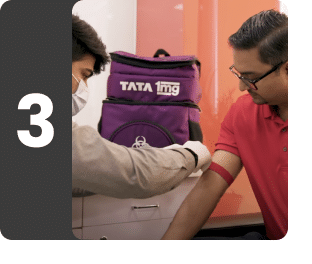
How does home sample collection work?

References

  1. 1
  2. 2
  3. 3
  4. 4
  5. 5
  6. 6
  7. 7

Download the Tata 1mg app. Trusted healthcare, at your fingertips.

Book tests, track reports, and get AI-powered health insights.

Download on the App Store
Get it on Google Play
or
Scan QR to download the app
Conducted by
know_more_icon
Tata 1mg Labs
chevron
most_trusted_lab
Accredited labs
Highly skilled Phlebos
Verified reports
Who will collect your samples?
Tata 1mg certified phlebotomists
View phlebo details
Contains 9 tests
Total IgE
Allergen-Peach (Prunus Persica)
Allergen-Apple (Safarchand / Malus X Domestica)
Allergen-Banana (Kela / Musa Spp.)
Allergen-Kiwi Fruit (Actinidia Deliciosa)
Allergen-Mango (Mangifera Indica)
Allergen-Papaya (Carica Papaya)
Allergen-Pear (Pyrus Communis)
Allergen-Pineapple (Ananas)
Alert icon