







Cholesterol - Total
Also referred as
Blood Cholesterol

4,506+ booked recently

For men & women
Fastest Reports in

7 hrs

Contains

1 test

Test price:
₹159
Upto 15% extra discount with coupon
Min. order value: ₹5000 | Coupon: 1MGNEWG

Know when you'll get your report
For sample collection between
Reporting in
7hrs


More offers available

Know more about this test

The Cholesterol - Total test measures the total amount of cholesterol (fats) in the blood. This test helps analyze your overall heart health and monitor the effectiveness of any ongoing cholesterol-lowering treatment. It is a single test, often done as part of the lipid profile test.


Samples required
Blood

Find out
Why is this test booked?

Preparations
No special preparation is required.

Sample Collection
Who will collect your samples?
Conducted by
Tata 1mg Labs


Accredited
labs
Highly skilled
Phlebos
Verified
reports
Who will collect your samples?
Tata 1mg certified phlebotomists
Packages containing Cholesterol - Total

Comprehensive Gold Package with ECG & USG Whole Abdomen
Contains 88 testsGet reports within 12-15 hrs
₹3999
Comprehensive Platinum Package with ECG, USG Whole Abdomen & 2D-Echo
Contains 102 testsGet reports within 12-15 hrs
₹6666

Comprehensive Gold Full Body Checkup with Smart Report
Contains 86 testsReport in 7 hrs

₹2499

Good Health Silver Package with Smart Report
Contains 65 testsReport in 7 hrs
₹749

Comprehensive Silver Full Body Checkup with Smart Report
Contains 80 testsReport in 7 hrs
₹1999

Comprehensive Platinum Full Body Checkup with Smart Report
Contains 100 testsGet reports within 12-24 hrs
₹3999

Good Health Platinum Package with Smart Report
Contains 74 testsReport in 7 hrs
₹1499

Good Health Gold Package with Smart Report
Contains 72 testsReport in 7 hrs
₹999

Winter Special Package
Contains 84 testsGet reports within 12-24 hrs
₹2549

Fitness Advanced Package for Women with Smart Report
Contains 89 testsGet reports within 36-48 hrs
₹3999
Test Information is reviewed by: Dr. Hitesh Tiwari, MD Pathology, MBBS and written by Rishabh Kumar, MBA, B.Pharm . The test details are for information purpose only. Consult a doctor before taking any test. Last updated on: 28th Sep 2026
Did you find information useful ?
 YES (16)
 NO (1)
Book a Cholesterol - Total test at home near me
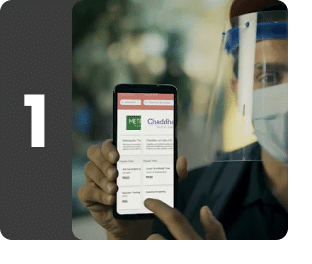
Easy online booking
Search for tests and packages, book your preferred time slot and enter your address for seamless at-home lab tests.
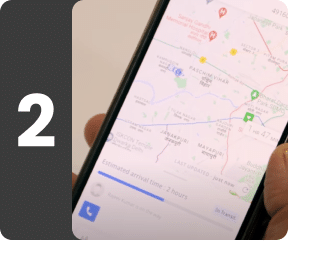
Live tracking of phlebotomist
Track our trained phlebotomist's real time location for seamless sample collection.
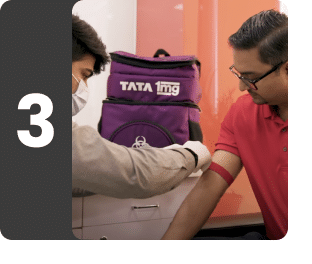
Safe Sample Collection
Our phlebotomists follow strict safety protocols to collect samples safely at home and on time.
Sample received at lab
Samples are transported securely to our accredited labs with world-class machines for testing by qualified experts.
Quick, Doctor-Verified Reports
Get doctor-approved reports via email and WhatsApp, with options for doctor follow-ups and AI insights.



References
- Gofman JW, Lindgren F. The role of lipids and lipoproteins in atherosclerosis. Science. 1950 Feb 17;111(2877):166-71. [Accessed 16 Jul. 2023]. Available from:

- Law MR, Wald NJ, Rudnicka AR. Quantifying effect of statins on low density lipoprotein cholesterol, ischaemic heart disease, and stroke: systematic review and meta-analysis. BMJ. 2003 Jun 28;326(7404):1423. [Accessed 16 Jul. 2023]. Available from:
Contains 1 test
Samples required
Preparations
Why is this test booked?
Coupon details
Available Offers