







 असली
असलीप्रामाणिकता सुनिश्चित
 डॉक्टर की पर्ची
ज़रूरी है
थेथिस गम पेंट एक टॉपिकल ओरल सोल्यूशन है जिसका इस्तेमाल मुंह के छाले, दांतों में कैविटी, और मसूड़ों में सूजन और ब्लीडिंग सहित विभिन्न डेंटल और ओरल हेल्थ समस्याओं के इलाज के लिए किया जाता है. यह रोग पैदा करने वाले बैक्टीरिया को कम करता है, जलन को शांत करता है और जल्दी ठीक होने में मदद करता है.
लेखक डॉ. लिपिका खुराना, पीजीडीएचएचएम, बीडीएस,
समीक्षक डॉ. राजीव शर्मा, एमबीए, एमबीबीएस,
लास्ट अपडेटेड on 10 सितंबर 2026 | 01:02 AM (Ist)
लेखक डॉ. लिपिका खुराना, पीजीडीएचएचएम, बीडीएस,
समीक्षक डॉ. राजीव शर्मा, एमबीए, एमबीबीएस,
लास्ट अपडेटेड on 10 सितंबर 2026 | 01:02 AM (Ist)
अतिरिक्त ऑफ़र के साथ अधिक बचत करें

Mobikwik UPI (@ikwik) के साथ न्यूनतम ₹.599/- के ट्रांज़ैक्शन पर ₹.150 तक का कैशबैक पाएं.
Mobikwik UPI (@ikwik) के साथ न्यूनतम ₹.599/- के ट्रांज़ैक्शन पर ₹.150 तक का कैशबैक पाएं.


₹499 और उससे अधिक की न्यूनतम ऑर्डर वैल्यू (MOV) पर ₹75 तक का कैशबैक पाएं, प्रति कस्टमर एक बार मान्य.
₹499 और उससे अधिक की न्यूनतम ऑर्डर वैल्यू (MOV) पर ₹75 तक का कैशबैक पाएं, प्रति कस्टमर एक बार मान्य.
₹499 और उससे अधिक की न्यूनतम ऑर्डर वैल्यू (MOV) पर ₹75 तक का कैशबैक पाएं, प्रति कस्टमर एक बार मान्य.
₹499 और उससे अधिक की न्यूनतम ऑर्डर वैल्यू (MOV) पर ₹75 तक का कैशबैक पाएं, प्रति कस्टमर एक बार मान्य.
Mobikwik UPI (@ikwik) के साथ न्यूनतम ₹.599/- के ट्रांज़ैक्शन पर ₹.150 तक का कैशबैक पाएं.
Mobikwik UPI (@ikwik) के साथ न्यूनतम ₹.599/- के ट्रांज़ैक्शन पर ₹.150 तक का कैशबैक पाएं.
₹499 और उससे अधिक की न्यूनतम ऑर्डर वैल्यू (MOV) पर ₹75 तक का कैशबैक पाएं, प्रति कस्टमर एक बार मान्य.
₹499 और उससे अधिक की न्यूनतम ऑर्डर वैल्यू (MOV) पर ₹75 तक का कैशबैक पाएं, प्रति कस्टमर एक बार मान्य.
₹499 और उससे अधिक की न्यूनतम ऑर्डर वैल्यू (MOV) पर ₹75 तक का कैशबैक पाएं, प्रति कस्टमर एक बार मान्य.
₹499 और उससे अधिक की न्यूनतम ऑर्डर वैल्यू (MOV) पर ₹75 तक का कैशबैक पाएं, प्रति कस्टमर एक बार मान्य.
न्यूनतम ₹1000 के ट्रांज़ैक्शन पर ₹150 का सीधा ट्रांज़ैक्शन.
न्यूनतम ₹1000 के ट्रांज़ैक्शन पर ₹150 का सीधा ट्रांज़ैक्शन.

₹300 तक का सुनिश्चित कैशबैक. शर्तें लागू*
₹300 तक का सुनिश्चित कैशबैक. शर्तें लागू*
एयरटेल पेमेंट्स बैंक के पहली बार उपयोग करने वाले यूज़र के लिए न्यूनतम ₹1000 के ट्रांज़ैक्शन पर 200 तक का 10% कैशबैक.
एयरटेल पेमेंट्स बैंक के पहली बार उपयोग करने वाले यूज़र के लिए न्यूनतम ₹1000 के ट्रांज़ैक्शन पर 200 तक का 10% कैशबैक.
सामान्य जानकारी

अपनी भाषा चुनें हिंदी



सुरक्षा संबंधी सलाह

अल्कोहल
किसी प्रभाव की जानकारी प्राप्त/उपलब्ध नहीं है

गर्भावस्था
डॉक्टर की सलाह पर सुरक्षित
गर्भावस्था के दौरान थेथिस गम पेंट का इस्तेमाल सुरक्षित है. अधिकांश अध्ययनों से पता चला है कम या विकासशील बच्चे के लिए कोई जोखिम नहीं.

स्तनपान
डॉक्टर की सलाह पर सुरक्षित
अब तक इंसानों पर हुए अध्ययनों के अनुसार, यह दवा माँ के दूध में बहुत कम मात्रा में पहुँचती है, इसलिए बच्चे पर इसके नुकसानदायक असर होने की संभावना काफी कम मानी जाती है.

ड्राइविंग
किसी प्रभाव की जानकारी प्राप्त/उपलब्ध नहीं है
किडनी
किसी प्रभाव की जानकारी प्राप्त/उपलब्ध नहीं है
लिवर
किसी प्रभाव की जानकारी प्राप्त/उपलब्ध नहीं है

Related products
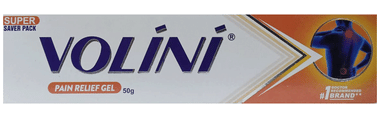
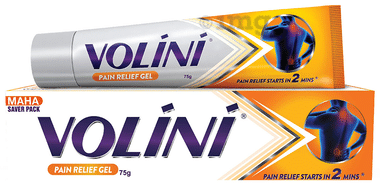
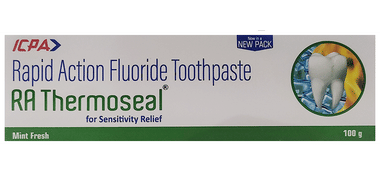
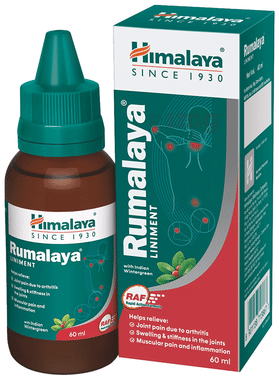
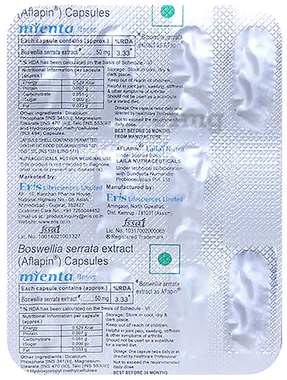
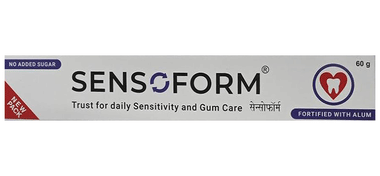
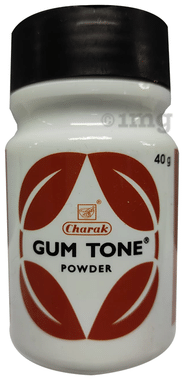
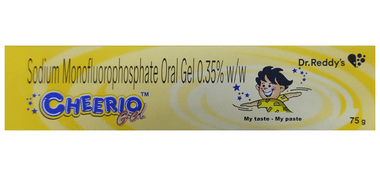
Products related to Tethys Gum Paint
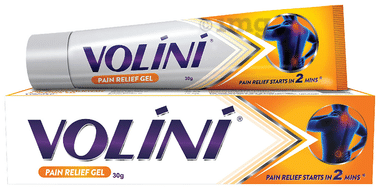


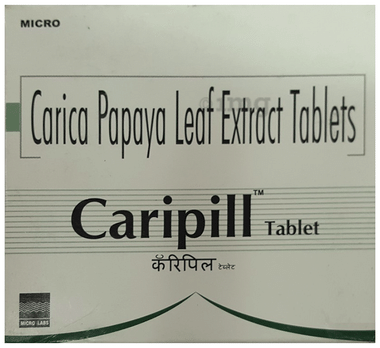

100% असली प्रोडक्ट

सुरक्षित भुगतान

संपर्क रहित डिलीवरी
पूरी तरह से सैनिटाइज्ड सुविधाएं

और अधिक जानना चाहते हैं
हम आपको प्रमाणिक, भरोसेमंद और प्रासंगिक जानकारी प्रदान करते हैं
क्या आपको यहां दी गई जानकारी से कोई समस्या है?
हमें डॉक्टर के पर्चे की आवश्यकता क्यों है?

