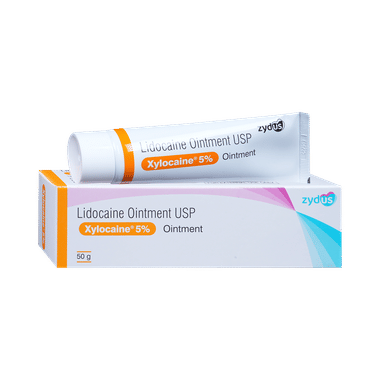


Lox 5% Ointment is a local anesthetic used to numb specific areas of skin or mucosa before minor procedures or to relieve pain from minor skin problems. It provides temporary pain relief from minor burns, abrasions, and insect bites.
Lox 5% Ointment is only for external use and should not be swallowed or ingested. Follow your doctor’s instructions for the best results. Do not use too much or too little, as that may increase the risk of side effects or decrease efficiency.
The most common side effects of this medicine include redness, rash, burning, and itching at the site of application. These are usually mild and short-lived. Consult your doctor if any of the side effects persist or worry you.
Before using it, inform your doctor if you are taking medicines for heart rhythm problems. Although medicines used on the skin are not normally affected by other medicines, you should let your doctor know if you are taking any other medicines to be safe. Ask your doctor for advice if you are pregnant or breastfeeding.
Uses of Lox Ointment
Local anesthesia (Numb tissues in a specific area)
Benefits of Lox Ointment
In Local anesthesia (Numb tissues in a specific area)
Lox 5% Ointment provides quick and effective numbing, allowing procedures to be carried out without discomfort. It helps patients stay comfortable and pain-free without affecting consciousness or sensation in the rest of the body.
Side effects of Lox Ointment
Most side effects do not require any medical attention and disappear as your body adjusts to the medicine. Consult your doctor if they persist or if you’re worried about them
Common side effects of Lox
Application site reactions (burning, irritation, itching and redness)
How to use Lox Ointment
This medicine is for external use only. Use it in the dose and duration as advised by your doctor. Check the label for directions before use. Clean and dry the affected area and gently massage the ointment.
How Lox Ointment works
Lox 5% Ointment is a local anesthetic. It works on the skin by blocking pain signals from the nerves to the brain. This numbs the area and decreases pain sensation.
Safety advice
Alcohol
No interaction found/established

Pregnancy
SAFE IF PRESCRIBED
Lox 5% Ointment is generally considered safe to use during pregnancy. Animal studies do not indicate harmful effects. However, there are limited human studies.
Breast feeding
CONSULT YOUR DOCTOR
Information regarding the use of Lox 5% Ointment during breastfeeding is not available. Please consult your doctor.
Driving
No interaction found/established

Kidney
No interaction found/established

Liver
No interaction found/established

What if you forget to take Lox Ointment?
If you miss a dose of Lox 5% Ointment, apply it as soon as you remember. However, if it is almost time for your next dose, skip the missed dose and resume your regular schedule. Do not apply extra to make up for a missed dose.
All substitutes
For informational purposes only. Consult a doctor before taking any medicines.
Do not eat or drink until normal sensation returns if Lox 5% Ointment is used in the mouth or throat, as numbness can increase the risk of choking or biting injuries.
Use the smallest amount needed and avoid frequent reapplication or very large areas.
Do not use other lidocaine products at the same time without medical advice.
Keep the treated area away from heat sources, such as heating pads or hot packs, because heat can increase the amount of medicine absorbed.
Wash your hands thoroughly after applying to avoid accidental contact with the eyes or other sensitive areas.
Fact Box
Chemical Class
M- xylenes
Habit Forming
No
Therapeutic Class
PAIN ANALGESICS
Action Class
Amide-Type Local Anesthetics
Interaction with drugs
Taking Lox with any of the following medicines can modify the effect of either of them and cause some undesirable side effects
watch out for symptoms such as breathlessness, fatigue, drowsiness, sedation or faintness or vomiting and consult your doctor if you experience them. Sotalol may raise blood levels... More
If concurrent use is essential, your doctor may monitor your treatment and adjust the doses as per the observations. Ondansetron may reduce blood levels of Lidocaine.
*Local anesthesia (Numb tissues in a specific area)
How much was the improvement?
Poor
100%
What were the side-effects while using Lox 5% Ointment?
Allergic reac*
100%
*Allergic reaction
FAQs
What is Lox 5% Ointment used for?
Lox 5% Ointment is used to the area being treated or to the medical equipment as part of a medical procedure. It helps numb specific areas of skin or mucosa before minor procedures. It also helps relieve pain from minor skin problems, such as minor burns, abrasions, and insect bites.
How long does it take for Lox 5% Ointment to work?
Lox 5% Ointment is applied at the start of a medical procedure and takes 3-5 minutes for the numbing effect to occur.
Is Lox 5% Ointment toxic?
If Lox 5% Ointment is used under the supervision of a doctor or as directed by your doctor, it is generally safe to use. However, using more than what is recommended may lead to some serious health issues, such as numbness of the mouth and throat if swallowed. This can lead to difficulty swallowing and even choking.
Want to share the information?
Disclaimer:
Tata 1mg's sole intention is to ensure that its consumers get information that is expert-reviewed, accurate and trustworthy. However, the information contained herein should NOT be used as a substitute for the advice of a qualified physician. The information provided here is for informational purposes only. This may not cover everything about particular health conditions, lab tests, medicines, all possible side effects, drug interactions, warnings, alerts, etc. Please consult your doctor and discuss all your queries related to any disease or medicine. We intend to support, not replace, the doctor-patient relationship.
References
Catterall WA, Mackie K. Local Anesthetics. In: Brunton LL, Chabner BA, Knollmann BC, editors. Goodman & Gilman’s: The Pharmacological Basis of Therapeutics. 12th ed. New York, New York: McGraw-Hill Medical; 2011. pp. 572-73.
Hume JR, Grant AO. Agents Used in Cardiac Arrhythmias. In: Katzung BG, Masters SB, Trevor AJ, editors. Basic and Clinical Pharmacology. 11th ed. New Delhi, India: Tata McGraw Hill Education Private Limited; 2009. pp. 238-39.
Briggs GG, Freeman RK, editors. A Reference Guide to Fetal and Neonatal Risk: Drugs in Pregnancy and Lactation. 10th ed. Philadelphia, PA: Wolters Kluwer Health; 2015. pp. 798-99.