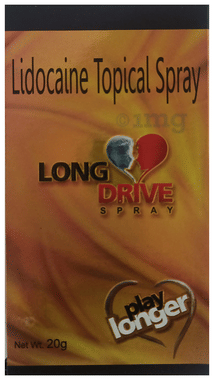
Lidocaine
Written By Dr. Swati MishraLast updated 25 Nov 2025 | 09:34 AM (UTC)
Lidocaine Uses
Available generics for Lidocaine
Order with generics and save upto 50%
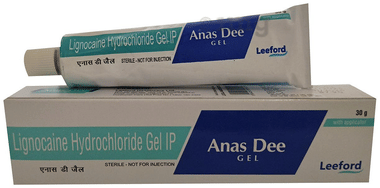
Show more

How Lidocaine works
Lidocaine is a local anesthetic. It works by blocking the transmission of pain signals from the nerves to the brain. This helps to decrease the sensation of pain.
Common side effects of Lidocaine
Allergic reaction, Application site reactions (burning, irritation, itching and redness)

Get medicines for Lidocaine

Want to Know More
Read Our Editorial PolicyMedicine brands for Lidocaine
Xynova
Troikaa Pharmaceuticals Ltd.
₹28 to ₹31
2 variant(s)
Nummit
Icpa Health Products Ltd
₹315 to ₹315
1 variant(s)
Loxicard
Neon Laboratories Ltd
₹55 to ₹55
1 variant(s)
Themicaine
Themis Medicare Ltd
₹28 to ₹28
1 variant(s)
Lignocad
Zydus Cadila
₹32 to ₹32
1 variant(s)
Lidfast
Samarth Life Sciences Pvt Ltd
₹33 to ₹33
1 variant(s)
Xylocaine Adrenaline
AstraZeneca
₹32 to ₹32
1 variant(s)
Lignox 2L
Indoco Remedies Ltd
₹30 to ₹30
1 variant(s)
Vigore Lido
German Remedies
₹159 to ₹159
1 variant(s)
Wocaine
Wockhardt Ltd
₹17 to ₹46
3 variant(s)
Expert advice for Lidocaine
- Lidocaine is prescribed to relieve itching and pain caused by scrapes, burns, rashes, bites and eczema.
- Apply it over the affected area with a clean fingertip, three to four times a day or as directed by your doctor.
- Do not apply it to broken or infected areas of skin, face, eyes or eyelids unless instructed to by your doctor.
- Do not cover the area being treated with airtight dressings such as bandages unless directed by a doctor, as this may increase the risk of side effects.
- Avoid contact with eyes, mouth, and nose. In case of accidental contact, rinse thoroughly with water.
- Consult your doctor if your skin condition has not improved after 2-4 weeks of treatment.
- Inform your doctor if you are pregnant, planning pregnancy or breastfeeding.
Frequently asked questions for Lidocaine
This medication is usually applied by a healthcare professional to the area being treated or to the medical equipment as part of a medical procedure. It helps to numb the area and reduces the discomfort associated with the insertion of medical instruments such as needles or catheters. It also helps to reduce the pain and inflammation in conditions such as heamorrhoids (piles) and anal fissures.
If Lidocaine is used under the supervision of a doctor or as directed by your doctor, it is generally safe to use. However, using more than what is recommended may lead to a number of serious health issues such as numbness of mouth and throat if swallowed. This can lead to difficulty swallowing and even choking.
Lidocaine is applied at the start of a medical procedure and takes 3-5 minutes for the numbing effect to occur.
Lidocaine should not be given to patients who are allergic to it, have decreased blood volume (hypovolemia), or complete heart block. If the solution also contains adrenaline, it should not be injected into a vein or used in areas such as fingers, toes, ears, nose or penis, as the blood supply to these areas may not be sufficient.
Lidocaine is safe for usage when applied topically as instructed by a doctor. Lidocaine in injectable formulation must not be self-medicated. Always follow the doctor's advice regarding its use.
Yes, but you should keep a minimum gap of 60 minutes between drug use and subsequent food intake.
No, this medicine is not approved for use in children below 18 years of age. It is advised to consult your doctor before giving this medicine to children.