







Loo Chek Oral Suspension
Racecadotril (10mg/5ml)
 Genuine
Authenticity Assured
 Prescription
required
Loo Chek Oral Suspension is a commonly prescribed medicine for the symptomatic treatment of acute diarrhea in infants and children. This medicine is usually given when diarrhea cannot be treated effectively with fluids and dietary measures. It reduces the amount of water and salts that are lost in the stools.
Written By Dr. Syeda Aafia, MBA, BDS,
Reviewed By Dr. Rajeev Sharma, MBA, MBBS,
Last updated on 29 Jan 2026 | 12:26 PM (IST)
Written By Dr. Syeda Aafia, MBA, BDS,
Reviewed By Dr. Rajeev Sharma, MBA, MBBS,
Last updated on 29 Jan 2026 | 12:26 PM (IST)
Save more with additional offers

Pay with Amazon Pay Balance and get cashback up to Rs. 75 with minimum cashback of Rs. 15
Pay with Amazon Pay Balance and get cashback up to Rs. 75 with minimum cashback of Rs. 15

Earn cashback up to Rs.75 with Amazon Pay Later
Earn cashback up to Rs.75 with Amazon Pay Later

Get upto Rs.500 Cashback on minimum transaction of Rs.999/- with Mobikwik Wallet.
Get upto Rs.500 Cashback on minimum transaction of Rs.999/- with Mobikwik Wallet.
Pay with Amazon Pay Balance and get cashback up to Rs. 75 with minimum cashback of Rs. 15
Pay with Amazon Pay Balance and get cashback up to Rs. 75 with minimum cashback of Rs. 15
Earn cashback up to Rs.75 with Amazon Pay Later
Earn cashback up to Rs.75 with Amazon Pay Later
Get upto Rs.500 Cashback on minimum transaction of Rs.999/- with Mobikwik Wallet.
Get upto Rs.500 Cashback on minimum transaction of Rs.999/- with Mobikwik Wallet.
Get upto Rs.150 Cashback on minimum transaction of Rs.599/- with Mobikwik UPI.
Get upto Rs.150 Cashback on minimum transaction of Rs.599/- with Mobikwik UPI.
Flat Rs.150 on a Min Transaction of Rs.1000.
Flat Rs.150 on a Min Transaction of Rs.1000.

Assured cashback up to ₹300 on minimum payment of ₹300 using Paytm UPI*
Assured cashback up to ₹300 on minimum payment of ₹300 using Paytm UPI*
General Information
Contains
Racecadotril (10mg/5ml)
Salt Synonyms
Acetorphan
Marketer
Seagull Pharmaceutical Pvt Ltd
Storage
Store below 30°C
The content is shown in English



Safety advice
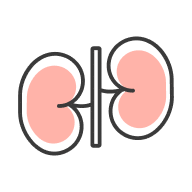
Kidney
UNSAFE
Loo Chek Oral Suspension is unsafe to use in patients with kidney disease and should be avoided.
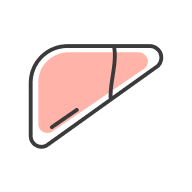
Liver
UNSAFE
Loo Chek Oral Suspension is unsafe to use in patients with liver disease and should be avoided.
Related lab tests
References
- Gordon M, Akobeng A. Racecadotril for acute diarrhoea in children: systematic review and meta-analyses. Arch Dis Child. 2016;101(3):234-40. [Accessed 20 Jan. 2021] (online) Available from:

- Patient Info. Racecadotril for acute diarrhoea in children. 2020. [Accessed 20 Jan. 2021] (online) Available from:
- Gharial J, Laving A, Were F. Racecadotril for the treatment of severe acute watery diarrhoea in children admitted to a tertiary hospital in Kenya. BMJ Open Gastroenterol. 2017;4(1):e000124. [Accessed 25 Jul. 2024] (online) Available from:
Related products
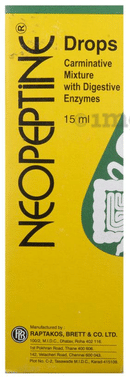
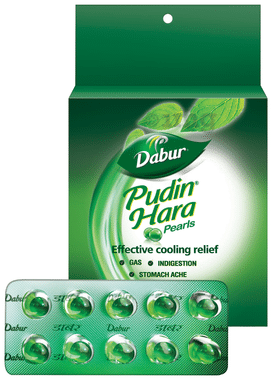
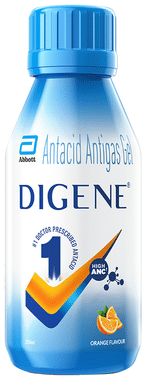
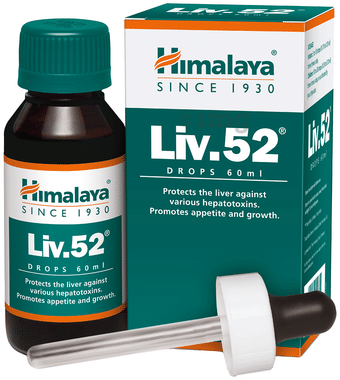
Products related to Loo Chek Oral Suspension





100% genuine products

Safe & secure payments

No contact delivery
Fully sanitized facilities

Want to know more
We provide you with authentic, trustworthy and relevant information
Have issue with the content
Why we need a prescription?
