






Aspofag 40mg Injection
Esomeprazole (40mg)
 Genuine
Authenticity Assured
 Prescription
required
Aspofag 40mg Injection is a medicine that reduces the amount of acid produced in your stomach. It is used for treating acid-related diseases of the stomach and intestine such as acid reflux and some other stomach conditions associated with excessive acid production.
Written By Dr. Syeda Aafia, MBA, BDS,
Reviewed By Dr. Rajeev Sharma, MBA, MBBS,
Last updated on 29 Aug 2026 | 01:02 AM (IST)
Written By Dr. Syeda Aafia, MBA, BDS,
Reviewed By Dr. Rajeev Sharma, MBA, MBBS,
Last updated on 29 Aug 2026 | 01:02 AM (IST)
₹98.1
MRP ₹107.81
9% off
(Inclusive of applicable taxes)
Get for
₹83.4

on orders above ₹1200
Use Code 1MGNEWPLUS
Get for
₹90.3

on orders above ₹300
Use Code 1MGNEW
1/2
Welcome Gift | For First Order
15% EXTRA OFF


Get Extra 4% off + Free Delivery
at ₹165 (3 months)


Are you sure you want to remove Care Plan?

1 Injection


Payment, Returns & Expiry

Cash on delivery available
Get your product first, then pay us once you're sure about your order

7 day free return
Easily return the product if you don't need it anymore

Product expires after Jan, 2027
Expiry date may vary by batch. All batches have a 3-month shelf life from the date of dispatch.

Price Info
MRP may vary by batch. Any additional charges, including packaging, handling, shipping or delivery charges, will be clearly disclosed before purchase.
Save more with additional offers

Get upto Rs.150 Cashback on minimum transaction of Rs.599/- with Mobikwik UPI (@ikwik).
Get upto Rs.150 Cashback on minimum transaction of Rs.599/- with Mobikwik UPI (@ikwik).


Get up to ₹75 cashback on a minimum order value (MOV) of ₹499 and above, valid once per customer.
Get up to ₹75 cashback on a minimum order value (MOV) of ₹499 and above, valid once per customer.
Get up to ₹75 cashback on a minimum order value (MOV) of ₹499 and above, valid once per customer.
Get up to ₹75 cashback on a minimum order value (MOV) of ₹499 and above, valid once per customer.
Get upto Rs.150 Cashback on minimum transaction of Rs.599/- with Mobikwik UPI (@ikwik).
Get upto Rs.150 Cashback on minimum transaction of Rs.599/- with Mobikwik UPI (@ikwik).
Get up to ₹75 cashback on a minimum order value (MOV) of ₹499 and above, valid once per customer.
Get up to ₹75 cashback on a minimum order value (MOV) of ₹499 and above, valid once per customer.
Get up to ₹75 cashback on a minimum order value (MOV) of ₹499 and above, valid once per customer.
Get up to ₹75 cashback on a minimum order value (MOV) of ₹499 and above, valid once per customer.

Assured cashback up to ₹300*. T&C Apply*
Assured cashback up to ₹300*. T&C Apply*
General Information

The content is shown in English




All substitutes for Aspofag 40mg Injection
For information purposes only. Consult a doctor before taking any medicine.
NexPRO IV Injection
by Torrent Pharmaceuticals Ltd
₹159.35/injection
48% costlier
Esoz 40mg Injection
by Integrace Pvt Ltd
₹176.2/injection
63% costlier
Esdop 40mg Injection
by Bennet Mypher Pharmaceuticals LLP
₹73.13/injection
32% cheaper
Zeflux Injection
by ZDL(Zodiacal) Pharmaceutics Pvt.Ltd
₹91.88/injection
15% cheaper
Esopro 40mg Injection
by Man Serve Pharma
₹84.38/injection
22% cheaper
Safety advice

Alcohol
CONSULT YOUR DOCTOR
It is not known whether it is safe to consume alcohol with Aspofag 40mg Injection. Please consult your doctor.

Pregnancy
CONSULT YOUR DOCTOR
The safety of Aspofag 40mg Injection during pregnancy has not been established. There are no adequate and well-controlled studies in pregnant women, and animal data on reproductive toxicity are insufficient. Your doctor will weigh the benefits and any potential risks before prescribing.

Breast feeding
CAUTION
Aspofag 40mg Injection should be used with caution during breastfeeding. Breastfeeding should be held until the treatment of the mother is completed and the drug is eliminated from the body.

Driving
SAFE
Aspofag 40mg Injection does not usually affect your ability to drive.
Kidney
CAUTION
Aspofag 40mg Injection should be used with caution in patients with kidney disease. Dose adjustment may be needed.
Dose adjustment is not required in patients with mild to moderate kidney disease.
Dose adjustment is not required in patients with mild to moderate kidney disease.

Liver
CAUTION
Aspofag 40mg Injection should be used with caution in patients with severe liver disease. Dose adjustment may be needed.
Dose adjustment is not required in patients with mild to moderate liver disease.
Dose adjustment is not required in patients with mild to moderate liver disease.
References
- Esomeprazole sodium [FDA Label]. Wilmington, DE: AstraZeneca LP; 2012. [Accessed 24 Apr. 2020] (online) Available from:

- Drugs and Lactation Database (LactMed) [Internet]. Bethesda (MD): National Library of Medicine (US); 2006. Esomeprazole. [Updated 2019 Jun 3]. [Accessed 20 Feb. 2020] (online) Available from:
- Central Drugs Standard Control Organisation (CDSCO). [Accessed 28 Mar. 2019] (online) Available from:
- Esomeprazole sodium [Prescribing Information]. Wilmington, DE: AstraZeneca; 2022. [Accessed 22 Jun. 2023] (online) Available from:
Related products
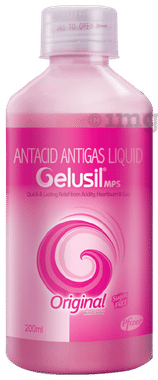
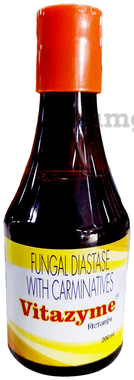
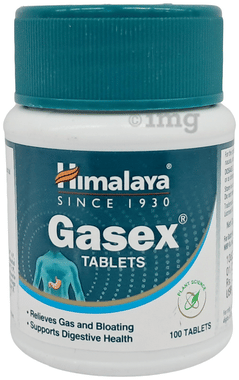
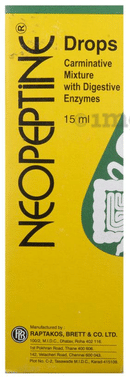
Products related to Aspofag 40mg Injection



Related ayurvedic ingredients


100% genuine products

Safe & secure payments

No contact delivery

Fully sanitized facilities

Want to know more
We provide you with authentic, trustworthy and relevant information
Have issue with the content
Why we need a prescription?

