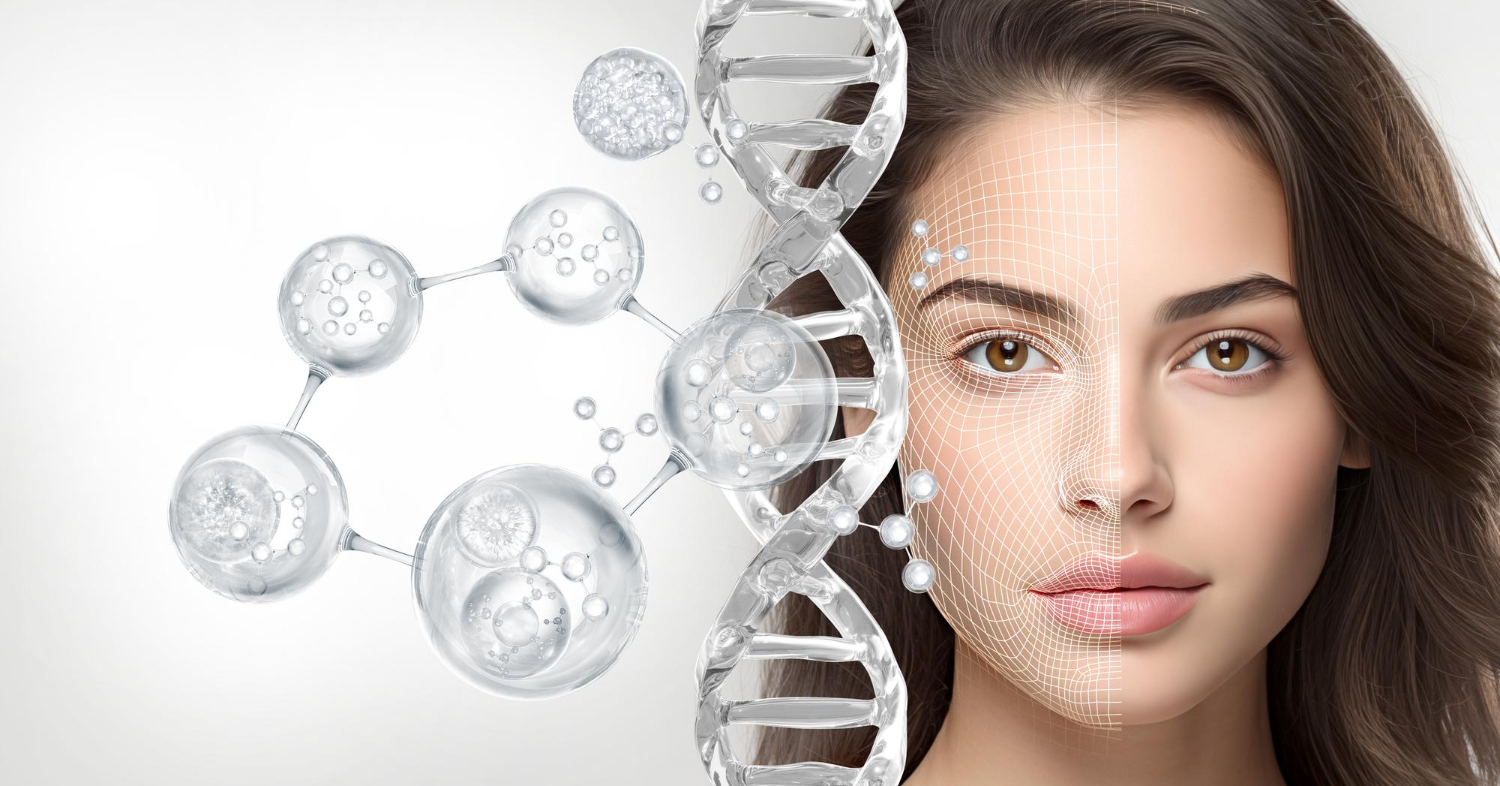
Peptides have become one of the most talked-about ingredients in skincare. You’ll find them in serums, moisturizers, eye creams, and even face masks. But what exactly are peptides, and why are so many skincare products packed with them?
If you’ve been wondering whether peptides are worth the attention, you’re not alone. The good news is that peptides can offer several benefits for your skin. They support skin repair, help improve texture, and may even reduce signs of aging.
Let’s take a closer look at what peptides can do for your skin and why many dermatologists recommend them.
What Are Peptides?
Peptides are short chains of amino acids. Amino acids are the building blocks of proteins. Your skin contains important proteins such as collagen, elastin, and keratin. These proteins help keep your skin firm, smooth, and healthy.
As you age, your body’s natural collagen production starts to slow down. This can lead to fine lines, wrinkles, sagging, and loss of elasticity.
Peptides act like messengers. They send signals to your skin, encouraging it to produce more collagen and other proteins that help maintain a youthful appearance.
Think of peptides as tiny reminders that tell your skin to keep doing its repair work.
How Do Peptides Work on the Skin?

Your skin constantly repairs itself. However, factors like aging, sun exposure, pollution, stress, and lack of sleep can slow this process.
When applied through skincare products, peptides communicate with skin cells. They encourage the skin to perform certain functions, such as producing collagen or strengthening the skin barrier.
Different peptides have different roles. Some focus on collagen production, while others help reduce inflammation or support hydration.
That’s why you’ll often see various types of peptides listed in skincare formulas.
Benefits of Peptides for Your Skin
Reduce the Appearance of Fine Lines and Wrinkles
One of the biggest reasons people use peptides is their potential anti-aging effect.
Peptides help support collagen production. More collagen can make the skin appear firmer and smoother. Over time, this may reduce the visibility of fine lines and wrinkles.
While peptides won’t erase deep wrinkles overnight, consistent use can help improve skin texture and overall appearance.
Improve Skin Firmness
As collagen levels decrease with age, skin may begin to lose its firmness.
Peptides help support the proteins responsible for maintaining skin structure. This can make your skin look tighter and more resilient.
Many people notice that their skin feels more supple after regularly using peptide-based products.
Strengthen the Skin Barrier
Your skin barrier acts like a protective shield. It helps keep moisture in and harmful irritants out.
A weakened skin barrier can lead to dryness, redness, and sensitivity.
Certain peptides help reinforce this barrier. This allows your skin to hold onto moisture more effectively and stay healthier.
Support Skin Repair
Every day, your skin faces damage from UV rays, pollution, and environmental stressors.
Peptides can help support the skin’s natural repair process. They encourage healing and may improve the appearance of minor skin damage over time.
This makes them a useful ingredient for maintaining healthy-looking skin.
Boost Hydration
Hydrated skin looks smoother, plumper, and more radiant.
Some peptides help improve the skin’s ability to retain water. When your skin stays hydrated, it often looks fresher and healthier.
That’s one reason peptides are commonly found in moisturizers and hydrating serums.
Help Calm the Skin
Some peptides have soothing properties. They may help reduce visible redness and irritation.
People with sensitive skin often tolerate peptide products well because they tend to be gentler than some active ingredients.
Of course, individual reactions can vary, so patch testing is always a good idea.
Can Peptides Brighten the Skin?
Peptides are not typically known as brightening ingredients like vitamin C or niacinamide.
However, healthier skin often looks more radiant. By supporting skin repair and improving texture, peptides can contribute to a brighter and more even-looking complexion over time.
They work best as part of a balanced skincare routine rather than a quick fix for pigmentation.
Who Should Use Peptides?

Peptides can benefit many skin types. They may be particularly helpful if you:
- Notice fine lines or wrinkles
- Have dehydrated skin
- Want to improve skin firmness
- Have sensitive skin
- Want to support long-term skin health
Even younger individuals can use peptides as part of a preventive skincare routine. Think of them as maintenance rather than emergency repair.
How to Use Peptides in Your Skincare Routine
Peptides are easy to incorporate into your routine.
Most peptide products come in the form of serums, moisturizers, or eye creams.
You can generally apply them after cleansing and before heavier creams. Many peptide products are suitable for both morning and evening use.
For best results, follow the instructions on the product label.
Consistency matters more than frequency. Using a peptide product regularly over several weeks or months is more likely to produce noticeable results.
Can Peptides Be Used with Other Ingredients?
Yes, peptides usually work well with many skincare ingredients.
They can often be paired with:
- Hyaluronic acid
- Niacinamide
- Ceramides
- Vitamin C
- Sunscreen
These combinations can help address multiple skin concerns at the same time.
If you’re using strong exfoliating acids or retinoids, introduce new products gradually to avoid irritation.
Are There Any Side Effects?
Peptides are generally considered safe for most people.
Side effects are uncommon but may include:
- Mild irritation
- Redness
- Itching
- Allergic reactions in sensitive individuals
If you notice discomfort after using a peptide product, stop using it and consult a dermatologist.
Patch testing new skincare products is always a smart step.
How Long Do Peptides Take to Work?
Skincare rarely delivers instant results, and peptides are no exception.
Some people notice improvements in hydration and skin softness within a few weeks.
Changes in firmness, texture, and fine lines usually take longer. You may need to use peptide products consistently for several weeks or even months before seeing visible differences.
Patience is part of the process.
The Bottom Line
Peptides may not be the flashiest skincare ingredient, but they play an important role in supporting healthy skin. They help promote collagen production, strengthen the skin barrier, improve hydration, and support skin repair.
If you’re looking for a gentle ingredient that works well with most skincare routines, peptides are worth considering. They won’t transform your skin overnight, but with regular use, they can help your skin look smoother, firmer, and healthier over time.
FAQs
1. Are peptides good for aging skin?
Yes. Peptides may help improve skin firmness and reduce the appearance of fine lines and wrinkles by supporting collagen production.
2. Can peptides be used every day?
Yes. Most peptide-based skincare products are designed for daily use and can be applied once or twice a day.
3. Are peptides suitable for sensitive skin?
Peptides are generally well tolerated and are often suitable for sensitive skin. However, patch testing is recommended before regular use.
4. Can I use peptides with vitamin C?
Yes. Peptides and vitamin C can often be used together and may complement each other in a skincare routine.
5. Do peptides increase collagen production?
Certain peptides can signal the skin to produce more collagen, which may help improve firmness and reduce visible signs of aging.
6. At what age should I start using peptides?
There is no fixed age. Many people start using peptides in their late 20s or 30s, but they can also be used earlier for preventive skincare.
7. Do peptides work better than retinol?
They work differently. Retinol speeds up skin cell turnover, while peptides support skin repair and collagen production. Many people use both as part of their skincare routine.
(The article is written by Mantasha, Sr. Executive, Clinical Health & Content, and reviewed by Monalisa Deka, Deputy Manager, Clinical Health & Content, Medical Affairs.)