
If you have diabetes, you’ve probably asked yourself this question many times- should you eat rice or roti?
In most Indian homes, both are daily staples. Rice feels light and comforting and roti feels wholesome and filling. But when blood sugar levels become an issue, the choice between the two can suddenly seem confusing. The good news is that neither rice nor roti are entirely “bad” for diabetes. Actually both can be part of a healthy diet for diabetes if you eat the right amount and type.
Instead of asking, “Which one should I avoid?” it is better to ask, “Which option is better for my blood sugar and lifestyle?”
Let’s understand this in a simple and practical way.
First Understand, Glycemic Index

Before picking a winner, you need to understand one number: the glycemic index, or GI.
The glycemic index measures how quickly a food raises your blood sugar on a scale of 0 to 100.
Here are the three GI ratings:
- Low: 55 or less
- Medium: 56-69
- High: 70 or above
Here’s where rice and roti stand:
- White rice: GI of 73 ± 4 (high)
- Brown rice: GI of 68 ± 4 (medium)
- Whole wheat roti (chapati): 62 ± 3 (medium)
Note: The GI table below is simplified for readability. GI values can vary depending on rice variety, cooking method, and meal composition.
So white rice raises blood sugar the fastest. However, brown rice and basmati rice have a glycemic impact much closer to roti than most people expect.
Additionally, fibre plays a huge role here. Whole wheat roti carries significantly more fibre than white rice- and fibre slows digestion, which means a gentler rise in blood sugar after your meal. White rice, once polished, loses most of its fibre. That’s a big reason why roti generally edges ahead for diabetes management.
Why Carbohydrates Matter in Diabetes
First of all, it’s important to understand why rice and roti affect blood sugar levels.
Both rice and roti are rich in carbohydrates. When you eat carbohydrates, your body breaks them down into glucose, which then enters the bloodstream. Normally insulin helps move this glucose into the cells to be used for energy.
However in diabetes the body either:
- Does not produce sufficient insulin
- Or cannot use insulin properly
This can make it easier for blood sugar levels to rise. However, this does not mean all carbohydrates behave the same way.
Certain foods digest quickly and cause a rapid spike in blood sugar. Others digest slowly, and produce a steadier rise. Diabetes management is greatly influenced by the following factors, such as-
- Fiber content
- Portion size
- Cooking method
- Type of grain
“People with diabetes do not necessarily need to avoid rice or roti completely. Choosing appropriate portions, opting for less-refined grains when possible, and balancing meals with protein, vegetables, and healthy fats are often more important for blood sugar management.” says Dr. Anuj, Senior Medical Expert at Tata 1mg.
Rice or Roti for Diabetes: Why Roti May Have an Edge
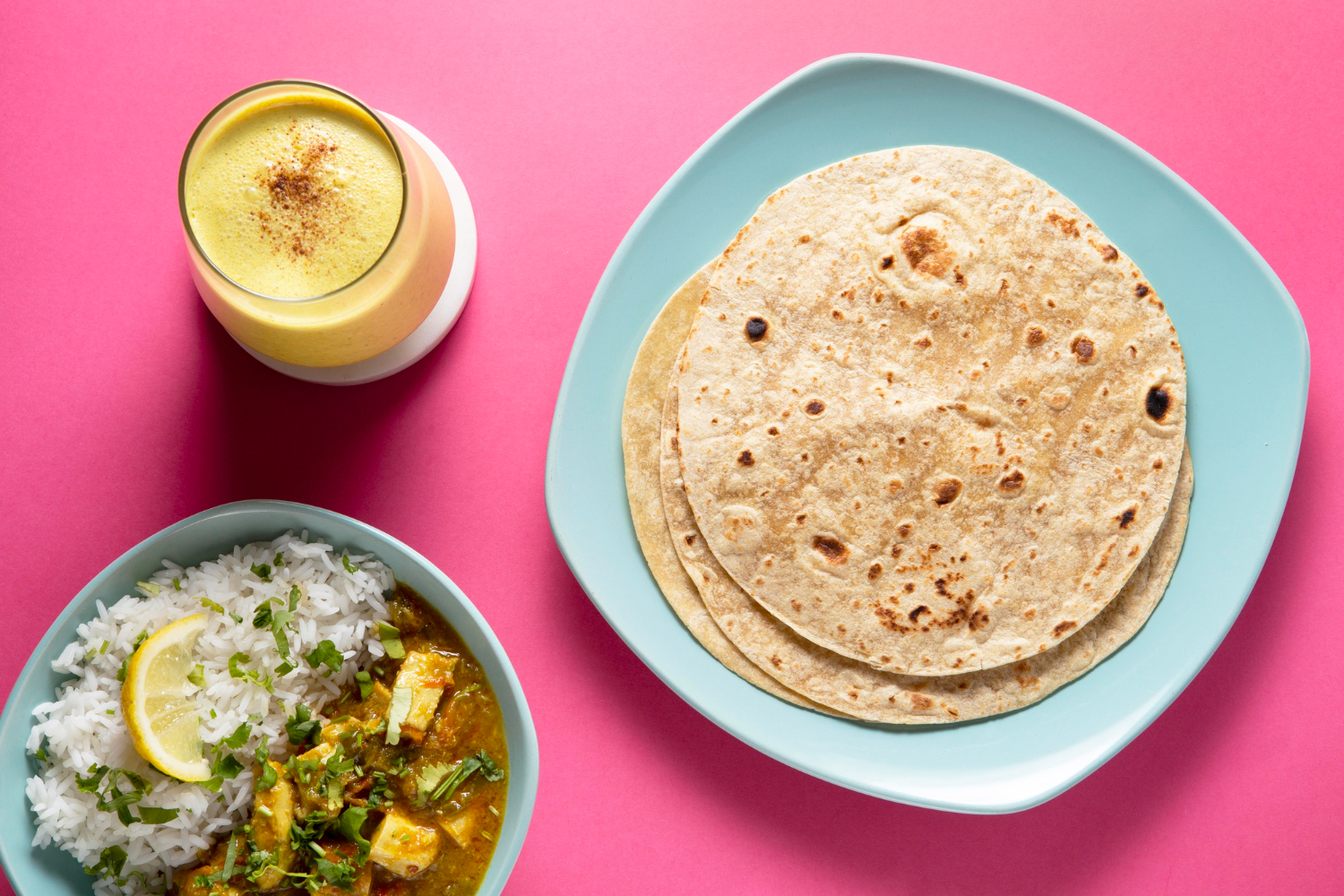
Roti may offer some nutritional advantages when you’re managing diabetes. Here’s why.
For example, a standard whole wheat roti contains roughly 3-4 grams of fibre compared to less than 1 gram in white rice per serving. That fibre keeps you full longer, slows glucose absorption, and gives your blood sugar a gentler curve after eating.
Additionally, whole wheat roti may provide slightly more protein and fibre than a similar serving of white rice. Protein, like fibre, slows glucose release into the bloodstream. So roti works on two fronts at once.
Meanwhile, the benefits of multigrain, millet or jowar flour-based roti are even more. Bajra, jowar, and ragi rotis may have a lower glycemic impact than regular whole wheat rotis, so they are a great choice for diabetics who want to control blood sugar and weight.
However, roti isn’t a free pass. Eating four rotis with ghee and sabzi still adds up to a significant carbohydrate load. Portion control matters just as much with roti as it does with rice.
Rice or Roti for Diabetes: The Case for Rice
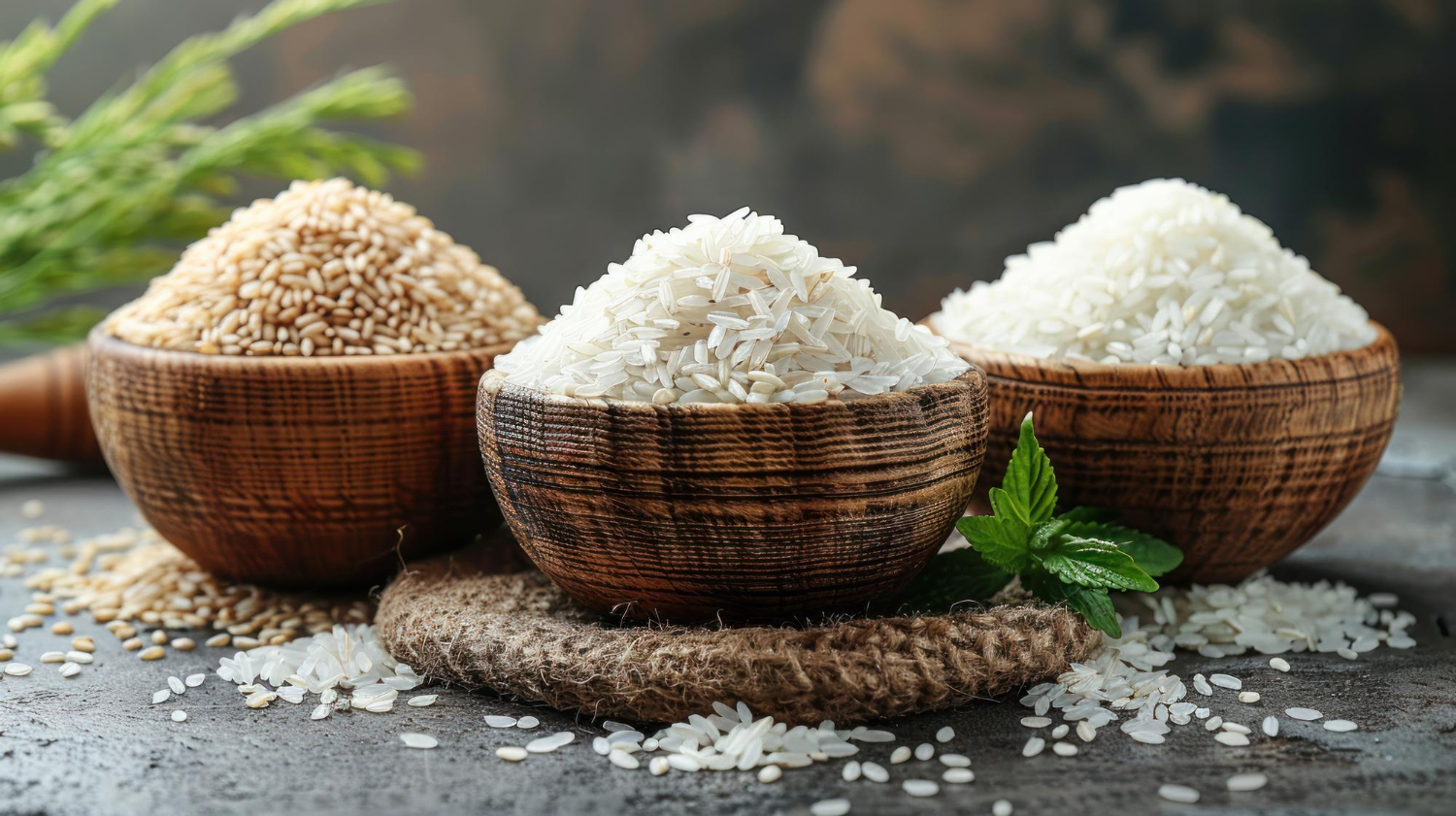
Here’s the good news: rice doesn’t have to disappear from your plate when you have diabetes.
In contrast to the fear around rice, research shows that dietary tweaks- not complete elimination- help most people keep HbA1c under control. The type of rice and how you eat it matters far more than whether you eat it at all.
Certain varieties of basmati rice may have a lower GI, often ranging between 50–58, making it a healthier choice than regular white rice. It releases glucose more slowly into the bloodstream. That puts basmati closer to roti on the glycemic scale than most people realise.
Additionally, the glycemic load- which accounts for portion size- changes everything. A small serving of white rice eaten with dal, sabzi, and curd has a very different effect on your blood sugar than a large plate of plain rice. The protein from dal and the fibre from vegetables slow down glucose absorption significantly.
For South Indians, where rice is a cultural staple, switching to roti overnight isn’t realistic or necessary. Instead, switching to parboiled rice, hand-pounded rice, or basmati- and watching portion size- gives you blood sugar control without abandoning your food culture.
What Actually Matters More Than Choosing Rice or Roti for Diabetes
Here’s the part most diabetes advice misses: it’s not just what you eat, but how you eat it.
For example, eating rice or roti alone gives you a very different blood sugar response than eating the same carbs alongside protein, fat, and fibre. Both rice and roti can fit into a diabetes-friendly diet when you pair them with proteins like dal, paneer, chicken, or fish, and fibre-rich vegetables. Adding a small amount of healthy fat like ghee or olive oil slows glucose absorption further.
Additionally, the order in which you eat your meal matters. Starting with vegetables and protein before touching the rice or roti significantly reduces the blood sugar spike. It costs nothing and makes a real difference.
Meanwhile, portion size is the most underrated tool in diabetes nutrition. Two small rotis with dal and salad will always work better for your blood sugar than three large rotis eaten quickly at one go.
Rice or Roti for Diabetes: Smarter Ways to Eat Both
You don’t have to pick a side. Here’s how to make both work:
For roti:
- Choose whole wheat, multigrain, bajra, or jowar flour over maida
- Keep rotis small and pair with plenty of sabzi and dal
- A small amount of ghee is fine- just don’t overdo it
For rice:
- Switch from white rice to basmati, brown rice, or parboiled rice
- Always eat rice as part of a complete meal- never alone
- Half a cup of cooked rice per meal is a reasonable starting point
- Letting cooked rice cool before eating may increase resistant starch, which can help reduce its glycemic impact slightly
For both:
- Eat vegetables and protein first at every meal
- Avoid eating large carbohydrate portions late at night
- Take a 10-minute walk after meals- your muscles use up glucose directly during movement
What Matters Most?
- Portion control
- Type of grain
- Meal balance
- Physical activity
- Overall lifestyle habits
Instead of completely avoiding your favorite foods, focus on smarter choices and balanced meals. In the long run, this approach is usually more practical and sustainable.
The Final Take on Rice or Roti for Diabetes
Roti, especially whole wheat or millet-based, does have a nutritional edge for blood sugar control. It carries more fibre, more protein, and a generally lower glycemic impact than white rice.
However, rice doesn’t need to disappear from your plate. Choose smarter varieties, control your portions, eat it as part of a balanced meal, and pair it with the right foods. That combination makes a bigger difference to blood sugar control than cutting out one food entirely.
Your diabetes is yours. Work with your food culture, not against it.
FAQs
Q: Can people with diabetes eat rice daily?
A: Yes, people with diabetes can eat rice daily in moderate portions. Choosing brown or less polished rice and pairing it with vegetables and protein may help manage blood sugar better.
Q:Which roti is best for diabetes?
A:Whole wheat, multigrain, bajra, jowar, and ragi rotis are usually better choices because they contain more fiber and digest more slowly.
Q: Is white rice bad for diabetes?
A:White rice is not completely forbidden. However, it may raise blood sugar faster than whole grains. Portion size and meal balance are very important.
Q: How many rotis can a person with diabetes eat?
A:The ideal number depends on age, activity level, medications, and overall diet. Many people do well with 1-2 medium rotis per meal along with vegetables and protein.
Q: Is brown rice healthier than roti?
A:Brown rice and whole wheat roti can both fit into a healthy diabetes diet. Roti may provide slightly better fullness, while brown rice offers more fiber and nutrients compared to white rice.
References:
1. Atkinson FS, Foster-Powell K, Brand-Miller JC. International tables of glycemic index and glycemic load values: 2008. Diabetes Care. 2008 Dec;31(12):2281-3.Available from: https://pmc.ncbi.nlm.nih.gov/articles/PMC2584181/
2. Nayar S, Madhu SV. Glycemic Index of Wheat and Rice are Similar When Consumed as Part of a North Indian Mixed Meal. Indian J Endocrinol Metab. 2020 May-Jun;24(3):251-255.Available from:https://pmc.ncbi.nlm.nih.gov/articles/PMC7539032/
(The article is written by Nancy Dixit, Associate Manager, Clinical Health & Content, Medical Affairs, and reviewed by Monalisa Deka, Deputy Manager, Clinical Health & Content, Medical Affairs)
Recommended Reads:
Can People With Diabetes Eat Broccoli? Benefits, Blood Sugar Impact & Best Ways to Eat It
8 Diabetes-Friendly Office Snacks That Actually Keep Blood Sugar Steady