
Making the right food swaps for pre-diabetes can help improve blood sugar levels and reduce the risk of progressing to type 2 diabetes. So your doctor said your blood sugar is “a little high.” Not diabetes yet – but heading that way. That’s pre-diabetes. And honestly? It’s a wake-up call worth listening to.
Here’s the good news: many people with prediabetes can bring their blood sugar levels back to a healthy range through lifestyle changes, including healthier eating habits. So, you don’t need a crash diet or a long list of things you can never eat again. Instead, what you actually need are a few smart, simple food swaps for pre-diabetes that fit into your daily life – the doctors and dietitians genuinely recommend.
Quick fact: Diabetes has always been a growing concern worldwide. Nearly 77 million people in India are living with diabetes [1]. In addition, there are many people who might not be diabetic but could have a condition called prediabetes and have no clue about it. In India, 14 percent of individuals fall under this category [2].
Dr. Syeda Aafia, Medical Content Expert at Tata 1mg, says “Pre-diabetes is an opportunity to take charge of your health. With consistent lifestyle changes and healthier food choices, many people can improve their blood sugar levels and reduce their risk of developing type 2 diabetes.”
Managing pre-diabetes starts in the kitchen, but it doesn’t stop there. Explore Tata 1mg’s Diabetes Care range for trusted supplements, sugar-free products, and tools that can support your blood sugar management journey.
7 Doctor-Recommended Food Swaps for Pre-Diabetes
Start with these doctor-recommended food swaps to help manage blood sugar levels and build healthier eating habits [3].
1. White Rice for Brown Rice or Millets

White rice digests fast, floods your bloodstream with glucose, and leaves you hungry again within an hour. Because it contains very little fibre, it has a high glycaemic index – meaning it spikes blood sugar quickly. As a result, it’s one of the first things doctors ask pre-diabetics to cut back on.
Switching to brown rice is one of the easiest ways to make rice work for your health. Brown rice has more fibre and protein, so it raises blood sugar more slowly. Even better, try millets – ragi, bajra, or jowar. Compared to white rice, they digest more slowly, keep you fuller for longer, and generally have a lower impact on blood sugar than many commonly consumed rice varieties.
2. Maida Roti or White Bread for Whole Wheat or Multigrain

Maida (refined flour) behaves just like white rice in your body – it breaks down fast and spikes blood sugar quickly. For example, most store-bought white bread, naan, and pav are made with maida.
However, whole wheat atta, multigrain bread, or a mix of besan and wheat flour slows down digestion and glucose absorption. The fibre in whole grains acts as a speed bump – it slows glucose absorption and keeps your blood sugar steadier after meals. Choose whole grains like brown rice, farro, or quinoa as your healthy carbohydrate option.
3. Sugary Drinks & Milk Tea for Water, Nimbu Pani, or Unsweetened Chaas
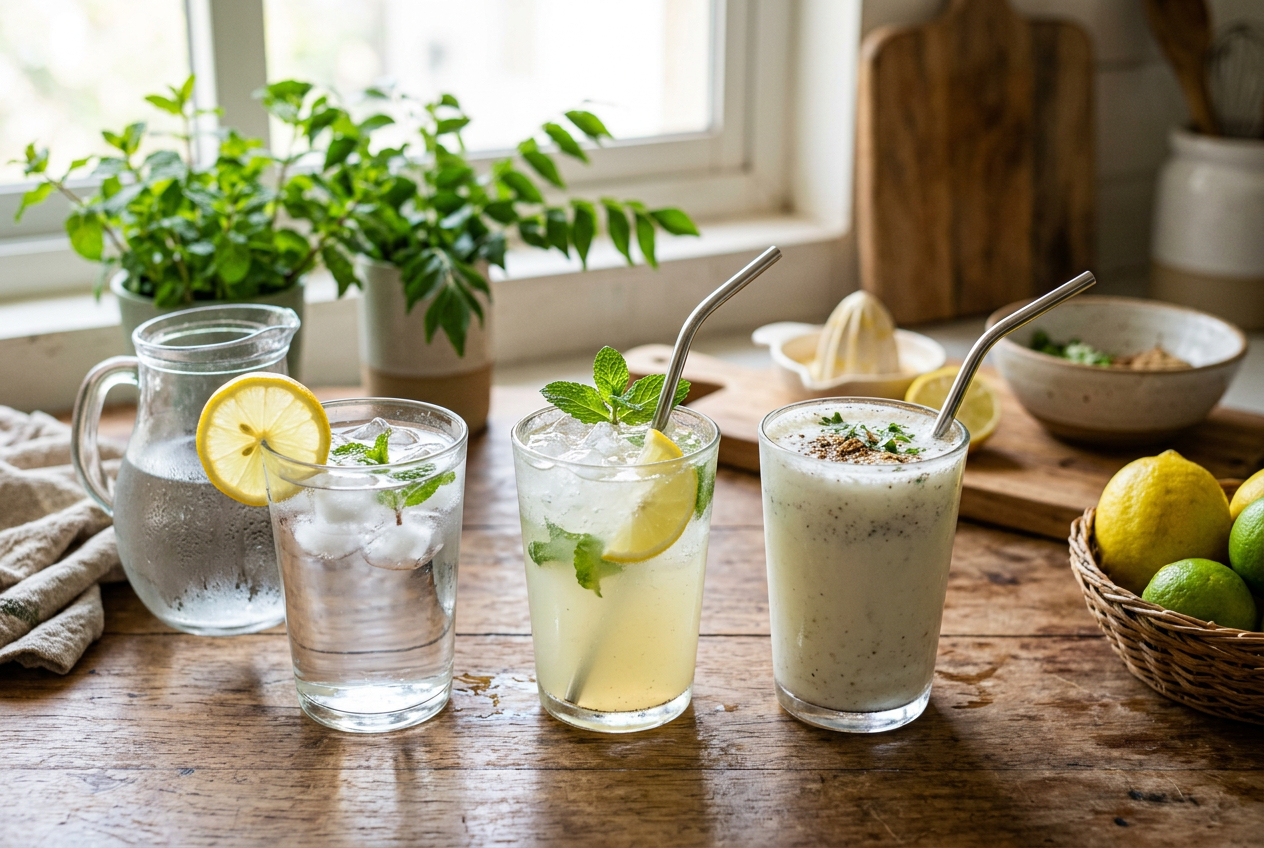
This simple swap can make a meaningful difference to your overall sugar intake. A 12-ounce can of soda can pack about 10 teaspoons of sugar, packaged fruit juices, flavoured sodas, and sweetened chai all count. They dump sugar into your blood faster than almost any food can.
Instead, drink plain water, nimbu pani without sugar, unsweetened chaas, or coconut water. These hydrate you without spiking your blood sugar. Additionally, if you need flavour, add a slice of lemon, a few mint leaves, or a pinch of jeera to water. Sugar substitutes like stevia generally do not raise blood glucose levels, so that’s an option for your chai if you can’t imagine it without sweetness.
4. Fried Snacks for Nuts, Seeds, or Roasted Chana
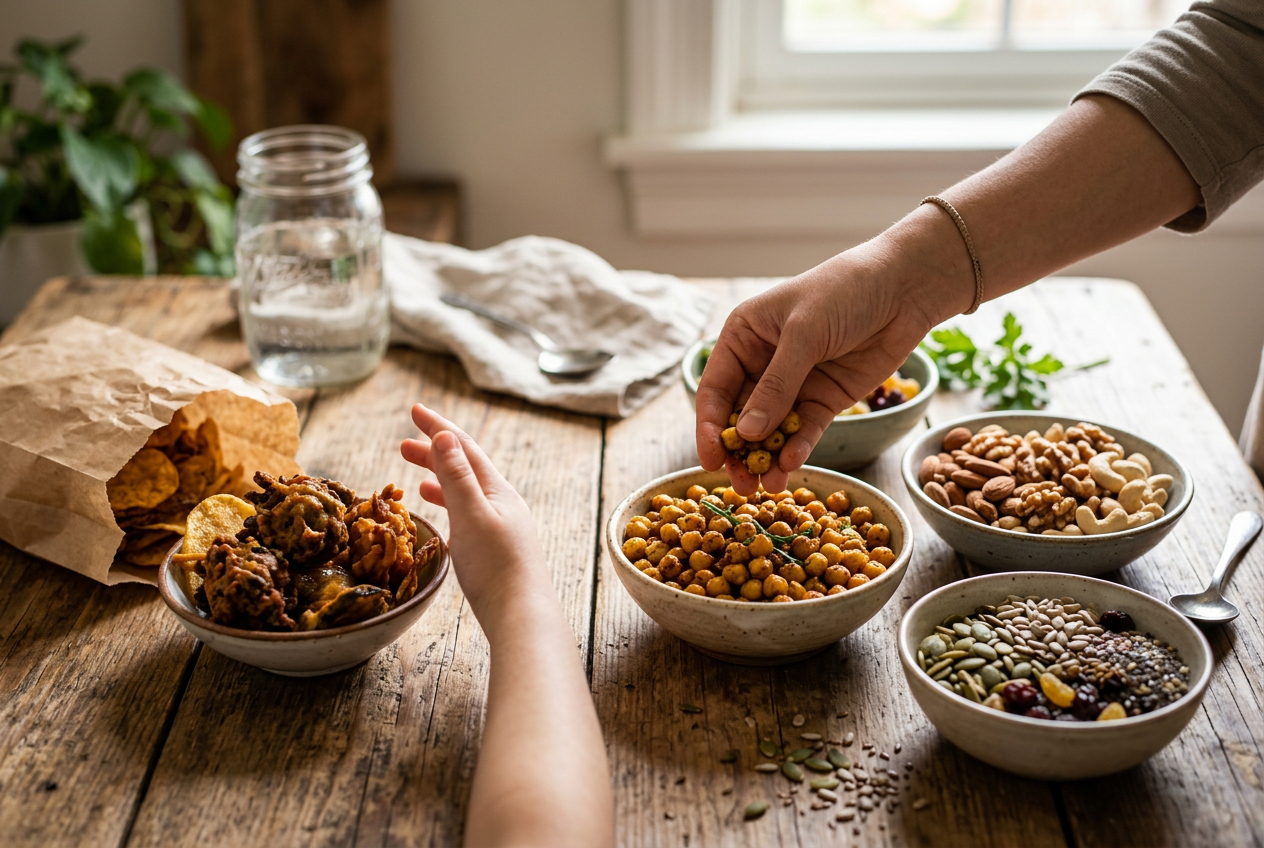
That packet of chips, namkeen, or biscuits with tea at 4 PM is a common snack in many Indian homes. However, these refined snacks are often high in maida, salt, and unhealthy fats and may contribute to weight gain and insulin resistance over time.
Instead, choose nuts, seeds, almonds, walnuts, roasted chana, or makhana for a more filling and blood sugar-friendly snack. These snacks have protein, fibre, and healthy fats that actually stabilise blood sugar instead of spiking it. They also keep you full longer, which means you eat less at your next meal. Moreover, roasted makhana is another great option – light, low-GI, and genuinely filling.
5. Full-Fat Dairy for Low-Fat Curd or Buttermilk

Full-fat milk, paneer, and cream add saturated fat to your diet, which can worsen insulin resistance over time. That doesn’t mean you cut out dairy entirely – it just means choosing smarter forms of it.
Low-fat curd (dahi) is one of the best things a pre-diabetic can eat. It has protein that slows sugar absorption, probiotics that support gut health, and a low glycaemic index. Unsweetened chaas (buttermilk) works the same way and is especially good in summer.
6. Fruit Juice for Whole Fruits
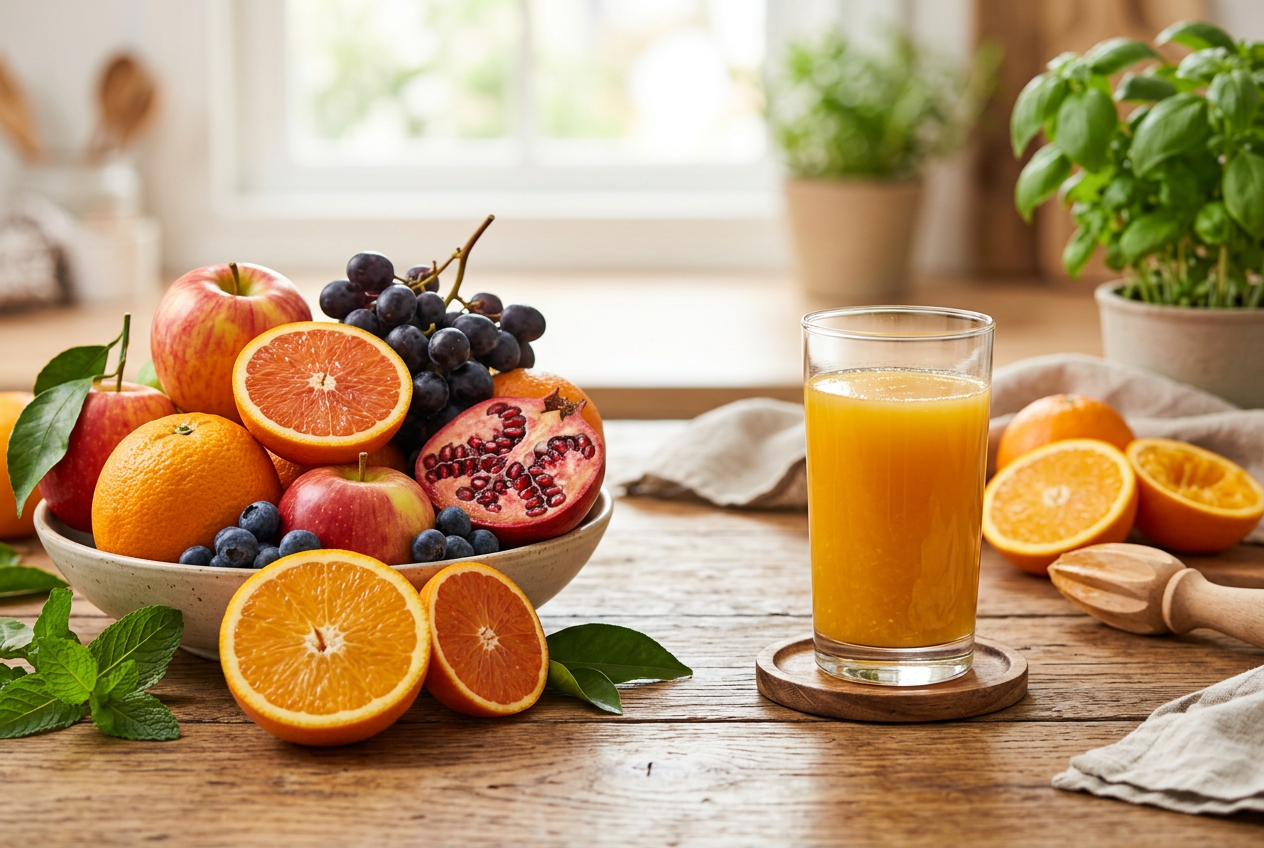
Many people think fruit juice is healthy. It’s not – at least not for pre-diabetes. When you juice a fruit, you remove the fibre and leave behind concentrated natural sugar. A glass of orange juice has the sugar of three to four oranges, without any of the fibre that slows it down.
In contrast, eating a whole fruit – apple, guava, pear, or jamun – gives you that fibre buffer. Fresh berries and other fruits satisfy your sweet tooth while giving you fibre that helps slow down sugar absorption. Jamun is particularly well-regarded for blood sugar management in traditional Indian medicine and is supported by early research too. Whenever possible, choose whole fruits over fruit juices.
7. Refined Cooking Oil for Cold-Pressed Mustard Oil or Olive Oil

The oil you cook in every day matters more than most people realise.The type of cooking oil you use can influence overall diet quality and heart health, both of which are important for people with prediabetes. Choosing healthier fats as part of an overall balanced diet may help support better metabolic health.
Meanwhile, cold-pressed mustard oil, olive oil, or ghee in small amounts are far better choices. Using olive or avocado oil instead of butter provides heart-healthy fats and doesn’t worsen blood sugar the way refined oils can. You don’t need to change how you cook – just change what you cook in.
Start With Just One Swap
You don’t need to change everything at once. Pick one swap from this list – just one – and start this week. Maybe it’s switching to whole wheat roti. Maybe it’s dropping the afternoon soda. Maybe it’s adding a handful of almonds as your snack.
These food swaps for pre-diabetes are simple, affordable, and genuinely backed by doctors. And the earlier you start, the better your chances of keeping things from progressing further.
Your blood sugar got here slowly. It can come back down slowly too – one good swap at a time.
FAQs
Can pre-diabetes be reversed with diet alone?
Yes – in many cases it can. Combined with the right food swaps, lifestyle changes can significantly improve blood sugar levels and may help some people return to a normal blood sugar range.
What foods should a pre-diabetic avoid?
Avoid white rice, maida-based foods, sugary drinks, packaged snacks, and fruit juices. These are the biggest blood sugar triggers. Focus on whole grains, lean protein, vegetables, and foods with fibre – they keep glucose levels stable.
How quickly can food swaps lower blood sugar in pre-diabetes?
Some people may notice improvements in blood sugar levels within a few weeks to a few months of making consistent dietary changes. Gradual behaviour changes over quick fixes – slow and steady works much better long term than extreme diets.
Is brown rice actually better than white rice for pre-diabetes?
Yes. Brown rice has more fibre than white rice and digests slowly, causing blood sugar to rise gradually rather than suddenly. It’s not perfect, but it’s a meaningful step in the right direction. Millets may be a good alternative because they are generally higher in fibre and digested more slowly.
What is the best breakfast for pre-diabetes?
Oats with nuts and seeds, besan chilla with vegetables, or whole wheat roti with eggs or dal are all good options. The goal is a breakfast with fibre, protein, and healthy fat – and no refined carbs or sugar on an empty stomach.
Do these food swaps for pre-diabetes work if I’m on medication?
Yes. Food swaps work alongside medication, not against it. In fact, combining diet changes with any medication your doctor prescribes gives you the best chance of reversing pre-diabetes or at least stopping it from progressing.
References:
1. Pradeepa R, Mohan V. Epidemiology of type 2 diabetes in India. Indian J Ophthalmol. 2021 Nov;69(11):2932-2938. doi: 10.4103/ijo.IJO_1627_21. PMID: 34708726; PMCID: PMC8725109. Available from: https://pmc.ncbi.nlm.nih.gov/articles/PMC8725109/
2. Jose J, Thomas N. How should one tackle prediabetes in India? Indian J Med Res. 2018 Dec;148(6):675-676. doi: 10.4103/ijmr.IJMR_1785_18. PMID: 30777999; PMCID: PMC6396555.Available from: https://pmc.ncbi.nlm.nih.gov/articles/PMC6396555/
3. Indian Council of Medical Research. ICMR guidelines for management of type 2 diabetes 2018 [Internet]. New Delhi: Indian Council of Medical Research; 2018 [cited 2026 Jun 9]. Available from: https://www.icmr.gov.in/icmrobject/custom_data/pdf/resource-guidelines/ICMR_GuidelinesType2diabetes2018_0.pdf
(The article is written by Nancy Dixit, Associate Manager, Clinical Health & Content, Medical Affairs, and reviewed by Monalisa Deka, Deputy Manager, Clinical Health & Content, Medical Affairs)
Recommended Reads:
Rice or Roti for Diabetes: Which is the better Choice?
5 Everyday Food Swaps That Can Make Diabetes Easier To Manage