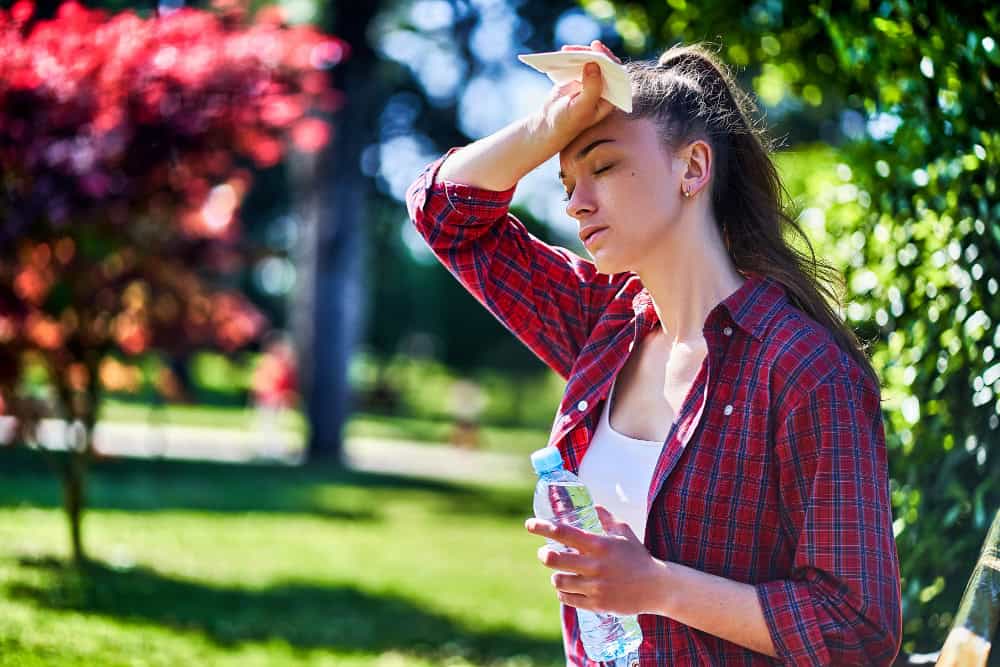
The moment you step outside on a typical Indian summer afternoon, the heat hits instantly. The air feels thick, roads shimmer, and even short errands can leave you wiped out. As temperatures climb each year, summer safety tips are no longer just about comfort—they are about protecting your health.
From dehydration to heat exhaustion, summer can take a toll if you’re not careful. The good news is that with a few simple habits, you can stay safe and go about your day without feeling overwhelmed. Here are some expert-recommended summer safety tips that actually work in real life.
How Does Summer Heat Affect the Body

When temperatures rise, your body works harder to maintain a normal internal temperature. Sweating is your body’s natural cooling mechanism, but it can also lead to loss of fluids and essential salts. If this loss isn’t replaced, it can lead to:
– Dehydration
– Fatigue
– Dizziness
– Heat cramps
– In severe cases, heatstroke [1]
That’s why summer safety tips are not just about staying cool—it’s about supporting your body’s natural balance.
8 Summer Safety Tips Most People Ignore (But Shouldn’t)

1. Hydration Is Your First Line of Defence
If there’s one rule that matters most in summer, it’s this: don’t wait until you feel thirsty to drink water. By the time you feel thirsty, your body may already be slightly dehydrated.
Here are some practical tips that you may follow:
– Drink water at regular intervals throughout the day
– Carry a water bottle when stepping out
– Include fluids like nimbu pani, coconut water, buttermilk (chaas)
You can also add a pinch of salt and sugar to water occasionally. This will help replenish electrolytes if you’ve been sweating a lot.
2. Avoid Stepping Out During Peak Heat Hours
The sun is usually strongest between 12 PM and 3 PM [2]—and this is when the risk of heat-related illnesses is highest.
If possible, plan outdoor activities for the early morning or evening, if you can. Try to avoid unnecessary travel when traffic is heaviest. If you have to be outside, take frequent breaks. Even a brief exposure to intense sunlight during these times can cause fatigue and dehydration.
3. Choose Light, Breathable Clothing
What you wear can make a noticeable difference in how your body handles heat.
Choose:
– Clothes that aren’t too tight
– Fabrics in lighter shades
– Breathable materials, such as cotton
Dark hues soak up more heat, and snug clothing can hold onto sweat, making you feel hotter. A straightforward swap, like opting for cotton kurtas or t-shirts, can make a noticeable difference in how cool you feel.
4. Don’t Brush Off Early Signs of Heat Stress
Prior to the development of severe heat-related conditions, your body typically exhibits early warning signs. So, watch out for excessive sweating, headache, muscle cramps, unusual fatigue, dizziness, or lightheadedness. Ignoring these signs and continuing the activity can make things worse.
If you notice any of these, just move to a cooler place, sip some water, and rest until you feel better. Understanding and recognising these symptoms early can help prevent more serious complications.
5. Eat Light and Hydrating Foods
Heavy and oily meals can make you feel sluggish during summer. Instead of these, focus on foods that are easier to digest and help maintain hydration.
Watermelon and muskmelon are excellent choices, as are cucumbers. Curd and buttermilk also make the cut, along with seasonal fruits and vegetables. These foods don’t just offer essential nutrients, they also help keep your body’s fluid levels in check. It’s wise to steer clear of deep-fried foods, overly spicy dishes, and too much caffeine simultaneously.
6. Keep Indoor Spaces Cool and Ventilated
Not everyone has access to air conditioning, but there are still ways to make indoor spaces more comfortable.
Keeping curtains drawn when the sun is at its strongest can help. Make good use of fans or coolers, and make sure air can flow through your space. Taking a cool shower during the day is another way to stay comfortable.
7. Protect Yourself From Direct Sun Exposure
When the sun is at its strongest, your body can heat up fast.
Here are some straightforward ways to shield yourself:
– Stay in the shade with an umbrella or a hat
– Shield your eyes with sunglasses
– Use sunscreen on any skin that’s exposed
Even the sun you encounter during your daily routine—commuting, for instance, or just running errands—can accumulate. That’s why summer sun safety is something to take seriously.
8. Take Care of Children and Older Adults
Certain groups are more vulnerable to heat and need extra attention.
- Children:
Young children who are 5 years or under [1] may not recognise thirst easily and tend to get dehydrated faster.
- Older adults:
Adults 65 years or older [1] may have reduced ability to regulate body temperature or be on medications that affect hydration.
In both scenarios, it is crucial to:
– Stay hydrated
– Steer clear of direct sunlight
– Remain in a cool place
Know When to Seek Medical Help
Sometimes, heat-related symptoms can become serious and require medical attention. Seek help if you notice high body temperature, fainting, rapid heartbeat, no sweating despite heat, confusion or disorientation.
These could be signs of heatstroke, which is a medical emergency.
Talk To An Expert In The Field Now!
Indian summers can be intense, but you don’t have to avoid summers altogether. To enjoy the season without putting your health at risk, follow these simple summer safety tips.
FAQs
Q. What are summer safety tips to stay healthy?
To keep yourself feeling good this summer, consider these summer safety tips:
– Drink plenty of fluids or water
– Try to stay inside when the sun is at its hottest
– Eat smaller portions of lighter meals
– Opt for light clothing and let your skin breathe
Small daily habits can go a long way in keeping you safe.
Q. How much water should I drink in summer?
There’s no one-size number, but most people need more than usual in summer. A simple rule—sip water throughout the day and don’t wait till you feel very thirsty.
Q. What foods can help you in hot weather?
Think light and cooling—fruits like watermelon, cucumber, curd, and buttermilk. These not only nourish you but also help keep your body hydrated.
Q. Who is at most risk during the summer?
Children, older adults, and people with health conditions are more vulnerable. They tend to get dehydrated faster or may not handle heat well.
Q. Which drinks are best for staying hydrated in summer?
Water is your best friend. Along with that, nimbu pani, coconut water, and chaas are great options—just try to keep them low on added sugar.
Q. Is it safe to exercise outdoors in summer?
It’s safer to avoid outdoor workouts during peak heat. Early morning or evening is a better time to exercise.
Q. How can I protect my skin from sun damage?
You can protect the skin by using sunscreen, wearing a cap or carrying an umbrella, and avoiding direct sun during extreme heat.
Q. What should one do if someone faints due to heat?
Move them to a cool place immediately, loosen tight clothing, and give fluids if they are conscious.
References
1. Beat the heat: staying safe in hot weather. GOV.UK. https://www.gov.uk/government/publications/beat-the-heat-hot-weather-advice/beat-the-heat-staying-safe-in-hot-weather. Published July 8, 2025.
2. “Ministry of Ayush takes proactive steps to safeguard public health regarding heatwaves.” https://www.pib.gov.in/PressReleasePage.aspx?PRID=2113255®=3&lang=2.
(The article is written by Sneha Jajoo, Intern, Clinical Health & Content, and is reviewed by Dr.Subita Alagh, Assistant Team Lead, Disease Content.)