Walking is one of the easiest and most effective ways to lose weight. It is free since you do not have to pay for a gym, buy equipment, or do extreme training. In the summertime, you need to approach walking differently because high temperatures, humidity, and dehydration can hinder your ability to exercise if you are not careful.
If you walk correctly this summer, you can lose fat faster, increase your metabolism, and improve your overall health. The most important aspects of summer walking are when, how long, how hard you walk, and how much you drink.
The Benefits of Walking as a Tool for Losing Weight

Because walking is a low-impact cardiovascular exercise, you can burn large amounts of calories consistently, which is especially useful for people who are just starting to exercise or who have a hard time with high-impact exercises.
When you start walking regularly:
- You will burn calories, leading to a calorie deficit.
- You will increase your metabolism.
- You will see an increase in fat burning.
- You will reduce your stress level, which will help you avoid eating out of emotion.
Walking, unlike extreme diets or workouts, will provide you with sustainable, long-term weight loss.
Best Time to Walk in Summer
In the summertime, it’s essential to choose the optimal time of day to take your walks. Walking at the wrong time can lead to fatigue, dehydration, or heat-related illnesses (e.g., heat stroke).
There are two great times to walk during the summer months:
1. Early Morning
Walking between 5:30 am and 8 am offers the most benefit for your exercise routine.
Reasons why morning walks are so beneficial:
- The temperature is cooler than it is later in the day.
- There are fewer pollutants in the environment.
- Freshly oxygenated air will allow you to walk with more stamina throughout the day.
- You will burn calories (increase metabolism) when you walk in the morning.
Morning walks will also help you regularize your body’s biological clock and aid in your digestion for that entire day.
2. Late Evening (Second Best)
This is the second-best option for walking, and it is a good alternative for people who can’t walk in the morning. Walking between 6:30 pm and 8 pm will still give you good benefits with your walking routine.
Benefits of walking in the late evening:
- The temperature is cooler than the daytime heat.
- Walking helps you relax after a long day at work.
- Walking helps you burn calories after eating a meal.
Make sure to avoid walking too late at night, as it may affect your sleep patterns.
3. Avoid Midday Walking
Avoid walking from 11 am to 4 pm if possible.
Risks of walking during midday:
- Heat stroke
- Severe perspiration leading to dehydration
- Low energy levels
If you have to walk during the hottest part of the day, try to stay in shaded areas, indoors, or use a treadmill.
How Much Should You Walk to Lose Weight?
The duration and intensity of your walking routine determine how effective it will be for weight loss.
Beginners should:
- Walk 20-30 minutes each day.
- At a comfortable pace
- Gradually build up the duration of your walks.
To efficiently lose weight:
- Walk 45-60 minutes each day.
- At a brisk pace (you should be able to walk at a pace that increases your heart rate).
To lose fat quickly, walk for 60-90 minutes each day (you can split this into several sessions), use intervals (alternate brisk walking with slow walking), and add small hills or stairs when you walk.
Note: The key to losing fat by walking is to be consistent. You will get much better results from walking a moderate amount of time each day than if you walk sporadically for long periods.
How Many Calories Are Burned From Walking?
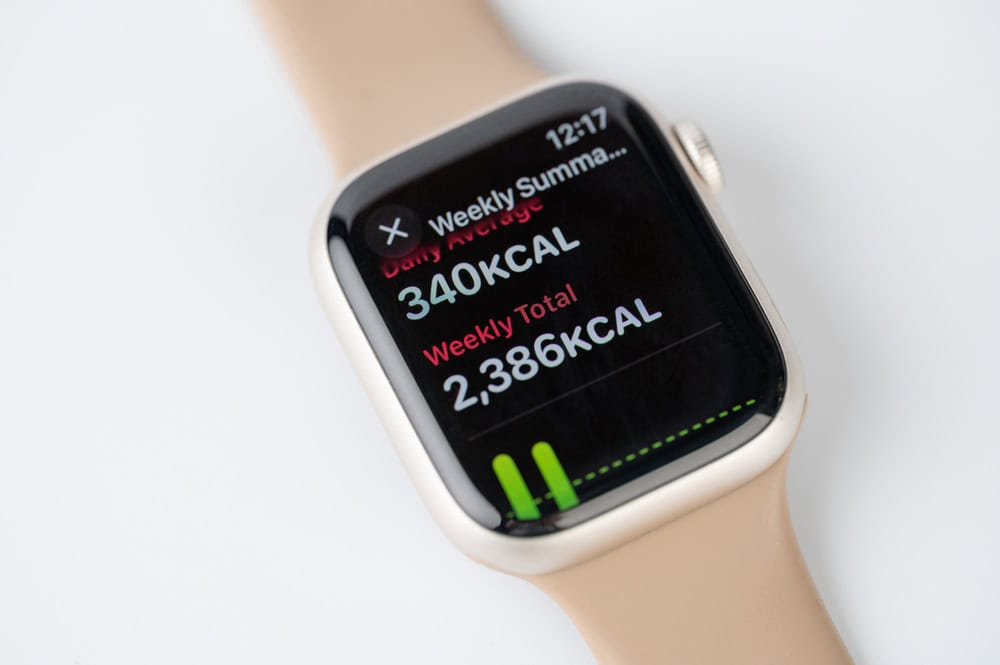
Many factors affect how many calories you can burn from walking (your body weight, your speed, and the duration of your walk).
On average:
- Walking for 30 minutes briskly = burns between 120 and 200 calories
- Walking for 60 minutes briskly = burns between 250-400 calories
- When combined with a balanced diet, this can help achieve gradual, healthy weight loss of 2-4 kg each month.
What is the Ideal Walking Pace for Weight Loss?
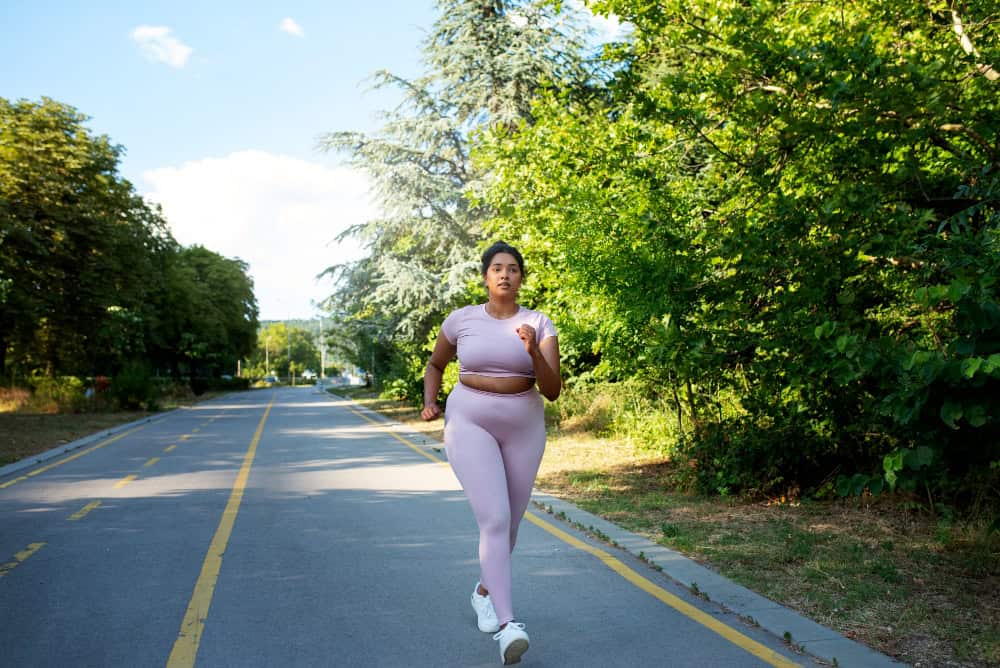
Not all types of walking will produce the same results. A stroll will not produce the same weight loss results as brisk walking.
Brisk walking can be measured in the following ways:
- Speed is approximately 5 – 6 km/hour.
- Some sweating may occur.
- You will notice your heart rate increases.
- You will be able to speak comfortably, but you will not be able to sing.
Another method of determining if you are walking at a brisk pace is the ‘talk test’ – if you can talk comfortably but cannot carry on a long enough conversation, then it is likely you are walking at a brisk pace.
Smart Ways to Walk in the Summer
There are several ways to make sure your walking program is safe this summer. These include:
1. Stay Hydrated
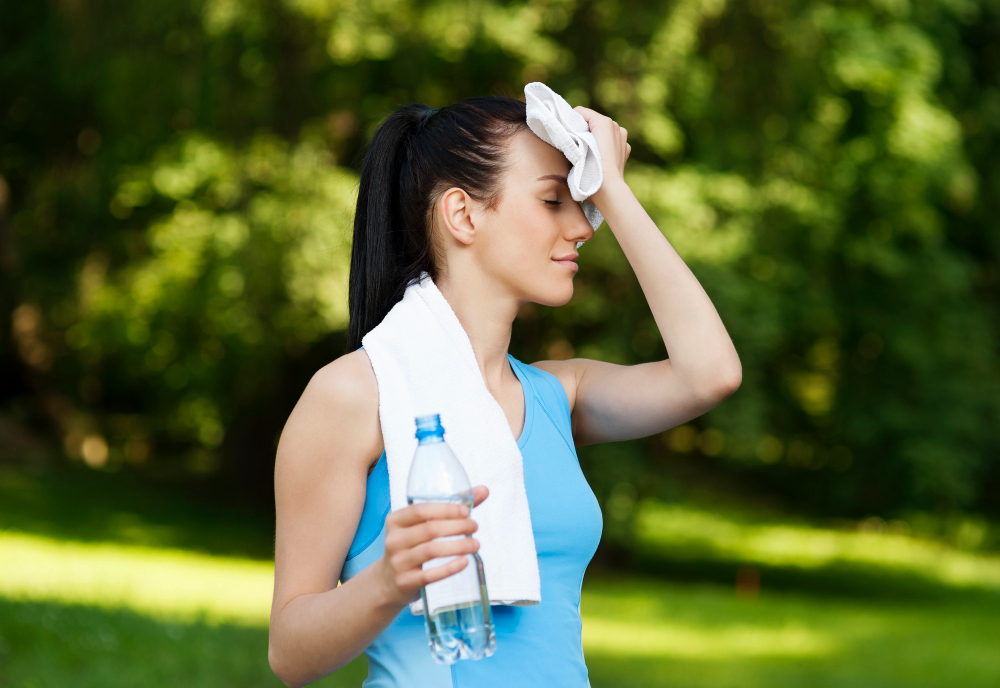
Drink water before and after your walk. Carry a bottle of water with you if you walk for over 30 minutes. If you sweat a lot, you may want to add some kind of electrolyte to your water.
Fuel your walk right, shop hydration essentials now on Tata 1mg, and stay refreshed all day. Tap Here!
2. Wear Breathable Clothing
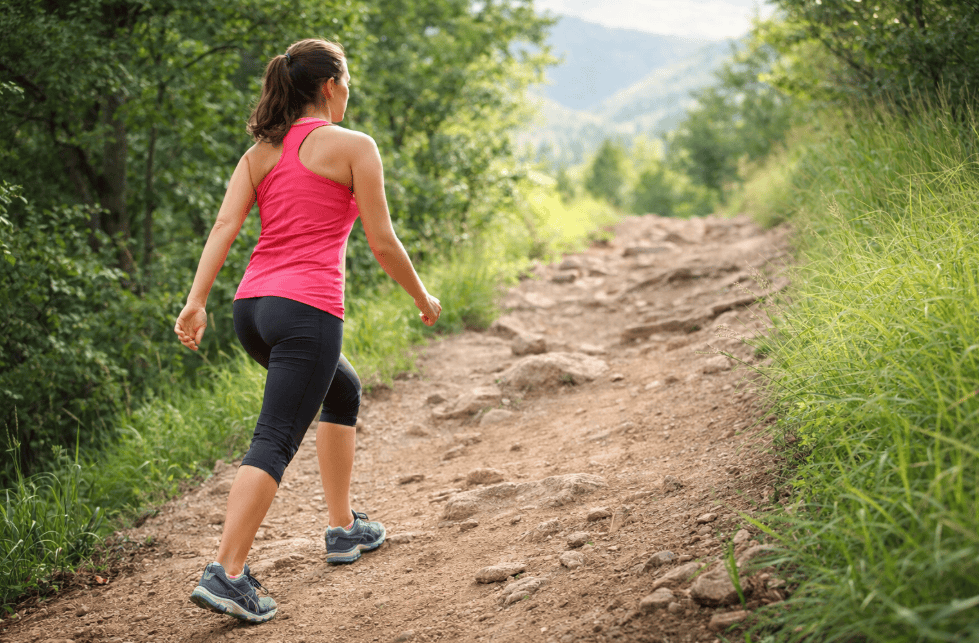
Wear light coloured, loose-fitting clothing that is made with natural fibres such as cotton. Avoid wearing synthetic fabrics as they retain heat.
3. Apply Sunscreen
Apply a sunscreen that is SPF 30 or higher. Wear sunglasses and a hat when you go outside.
Explore our range of sunscreens from Tata 1mg to keep your skin protected and glowing.
Click Here!
4. Choose the Right Route

Select a route for your walking that has trees or parks to keep cool and avoid walking around crowds and pollution.
5. Listen to Your Body

Be aware of your body. If you feel dizzy, weak, or overly hot, stop walking. You should take breaks as needed.
6. Wear Proper Shoes

For best results, wear lightweight cushioned shoes with a grip when walking to reduce your risk of blisters, provide foot support, and enhance walking ability.
Should You Walk Before or After Meals?
Both have benefits, but your goal determines the best option.
- Walking prior to meals has the benefit of burning off the body’s fat that is stored when your body is hungry. It is also helpful as part of your morning routine to stimulate your metabolism.
- When you walk after meals, this can assist in digestion. In addition, it helps to manage blood sugar levels and alleviates the tendency for fat production from eating a full meal.
Note: A 10–15 minute walk after a meal is particularly beneficial when losing fat from the abdomen.
Can Walking Alone Help You Lose Weight?
Yes, but you will see a greater improvement in the amount of weight you lose if you combine walking with healthy food (high protein and fiber), getting plenty of sleep, and managing your stress levels.
Walking alone will take a long time, and the results might be marginal. However, walking is very safe, easy to stick to, and can be sustained over a long period of time.
Ways That A Lot of People Walk, But Do Not Lose Weight

People who walk every day but do not lose any weight have made some of these common mistakes:
- Walking too slowly.
- Not being consistent with a routine.
- Not tracking their steps or timing while walking.
- Overeating after walking.
- Not drinking enough water.
These are all small problems, but correcting them can have a positive impact on your results.
Key Takeaways

For successful and safe weight loss throughout the summer, try walking during the cooler parts of the day, drink plenty of water, keep up a steady, brisk pace, and make walking a part of your daily life.
Remember, shedding pounds is a habit you cultivate, not something you achieve overnight with diet pills or specialized exercise programs. Walking helps you build this habit by establishing a routine and supporting weight loss, mental well-being, overall fitness, and heart health.
So, lace up your shoes, find the time that works best for you, and make walking a daily practice this summer.
FAQs
- Is summer walking good for losing weight?
Walking in the summer can definitely help with losing weight if you are smart about how you do it. You need to make sure that you walk at the appropriate pace for the right amount of time, stay hydrated, and consistent.
- What is the best time to walk during the summer?
Walking early in the morning between 5:30 a.m. and 8:00 a.m. will reduce your risk of heat exhaustion and will also allow you to walk in a cooler environment.
- How many steps should I walk per day to lose weight?
If you want to lose weight by walking, set a daily walking goal of 8,000 to 10,000 steps based on your current level of fitness and your specific fitness goals.
- Is it possible to do an evening walk in the summer instead of a morning walk?
Evening walks are an excellent option as long as you pick cooler hours after sunset to prevent heat exhaustion and dehydration.
- For how long do I need to walk each day to lose weight?
If you walk 45–60 minutes at a brisk pace each day, you will see gradual weight loss over time.
- Does walking on a completely fasted stomach aid in fat loss?
Walking on an empty stomach may help burn excess fat; however, listening to your body is essential to prevent overtraining.
- What should I drink before and/or after my summer walk?
You should drink some water and/or an electrolyte drink before and/or after your summer walk. If you walk for an extended period, you should also drink electrolyte drinks to maintain proper hydration.
- Why do I not see any weight loss despite walking every day?
Most often, reasons you do not notice the fat loss include walking too slowly, an irregular walking schedule, overeating, lack of proper sleep, and/or not walking long enough each day to create a calorie deficit.
Recommended Reads
Is 10,000 Really the Magic Number for Steps in a Day? What Research Says
Keto Gummies: A Delicious Way To Lose Weight
(The article is written by Deepa Sarkar, Medical Writer, and reviewed by Monalisa Deka, Deputy Manager, Clinical Health & Content, Medical Affairs)