
We often say ‘age is just a number,’ but anyone who has begun experiencing joint ache, reduced stamina, or forgetfulness too often would disagree. Aging is a natural process that our bodies go through; many of the organs and vital systems in the body start losing their edge as we grow older. With age, our bodies struggle to absorb nutrients. As a result, even though you may appear fit, nutritional gaps start widening. While a healthy lifestyle comprising a balanced diet, physical movement, and adequate rest is important, sometimes it just is not enough. That is where targeted supplementation comes in. Understanding which supplements matter and why can help you make informed choices that support long-term well-being.
Expert-Recommended Supplements for Healthy Aging
Omega-3 Fatty Acids
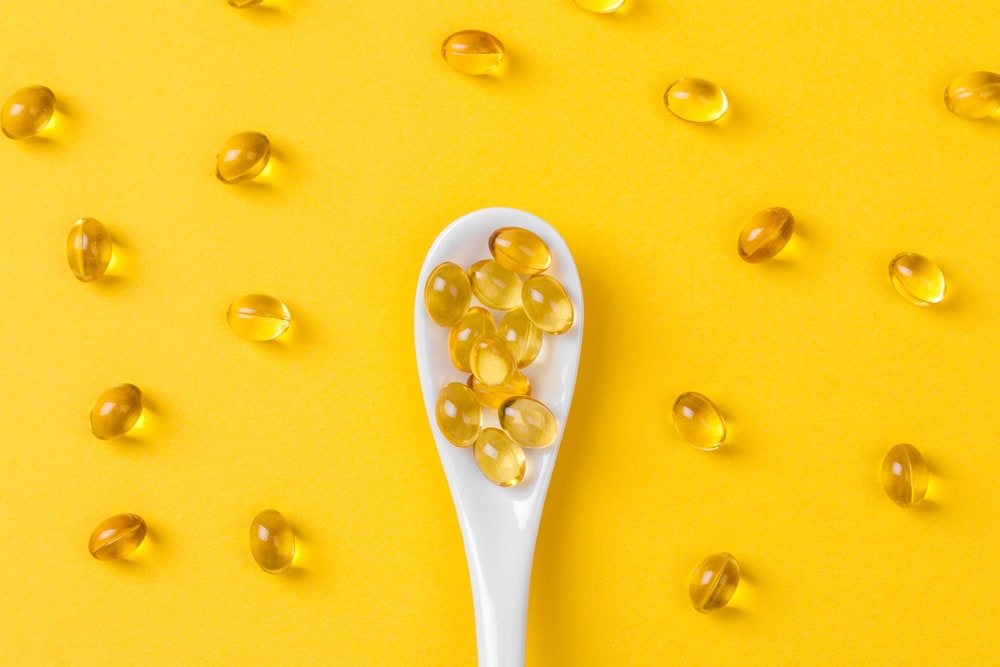
Commonly found in fatty fish, omega-3s are a group of healthy fats, particularly EPA and DHA, that aid various vital functions in the body. Despite their importance, the human body cannot produce these fatty acids; hence, we rely on external intake. As a result, many people whose diet is not rich in fish, nuts, and seeds often do not get enough of these. As we age, maintaining healthy cardiovascular health and optimal cognitive function becomes a priority, and omega-3s help in both of these. At the same time, these fatty acids have potent anti-inflammatory qualities that reduce oxidative stress and combat inflammation in joints to promote healthy joints, better flexibility, and movement as we age while preventing damage. Regular intake, along with a balanced diet, supports heart health, mental clarity, and overall wellness as the body ages.
Vitamin D
Vitamin D is a nutrient that is vital for maintaining strong bones, muscles, and the immune system. As we grow older, our skin loses its ability to make vitamin D from the sun, which can lead to a deficiency. Vitamin D deficiency has been linked to lower bone density, weaker muscles, and an increased risk of falls. Vitamin D is also important for the immune system and metabolism. Supplements are often advised, especially for older people who get less sunlight. Vitamin D supplements can help maintain strong bones and muscles, which is important for healthy aging and physical activity.
Calcium
Calcium is a nutrient that is important for maintaining strong bones. As people age, the body may experience an increase in bone breakdown compared to the growth of new bone tissue, which can lead to an increased risk of fractures. Calcium supplements can help maintain strong bones by slowing down the breakdown of bone tissue, especially when taken in combination with vitamin D. Although calcium is present in dairy products, leafy vegetables, and calcium-fortified foods, many people do not get enough calcium from their diets. Strong bones are the building blocks of healthy aging and physical activity.
Vitamin D3
Often called the sunshine vitamin, vitamin D3 is critical for aging adults because the skin becomes less efficient at synthesizing it from sunlight over time. Its primary role is aiding calcium absorption, which is non-negotiable for maintaining strong bones and preventing osteoporosis. Beyond bone health, vitamin D3 acts more like a hormone, regulating immune function and muscle strength, which helps reduce the risk of falls. Many experts recommend pairing D3 with vitamin K2 to ensure calcium is directed to the bones rather than accumulating in the arteries. Maintaining optimal levels is one of the simplest ways to support overall longevity and immune resilience.
Collagen
Collagen supplements have received attention due to their ability to improve skin, hair, and nail health. It is the body’s most abundant protein, and it is essential for the structural integrity of the skin, hair, and nails. Collagen works together with hyaluronic acid and elastin, helps to maintain skin suppleness, volume, and hydration. It also contributes to the formation of proteins like keratin, which is found in skin, hair, and nails. Collagen production decreases as you get older, resulting in increased symptoms of aging such as wrinkles. According to research, collagen supplementation may help enhance skin elasticity, moisture, and firmness, decreasing the appearance of wrinkles and producing a more youthful complexion. In addition, collagen supplements have been demonstrated to promote hair growth and strength, as well as nail development and durability.
Creatine
Creatine is an amino acid produced naturally in the liver, kidneys, and pancreas that is required for energy and cellular activity. Supplementing with collagen can enhance strength, muscular growth, and cognitive function. While creatine is often associated with sports, research suggests it may be especially advantageous as we age. Aging is frequently accompanied by progressive muscle loss, decreased strength, and decreased energy levels. Additionally, creatine may help lower the risk of inflammation, falls, and the loss of healthy bone mass. Beyond the muscles, a new study suggests it has considerable advantages for brain health, perhaps improving short-term memory and cognitive thinking. Creatine supplementation may help delay this process, increasing bone and muscular health while also decreasing cognitive decline.
Magnesium
Magnesium is involved in approximately 300 metabolic activities in the human body, although many people are unknowingly deficient. This mineral is necessary for a variety of health conditions, including sleep and brain function. It relaxes muscles and promotes a healthy neural system, which can help relieve late-night leg cramps and anxiety. Magnesium promotes muscular function, neural communication, heart rhythm, and energy generation. In addition to promoting bone health, magnesium’s capacity to control blood pressure makes it beneficial to heart health. Magnesium supplements may aid in relaxation, muscular recovery, and improved sleep quality, among other advantages. Adequate magnesium consumption promotes everyday functioning and contributes to overall physiological stability with aging.
Probiotics
Gut health is way more than just digestion; from nutrient absorption to immunity and even mood, our gut plays a central role in overall health. Probiotics are beneficial bacteria that help maintain a balanced microbiome, which is essential for efficient nutrient absorption and a strong immune response. As we get older, our gut diversity can decrease, leading to digestive discomfort or a weakened defense against illness. Experts recommend high-quality probiotic supplements to restore this balance, which can improve vitality and even impact mental health via the gut-brain axis. By keeping your digestive system healthy, you ensure your body can effectively utilize all the other nutrients you consume.
Conclusion
Healthy aging means maintaining function, independence, and quality of life as we age. Omega-3s, vitamin D, magnesium, probiotics, collagen, and creatine are a few examples of supplements that might help us stay healthy as we age. When paired with a balanced diet, regular exercise, and adequate sleep, these supplements can help increase vitality and resilience over time. As with any supplement, individual requirements may vary; it is always best to speak with a healthcare professional before adding additional supplements to your routine.
(The article is written by Ehsan Siddiqui, Team Lead and reviewed by Monalisa Deka, Deputy Manager, Clinical Health & Content, Medical Affairs)
Recommended Read:
Omega-3 Supplements for Heart, Joints And Mood: What Does it Do & Should You Take It?
How Omega 3’s Can Benefit Your Joint Health