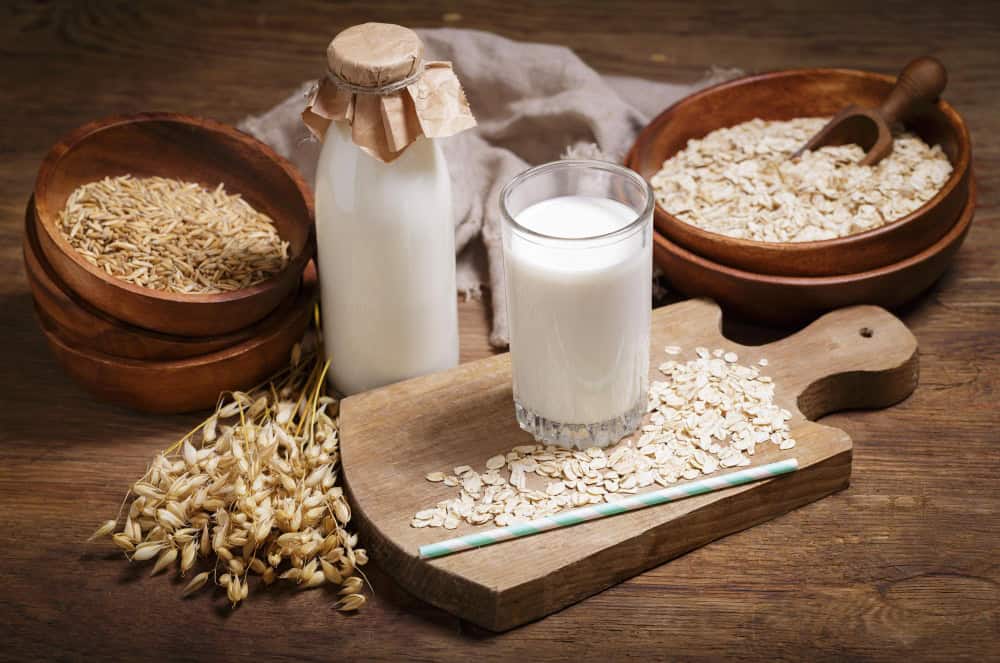
Your doctor says your LDL is on the higher side and suggests more fiber. Then the real question begins: oats vs barley, which one is better for your cholesterol?
Did you know?
According to WHO’s 2026 update, about 39% of adults worldwide have raised total cholesterol [1]. In India, the ICMR-INDIAB study reported wide regional differences, ranging from 4.6% to 50.3% for total cholesterol of 200 mg/dL or higher [2].
Both grains contain a fiber called beta-glucan that helps lower LDL (bad cholesterol). In this guide, we compare oats beta-glucan and barley beta-glucan, look at what studies show, and help you choose what suits you.
What Is Beta-Glucan?
Beta-glucan is a soluble fiber found in the cell walls of oats and barley [3]. “Soluble” means it dissolves in water and forms a thick, gel-like substance in your gut [4]. This gel-like fiber is one reason oats and barley may help support healthy cholesterol levels.
Whole-grain oats and barley both have known cholesterol-lowering effects [3]. However, the amount matters. Researchers found that around 3 g of beta-glucan a day is enough to lower blood cholesterol [5].
Quick Byte: US and European health authorities allow a cholesterol-lowering claim for 3 g a day of beta-glucan from oats or barley [6].
Interesting fact:
Some people are born with high cholesterol levels. This condition is called familial hypercholesterolemia. It is an inherited condition that affects how the body clears LDL cholesterol from the blood, leading to high LDL levels from an early age.
How Does Beta-Glucan Lower Cholesterol?
Here is what happens inside your body, step by step [4,6]:
- Step 1, the gel forms: Beta-glucan gel traps bile acids in your gut. Your body makes bile from cholesterol.
- Step 2, bile leaves: The trapped bile exits in your stool instead of being reused.
- Step 3, your liver responds: It makes fresh bile using cholesterol from your blood, so LDL levels fall.
- Bonus, gut bacteria: They may turn beta-glucan into compounds that also affect cholesterol.
Meanwhile, this route differs from how statins work, so beta-glucan may add to their effect [6]. It is not a replacement for them.
| Worth Knowing
Beta glucan may also support gut health by acting as a prebiotic that feeds beneficial gut bacteria [6]. Its effects on blood sugar are still being studied, so more evidence is needed before drawing firm conclusions [5]. |
Oats vs Barley: What Do They Contain?
Oats vs barley is a close race on beta-glucan. Here is how each grain stacks up, starting with oats.
Oats Beta-Glucan
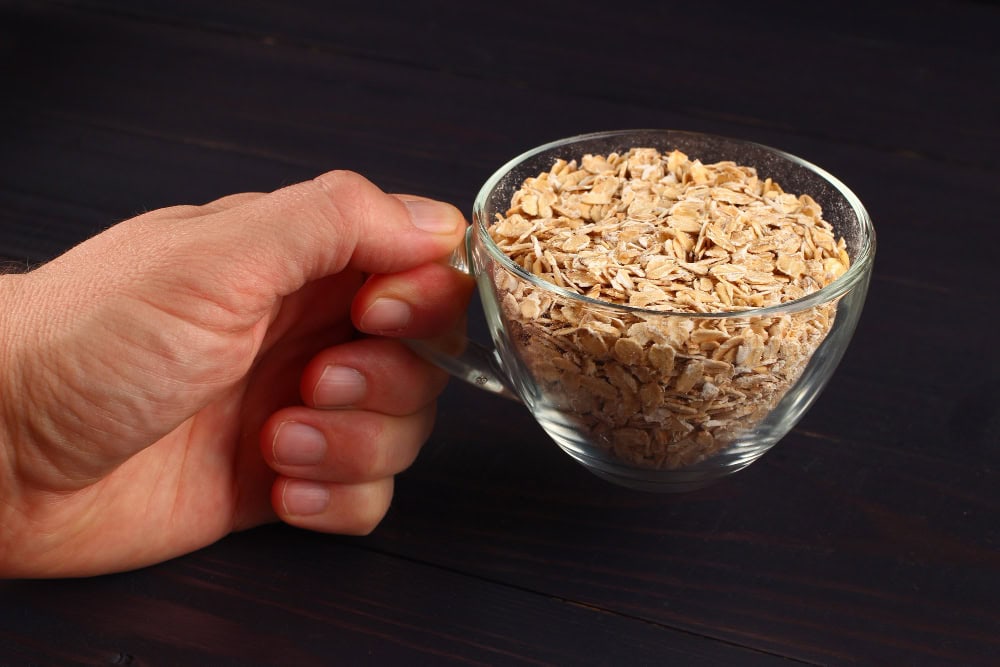
Oat flakes contain about 4.6% beta-glucan on average [7]. More of it is soluble, which is the form that helps with cholesterol [8]. As a serving guide, 30 g of oats or 1–2 tablespoons of oat bran gives about 1 g [6].
Per 100 g raw, oats have about 379 kcal, 10.1 g fiber, 13.15 g protein, and 67.7 g carbohydrate [9].
Barley Beta-Glucan
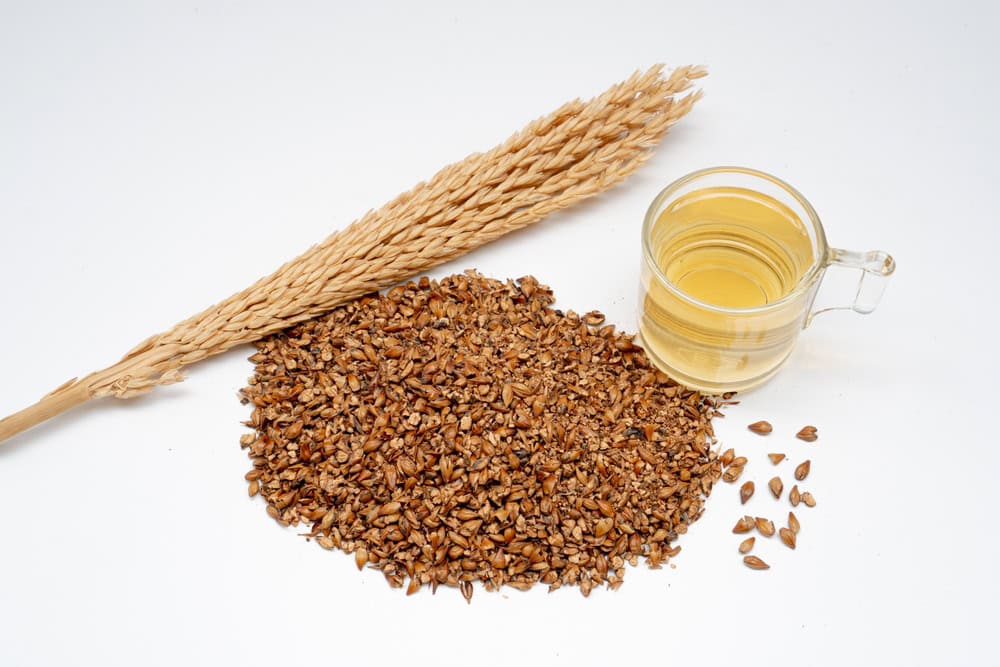
Barley flakes contain about 5.2% on average, and some barley types reach 5–10% [7,10]. About 25–30 g of raw pearl barley (or 75 g cooked) gives roughly 1 g [6].
Per 100 g raw pearled barley, you get about 352 kcal, 15.6 g fiber, 9.9 g protein, and 78 g carbohydrate [9].
| Oats beta-glucan | Barley beta-glucan | |
| Average in flakes | 4.6% | 5.2 % |
| Soluble share | Higher | Lower |
| Food for about 1 g | 30 g of oats | 25-30 g of raw pearl barley |
| Fiber per 100 gm (raw) | 10.6g | 15.6g |
| Carbohydrate per 100 gm (raw) | 67.7g | 78g |
Oats vs Barley: Which Provides More Beta-Glucan?
Barley beta-glucan has a slight edge in total amount, at 5.2% against 4.6% in flakes [7]. However, oats beta-glucan is more soluble, and that is the form that helps with cholesterol [8]. So the oats vs barley gap is small in real life. A 1 g serving is about 30 g of oats or 25–30 g of raw pearl barley [6].
Oats, Cholesterol, and Barley Cholesterol: What Do Studies Show?
Both oats and barley contain beta-glucan, which may help lower LDL (low-density lipoprotein, or bad cholesterol) [11, 12]
- Oats: Studies found that around 3-4 g of oat beta-glucan a day may lower LDL cholesterol by about 7 mg/dl [11].
- Barley: Research suggests that around 6-7 g of barley beta-glucan a day may lower LDL cholesterol by about 10 mg/dl [12].
- Oats vs barley: One study shows that adults with raised levels of LDL ate 8 g of oats or barley flakes daily for 3 weeks. Both grains improved total and LDL cholesterol [7].
Note: Keep in mind that the barley trials used about double the oat dose, so you cannot compare the numbers directly.
How to Get 3 g of Beta-Glucan a Day
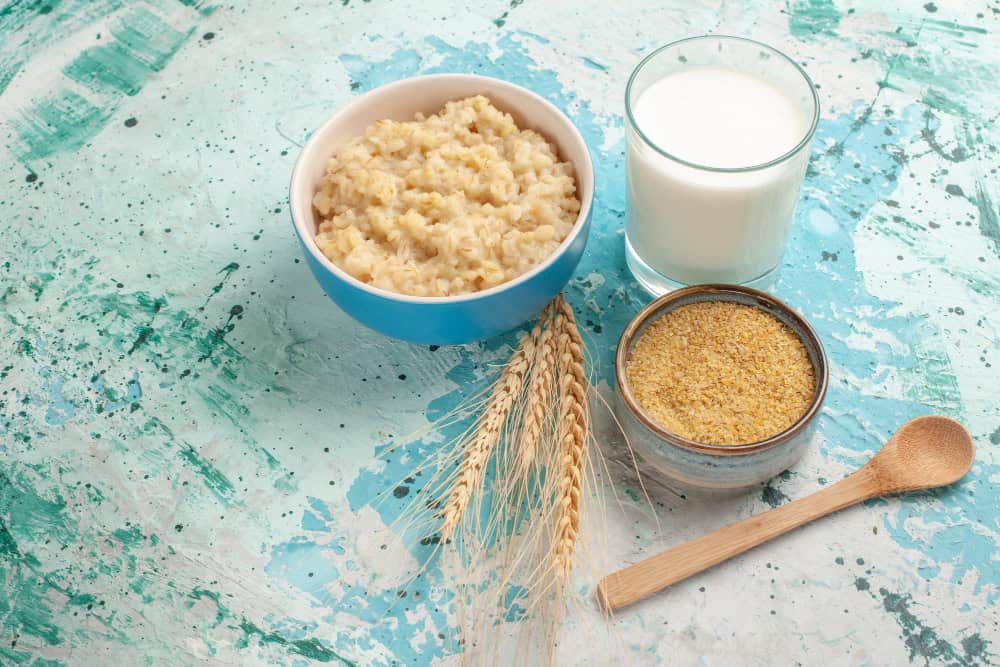
You do not need large portions or special products. Aim for any three 1 g servings a day [6]:
- Oats: 30 g in porridge, upma, or chilla, for your oats beta-glucan.
- Oat bran: 1–2 tablespoons sprinkled over soups, curries, or porridge.
- Barley (jau): 25–30 g raw, or 75 g cooked, in soups, khichdi, or as a rice-like side, for your barley beta-glucan.
Tip: Choose whole-grain forms and plain packs, not sugary instant sachets [3]. Add fiber slowly and drink enough water to avoid gas and bloating.
Oats or Barley? Choose Based on Your Diet, Health and Doctor’s Advice
Here is the honest answer on oats vs barley: nobody can say “eat oats” or “eat barley” for everyone. Both work, and the better pick depends on you. Play it safe, use this as a guide, and confirm with your doctor or dietitian.
Your diet and taste: Oats fit a quick, familiar breakfast. Barley (jau) suits hearty soups and rice-like sides. For oats cholesterol and barley cholesterol goals, the better grain is the one you will eat daily.
Gluten: Barley contains gluten. If you have coeliac disease or gluten sensitivity, skip barley and ask your doctor about oats labelled gluten-free.
Diabetes or carb counting:Barley contains more carbs than oats. If you have diabetes or count carbs, check the right portion with your doctor or dietitian.
Cholesterol medicines: Keep taking them as prescribed. Tell your doctor about any big diet change.
Sensitive stomach: Fiber can cause gas and bloating at first. Start small and build up.
Cannot decide? Use both. Try oats in the morning and barley at dinner, since any mix counts towards 3 g [6].
When to See a Doctor

Talk to a doctor if:
- Your cholesterol test is high, or you have never had one.
- You have a family history of an early heart attack or very high cholesterol [1].
- You have diabetes, kidney disease, or take regular medicines.
- Bloating or stomach pain continues after you add more fiber.
- You have chest pain or breathlessness. Seek urgent care.
Bottom Line
Oats vs barley is not a contest you need to win. Both oats beta-glucan and barley beta-glucan can help lower LDL when you eat about 3 g a day. Oats cholesterol and barley cholesterol benefits build over weeks, not days. Pick the grain that fits your meals, health and doctor’s advice.
FAQs
Which has more beta-glucan, oats or barley?
Barley has slightly more in total, about 5.2% against 4.6% in flakes [7]. However, the beta-glucan in oats is more soluble [8]. For cholesterol, the two are close.
What happens if you have too much beta-glucan?
Beta-glucan is generally well tolerated, but larger amounts may cause digestive issues such as gas, bloating or loose stools. If you develop persistent or bothersome symptoms after increasing your intake, talk to your doctor [14].
Is beta-glucan hard on the liver?
No, early research points the other way. In mice with fatty liver disease (MASLD), oat beta-glucan reduced liver inflammation and scarring, but human studies are still needed [15].
Does cooking destroy beta-glucan?
No. Cooking oats or barley in water keeps beta-glucan and can make more of it available [16]. Yeast bread may break its chains down, so porridge and soup are safer picks for oats, cholesterol, and barley cholesterol benefits [16].
Does barley beta-glucan work as well as oats beta-glucan?
Both can lower LDL cholesterol. In one small trial, oat and barley flakes both improved cholesterol. Larger head-to-head studies are still needed.
Can oats and barley replace cholesterol medicines?
No. Oat’s cholesterol benefits and barley’s cholesterol benefits are modest, and they work best alongside your treatment plan. Ask your doctor before changing any medicine [6].
Is barley gluten-free?
No. Barley contains gluten, so people with celiac disease should avoid it. Oats have no gluten, but they are often mixed with wheat during processing, so pick those marked gluten-free.
Disclaimer: This article is for general informational purposes only and is not a substitute for professional medical advice, diagnosis, or treatment. Always talk to your doctor or a qualified healthcare provider before making major changes to your diet or cholesterol treatment, especially if you have an existing health condition or take regular medicines.
References:
1. World Health Organization. Dyslipidaemia [Internet]. Geneva: WHO. [cited 2026 Oct 1]. Available from: https://www.who.int/news-room/fact-sheets/detail/dyslipidaemia
2. Sharma S, Gaur K, Gupta R. Trends in epidemiology of dyslipidemias in India. Indian Heart J. 2024;76:S20–8. PMID: 38360457. [cited 2026 Oct 1]. Available from: https://pubmed.ncbi.nlm.nih.gov/38360457/
3. Hughes J, Grafenauer S. Oat and barley in the food supply and use of beta glucan health claims. Nutrients. 2021;13(8):2556. [cited 2026 Oct 1]. Available from: https://pmc.ncbi.nlm.nih.gov/articles/PMC8401220/
4. Joyce SA, Kamil A, Fleige L, Gahan CGM. The cholesterol-lowering effect of oats and oat beta glucan: modes of action and potential role of bile acids and the microbiome. Front Nutr. 2019;6:171. doi:10.3389/fnut.2019.00171. [cited 2026 Oct 1]. Available from: https://pubmed.ncbi.nlm.nih.gov/31828074/
5. Tiwari U, Cummins E. Meta-analysis of the effect of β-glucan intake on blood cholesterol and glucose levels. Nutrition. 2011;27(10):1008–16. PMID: 21470820. [cited 2026 Oct 1]. Available from: https://pubmed.ncbi.nlm.nih.gov/21470820/
6. HEART UK. Oats and barley [Internet]. Available from: https://www.heartuk.org.uk/four-cholesterol-lowering-foods/oats-and-barley
7. Reiners S, Hebestreit S, Wedekind L, et al. Effect of a regular consumption of traditional and roasted oat and barley flakes on blood lipids and glucose metabolism: a randomized crossover trial. Front Nutr. 2023;10:1095245. [cited 2026 Oct 1]. Available from: https://pmc.ncbi.nlm.nih.gov/articles/PMC9932717/
8. Lee CJ, Horsley RD, Manthey FA, Schwarz PB. Comparisons of β-glucan content of barley and oat. Cereal Chem. 1997;74(5):571–5. [cited 2026 Oct 1]. Available from: https://www.cerealsgrains.org/publications/cc/1997/September/Pages/74_5_571.aspx
9. U.S. Department of Agriculture. FoodData Central [Internet]. [cited 2026 Oct 1]. Available from: https://fdc.nal.usda.gov/food-details/2708489/nutrients
10. Keogh GF, Cooper GJS, Mulvey TB, et al. Randomized controlled crossover study of the effect of a highly β-glucan-enriched barley on cardiovascular disease risk factors in mildly hypercholesterolemic men. Am J Clin Nutr. 2003;78(4):711–8. PMID: 14522728. [cited 2026 Oct 1]. Available from: https://pmc.ncbi.nlm.nih.gov/articles/PMC5962967/
11. Ho HVT, Sievenpiper JL, Zurbau A, et al. The effect of oat β-glucan on LDL-cholesterol, non-HDL-cholesterol and apoB for CVD risk reduction: a systematic review and meta-analysis of randomised-controlled trials. Br J Nutr. 2016;116(8):1369–82. PMID: 27724985. [cited 2026 Oct 1]. Available from: https://pubmed.ncbi.nlm.nih.gov/27724985/
12. Ho HVT, Sievenpiper JL, Zurbau A, et al. A systematic review and meta-analysis of randomized controlled trials of the effect of barley β-glucan on LDL-C, non-HDL-C and apoB for cardiovascular disease risk reduction. Eur J Clin Nutr. 2016;70(11):1239–45. PMID: 27273067. [cited 2026 Oct 1]. Available from: https://pubmed.ncbi.nlm.nih.gov/27273067/
13. Beta-glucan as a soluble dietary fiber source: origins, biosynthesis, extraction, purification, structural characteristics, bioavailability, biofunctional attributes, industrial utilization, and global trade. Nutrients. 2024;16(6):900. doi:10.3390/nu16060900. [cited 2026 Oct 1]. Available from: https://pmc.ncbi.nlm.nih.gov/articles/PMC10975496/
14. Edo GI, Mafe AN, Ali ABM, Akpoghelie PO, Yousif E, Isoje EF, et al. A critical review on the impacts of β-glucans on gut microbiota and human health. The Microbe. 2025;7:100394. [cited 2026 Oct 1]. Available from: https://www.sciencedirect.com/science/article/pii/S2950194625001621
15. Jaeger J, Brandt A, Gui W, Yergaliyev T, Hernández-Arriaga A, Muthu MM, et al. Microbiota modulation by dietary oat beta-glucan prevents steatotic liver disease progression. JHEP Rep. 2024;6(3):100987. [cited 2026 Oct 1]. Available from: https://pubmed.ncbi.nlm.nih.gov/38328439/
16. Henrion M, Francey C, Lê KA, Lamothe L. Cereal β-glucans: the impact of processing and how it affects physiological responses. Nutrients. 2019;11(8):1729. PMID: 31357461. [cited 2026 Oct 1]. Available from: https://pmc.ncbi.nlm.nih.gov/articles/PMC6722849/
17. Nourishment for Life. Pearl barley [Internet]. [place unknown]: Nourishment for Life; 2026 Sep 30 [cited 2026 Oct 1]. Available from: https://www.nourishmentforlife.org/grains/barley-pearled
(The article is written by Nancy Dixit, Associate Manager, Clinical Health & Content, Medical Affairs, and reviewed by Monalisa Deka, Deputy Manager, Clinical Health & Content, Medical Affairs.)
Recommended Reads:
Does Your LDL or Bad cholesterol Go Down When You Take Calcium Supplements?
Natural Cholesterol Lowering Supplements Reducing Cholesterol