
Did you know that nearly 70%-80% of your immune system lives in your gut? [1] And yet, people only think about gut health when something goes wrong – bloating after meals, irregular bowel movements, or frequent infections. The internet often talks about prebiotics vs probiotics as if you must choose one. But your gut doesn’t work in isolation. It works as an ecosystem. Inside you lives a complex world of trillions of microbes — helping you digest food, support immunity, and even influence your mood. When this ecosystem is balanced, you feel lighter, energetic, and comfortable in your body. When it’s not, you feel the imbalance — every single day.
That’s where prebiotics, probiotics, and postbiotics come in. You may have seen these words on yogurt cups or supplement bottles. They sound similar, but they play very different roles in supporting gut health. Let’s break it down simply — and more importantly, understand how to actually use them the right way.
What Exactly Are Prebiotics, Probiotics & Postbiotics?
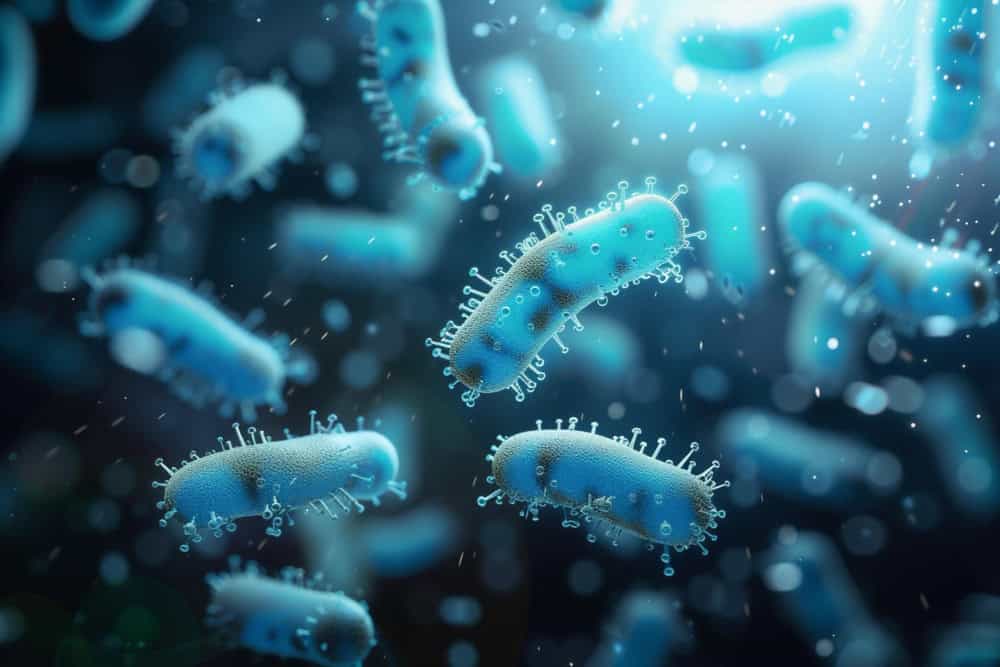
Before diving into prebiotics vs probiotics, let’s define each clearly.
- Probiotics: These are live beneficial bacteria that, when consumed in adequate amounts, support gut balance. Probiotics help restore microbial balance (especially after antibiotics), support digestion, immune function, and crowd out harmful bacteria. Common food sources are curd (dahi), buttermilk, yogurt with live cultures, or fermented foods like idli, dosa batter, and kanji.
- Prebiotics: They are non-digestible fibers that feed the beneficial bacteria already present in your gut. Prebiotics help nourish good bacteria, multiply beneficial microbes, and improve the gut environment over time. Common sources include garlic, onion, banana (especially slightly raw), oats, whole grains, legumes, and apples. Without prebiotics, probiotics struggle to survive long-term.
- Postbiotics: Bioactive compounds or postbiotics, are produced when probiotics digest prebiotics. Think of them as the result of good gut activity. These include short-chain fatty acids (like butyrate), enzymes, peptides, and organic acids. They may support the gut lining, help regulate inflammation, support immunity, and improve the overall gut environment.
This is why the discussion shouldn’t stop at prebiotics vs probiotics — because postbiotics are the actual compounds delivering many of the health benefits [2].
How Prebiotics, Probiotics & Postbiotics Work Together

Prebiotics vs Probiotics: The Core Difference
At their simplest, probiotics are live beneficial bacteria, whereas prebiotics are food for probiotic bacteria. Instead of viewing prebiotics vs probiotics as a competition, it’s better to understand their partnership. Here’s a simplified comparison of prebiotics vs probiotics with the third player people usually don’t know about:

How Do They All Work Together?
Think of it as a cycle: you eat prebiotic-rich food (fiber), good bacteria (probiotics) digest it, and they produce postbiotics. Your gut environment improves, and beneficial bacteria continue to thrive. Therefore, it is not prebiotics vs probiotics. It is probiotics with prebiotics that give postbiotics and a signal for a healthier gut. Hence, when one part is missing, the system can become less efficient.
How to Take Them for a Healthy Gut

Now the practical part. You don’t need an expensive supplement routine. Here’s how to approach it realistically.
1. Start With Food First
Before buying supplements, improve your diet. Daily structure idea:
- With Morning Meals: Have curd or buttermilk
- In Lunch: Add onion, garlic, or salad (leafy greens)
- In Snacks Time: Eat fruit like banana or apple
- During Dinner: Include dal, vegetables, whole grains
This alone can provide a combination of prebiotics and probiotics.
2. Increase Fiber Gradually
If your current intake is low, add one fruit daily, switch to whole grains, or include one bowl of legumes. Increase fiber slowly to avoid discomfort. Aim for 25–35 grams of fiber daily (quantity varies by age and gender). Always check with your doctor before increasing fiber in your diet.
3. Keep Yourself Well Hydrated
Fiber needs water to work effectively. Without enough fluids, bloating can worsen. Aim for adequate water throughout the day.
4. Consider Supplements If You Need Them
Supplements may be useful:
– After antibiotic treatment
– In specific gut disorders (under medical advice)
– If dietary intake is insufficient
Look for clearly labelled strains, expiry dates, and reputable brands.
At TATA 1mg, get all that you need in just a click! Explore now.
Always remember: supplements complement—not replace—a balanced diet.
5. Manage, Don’t Ignore: Stress
Your gut and brain are connected through the gut-brain axis. Chronic stress can disrupt gut balance. Incorporate deep breathing, walking regularly, trying yoga, and quality sleep. A calm mind can support a healthy gut.
Signs Your Gut May Need Attention
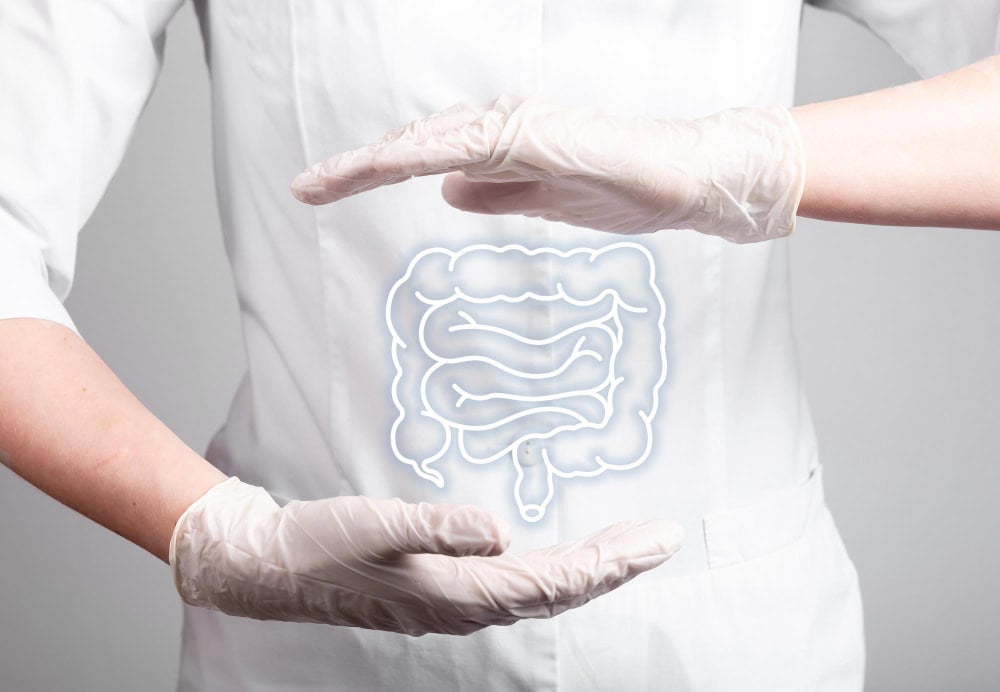
Frequent bloating or infections, irregular bowel movements, persistent gas, digestive discomfort after meals, and feeling heavy are some common signs. If these signs sound familiar, your gut microbiome may need attention.
When symptoms are severe, persistent, or painful, consult a healthcare professional without delay.
Book an appointment now!
Final Takeaway
When you nourish the system as a whole, your digestion feels smoother, your immunity is supported, and your overall well-being improves. Hence, think ecosystem, not competition, and that’s the real goal — not choosing sides, but building balance.
FAQs
Q. What is the best way to have prebiotics and probiotics?
The best way is through food. Include fermented foods like curd or yogurt (probiotics) and fiber-rich foods like fruits, vegetables, and whole grains (prebiotics) daily. Consistency matters more than high doses.
Q. How can you heal your gut naturally?
Eat fiber-rich foods, include fermented foods, stay hydrated, manage stress, sleep well, and limit ultra-processed foods. Small daily habits can support long-term gut balance.
Q. What are the common signs of an unhealthy gut?
Frequent bloating, gas, constipation or diarrhea, food intolerance, low energy, and recurring infections can be signs your gut needs support.
Q. What not to mix with probiotics?
Avoid taking probiotics with very hot beverages, as heat can damage live bacteria. Also, take them at a different time than antibiotics unless advised by a doctor.
Q. Which is healthier, prebiotics or probiotics?
Neither prebiotics nor probiotics is “better”. Prebiotics feed good bacteria, and probiotics add beneficial bacteria. Your gut benefits most when you include both.
Q. What are some foods that can worsen your gut health?
Highly processed foods, excess sugar, deep-fried foods, artificial sweeteners (in excess), and very low-fiber diets may negatively affect gut balance.
Q. Can probiotics or prebiotics help if you have lactose intolerance?
Certain probiotic strains may help improve lactose digestion. Fermented dairy, like curd, is often better tolerated than milk. Prebiotics may also support overall gut balance.
Q. Is curd prebiotic or postbiotic?
Curd is mainly a probiotic food because it contains live beneficial bacteria. It is not a prebiotic or a postbiotic. Postbiotics are compounds produced by bacteria during fermentation.
References
1. Wiertsema SP, Van Bergenhenegouwen J, Garssen J, Knippels LMJ. The Interplay between the Gut Microbiome and the Immune System in the Context of Infectious Diseases throughout Life and the Role of Nutrition in Optimizing Treatment Strategies. Nutrients. 2021;13(3):886. doi:10.3390/nu13030886
2. Al-Habsi N, Al-Khalili M, Haque SA, Elias M, Olqi NA, Al Uraimi T. Health Benefits of Prebiotics, Probiotics, Synbiotics, and Postbiotics. Nutrients. 2024; 16(22):3955. https://doi.org/10.3390/nu16223955
(The article is written by Sneha Jajoo, Intern, Clinical Health & Content, and is reviewed by Dr.Subita Alagh, Assistant Team Lead, Disease Content.)