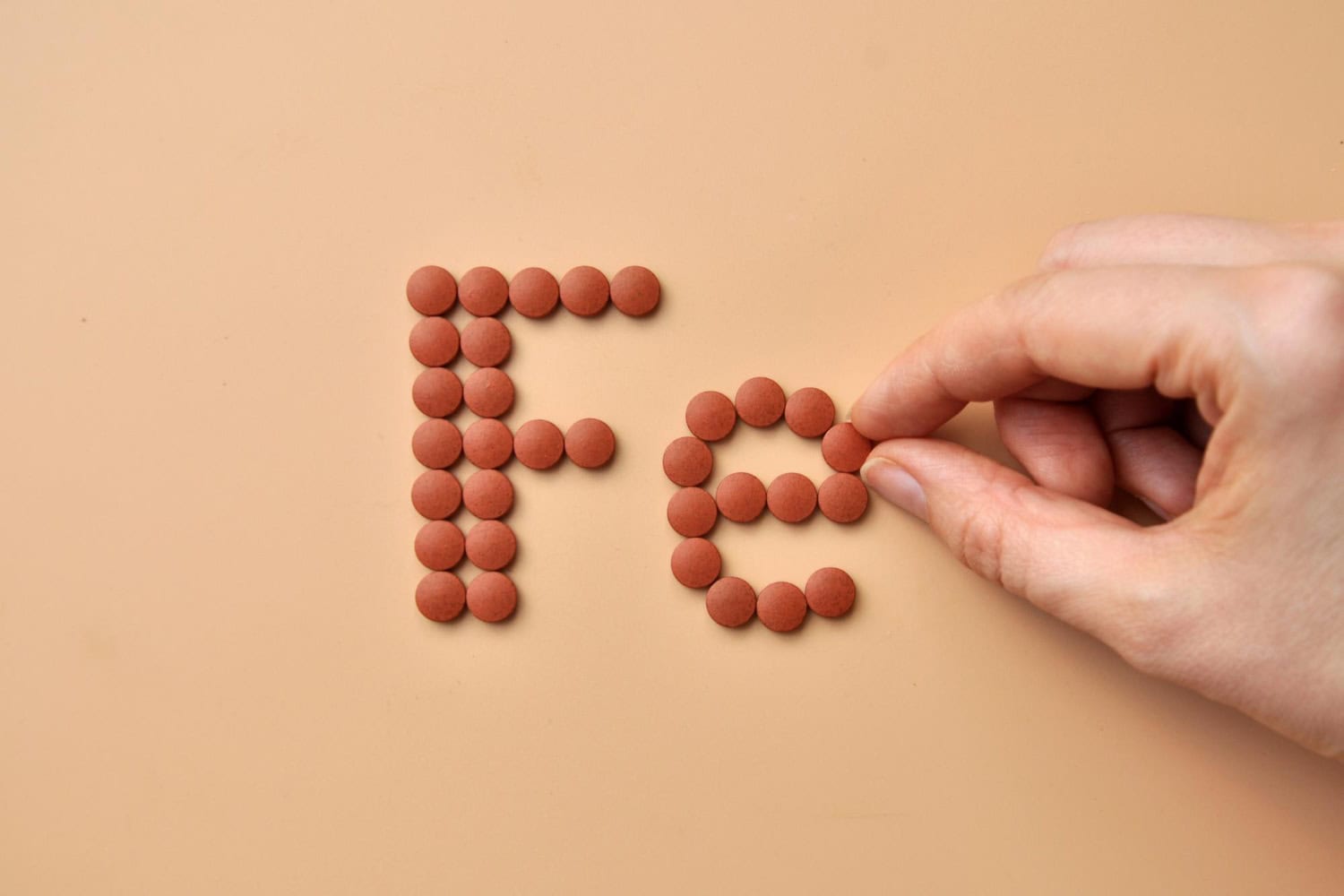
You take your iron tablet every morning. Faithfully. Then you wash it down with your first cup of chai, because that’s how mornings work. A month later you still feel tired, and you wonder if the tablets are doing anything at all.
How much iron your body absorbs can change depending on what you take it with. In one study of 34 young women with low iron, the same iron dose was absorbed at about 7% when taken with a full breakfast, about 21% when taken with water, and about 27% when taken with vitamin C [1, 2].
However, these results do not directly predict how well iron treatment will work for every person. They come from one small study, done under set conditions. Still, they show why the small things around your tablet can matter. Let’s look at seven of them.
A quick bit of background first. Iron tablets come in different forms, like ferrous sulfate, ferrous fumarate, and ferrous gluconate [2]. Most of them are “non-heme” iron, which just means it isn’t the heme iron found in meat and fish. Non-heme iron is easier for other foods and drinks to block [2]. Ferrous forms are also absorbed better than ferric ones [2]. Each form has a different amount of real iron, so check the “elemental iron” amount on your label [2].
1. Vitamin C: a helper, but not a must
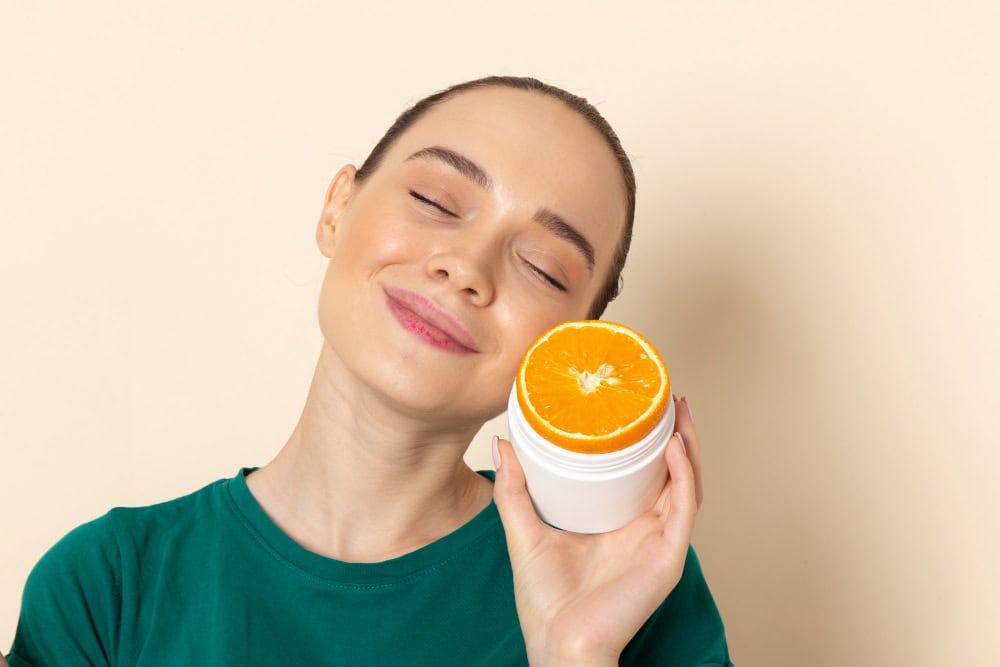
Vitamin C helps your body take up non-heme iron [2]. In a Swiss study of 34 young women with low iron, adding vitamin C to a morning iron dose raised absorption from about 21% to about 27%. That is roughly 30% more iron absorbed [1, 5]. A much higher vitamin C dose did not add significantly more [5].
Now the honest part. In a trial of 440 adults with iron deficiency anemia, iron alone worked as well as iron plus vitamin C for recovering hemoglobin [3]. So think of it as a nice extra, not a deal-breaker. If you have hemochromatosis (iron overload), avoid iron supplements and high-dose vitamin C supplements unless your doctor specifically advises them [2].
2. Tea and coffee: the usual suspects
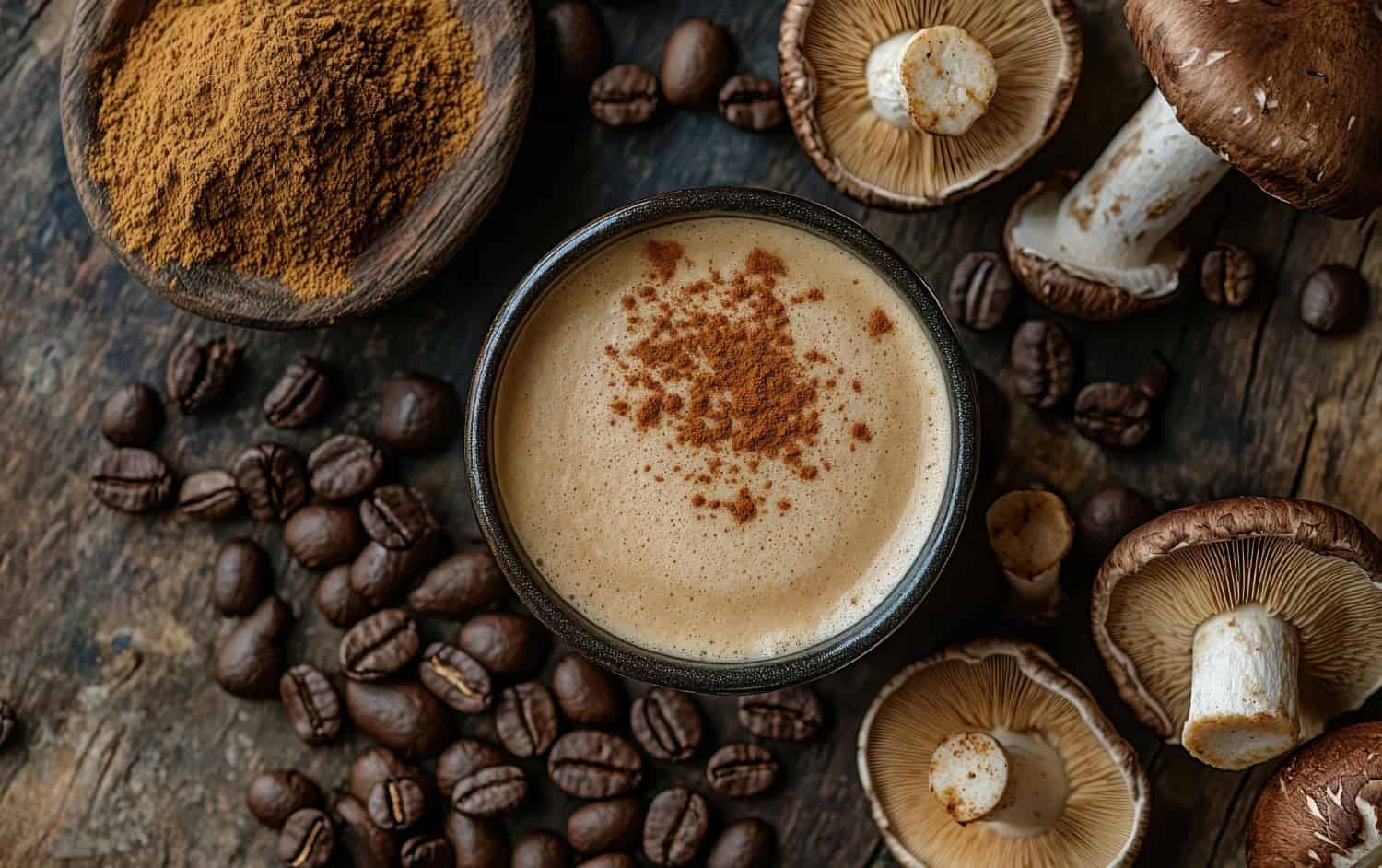
Tea and coffee contain polyphenols, which bind to iron and make it harder to absorb [1]. In that same study, coffee cut iron absorption by about half (54%) [5]. The volunteers also waited 3 hours after the dose before eating or drinking anything [1]. So take your tablet with water and keep your chai or coffee for at least a few hours later. The study didn’t test shorter gaps, so if 3 hours isn’t possible for you, ask your doctor or pharmacist what gap would work.
3. Calcium and dairy
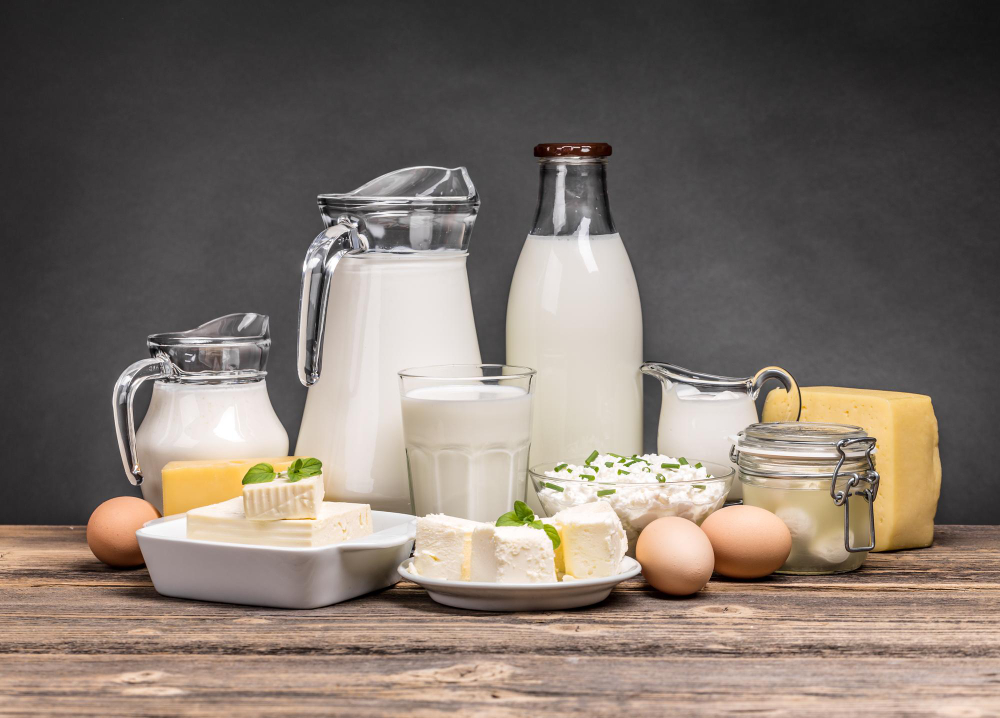
Calcium is the odd one out because it may reduce the absorption of both heme and non-heme iron [2]. The effect isn’t definitively proven, but experts suggest taking calcium and iron supplements at different times of day [2]. The casein in milk can also bind iron [1]. If you take a calcium tablet, check the timing. Also check whether your multivitamin contains calcium.
4. Whole grains, dals, and some greens
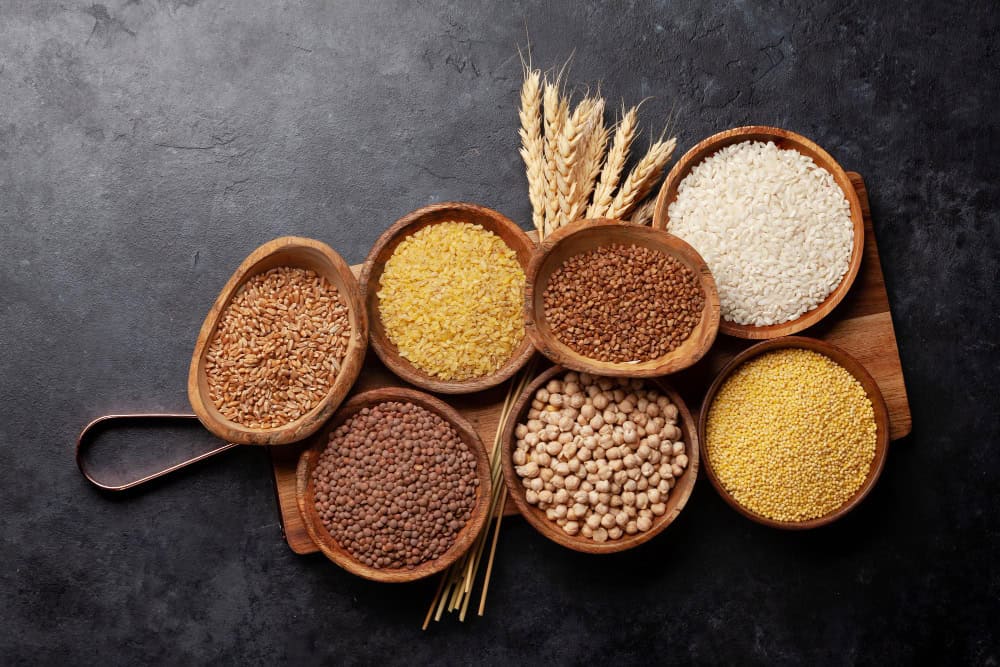
Plants are good for you, but grains and beans contain phytates, and some plant foods contain polyphenols. These compounds can reduce the absorption of non-heme iron [2]. Even spinach, rich in iron on paper, has low iron availability for this reason [2].
The good news is that a normal mixed diet softens these effects, and they have little impact on most people’s iron status [2]. You don’t need to give up roti or dal. But a full meal does matter for the tablet itself. In the Swiss trial, iron taken with a breakfast of bread, yogurt, orange juice and coffee was only about 7% absorbed [1]. Take the tablet on its own, then eat.
5. Certain medicines
Stomach acid helps iron get absorbed. That’s why antacids, H₂ blockers, and proton pump inhibitors (like omeprazole) can reduce absorption [1, 2]. In people with normal iron stores, long-term PPI use wasn’t linked to iron depletion. But people who are already iron deficient and take a PPI can respond poorly to iron [2].
Iron can also interfere with other medicines. The labels for levothyroxine (a thyroid medicine) advise not taking it within 4 hours of iron, and iron can reduce the absorption of levodopa [2]. Don’t stop any medicine on your own. Ask your doctor or pharmacist to help you space them out.
6. When and how often you take it
In one small study, iron taken in the afternoon was absorbed less (about 13%) than iron taken in the morning (about 21%) [1]. Your body makes more of a hormone called hepcidin later in the day, and it blocks some of the iron from getting in [1].
7. Your own body
Sometimes the problem isn’t the tablet. Inflammation from infections or long-term illnesses can raise hepcidin, which locks iron away in storage [2]. Gut conditions like celiac disease, ulcerative colitis, or Crohn’s disease, and surgeries on the stomach or intestines can also cause iron malabsorption [2]. Inflammation can even make a blood ferritin test look higher than your real iron stores [2]. If your iron isn’t improving even though you’re taking it correctly, ask your doctor to look for causes like these.
The bottom line
A simple routine covers most of this. Take your iron in the morning, on an empty stomach, with water or a glass of citrus juice. Keep tea, coffee, milk, calcium, and antacids away from it [1]. Swallow it with a full glass of water and stay upright for 30 to 60 minutes to protect your food pipe [1].
Two cautions: do not take iron supplements without medical advice. Taking more iron than you need—side effects and, in some cases, harmful iron accumulation. Ask your doctor how long you need treatment based on your blood tests [1]. And keep iron tablets away from children, since accidental iron overdose is a leading cause of fatal poisoning in kids under 6 [2].
FAQs
Can I take iron with orange juice?
Yes. A glass of citrus (the amount can vary from fruit to fruit) juice gives roughly 100 mg of vitamin C [1]. Just don’t take it with a full breakfast, which cuts absorption to 7% in one trial [1].
Can I take iron with my multivitamin?
Check the label. Calcium may interfere with iron [2], and iron supplements with 25 mg or more can reduce zinc absorption [2]. Ask your pharmacist how to space them.
Does iron cause side effects?
It can. Nausea, stomach upset, and constipation are more likely with high doses. Taking iron with food can help minimize it [2].
How long should I take iron?
Your doctor decides. A usual approach is to continue for about 3 months after hemoglobin returns to normal.
References
1. Andrade C. Dosing patients with oral iron supplements: practical guidance. J Clin Psychiatry. 2025;86(4):25f16139. doi:10.4088/JCP.25f16139. Available from: https://www.psychiatrist.com/jcp/dosing-patients-oral-iron-supplements/
2. National Institutes of Health, Office of Dietary Supplements. Iron: fact sheet for health professionals [Internet]. Updated 2025 Sep 4 [cited 2026 Oct 12]. Available from: https://ods.od.nih.gov/factsheets/Iron-HealthProfessional/
3. Li N, Zhao G, Wu W, Zhang M, Liu W, Chen Q, et al. The efficacy and safety of vitamin C for iron supplementation in adult patients with iron deficiency anemia: a randomized clinical trial. JAMA Netw Open. 2020;3(11):e2023644. doi:10.1001/jamanetworkopen.2020.23644. Available from: https://pmc.ncbi.nlm.nih.gov/articles/PMC7607440
4. Stoffel NU, Cercamondi CI, Brittenham G, Zeder C, Geurts-Moespot AJ, Swinkels DW, et al. Iron absorption from oral iron supplements given on consecutive versus alternate days and as single morning doses versus twice-daily split dosing in iron-depleted women: two open-label, randomised controlled trials. Lancet Haematol. 2017;4(11):e524-33. doi:10.1016/S2352-3026(17)30182-5. Available from: https://pubmed.ncbi.nlm.nih.gov/29032957/
5. von Siebenthal HK, Moretti D, Zimmermann MB, et al. Effect of dietary factors and time of day on iron absorption from oral iron supplements in iron deficient women. Am J Hematol. 2023;98(9):1356-63. doi:10.1002/ajh.26987. Available from: https://pubmed.ncbi.nlm.nih.gov/37357807/
This article is for general information and is not a substitute for medical advice.
Recommended Reads:
10 Healthy Foods Rich in Vitamin D You Should Add to Your Diet
Clinically Explained Vitamin D Supplements: Benefits, Dosage & Timing
(The article is written by Mantasha, Sr. Executive, Clinical Health & Content, and reviewed by Monalisa Deka, Deputy Manager, Clinical Health & Content, Medical Affairs.)