
There is no escaping the might of fire. From wildfires to minor superficial burns, fires have always been a boon and a bane that we can never do without. Thankfully, nature is bounteous and has provided us with the antidote to every injury.
Before reaching for any kitchen remedy, though, it helps to know what you’re actually dealing with. Not all burns are the same, and treating a deeper burn like a minor one can do more harm than simply worsening it. In this blog, we’ll first walk you through the different types of burns and the first-aid steps to take right after one happens, so you know when home care is enough and when it’s time to see a doctor. Once that’s covered, we’ll get into the natural remedies that can soothe and speed up healing for minor burns.
Understanding Burn Types and When to Treat at Home

Not every burn is the same, and knowing which type you’re dealing with helps you decide whether home remedies are enough or whether you need medical care.
First-degree burns
It affects only the outer layer of skin. The skin turns red and painful, may swell slightly, and later peels as it heals. These typically clear up in 5 to 10 days without scarring, and mild sunburns fall into this category.
Second-degree burns
The skin’s top layer is burnt, and the tissue is hurt in some places. Blisters are likely to form, and the burn will be quite painful.
Third-degree burns
It destroys all layers of skin and occasionally the tissue beneath it. The skin looks white or charred, and this always requires immediate medical attention – never home treatment.
Quick Note: As a rule, home remedies are suitable for first-degree burns and small second-degree burns under three inches across, as long as they’re not on the face, hands, feet, groin, or major joints. These usually heal within one to two weeks with basic home care.
When to See a Doctor
You should know when to treat a burn at home and when to go to the hospital. You should consult a physician if:
- Chemical or electrical exposure caused the burn
- The burn area is larger than your palm
- Face, neck, hands, feet, genitals, or joints are affected
- Bleeding occurs at the burn site
- Burn wraps all the way around an arm, leg, or finger
- A child under 10 years old is affected
- Diabetes, heart disease, liver disease, or lung disease is present
- A weak immune system is a factor (such as with HIV or chemotherapy)
- Shock symptoms appear – sweating, cold or clammy skin, fast shallow breathing, dizziness, weakness, or confusion
- Smoke inhalation is suspected
First Aid Before Home Remedies: What to Do (and What to Avoid)
Before reaching for any kitchen remedy, a few first-aid steps make a real difference to how well a burn heals:
Do’s
- Stop the burning process first. Move away from the heat source, and remove any clothing covering the area unless it’s stuck to the skin.
- Cool the burn under running tap water for up to 20 minutes, ideally within 20 minutes of the injury. Avoid ice-cold water, as it can worsen the damage to the skin.
- Cover the area loosely with a clean, non-stick cloth or bandage once cooled.
- Watch for infection signs like redness, swelling, or pus over the next few days.
- Reach out to a healthcare provider if you’re unsure how severe the burn is
Don’t
- Apply ice directly – it can worsen tissue damage
- Use butter, oils, or ointments – these trap heat in the skin
- Break blisters – they protect the wound while they heal
- Wrap the burn tightly – a loose covering works better, as swelling can follow
- Delay medical care for burns larger than a hand
6 Natural Remedies That are Helpful in Minor Burns
1. Cool Water and Compress
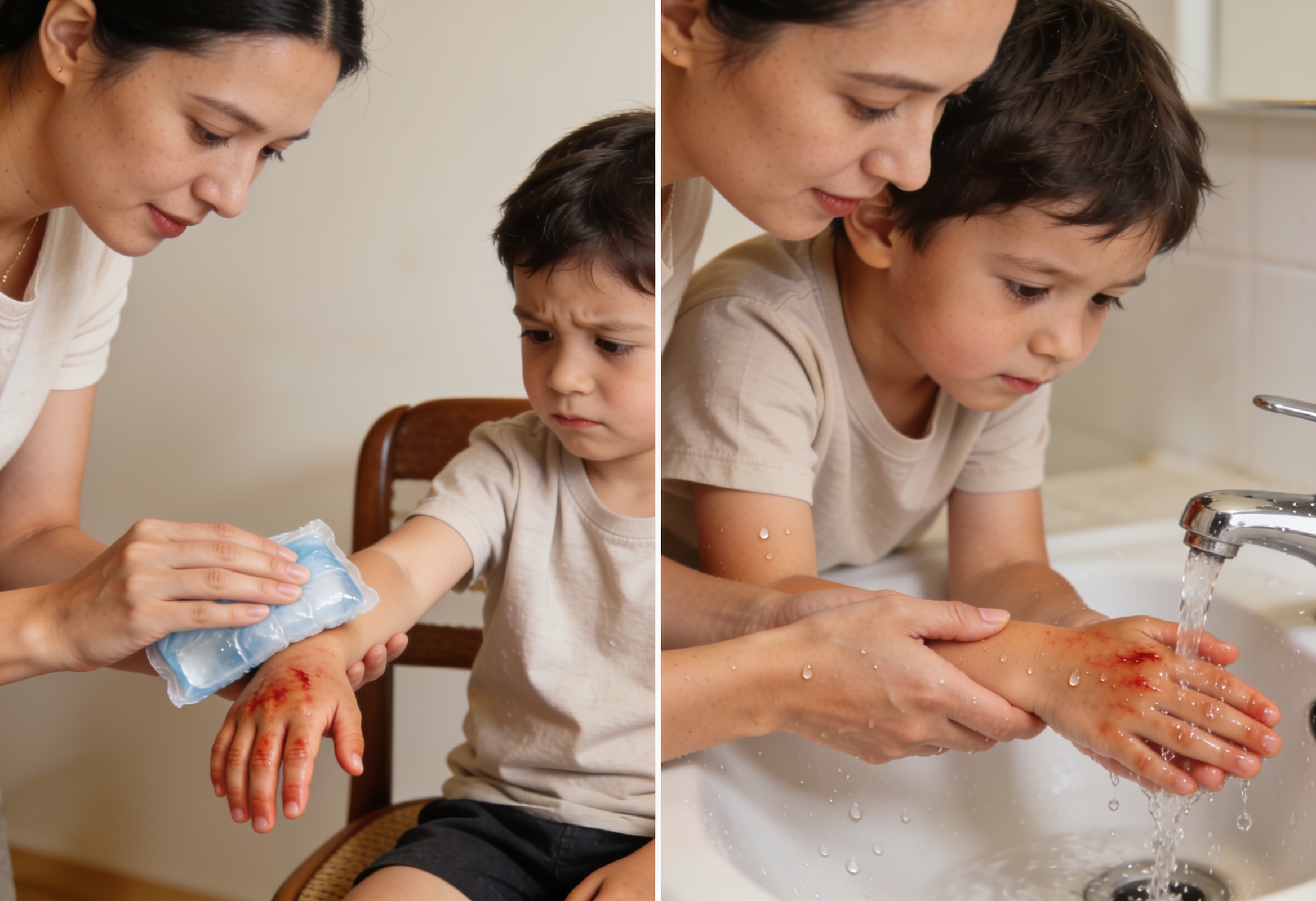
A common myth: ice helps a burn. It doesn’t. Ice and ice-cold water restrict blood flow, starve the tissue of oxygen, and can deepen the damage rather than heal it.
Instead, run the burn under semi-cool tap water for 5 to 20 minutes or place a cool, clean, wet cloth over the area in 10-minute intervals. Both methods ease the sting and lower the risk of swelling or scarring – avoid using anything excessively cold, as this can irritate the burn further. Once the pain settles, lightly apply a moisturiser, such as aloe vera gel, to keep the skin hydrated. Cover loosely with a sterile, non-stick bandage, and take an over-the-counter pain reliever like ibuprofen if needed.
2. Aloe Vera

The pulpy, green aloe vera is a much-loved ingredient in medication and cosmetics. Applying aloe vera gel to a cooled burn can help soothe the area and may also support healing, which is why it’s commonly recommended alongside cool water as part of standard first-aid care for minor burns.
For best results, apply a layer of pure aloe vera gel straight from the leaf of an aloe vera plant. If you are using a store-bought product, check that it contains a high percentage of aloe vera and avoid versions with added colouring or fragrance, as these can irritate sensitive, burnt skin.
Also Read: 7 Amazing Health Benefits of Aloe Vera (Ghritkumari)
3. Coconut Oil
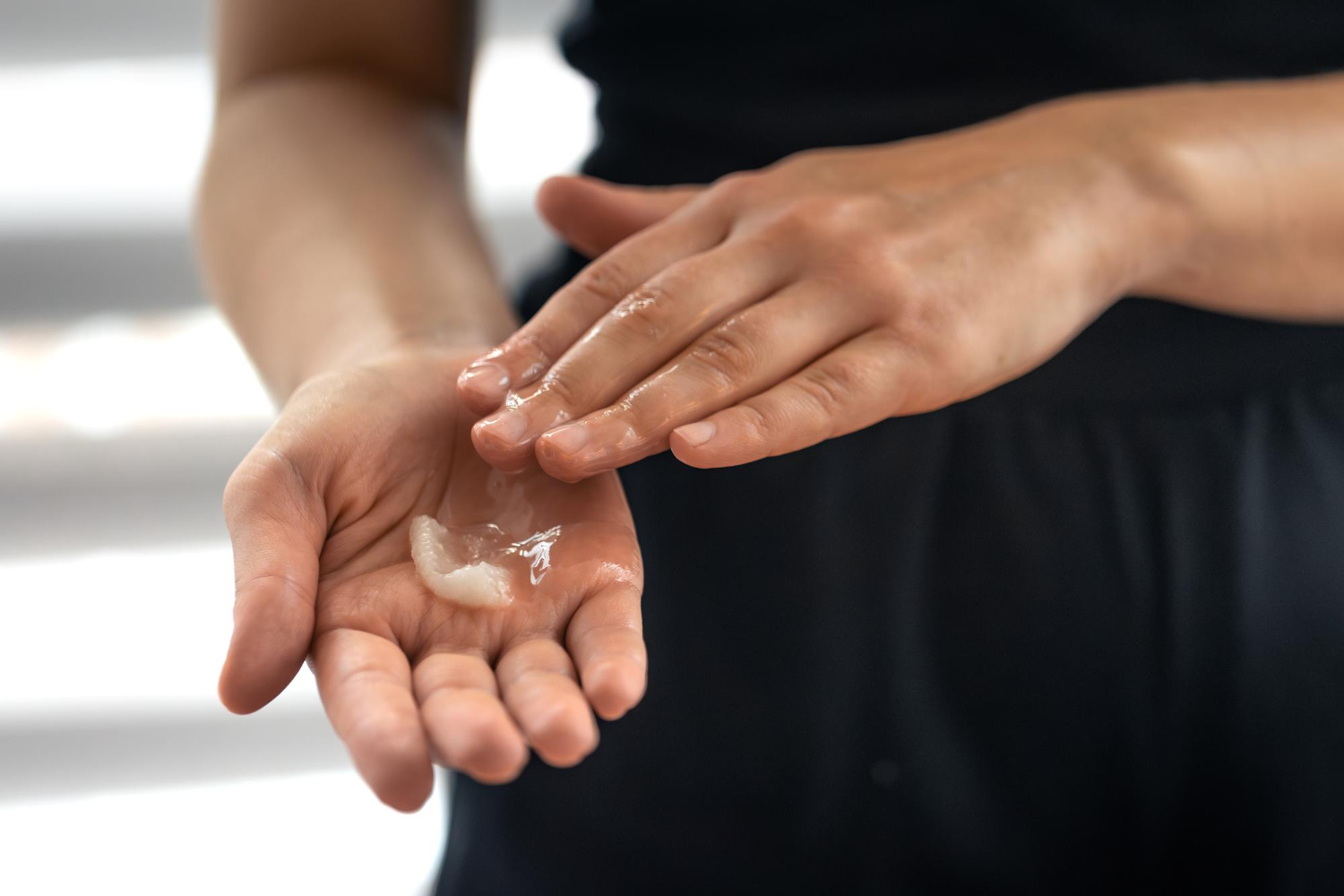
Coconut oil has anti-inflammatory and moisturising properties, but it isn’t recommended as a first-line burn treatment. Cooling the burn with water remains the priority, followed by proven remedies like aloe vera or medical-grade honey. If you choose to use coconut oil, apply it only after the burn has cooled completely, and check with a doctor if you have any concerns.
4. Medical-Grade Honey
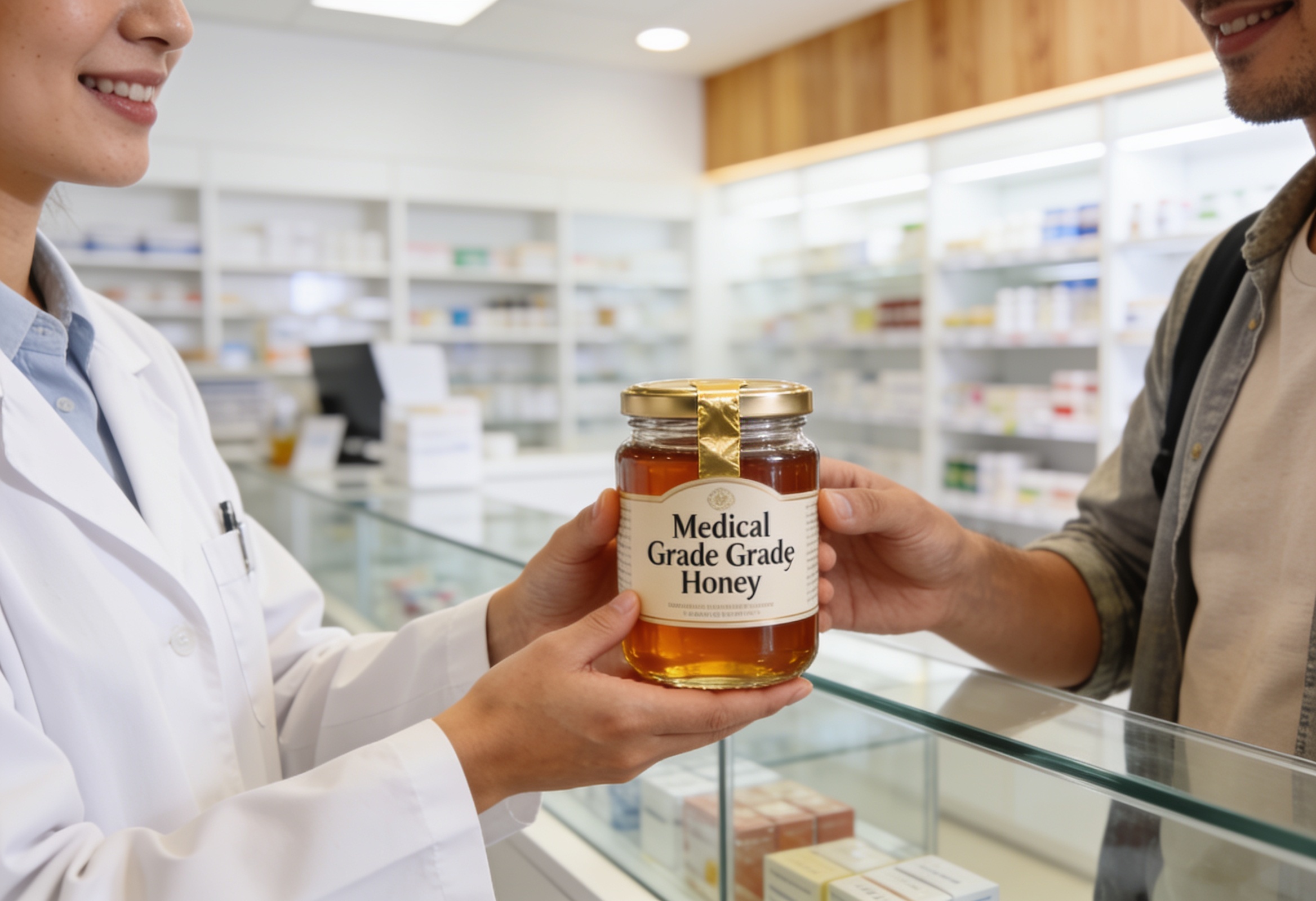
Medical-grade honey may help treat minor burns, particularly when infection is a concern, thanks to its antimicrobial properties that help prevent bacterial growth. It’s best to speak with a pharmacist before using it. Regular kitchen honey isn’t the same and may not be as safe or effective, so avoid substituting it for medical-grade honey when treating an infected burn.
5. Colloidal Oatmeal

People have used oatmeal to calm irritated skin for centuries, and there’s good reason behind it. It contains natural compounds with anti-inflammatory and soothing properties, which is why the FDA officially recognises it as a skin protectant. To use it, mix finely ground oatmeal into lukewarm bathwater, or stir some with cool water to make a paste and gently apply it to the burn once it has cooled. It’s gentle enough for most people, including children, though it’s best avoided if you have an oat allergy.
Aftercare Tip: Protect Healing Skin from the Sun
Burnt skin stays highly sensitive to sunlight while it heals, and direct exposure can worsen irritation or lead to lasting discolouration. Keep the area covered with loose clothing whenever possible. Once it’s no longer raw, apply a broad-spectrum sunscreen with SPF 30 or higher to protect the healing skin and reduce the chances of visible scarring over time.
Also read: The Best Sunscreen for Indian Skin: Decoding SPF 30, SPF 50, PA++, and More!
Always remember
Try these remedies for superficial burns – they work best on minor, surface-level injuries. That said, a quick word of caution: home remedies aren’t a substitute for medical care when a burn is deeper or larger than it looks. If you’re ever unsure how serious a burn is, it’s better to consult a doctor than to wait.
FAQs
1. Is coconut oil effective for burns?
Coconut oil works once a burn has cooled and isn’t a first-response treatment. It helps moisturise the skin and may ease tightness as the burn heals.
2. Should I put ice on a burn?
No. Direct ice can damage already injured tissue. Use cool running water instead for about 20 minutes.
3. Can toothpaste help heal a burn?
No. Toothpaste can trap heat in the skin and irritate the wound, increasing the risk of infection – it’s a myth, not a remedy.
4. Is it okay to pop a blister from a burn?
No. Blisters protect the wound from infection. Let them heal on their own and keep the area covered.
5. How long does a minor burn take to heal?
Most first-degree burns heal in 5 to 10 days, while minor second-degree burns can take 1 to 3 weeks.
6. Can we use onions for burns?
Onion peel extract has shown antimicrobial and anti-inflammatory effects in wound-healing research, but most of this evidence relates to general wounds, not burns specifically. If you’d still like to try it, gently press a slice of fresh onion against the burn or dab on the crushed juice with a clean cotton pad only after the area has cooled down. Avoid it on broken skin, open blisters, or severe burns, as the juice can sting and irritate raw tissue, and it’s best to check with a doctor before trying onion juice on children or sensitive skin.
7. Is using coconut oil for burns safe?
Yes, but only after the burn has cooled down. Coconut oil works best once a burn has already cooled down, not as a first response while the skin is still hot.
- Soothe and moisturise the area by gently massaging a small amount of virgin coconut oil into the skin two to three times a day.
- Its fatty acid content helps the skin retain moisture, which supports faster healing and reduces tightness and flaking as the burn recovers.
- For best results, apply it after the area has been cooled with water and patted dry, and avoid layering it under tight bandages, as the skin needs to breathe.
References:
1. Hudspith J, Rayatt S. First aid and treatment of minor burns. BMJ. 2004 Jun 19;328(7454):1487-9. doi: 10.1136/bmj.328.7454.1487. PMID: 15205294; PMCID: PMC428524. Available from: https://pmc.ncbi.nlm.nih.gov/articles/PMC428524/
2. Hosny KM, Alhakamy NA, Sindi AM, Khallaf RA. Coconut Oil Nanoemulsion Loaded with a Statin Hypolipidemic Drug for Management of Burns: Formulation and In Vivo Evaluation. Pharmaceutics. 2020 Nov 7;12(11):1061.Available from: https://pmc.ncbi.nlm.nih.gov/articles/PMC7695003/
3. Mounir R, Alshareef WA, El Gebaly EA, Unlocking the Power of Onion Peel Extracts: Antimicrobial and Anti-Inflammatory Effects Improve Wound Healing through Repressing Notch-1/NLRP3/Caspase-1 Signaling. Pharmaceuticals (Basel). 2023 Sep 28;16(10):1379.Available from: https://pmc.ncbi.nlm.nih.gov/articles/PMC10609719/
4. Sutton D, Wright MD. Cooling for Thermal Burns: Clinical Effectiveness and Guidelines [Internet]. Ottawa (ON): Canadian Agency for Drugs and Technologies in Health; 2019 Jan 17. Available from: https://www.ncbi.nlm.nih.gov/books/NBK541209/
5. Maenthaisong R, Chaiyakunapruk N, Niruntraporn S, et al. The efficacy of aloe vera used for burn wound healing: a systematic review. 2007. In: Database of Abstracts of Reviews of Effects (DARE): Quality-assessed Reviews [Internet]. York (UK): Centre for Reviews and Dissemination (UK); 1995-. Available from: https://www.ncbi.nlm.nih.gov/books/NBK74820/
6. Matheson JD, Clayton J, Muller MJ. The reduction of itch during burn wound healing. J Burn Care Rehabil. 2001 Jan-Feb;22(1):76-81; discussion 75. Available from: https://pubmed.ncbi.nlm.nih.gov/11227690/
(The article is written by Nancy Dixit, Associate Manager, Clinical Health & Content, Medical Affairs, and reviewed by Monalisa Deka, Deputy Manager, Clinical Health & Content, Medical Affairs)
Recommended Reads:
Sunscreen For Kids: What To Look For, What To Avoid, And How To Actually Get Them To Wear It
6 Expert-Recommended Ways To Protect Your Skin From Sun Damage