
Hot summers can be very uncomfortable, especially in India, where temperatures often reach over 40°C. On a hot summer day, most of us have experienced vertigo, exhaustion and the ”I need to sit right now” feeling. People sometimes confuse heat exhaustion with heat stroke, which can escalate a treatable condition into a life-threatening emergency.
Let’s break it down in simple terms, starting with-
The Science Behind How Your Body Controls Temperature in Hot Weather
Your body functions like a highly sophisticated engine. It maintains an internal temperature of roughly 37°C regardless of what is happening outside. When it’s hot, you sweat, and the sweat that evaporates from your skin is your body’s natural air conditioning system.
The difficulty begins when that system becomes overburdened. Too much heat, not enough water, and not enough shade can cause your body to lose this balance. This is when heat-related illness sets in.
There are two major stages: heat exhaustion (the warning) and heat stroke (the medical emergency).
Want to understand more about other heat-related illnesses and if you could be at risk? Connect with an expert
What is Heat Exhaustion?

Heat exhaustion is one of the common heat-related conditions caused by the body’s loss of water and salt through sweating. It is due to prolonged exposure to high temperatures and inadequate fluid intake.
This makes the body’s core temperature rise to around 38 – 40°C, which ultimately leads to dehydration and a variety of other symptoms such as cool, moist skin (sometimes with goosebumps even in the heat).
If you’re with someone suffering from heat exhaustion, seek quick medical attention if they become disoriented or confused, lose consciousness, or are unable to drink.
As Dr. Syeda Aafia, Medical Content Expert at Tata 1mg explains, “In summer, don’t wait until you’re thirsty to drink water — your body is already dehydrated by then. Sip frequently throughout the day and add coconut water, buttermilk or lightly salted water to replace minerals lost. Cut down on chai, coffee and alcohol – they dehydrate you faster than you can imagine.”
Don’t let the heat drain you – stay refreshed and hydrated with our electrolyte drinks!
What is Heat Stroke?
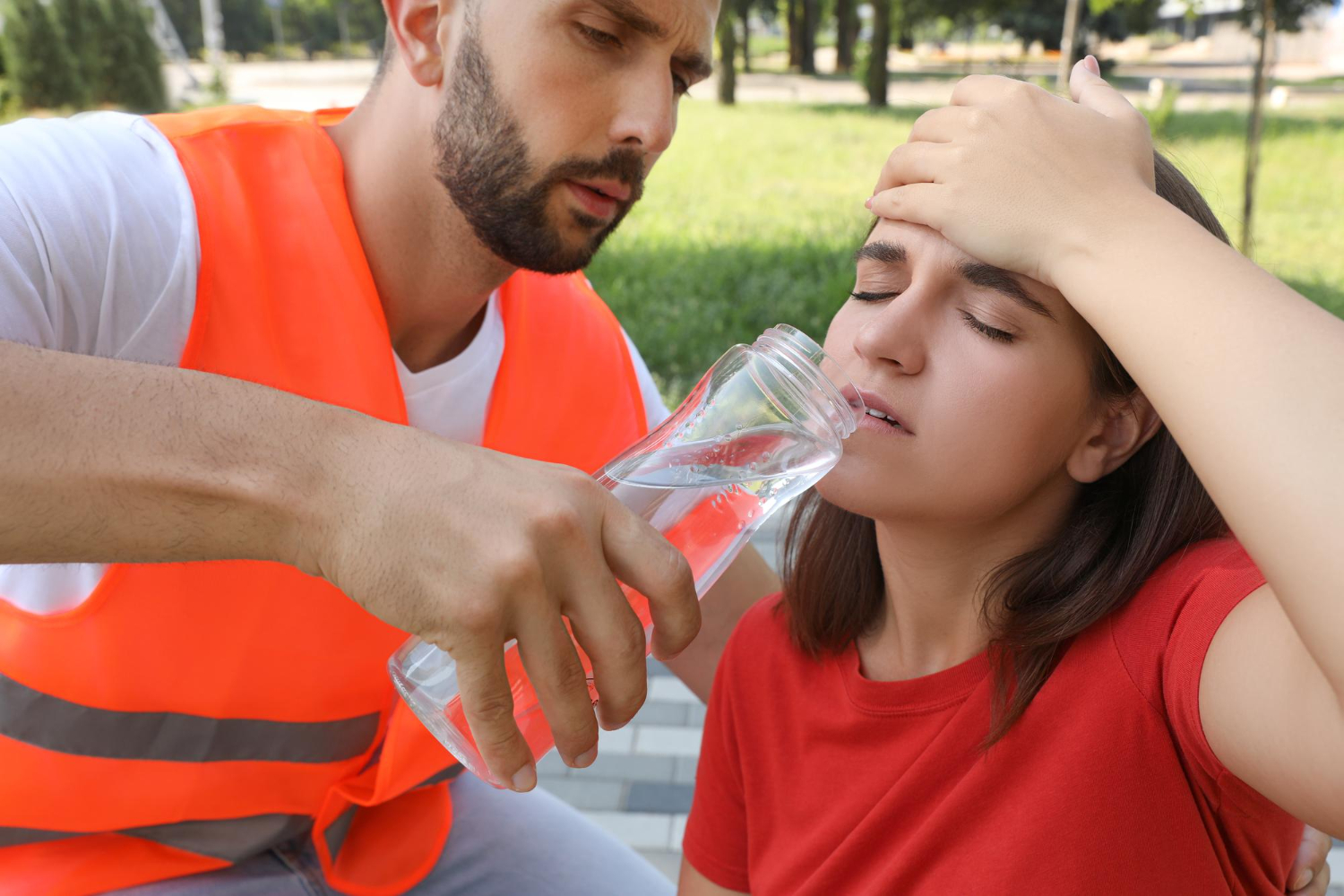
Heat stroke is a serious life-threatening condition that occurs when the body is unable to cope with severe heat exposure, which is often caused by prolonged high temperatures and humidity, preventing natural cooling systems such as sweating.
A key sign is dangerously high body temperature usually above 40°C (104°F) within 10 to 15 minutes.
If you don’t treat heat stroke right away, it can get worse and even kill you if you don’t treat it right away. Some things that put you at risk are doing intense physical activities in hot places, not having enough air cooling or ventilation, and not drinking enough water. Staying in a closed, parked car can make things more dangerous.
Heat Exhaustion vs. Heat Stroke: Key Differences
| Symptom | Heat exhaustion | Heat stroke |
| Severity | Moderate | Severe, life threatning |
| Body temperature | Below 40°C | Very high or above 40°C |
| Sweating | Heavy sweating and decreased urine output | Little or no sweating |
| Skin | Cool, pale, clammy | Hot, dry, flushed (may feel burning) |
| Mental state | Headache, nausea, dizziness, weakness | Confusion, unconsciousness, seizures |
| Fainting | May occur | Common, may lose consciousness |
| Urgency | Treat at home, monitor | Call emergency service right away |
Quick takeaway:
- If the person is sweating, dizzy, and weak → likely heat exhaustion.
- If the person is confused, very hot, and not sweating → heat stroke (emergency).
Who is Most at Risk?
Heat stroke is most likely to happen in elderly people, infants or young children, persons who work outside, athlete or gym goers, obese people, and people who are taking certain medications and drink alcohol.
Watch this video to learn more about protecting children from heat stroke.
What To Do: First Aid Tips
For Heat Exhaustion
- Move the person to shaded or cool place immediately
- Give them cool water or oral rehydration fluids instead of sugary drinks
- Take off extra clothes that are too tight, including shoes and socks.
- Use cold packs or have the person wash their head, face, and neck with cold water to cool down.
- If symptoms do not improve within 30 minutes, seek medical help immediately.
For Heat Stroke
While waiting for help-
- Immediately move the person somewhere cool or shaded place and remove outer clothing.
- Cool the worker quickly by applying ice packs to the neck, armpits, and groin area or with a cold water or ice bath if possible.
- Fan them, soak clothing with cold water and wet the skin
- Do NOT give them water to drink if they’re confused or unconscious, as they could choke.
How to Manage: The Preventive Tips
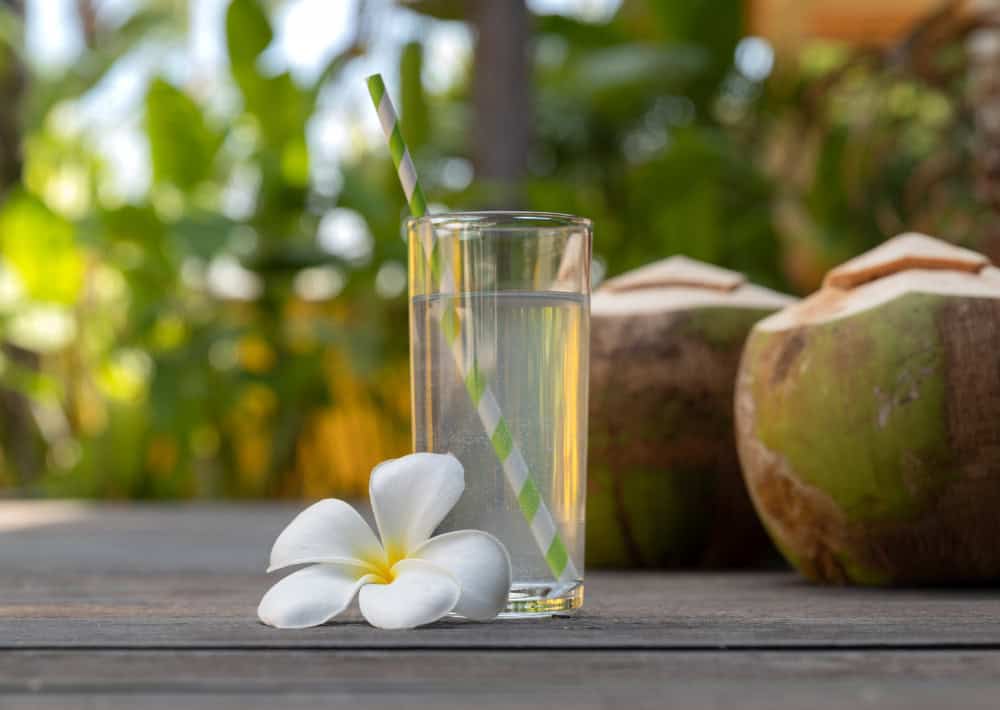
- Drink water before you feel thirsty, because if you’re thirsty you’re already a little dehydrated
- Avoid being outside between 11am and 4pm in the height of summer
- Wear loose, light-colored, breathable clothing
- Never leave children or pets alone in a parked car, even for a few minutes.
- If you work outside, take regular breaks in the shade
- Be sure to check on elderly neighbours and relatives during heatwaves
FAQs
Q: What are the causes of heat stroke?
A: When the body is subject to extreme heat and can’t control its temperature, this is called heat stroke. This can happen if you’re in the sun for a long time, the temperature is high, you’re dehydrated, or you do a lot of physical exercise when it’s hot.
The body’s cooling system stops working as the situation gets worse. The body temperature rises quickly (above 40°C) because the heart has trouble pumping enough blood to get rid of heat. It can affect the brain and organs, making it a life-threatening emergency.
Q: What causes heat exhaustion?
A: Heat exhaustion happens when the body loses too much water and salts through heavy sweating especially in hot weather combined with intense physical activity and inadequate water intake. When the body sweats excessively to cool down but fails to replenish lost fluids and electrolytes, heat exhaustion can occur leading to weakness, dizziness, and fatigue.
Q: What is the difference between stroke and heat stroke?
A: Overheating can lead to heat stroke, which has signs like high body temperature, confusion, and loss of awareness. On the other hand, a stroke happens when the brain’s blood flow is suddenly cut off. This can lead to paralysis, speech problems, and vision loss.
Q: How much does the body’s temperature rise during heat stroke?
A: The body temperature of someone who is having a heat stroke can rise to 104°F (40°C) or higher within 10 to15 minutes.
Q: Is it possible for specific diets to prevent heat exhaustion?
A: Yes, eating foods that keep you hydrated, like fruits and veggies, can help keep you from getting dehydrated and overheated. Bananas and leafy veggies, which are high in electrolytes, can also help you stay hydrated.
Reference:
1. Occupational Safety and Health Administration (OSHA). Heat-related illnesses and first aid [Internet]. Available from: https://www.osha.gov/heat-exposure/illness-first-aid
2. Morris A, Patel G. Heat Stroke. [Updated 2023 Feb 13]. In: StatPearls [Internet]. Treasure Island (FL): StatPearls Publishing; 2026 Jan-. Available from: Morris A, Patel G. Heat Stroke. [Updated 2023 Feb 13]. In: StatPearls [Internet]. Treasure Island (FL): StatPearls Publishing; 2026 Jan-. Available from: https://www.ncbi.nlm.nih.gov/books/NBK537135/
3. Kenny GP, Wilson TE, Flouris AD, Fujii N. Heat exhaustion. Handb Clin Neurol. 2018;157:505-529.Available from: https://pubmed.ncbi.nlm.nih.gov/30459023/
4. National Institute for Occupational Safety and Health (NIOSH). Heat-related illnesses [Internet]. Available from: https://www.cdc.gov/niosh/heat-stress/about/illnesses.html
(The article is written by Nancy Dixit, Subject Matter Expert, and reviewed by Monalisa Deka, Deputy Manager, Clinical Health & Content, Medical Affairs)
Recommended Reads:
Heatwave Warning: Recognizing Heat Stroke And Ayurvedic Solutions
7 Effective Ways To Prevent Dehydration This Summer Season