
Chronic constipation is more than just an occasional problem. It can disrupt your daily comfort, drain your energy, and impact your overall well-being. You might notice physical symptoms like bloating, stomach discomfort, and irregular bowel movements, as well as trouble focusing or feeling your best.
Many people use traditional medicine for quick relief, but more are now exploring Ayurveda, an ancient Indian healing system, for natural, long-term solutions. Ayurveda focuses on restoring balance in the body, especially in the digestive system. If your Vata dosha is out of balance, it can affect your digestive fire, known as Agni. Instead of just hiding constipation symptoms, Ayurveda aims to help you digest food well and have regular bowel movements.
Let’s take a look and explore some of the effective Ayurvedic home remedies to help treat your chronic constipation in a natural way.
Understanding Constipation in Ayurveda
According to Ayurveda, constipation is connected to an imbalance in the Vata dosha, which affects energy movement—including in the intestines. Factors such as unhealthy diet, stress, dehydration, and irregular routines can reduce intestinal moisture, hindering digestion.
Dr. Deepak Soni, an Ayurvedic expert at TATA 1mg, “A sedentary lifestyle, low fiber intake, and inadequate hydration are key contributors to chronic constipation. Correcting these habits is essential for lasting relief.”
1. Triphala, The Ayurvedic Powerhouse
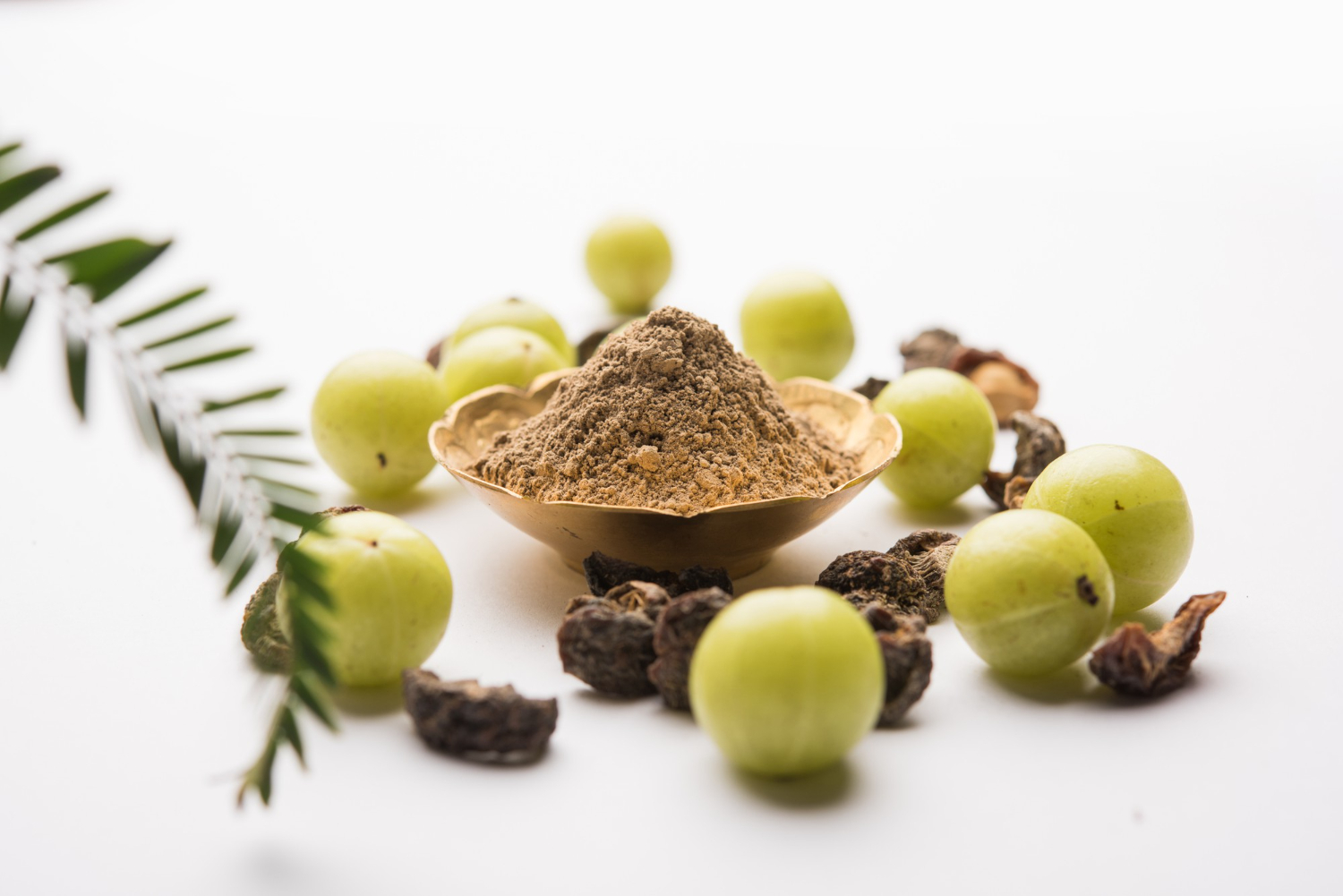
Triphala is a combination of amla, bibhitaki, and haritaki (the three herbs being combined are sometimes referred to as Triphala). Triphala is one of the most commonly used herbal products for digestive health and eliminates constipation in both Ayurveda and Western medicine.
Mixing Triphala powder with warm water and drinking it at night helps regulate your bowel movements and detoxify your digestive tract.
2. Warm Water Therapy

The first thing you should do when waking up in the morning is to drink a glass of warm water, as it helps stimulate and hydrate your gut, getting you ready for breakfast. Adding a couple of drops of lemon juice to your warm water will make it even more effective.
3. Ghee and Warm Milk
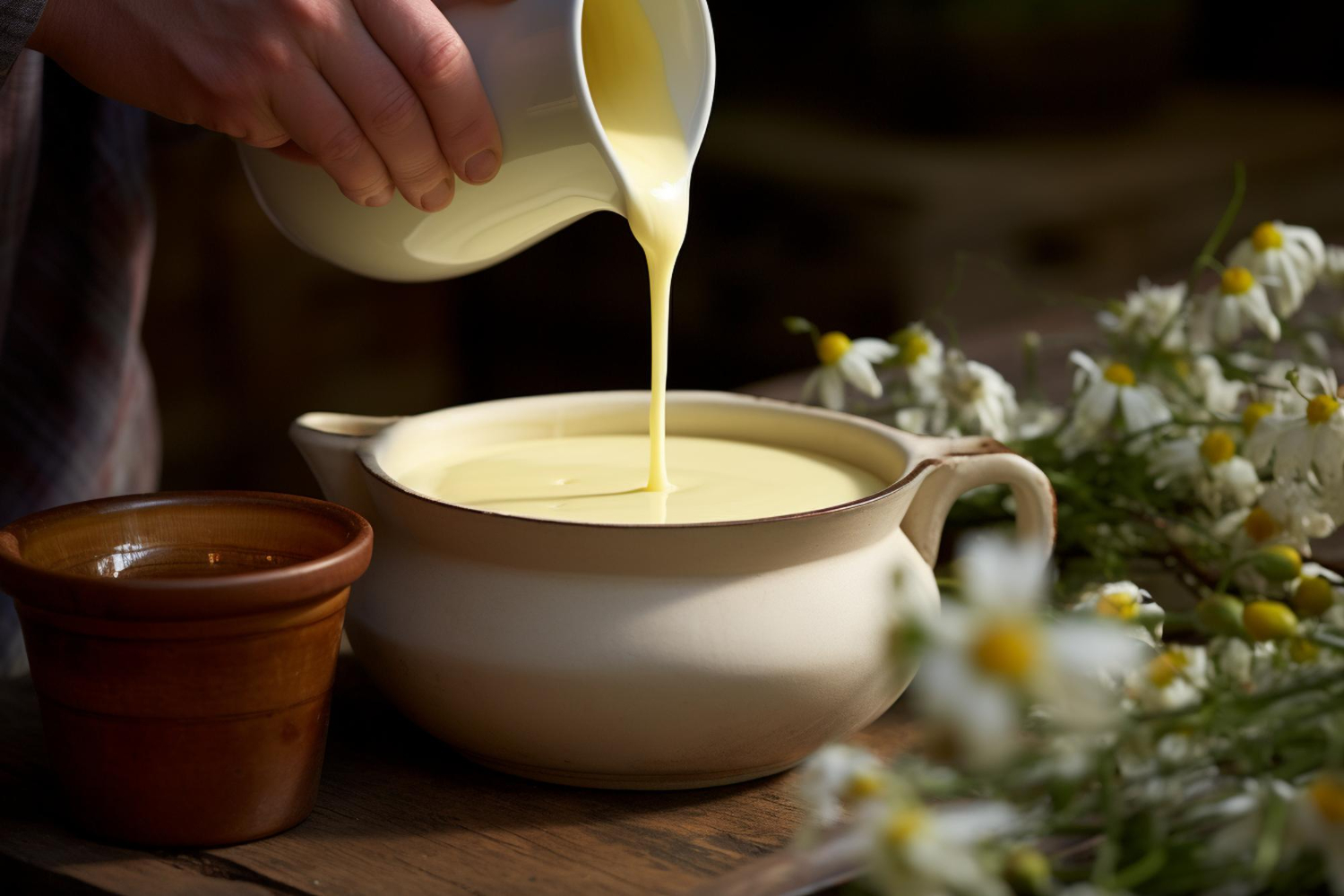
Ghee has excellent lubricating properties and helps lubricate the lining of the intestines, making it easier for you to move your stool.
4. Soaked Raisins or Figs

These types of dried fruits are good sources of fiber and sugars (both natural), which will help make stools less firm. Soak them overnight in water and eat in the morning for better results.
5. Psyllium (Isabgol)
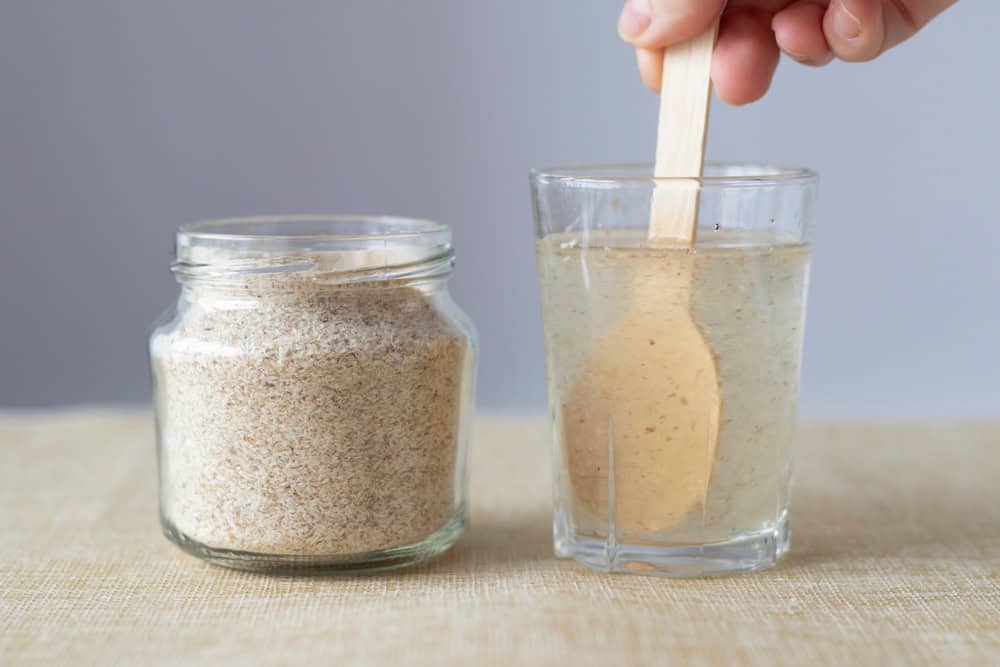
Psyllium (also known as Isabgol) is a natural source of fiber that, when taken, adds volume to stools, therefore making it easier to move the bowels. You must consume it with either warm water or milk before bedtime and ensure you have adequate fluid intake throughout the day.
6. Abhyanga (Oil Massage)

Abdominal massages can stimulate intestinal movement and therefore aid in digestion. Additionally, those who suffer from constipation often have elevated levels of stress; abdominal massage helps decrease a person’s stress.
7. Herbal Teas

Herbal teas made from the following herbs – fennel, ginger, or cumin seeds – aid in digestion and reduce bloating. Drinking herbal teas after meals will help support your body in passing stools.
8. Follow a Routine

A consistent routine helps develop natural rhythms that support effective digestion. Therefore, Ayurveda teaches one to eat at the same time each day.
9. Stay Hydrated

Dehydration can worsen constipation. When you maintain a well-hydrated body, it helps to soften stools and enhance digestion.
10. Include Fiber-Rich Foods

Whole grains, fruits, vegetables, and seeds are examples of foods that are high in fiber. A diet rich in these foods will be beneficial for maintaining regular bowel movements.
Long-Term Relief Lifestyle Choices
- Avoid the processed/junk food choices.
- Continue your physical activity with yoga or walking.
- Manage stress with meditation or breath control.
- Sleep well to enhance your digestive health.
Final Thoughts
A more effective way to treat chronic constipation is to use total body care methods as opposed to attempting to treat it with quick “fixes”. Ayurvedic treatments are based on helping you to establish balance within your body systems so that you can improve your ability to digest and eliminate from your body efficiently and effectively.
As Dr. Deepak states, “Consistency is key. Natural remedies take time, but they provide sustainable and gentle relief without compromising the body’s balance.”
By incorporating some simple Ayurvedic remedies into your daily routine, you will find that the digestive health improvements you make will provide you with long-term comfort.
FAQ’s
- What is the most common cause of chronic constipation?
Poor diet, not enough fiber, dehydration, and a sedentary lifestyle.
- Is Triphala safe for use every day?
Yes, as long as the recommended amount to be used is followed.
- Will ghee assist with relieving the symptoms of constipation?
Absolutely, ghee is a nature-made lubricant that supports stool movement through the intestines with ease.
- What is the average time for an Ayurveda treatment to show improvement?
Ayurvedic remedies can take anywhere from a few days to a few weeks to take effect; however, once they begin working, they provide long-term benefits.
- Is taking Isabgol every day safe?
Yes, provided enough water is consumed to ensure there is no discomfort.
- Does stress lead to constipation?
Yes, stress can interfere with digestion and worsen constipation.
- Do herbal teas help with the digestive system?
Herbal teas such as ginger and fennel aid in digestion and decrease feelings of bloating.
- When should a doctor be consulted?
If anyone has had any constipation for a couple of weeks or has experienced any level of severe symptoms, contact your doctor.
Recommended Reads
(The article is written by Deepa Sarkar, Medical Writer, and reviewed by Monalisa Deka, Deputy Manager, Clinical Health & Content, Medical Affairs)