
Summer cravings can be very specific. Sometimes, all you want is something cold, creamy, and instantly comforting. For some, it’s a scoop of classic chocolate ice cream after dinner. For others, frozen yogurt feels like the ‘healthier’ choice—lighter, tangier, and somehow less guilty. But is frozen yogurt really healthier, or does smart marketing sometimes make it seem that way? The truth is, ‘healthier’ depends less on the label and more on what’s actually inside your cup or cone. Because when it comes to frozen yogurt vs. ice cream, the answer isn’t as straightforward as many people think. Let’s find out why.
Frozen Yogurt Vs. Ice Cream: What’s the Real Difference?

At a basic level, ice cream is usually made from milk, cream, sugar, and often egg yolks. Frozen yogurt (fro-yo) uses yogurt cultures, milk, and sugar. This means fro-yo may contain probiotics—but not always in meaningful amounts, especially after processing [1]. So while the ingredient list may sound healthier, the nutrition story can get more complicated.
Is Fro-Yo Lower in Calories?
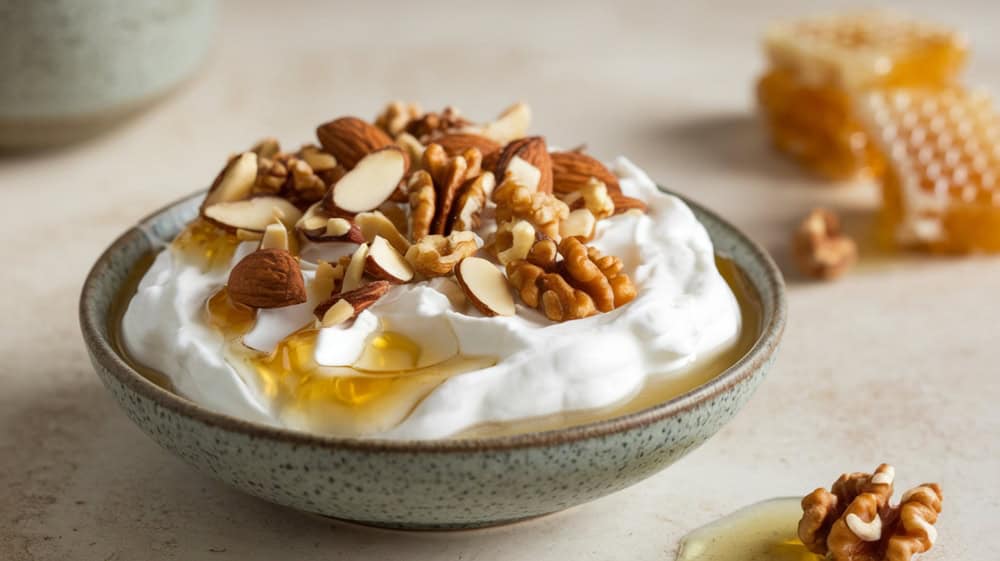
This is where most people get surprised. Frozen yogurt is often marketed as lower-fat, which can make it seem automatically better, but lower fat doesn’t always mean healthier. Many frozen yogurt options compensate by adding:
– More sugar
– Sweet syrups
– Candy toppings
So your ‘light dessert’ can quickly become just as calorie-dense—or even more so—than regular ice cream.
Toppings and Portions
Most people rarely eat desserts plain. They love the toppings—mango chunks, brownies, sprinkles, falooda, and chocolate fudge. People think that between frozen yogurt vs. ice cream, fro-yo is healthier and compensate for it by adding heavy toppings like Oreo crumbs or gems. Adding toppings can turn a low-calorie treat into a high-calorie sugar bomb [2].
Another trap is that many ‘frozen desserts’ are actually made with vegetable oil rather than milk fat. These are technically not ice cream and may be much worse for your heart health. Always look for the ‘real milk’ logo.
What About Protein and Calcium?
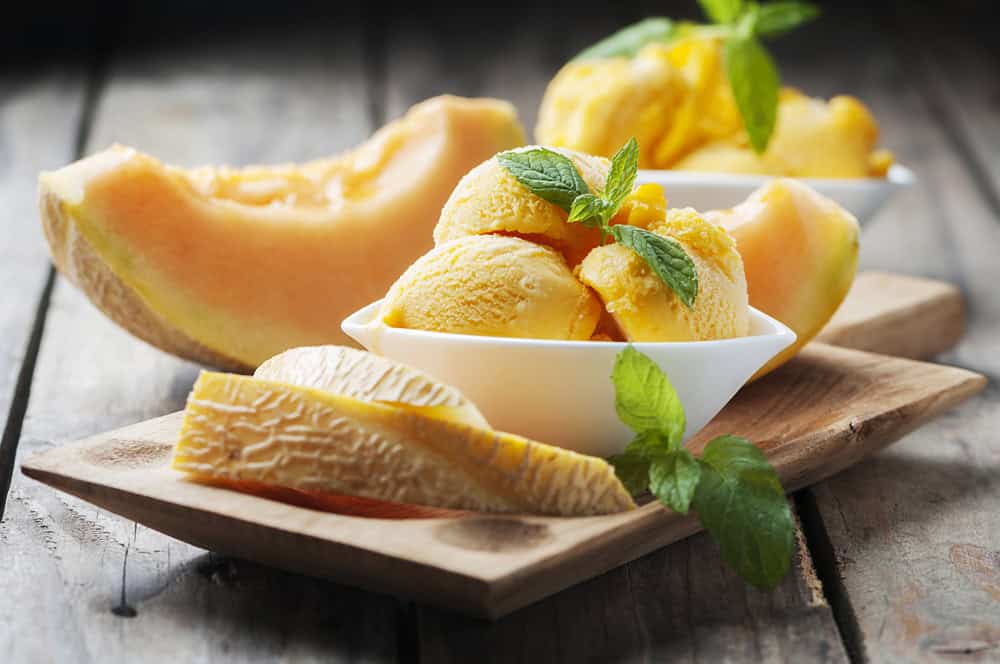
Both ice cream and frozen yogurt can provide calcium because they are dairy-based. Frozen yogurt may sometimes offer slightly more protein depending on the product. But realistically, neither should be treated like a health food or primary nutrition source. They are desserts first.
Does Frozen Yogurt Help Gut Health?

Many people think that frozen yogurt always helps their gut health because yogurt contains probiotics, and they believe fro-yo automatically supports digestion. The reality is that some frozen yogurts may contain live cultures—but not all, and quantities vary. Processing and added sugar may also reduce the overall ‘health’ advantage. So fro-yo can be better in some cases—but not by default.
Ice Cream Isn’t Always the Villain Either

Ice cream often gets labelled the ‘bad’ or unhealthier option because it’s richer. But sometimes, a small portion of real ice cream with simple ingredients may be more satisfying than a large fro-yo loaded with toppings. That satisfaction factor is important. When you feel satisfied, you may actually eat less overall.
Portion Size Changes Everything
This is where both ice cream and fro-yo options can go off track. A sensible serving is usually manageable, but a giant tub, extra waffle cone, or topping-heavy dessert is a different story. In real life, quantity is more valuable than category.
Frozen Yogurt Vs. Ice Cream: 5 Tips for a Healthier Brain Freeze

- Check the ‘Live Cultures’ Label: If you’re choosing fro-yo for gut health, ensure the brand mentions ‘live and active cultures’. Heat treatment during processing can sometimes kill these benefits.
- Watch the ‘Self-Serve’ Trap: Many Fro-Yo shops are self-serve. People tend to fill the cup much higher than a standard serving. Stick to the size of a cricket ball.
- The Topping Strategy: Choose fresh fruits (mango, pomegranate, kiwi) or nuts (almonds, walnuts) instead of syrups and candies.
- Go for Dark Chocolate: If choosing ice cream, dark chocolate or nut-based flavors (like pista or badam) may have slightly more fiber and antioxidants.
- Read the Ingredients: If the first three ingredients are water, sugar, and vegetable oil—put it back. You want milk or cream to be at the top of the list.
Frozen Yogurt Vs. Ice Cream: Which Should You Pick?
Whether you choose the scoop or the swirl, the ‘healthiest’ part of the dessert is your awareness. Enjoy your cold treat slowly, relish the flavour, and don’t let the “healthy” labels trick you into eating more than your body needs. Choose fro-yo if you are watching your fat intake and can stick to fruit toppings without overdoing the portion. But if you want a more satisfying and traditional dessert, choose ice cream. Just prefer a smaller, high-quality treat over a large ‘low-fat’ one. This summer, stay hydrated, stay cool, and choose the dessert that truly satisfies you.
FAQs
Q. Is frozen yogurt healthy or unhealthy?
Frozen yogurt is neither fully healthy nor unhealthy. While lower in fat and a source of probiotics, it is often high in added sugar to compensate for texture, making it a ‘less-fat’ rather than ‘healthy’ food.
Q. Is fro-yo safe for people with lactose intolerance?
Some people find Fro-Yo easier to digest because the fermentation process breaks down some of the lactose. However, it is not lactose-free. If you are highly sensitive, look for vegan almond- or coconut milk-based options.
Q. Does ‘low-fat’ ice cream exist in India?
Yes, many Indian brands now offer “lite” versions. However, always check the back of the pack for artificial sweeteners. Some sugar-free versions use sugar alcohols (like maltitol), which can cause bloating if eaten in large amounts.
Q. What is the healthiest frozen treat overall?
A homemade fruit sorbet or a Greek yogurt bark (frozen yogurt spread thin with berries) is the healthiest. In terms of store-bought, a simple kulfi made from reduced milk without added starch is a great protein-rich alternative.
Q. Can you eat fro-yo daily in the summer?
Treat them as ‘treats’, not ‘meals’. Even the healthiest fro-yo is a processed food. Aim for 1–2 times a week to keep your health in check.
Q. What should you eat if you crave ice cream?
Try “nice cream” (blended frozen bananas), chilled Greek yogurt with honey, or a fruit sorbet. These satisfy the creamy craving with natural fiber and significantly fewer calories.
Q. What is the 20-minute rule of eating?
It takes roughly 20 minutes for your digestive hormones to signal to your brain that you are full. Eating slowly can prevent overeating by giving your body time to register satiety.
References
1. Muzammil HS. Viability of Probiotics in Frozen Yogurt Supplemented with Inulin and Glycerol. International Journal of Nutrition and Food Sciences. 2018;7(4):116. doi:10.11648/j.ijnfs.20180704.11
2. An R, Jiang N. Frozen yogurt and ice cream were less healthy than yogurt, and adding toppings reduced their nutrition value: evidence from 1999-2014 National Health and Nutrition Examination Survey. Nutrition Research. 2017;42:64-70. doi:10.1016/j.nutres.2017.04.013
(The article is written by Sneha Jajoo, Intern, Clinical Health & Content, and is reviewed by Dr.Subita Alagh, Assistant Team Lead, Disease Content.)