
Summer changes more than just the temperature. It changes how food spoils, how quickly bacteria grow, and how easily your stomach can be affected. That’s why during hotter months, issues like food poisoning, stomach infections, loose motions, and digestive discomfort often become more common. That plate of chaat or the leftover dal that was perfectly fine in January can turn into a hotspot for food poisoning within just two hours in May. So, how to prevent food poisoning effectively? Preventing most summer stomach infections often comes down to small, practical daily habits—not fear, not extreme restrictions. But if you want to keep your gut happy while enjoying the sun, here is your essential guide to staying safe.
Why Summer Increases the Risk of Food Poisoning
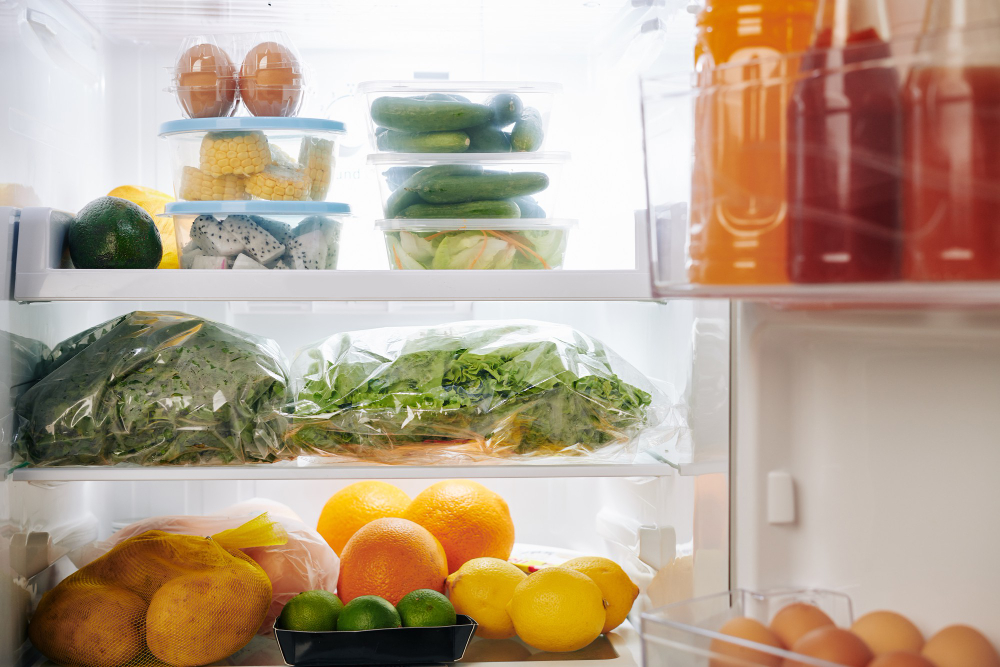
It’s not just your imagination—food actually goes bad faster right now. Bacteria like Salmonella and E. coli love the warmth. Heat creates the perfect environment for bacteria to multiply faster—especially in food and water. This means:
– Food spoils more quickly
– Improperly stored leftovers become risky
– Contaminated water can trigger infections
– Street food may become more vulnerable to hygiene issues
Even food that ‘looks fine’ may not always be safe.
Common Signs Your Stomach May Be Reacting
Summer-related food poisoning or stomach infection may show up as [1]:
- Nausea
- Vomiting
- Loose motions
- Stomach cramps
- Fever
Mild cases may improve with hydration and rest, but persistent symptoms should never be ignored.
9 Tips on How to Prevent Food Poisoning and Stomach Infections Effectively
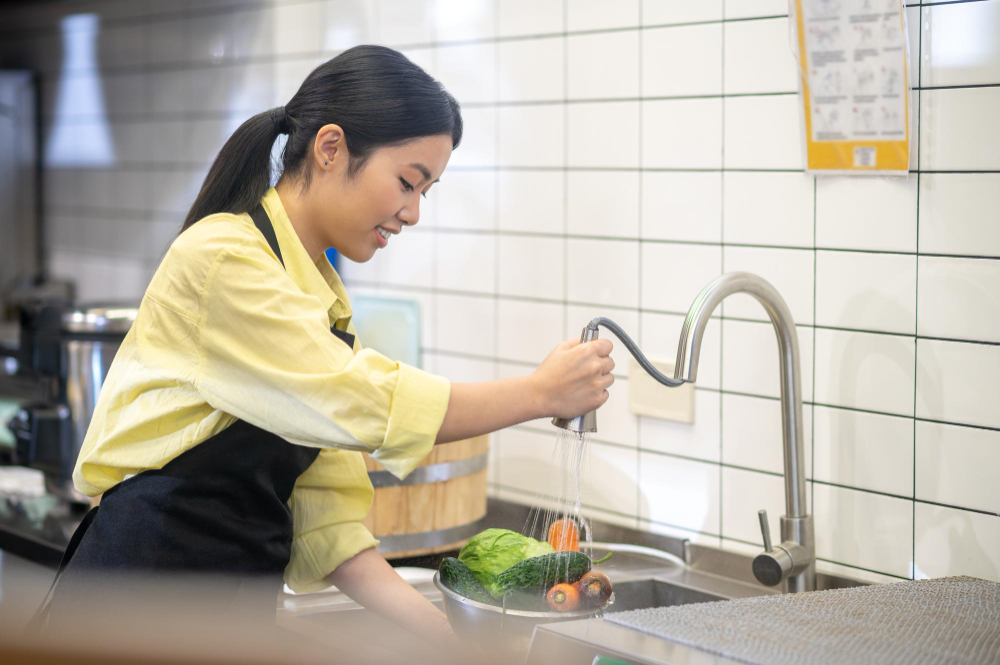
Here are nine preventive steps and all you need to know about how to prevent food poisoning [2] and gut troubles:
1. Follow The ‘Two-Hour’ Fridge Rule
Never leave cooked food out on the kitchen counter for more than two hours. In peak heat, aim for one hour. Even if it smells fine, the bacterial load could already be high enough to cause an upset stomach. So, if you are not eating it immediately, put it inside the fridge.
2. Beware of the Hidden Water
In the summer, hydration is quite important, but so is water quality. You might be drinking filtered water, but what about the ice in your juice or the water used to rinse your salad? Avoid ice at roadside stalls. Stick to your own water during travel, and be cautious if you are unsure about the water source.
3. The ‘Peel It or Forget It’ Fruit Rule
Pre-cut fruits sold on carts look refreshing, but they are magnets for dust and flies. They can also carry germs if not cleaned well. Only eat fruits you can peel yourself, like bananas, oranges, or mangoes. Wash thoroughly before cutting or eating, and avoid pre-sliced watermelon or papaya from street vendors.
4. Reheat Until it Steams
Warm isn’t enough in hot weather. If you are eating leftovers, reheat them until they are bubbling or steaming through. High heat is the only way to kill off the bacteria that may have started growing while the food sat.
5. The ‘Chaat’ Discipline
People all love gol gappas, but the “pani” (water) is often the primary culprit for typhoid and cholera in summer. If the craving hits, try making the flavoured water at home with RO/boiled water, or choose vendors who use mineral water exclusively.
6. Wash Your ‘Veggie Bags’ Too
You wash the vegetables, but often forget the reusable cloth bags you carry them in. Toss your grocery bags in the laundry once a week. Leaking milk packets or juice from veggies can breed bacteria in the corners of your bag.
7. Dairy: The Silent Spoiler
Milk, curd, and paneer turn sour incredibly fast in the summer heat. Check the ‘use by’ date religiously. If a packet of milk has been sitting in a warm delivery box for an hour, boil it immediately or keep it in the coldest part of the fridge.
8. Hand Hygiene (Even at Home)
It sounds basic, but in 2026, many stomach infections are actually viral and spread through shared surfaces. Your phone screen often carries more germs than a kitchen counter. Handwashing can significantly reduce infection risk. Wash your hands after using your phone or handling cash before you touch your food.
9. Keep Raw and Cooked Separate
Cross-contamination is a major cause of food poisoning. Never use the same knife for raw chicken/meat and your salad vegetables without a thorough soapy wash in between.
Support Your Gut, Don’t Overload It

Summer digestion can feel more sensitive. Helpful habits include:
– Eating lighter meals
– Avoiding overly greasy food regularly
– Including curd or buttermilk when suitable
This may help reduce digestive stress.
Where Most People Go Wrong
People usually assume cold food is safe food, don’t reheat food properly, ignore water hygiene, and trust appearance over storage. Summer infections are often preventable—but only when habits match the season.
The Bottom Line on How to Prevent Food Poisoning
Summer stomach infections are common—but many are preventable. When temperatures rise, your food habits need to adapt too, because protecting your stomach in summer is all about eating smarter. And often, the smallest precautions are the ones that protect you the most.
FAQs
Q. Can you use hand sanitizer instead of washing your hands before eating?
Hand sanitizer is great for travel, but it doesn’t kill all types of stomach viruses (like Norovirus). Soap and water are always the gold standard for preventing food-related infections.
Q. Why does curd sometimes taste ‘fizzy’ in summer?
That fizz is a sign of over-fermentation due to high heat. While it might not always make you sick, it’s a sign that the dairy is no longer fresh and should be avoided if you have a sensitive stomach.
Q. Is it safe to eat leafy greens like spinach in the summer?
Yes, but they require extra care. Summer heat can make greens wilt and spoil. Wash them in a salt-water soak to remove potential parasites and bacteria before cooking.
Q. What should you do at the first sign of stomach upset?
At the first sign of stomach upset, switch to ORS, coconut water, or salted chaas. Staying hydrated is the most important step. If vomiting or fever persists for more than 24 hours, see a doctor.
Q. Is it safe to eat leftovers from a restaurant the next day?
Leftovers from a restaurant are safe to eat only if you refrigerate them within 30-40 minutes of your meal. If you forgot the bag in the car while running errands, it’s safer to throw it away.
Q. Can individuals eat eggs or chicken during a summer heatwave?
Yes, but you must ensure they are fully cooked. Half-cooked sunny-side-up eggs or medium-rare meat carry a much higher risk of bacteria when it’s hot outside. Also, avoid heavy, oily gravies; stick to lighter grilled or boiled versions to help your digestion.
Q. Is it safe to buy loose spices or flour from the local market in summer?
Humidity in the air can make loose powders damp, leading to invisible mold or fungal growth. During the monsoon and peak summer, it’s better to buy sealed, branded packets.
References
1. Food poisoning symptoms. Food Safety. https://www.cdc.gov/food-safety/signs-symptoms/index.html. Published November 24, 2025.
2. Preventing food poisoning. Food Safety. https://www.cdc.gov/food-safety/prevention/index.html. Published November 24, 2025.
(The article is written by Sneha Jajoo, Intern, Clinical Health & Content, and is reviewed by Dr.Subita Alagh, Assistant Team Lead, Disease Content.)
Recommended Reads
7 Ayurveda Expert-recommended Healthy Drinks for The Summer Season
Not Hungry in the Morning? Try These Light Breakfast Ideas For Summer