You wake up, drink your morning tea or coffee, and wait. Nothing happens.
A few hours later, you’re still feeling bloated, uncomfortable, and wondering why your stomach refuses to cooperate. If this sounds familiar, you’re not alone. Constipation is one of those problems almost everyone deals with at some point, yet it’s rarely something people like talking about.
That’s why many people look for simple, natural ways to get things moving again. Chia seeds often make the list. These tiny seeds have earned a reputation for supporting digestion, but can they really help with constipation? And if they can, how much should you eat, and what’s the best way to take them? Let’s separate the facts from the hype.
Can Chia Seeds Really Help With Constipation?

Yes, chia seeds may help relieve constipation, especially if your constipation is linked to a low-fiber diet.
One of the biggest reasons is their high fiber content. Just two tablespoons (about 28 grams) of chia seeds provide nearly 10 grams of fiber. That’s around one-third of the daily fiber most adults need.
Fiber helps by adding bulk to your stool. It also helps the stool move more easily through your intestines, making bowel movements more regular.
Another reason chia seeds may work is their ability to absorb water. When soaked, they form a soft, gel-like coating. This gel helps keep stools soft and easier to pass.
Still, chia seeds aren’t a magic cure. They work best when you also drink enough water, stay active, and eat a balanced diet.
Why Fibre Matters for Healthy Bowel Movements
Your digestive system needs fiber to work properly.
There are two main types of fiber:
- Soluble fiber dissolves in water and forms a gel. It softens stool and supports healthy gut bacteria.
- Insoluble fibre adds bulk to stool and helps food move through the digestive tract faster.
Chia seeds contain both types. That’s one reason they’re considered one of the best plant-based foods for digestion.
Without enough fibre, stools can become dry and hard. This makes them difficult to pass and increases the risk of constipation.
How Chia Seeds Work in Your Gut
Once chia seeds reach your stomach, they start absorbing water. They can absorb many times their weight in liquid.
This creates a gel-like texture that moves through your digestive tract.
The fibre and water together help:
- Soften hard stools
- Increase stool bulk
- Encourage regular bowel movements
- Feed healthy gut bacteria
- Support overall digestive health
Healthy gut bacteria also produce compounds called short-chain fatty acids. These help keep your colon healthy and support normal bowel function.
How Much Chia Seeds Should You Take for Constipation?
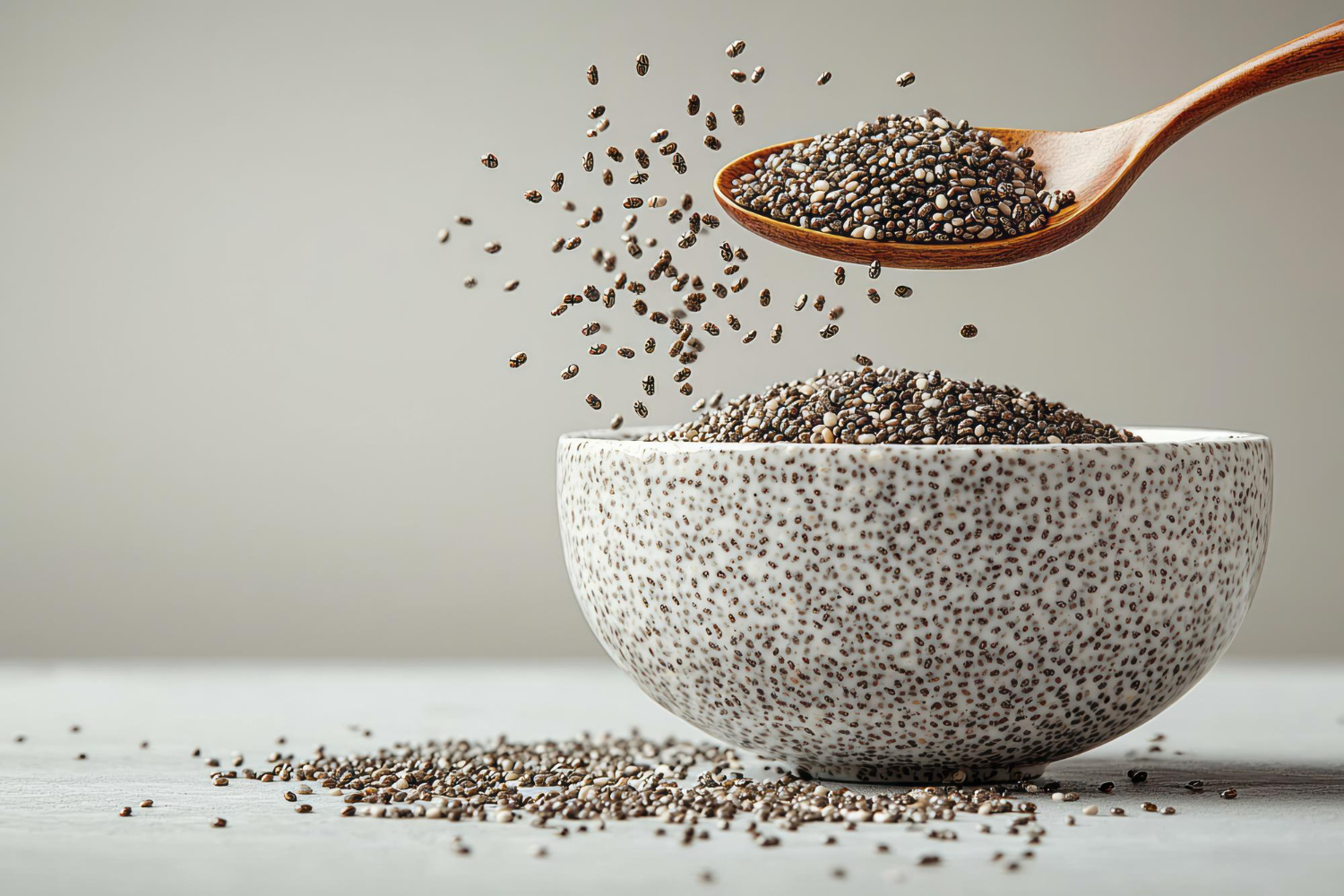
Most adults can start with one tablespoon (about 15 grams) per day.
If your body tolerates it well, you can slowly increase to two tablespoons (about 28 grams) daily.
There’s no need to eat large amounts. More isn’t always better.
Eating too many chia seeds at once may lead to:
- Gas
- Bloating
- Abdominal discomfort
- Cramping
If you’re new to fibre-rich foods, increase your intake slowly over one or two weeks. This gives your digestive system time to adjust.
Should You Soak Chia Seeds Before Eating?
Soaking chia seeds isn’t required, but many experts recommend it.
When soaked for 20 to 30 minutes, the seeds absorb water and become soft.
This offers a few benefits:
- They’re easier to digest.
- They may be gentler on your stomach.
- They help increase your fluid intake.
- They create a gel that may help soften stools.
Some people eat dry chia seeds sprinkled over food without any problems. However, eating large amounts of dry chia seeds without enough water isn’t a good idea.
Because chia seeds absorb water quickly, they can swell after swallowing. In rare cases, this may cause choking, especially in people who have trouble swallowing.
The Best Ways to Eat Chia Seeds for Constipation
Adding chia seeds to your diet is easy.
Here are a few simple ideas.
Chia Water
Mix one tablespoon of chia seeds into a glass of water.
Let it sit for about 20 to 30 minutes.
Drink it along with another glass of plain water if needed.
Yogurt
Stir soaked chia seeds into plain yogurt.
This combines probiotics and fiber, both of which support gut health.
Oatmeal
Mix chia seeds into warm oatmeal.
It’s an easy high-fiber breakfast that may help keep your digestion regular.
Smoothies
Blend one tablespoon of soaked chia seeds into a fruit smoothie.
Bananas, berries, kiwi, and spinach pair well with chia.
Chia Pudding
Mix chia seeds with milk or a plant-based alternative.
Leave it in the fridge overnight.
Top it with fresh fruit and nuts.
How Long Do Chia Seeds Take to Work?
Everyone is different.
Some people notice easier bowel movements within one or two days.
For others, it may take several days or even a week.
The results depend on several factors:
- Your current fibre intake
- Water intake
- Physical activity
- The cause of your constipation
- Overall diet
If constipation has lasted for several weeks or is caused by an underlying medical condition, chia seeds alone may not solve the problem.
Drink Plenty of Water
This step is often overlooked.
Fibre needs water to do its job.
If you increase fibre but don’t drink enough fluids, constipation can actually become worse.
Aim to drink water throughout the day, especially when adding chia seeds or any other high-fibre food.
A simple rule is this: every time you increase fibre, increase water too.
Your gut will thank you.
Can Chia Seeds Cause Constipation?
Ironically, yes.
This usually happens when:
- You eat too many at once.
- You don’t drink enough water.
- You suddenly increase fibre after eating very little fibre.
Instead of helping, the extra fibre may make stools harder to pass.
That’s why starting slowly is important.
Who Should Be Careful?
Chia seeds are safe for most healthy adults.
However, you should talk to your doctor before adding large amounts if you:
- Have difficulty swallowing
- Have inflammatory bowel disease during a flare-up
- Have bowel narrowing or blockage
- Recently had intestinal surgery
People taking blood-thinning medicines or medicines for diabetes or high blood pressure should also speak with their healthcare provider. Chia seeds may affect blood sugar levels and blood pressure in some people.
Other Foods That Help With Constipation
Chia seeds work best as part of an overall high-fibre diet.
Other foods that support regular bowel movements include:
- Prunes
- Kiwi
- Pears
- Apples with skin
- Oats
- Flaxseeds
- Lentils
- Beans
- Whole grains
- Leafy green vegetables
Eating a variety of fiber-rich foods is usually better than relying on just one food.
Lifestyle Habits That Make a Difference
Food isn’t the only answer.
Simple daily habits can help prevent constipation.
Try to:
- Walk or exercise most days.
- Drink enough water.
- Don’t ignore the urge to have a bowel movement.
- Eat meals at regular times.
- Get enough sleep.
- Manage stress.
Your digestive system likes routine more than you might think.
When Should You See a Doctor?
Occasional constipation is common.
But seek medical advice if you have:
- Constipation lasting more than three weeks
- Blood in your stool
- Severe stomach pain
- Unexplained weight loss
- Vomiting
- Constipation that keeps returning despite lifestyle changes
These symptoms may need medical evaluation.
The Bottom Line
Chia seeds can be a helpful natural remedy for constipation. Their mix of soluble and insoluble fibre, along with their ability to absorb water, helps soften stools and support regular bowel movements.
Start with one tablespoon a day and slowly increase to two tablespoons if needed. Soaking the seeds and drinking plenty of water can improve both comfort and effectiveness.
Remember, no single food can fix constipation overnight. A balanced diet, regular exercise, good hydration, and healthy bathroom habits all play a role in keeping your digestive system moving.
FAQs
1. How many chia seeds should I eat daily for constipation?
Start with one tablespoon (about 15 grams) daily. If you tolerate it well, increase to two tablespoons (about 28 grams) per day while drinking plenty of water.
2. Is it better to soak chia seeds before eating them?
Yes. Soaking chia seeds for 20 to 30 minutes makes them softer, easier to digest, and helps them form a gel that may support smoother bowel movements.
3. Can I eat dry chia seeds?
You can, but avoid eating large amounts without water. Dry chia seeds absorb liquid quickly and may cause discomfort or, in rare cases, create a choking risk.
4. How quickly do chia seeds relieve constipation?
Some people notice improvement within one or two days. Others may need several days to a week, depending on their diet, hydration, activity level, and the cause of constipation.
5. Can chia seeds make constipation worse?
Yes, if you eat too many without enough water or suddenly add a large amount of fibre to your diet. Start with a small serving and increase gradually.
6. What’s the best time to eat chia seeds for constipation?
There’s no perfect time. Many people enjoy them at breakfast in oatmeal, yogurt, or smoothies because it helps spread fibre intake throughout the day.
7. Are chia seeds better than flaxseeds for constipation?
Both can help. Chia seeds absorb more water and form a thicker gel, while flaxseeds also provide fibre and healthy fats. Many people include both in a balanced diet.
8. Can I take chia seeds every day?
Yes. For most healthy adults, eating one to two tablespoons daily is considered safe when combined with adequate fluid intake and a balanced diet.
9. Who should avoid chia seeds?
People with swallowing difficulties, bowel obstruction, certain digestive disorders during flare-ups, or those who have recently had intestinal surgery should consult a healthcare provider before eating chia seeds regularly.
10. Are chia seeds enough to treat chronic constipation?
Not always. If constipation is frequent, severe, or lasts for several weeks, you should see a healthcare provider. Chronic constipation may require medical evaluation and treatment beyond dietary changes.
Recommended Reads:
10 Healthy Foods Rich in Vitamin D You Should Add to Your Diet
Clinically Explained Vitamin D Supplements: Benefits, Dosage & Timing
(The article is written by Mantasha, Sr. Executive, Clinical Health & Content, and reviewed by Monalisa Deka, Deputy Manager, Clinical Health & Content, Medical Affairs.)