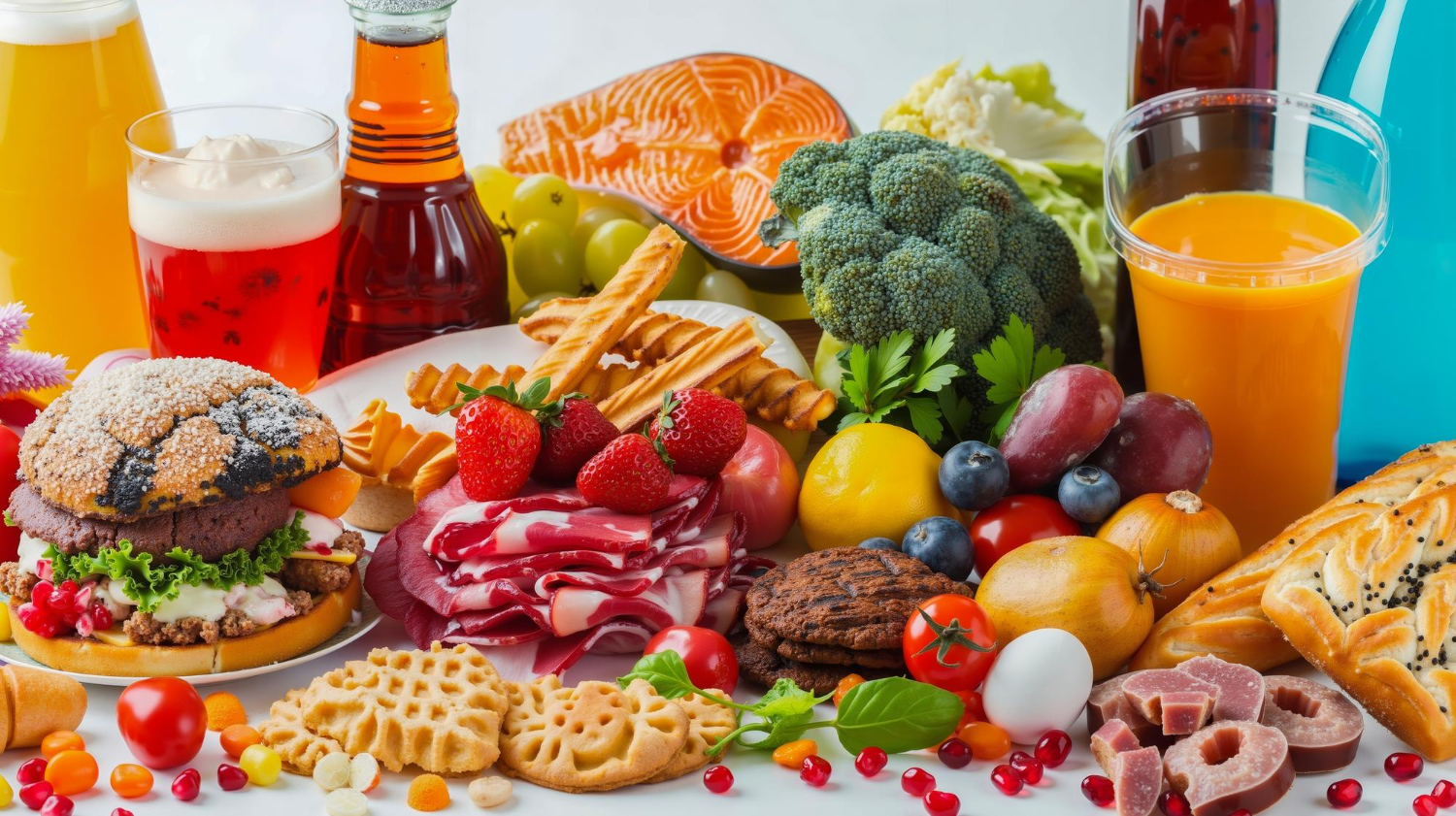
High uric acid levels have become a global health issue affecting millions of people. When the body breaks down purines, it produces uric acid. But if the kidneys don’t filter uric acid out properly, or a person eats a lot of purine-rich foods, too much uric acid can build up in the blood.
Hyperuricemia, or the persistent elevation of uric acid levels, results in painful diseases like gout, kidney stones, and joint destruction. The good news is that uric acid can be controlled through diet: choosing foods wisely helps prevent attacks and improve your health.
If you are suffering from high uric acid levels or gout, here are 9 foods that you should cut back on, as well as healthier alternatives. But first, let’s understand what uric acid is and why keeping it under control is important.
What Is Uric Acid?

Uric acid is a waste product formed when purines, bioactive compounds found in the cells of the body and some foods, are metabolized. Under normal conditions, uric acid dissolves in blood and is excreted by the kidneys in urine.
But if too much uric acid is produced or too little is eliminated, crystals may be deposited in the joints and cause pain and inflammation.
Common Symptoms of High Uric Acid
– A sudden burst of joint pain.
– Joint swelling and warmth
– Redness of the joints
– Limitation in the movement of the joints
– Kidney stones
– Recurrent attacks of gout.
1. Organ Meats
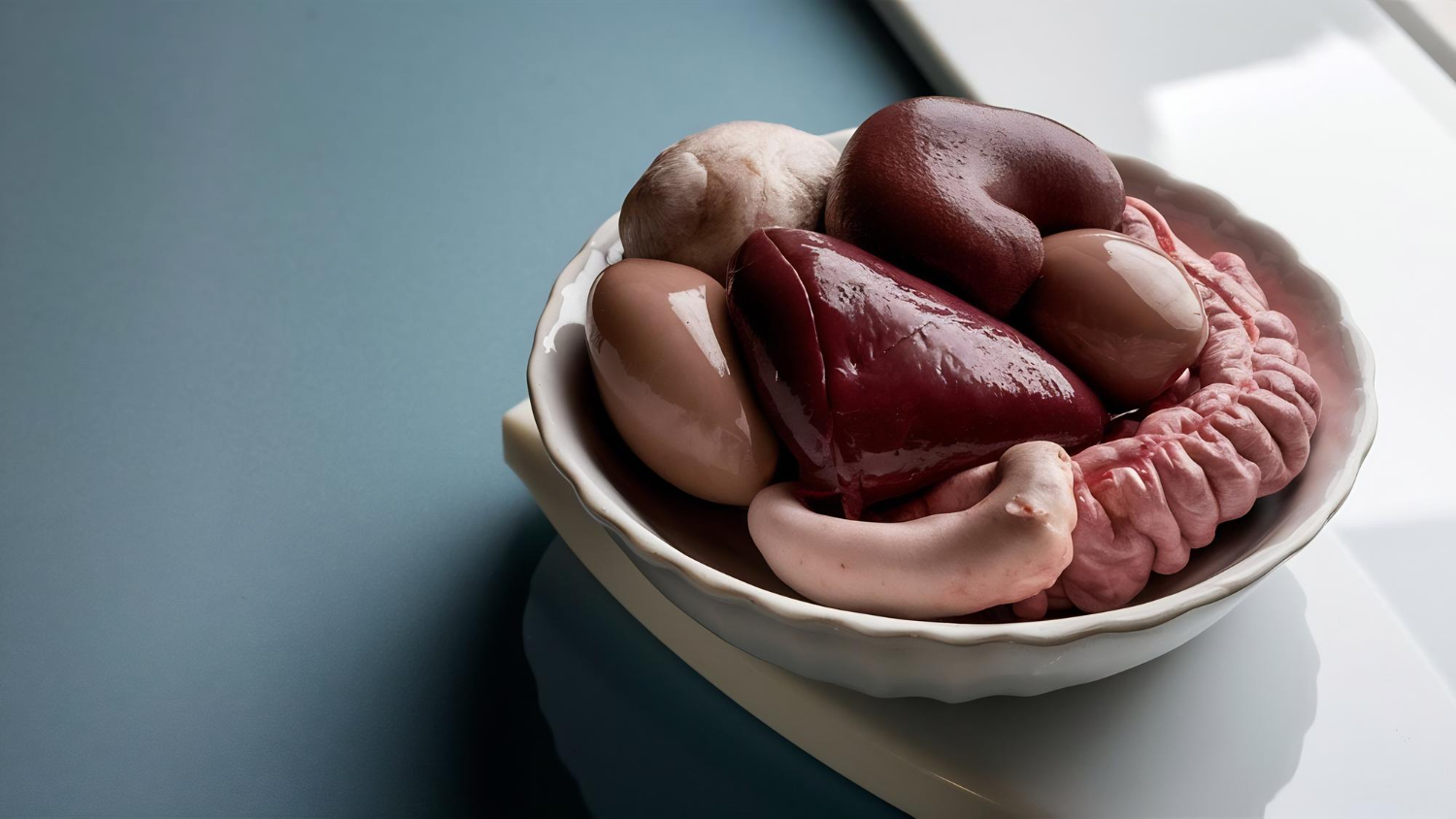
Foods that consist of organs like the liver, the kidneys, the brain, and sweetbreads contain maximum amounts of purines. Digestion of such foods leads to a sharp increase in uric acid production.
Why Avoid?
Repeated eating of such foods causes gout and strengthens hyperuricemia.
Better Alternatives
Use lean chicken, eggs, vegetables, and low-fat dairy instead.
2. Red Meat
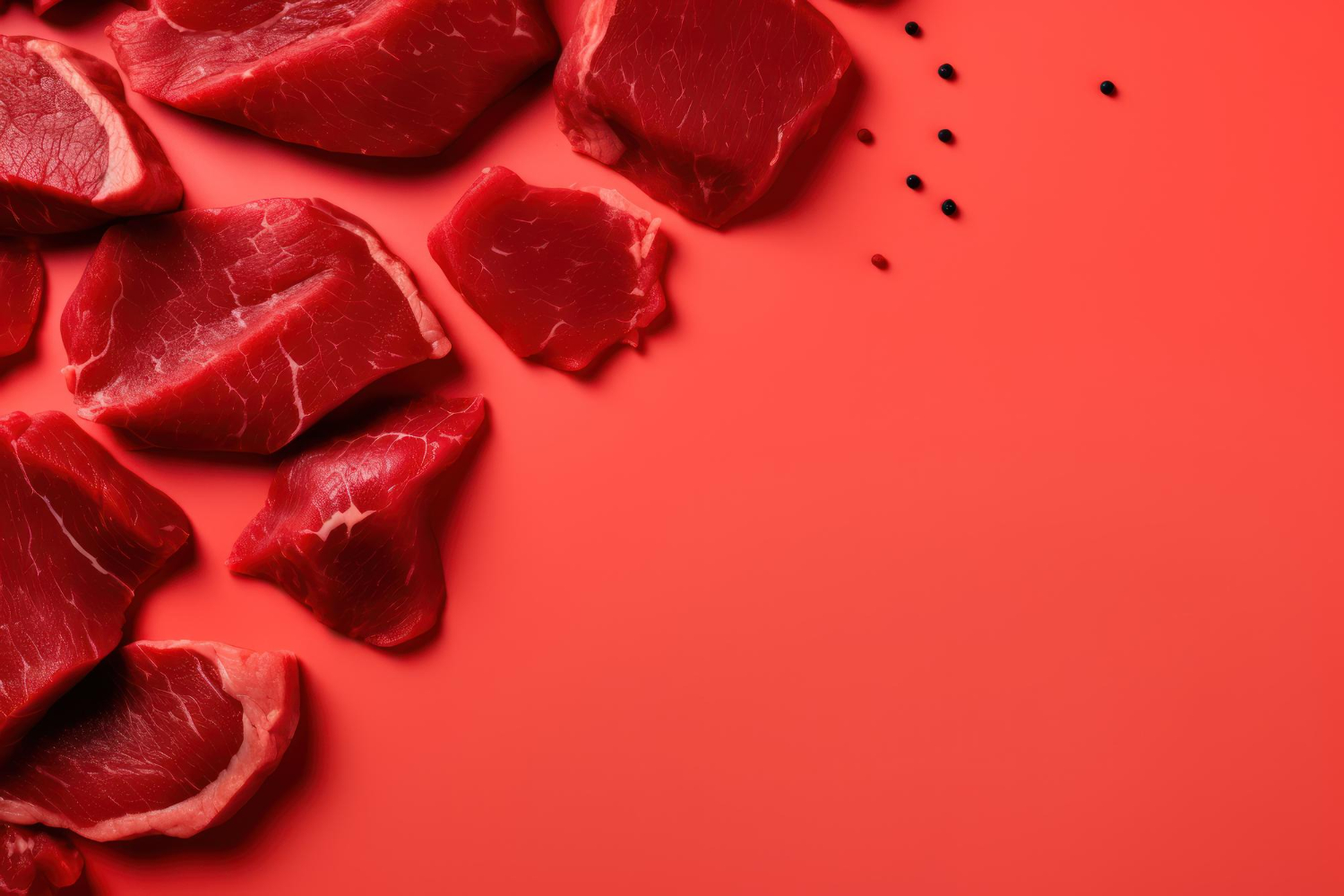
Beef, goat meat, lamb, and pork are said to be sources of high to medium purine concentrations. Frequent consumption in large portions ensures that uric acid levels increase.
Why Avoid?
Eating red meat too often seems to be linked with gout.
Better Alternatives
Use skinless chicken instead or other plant proteins such as lentils and beans recommended by the doctor.
3. Certain Seafood
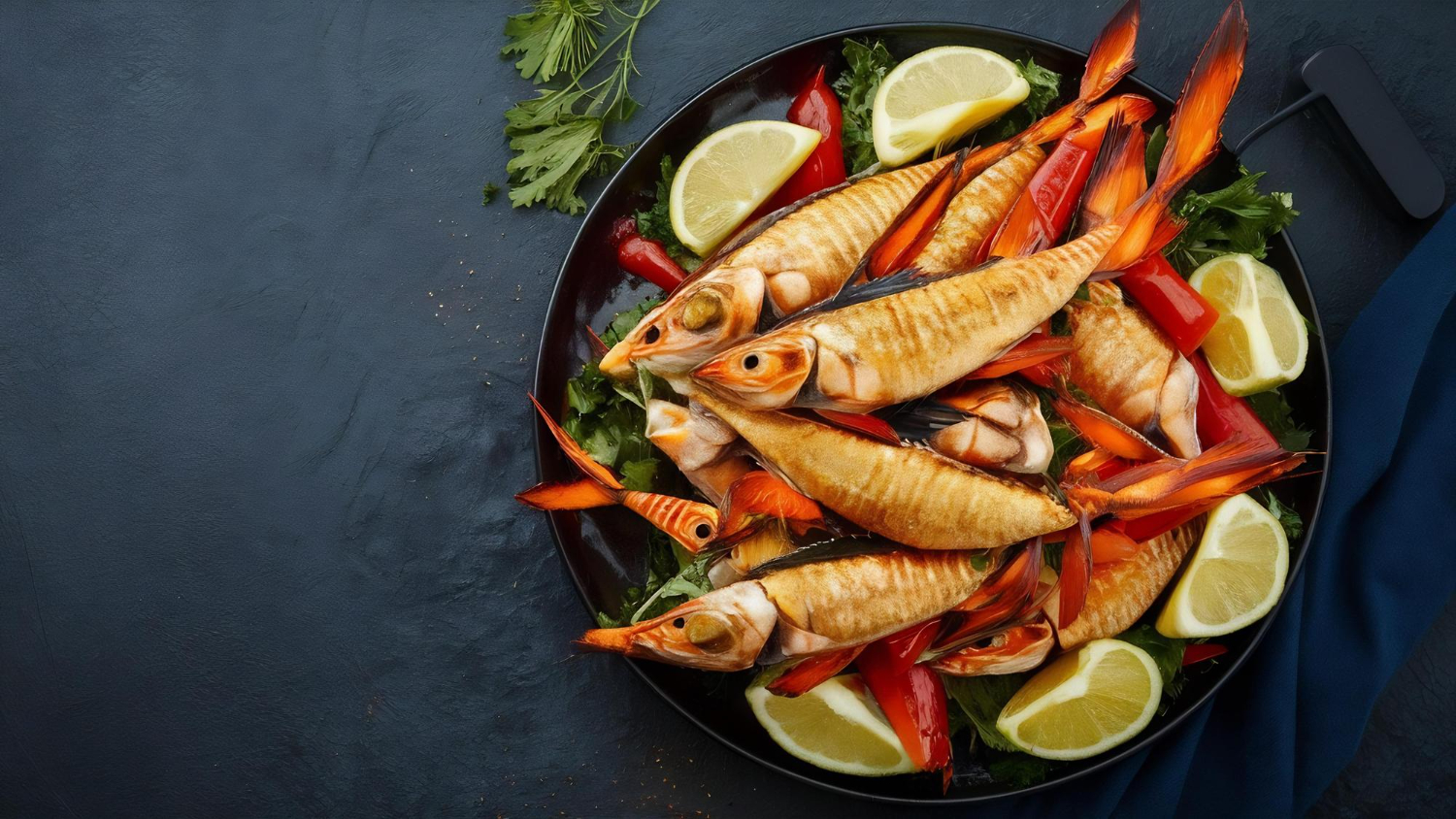
Some seafood is too nutritious for the rest of the source of purines.
Fish to Eat Less:
– sardines
– anchovies
– herring
– mackerel
– mussels
– scallops
– tuna (canned).
Why Avoid?
Eating this seafood leads to an instant increase in uric acid production.
Better Alternatives
Fish lower in purines, such as salmon, may be consumed in moderation after consulting your doctor.
4. Sugary Drinks
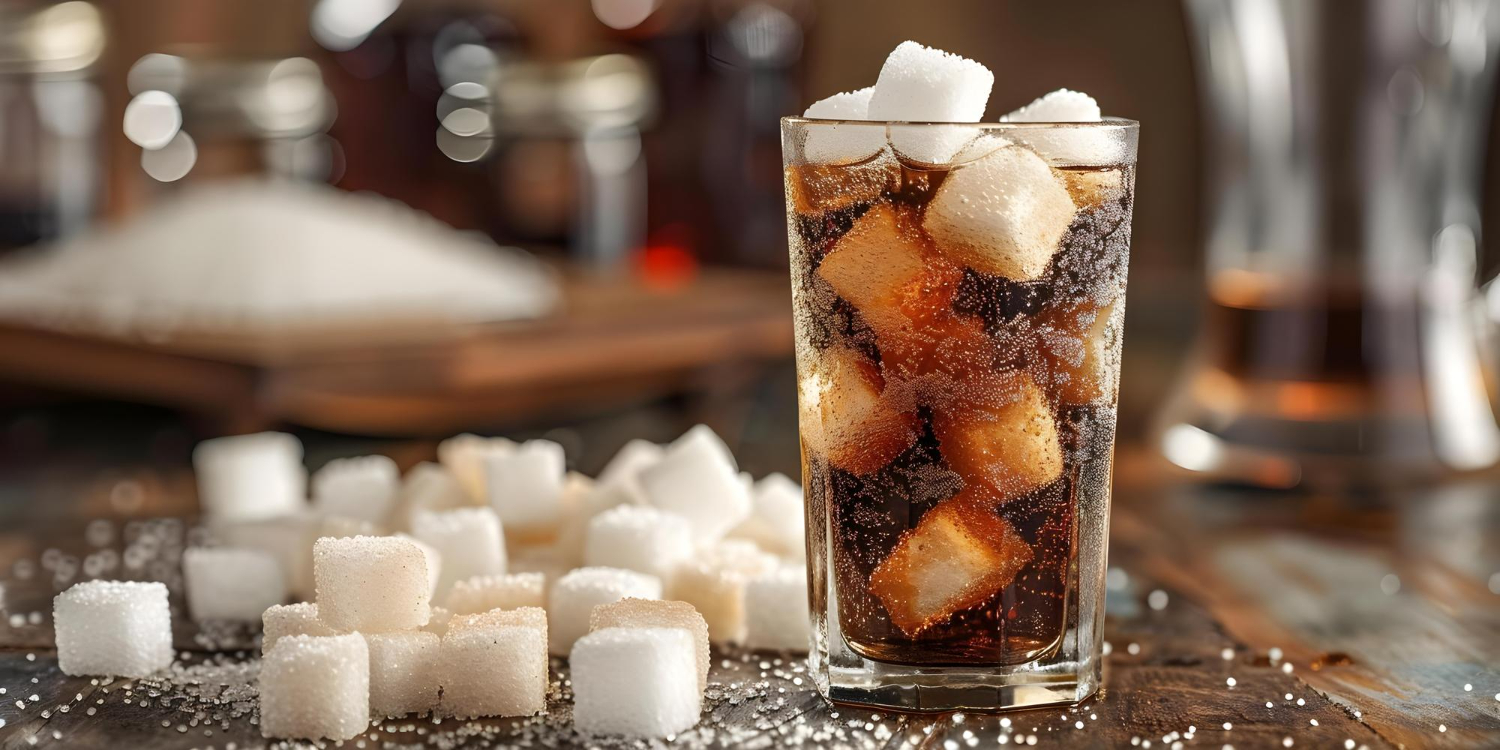
Sugary drinks, especially those containing high fructose corn syrup, tend to raise uric acid levels.
Why Avoid?
Fructose breaks down in the liver, producing uric acid.
Common Sources:
- Soft drinks
- Fruit drinks
- Packaged energy drinks
- Iced tea
Best Option Drink:
- Coconut water
- Lemon water (No sugar)
- Herbal tea
5. Alcoholic Beverages

Alcohol increases the production of uric acid and stops the body from getting rid of it through the kidneys. Beer is particularly dangerous because it has both alcohol and purines.
The Reasons to Avoid
Alcohol increases uric acid production and decreases its excretion.
Limit Especially:
- Beer
- Whiskey
- Rum
- Vodka
- Wine during attacks of gout
6. Processed and Fast Foods
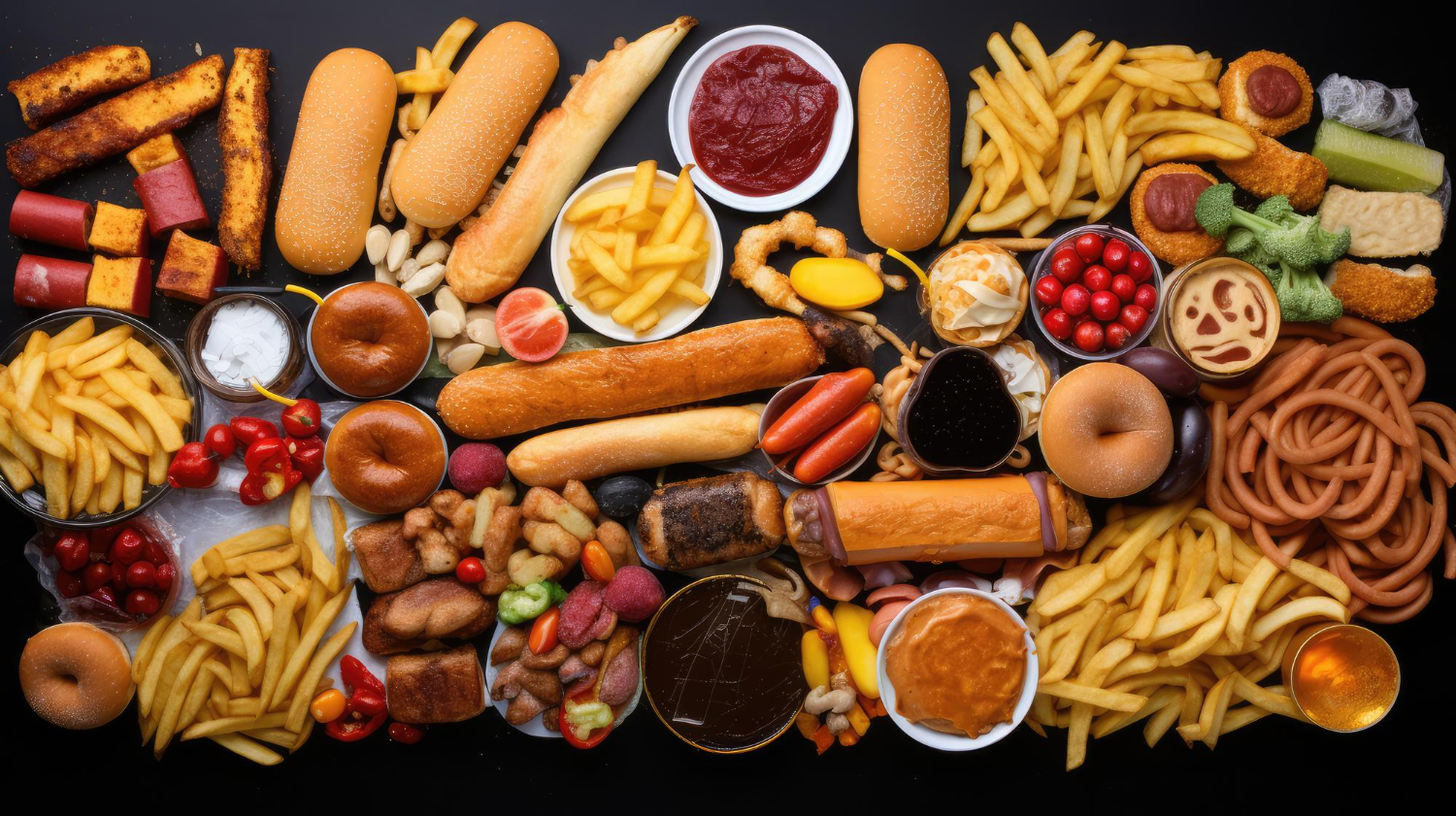
Fast foods usually have unhealthy fats, industrial carbohydrates, sodium, and hidden sugars.
Examples
- Burgers
- Pizza
- French fries
- Fried chicken
- Instant noodles
- Processed frozen meals
Why Avoid?
Such foods make it easier to get overweight and develop insulin resistance, which makes it harder to control uric acid levels.
Best Option
Prepare food yourself and use whole grains and vegetables.
7. Refined Sugary Foods

Sweet desserts can increase uric acid levels indirectly.
Foods to Avoid
- Cakes
- Cookies
- Pastries
- Candy
- Ice cream
- Doughnuts
Why Avoid?
Added sugar, made of fructose, increases uric acid levels.
Healthier Alternative
Opt for:
- Fresh fruits
- Plain yogurt
- Homemade fruit salad
8. Processed Meat
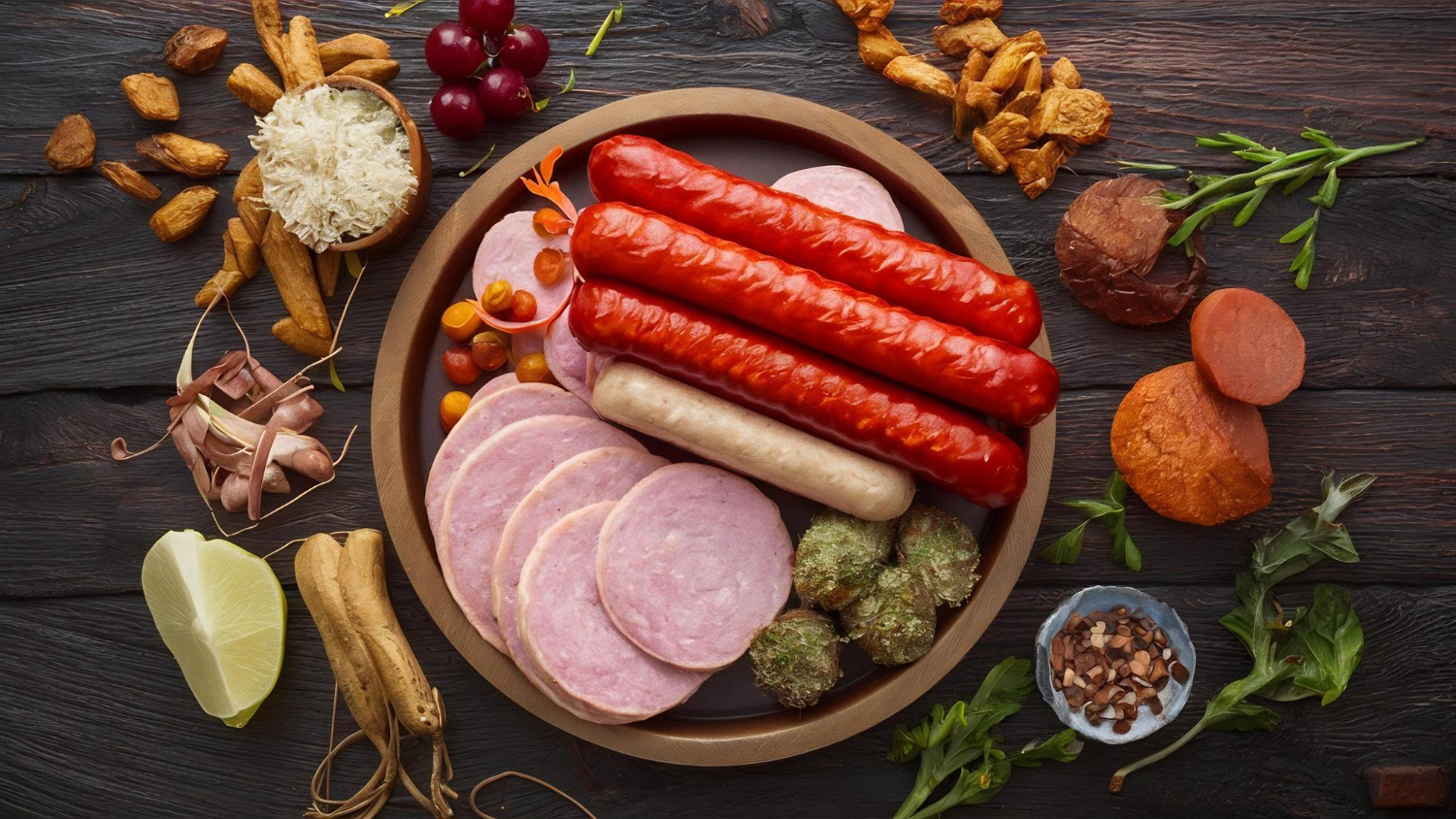
Processed meats have high levels of sodium, preservatives, and purines.
Types of Food
- Sausages
- Bacon
- Salami
- Ham
- Hot dog
Why Avoid?
Frequent consumption can cause inflammation and trigger gout.
Healthier Choice
Occasionally, eat lean meat that has been freshly cooked instead of processed meat.
9. Excess Salt and Packaged Snacks
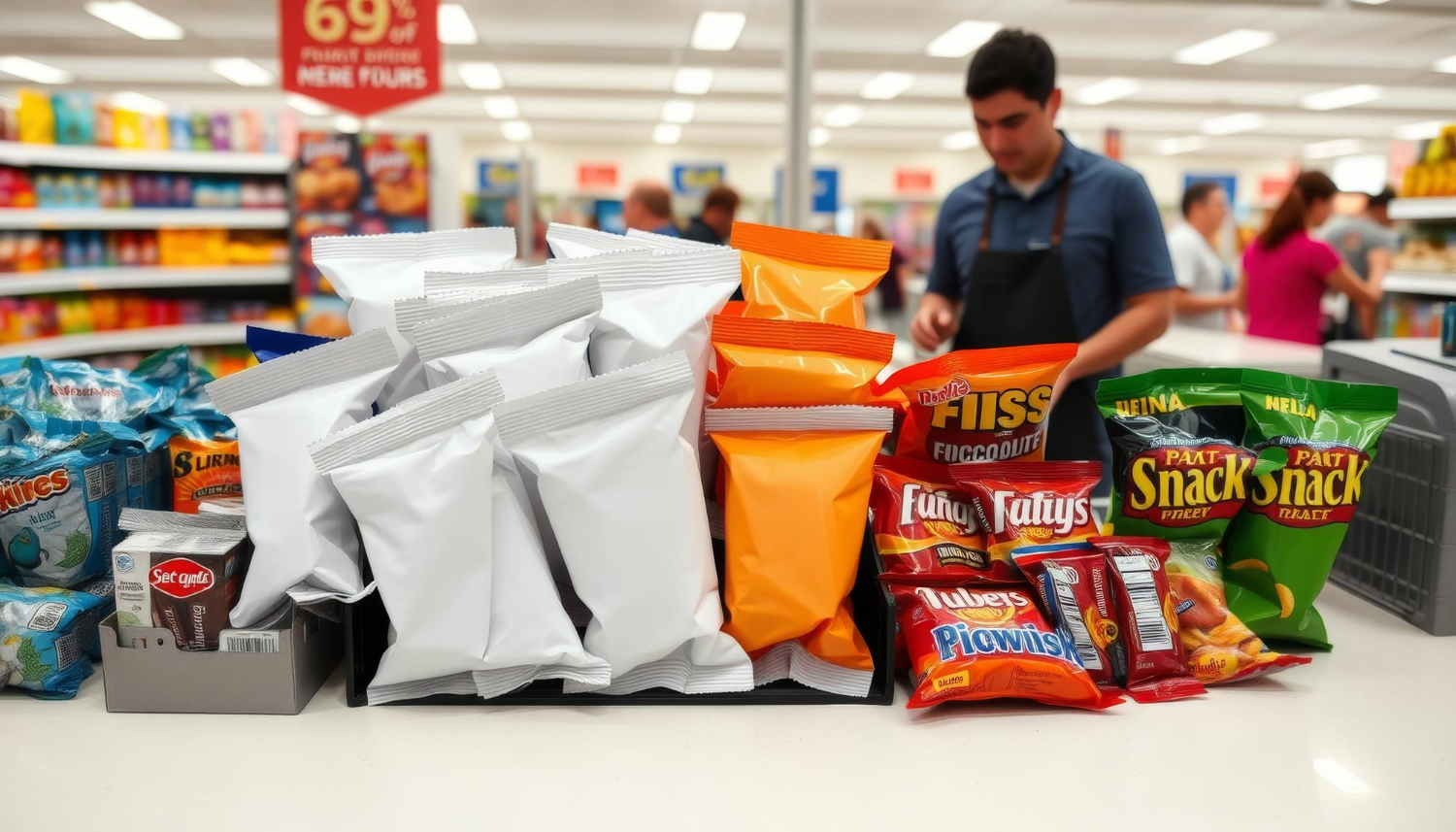
Salt itself does not raise uric acid levels, but excessive amounts of sodium can lead to eventual kidney damage.
Foods to Limit
- Potato chips
- Namkeen
- Salted crackers
- Instant soup
- Packaged snacks
Healthier Alternatives
Choose to munch on unsalted nuts, roasted chickpeas, fresh fruits, or vegetable sticks.
Looking for natural ways to manage high uric acid? Discover 6 Traditional Indian Drinks to Lower Uric Acid Naturally
Lifestyle Recommendations for Managing Uric Acid
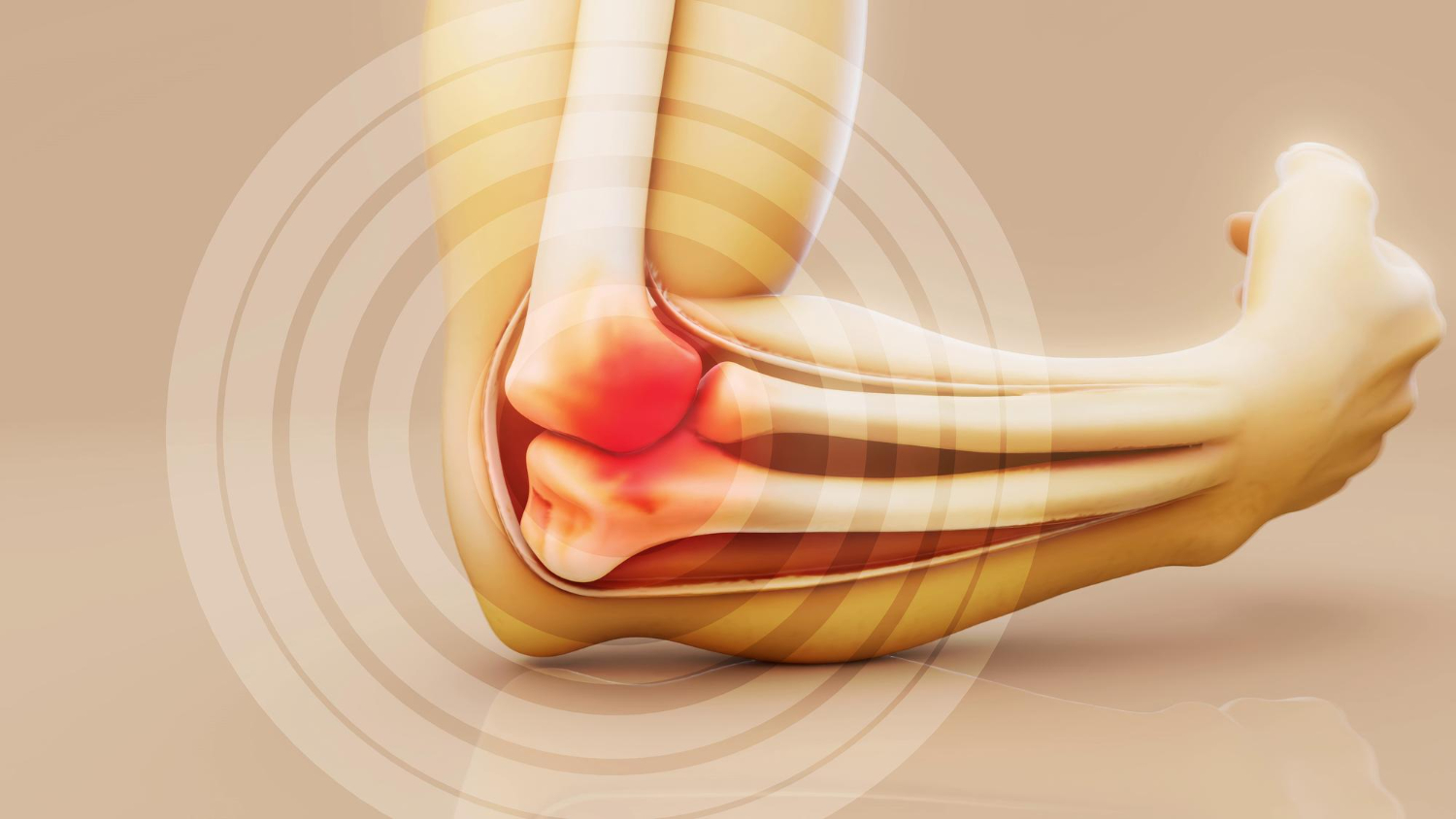
Apart from making changes in what you eat, altering some elements of your lifestyle can help fight gout and enhance control of uric acid.
– Drink 2-3 liters of water daily unless your physician has instructed otherwise.
– Weight loss should take place gradually to obtain good results.
– Do some kind of physical activity for at least 150 minutes a week.
– Don’t go for crash diets or fast for long periods. Quick weight loss isn’t healthy.
– Limit the consumption of alcoholic beverages.
– Sleep 7-8 hours every night without interruptions.
– Do not miss taking medications prescribed by your physician.
– Have your blood test done regularly to check your uric acid level.
When Should You See a Doctor?

You need to see your doctor if you have the following problems:
– Frequent attacks of gout (that is, if you suffer from gout at least once a year).
– Acute pain in the joints.
– Joints swollen for several days.
– Fever that comes along with joint pain.
– Blood found in your pee.
– Symptoms of kidney stones.
– High uric acid levels despite dietary changes.
Final Takeaway

You don’t have to give up your favourite foods altogether if you’re dealing with high uric acid, but you should make wiser choices when eating. Taking steps such as avoiding the internal organs, beef, alcohol, sugary drinks, processed foods, and fish high in purines will surely help to lower uric acid levels.
It is also recommended that people who have gout attacks drink plenty of water, continue exercising, and keep their body weight at a healthy level. If no changes are noticed, they should get professional help from healthcare specialists in order to receive the appropriate treatment.
FAQs
Q. Which foods increase the level of uric acid the most?
Organ meats, beer, seafood such as sardines, and foods offering large amounts of sugar.
Q. Can drinking more water lead to a decrease in the level of uric acid in the body?
Yes. Water helps the kidneys get rid of excess uric acid through urine.
Q. Is rice safe for individuals suffering from high levels of uric acid?
Yes. Rice is low in purines and can be included in one’s diet.
Q. Are eggs suitable for people suffering from high uric acid?
Yes. Eggs have very few purines and are a rich source of high-quality protein, so they are appropriate for most patients with high uric acid levels.
Q. Is it possible to control high uric acid levels without medications?
People with mildly high uric acid levels may be able to manage the condition by eating a healthy diet, drinking plenty of water, maintaining a healthy weight, and exercising regularly. However, if uric acid levels remain high or gout attacks occur frequently, medication may be needed as prescribed by a doctor.
Q. Which fruits are recommended for patients with high uric acid levels?
The sour fruits rich in vitamin C, like oranges, lemons, kiwi, and strawberries, along with sweet fruits like cherries, apples, and bananas, can help to reduce uric acid levels when taken in a balanced diet.
Q. Does chicken consumption increase uric acid levels in the human body?
Chicken has moderate amounts of purines; therefore, it can be consumed normally. However, patients suffering from gout should not eat a lot of meat and should prefer eating skinless parts of chicken.
(The article is written by Deepa Sarkar, Senior Medical Writer, and reviewed by Monalisa Deka, Deputy Manager, Clinical Health & Content, Medical Affairs)