
You know that feeling when you wake up tired, push yourself through the morning, and then hit a wall by afternoon? Sometimes you reach for another cup of coffee, a sugary snack, or an energy drink just to get through the rest of the day.
But your energy levels aren’t controlled by caffeine alone.
Your sleep, food choices, hydration, movement, stress, and even how you spend your breaks can affect how energetic you feel. And while an occasional low-energy day is normal, constantly feeling drained is worth paying attention to.
The good news is that you don’t always need a complicated routine to feel more energetic. A few simple habits can help your body and mind work better throughout the day.
Here are nine natural ways to boost your energy levels without relying on quick fixes.
1. Start With a Good Night’s Sleep

It sounds obvious, but sleep is often the first thing people sacrifice when life gets busy.
Your body uses sleep to recover, while your brain processes information and prepares for the next day. If you’re regularly sleeping too little or waking up several times during the night, it’s no surprise that you feel sluggish the next morning.
Try keeping a fairly regular bedtime and wake-up time, even on weekends. A dark, quiet, and comfortable bedroom can also make it easier to sleep well.
If possible, put your phone away before bedtime. Scrolling through one more reel can easily turn into an hour. We’ve all been there.
Adults generally need around 7 to 9 hours of sleep each night, although individual needs vary. If you’re getting enough sleep but still feel exhausted for weeks, don’t simply assume you need more coffee. Persistent tiredness can sometimes be linked to an underlying health problem and may need medical evaluation.
2. Don’t Let Yourself Get Too Hungry

Food is fuel, and your body needs a steady supply of nutrients to keep going.
Skipping breakfast isn’t automatically unhealthy, but going for long periods without eating can leave some people feeling weak, distracted, or irritable. Large, heavy meals can also make you feel sleepy afterward.
Instead, focus on balanced meals that contain protein, whole grains or other sources of carbohydrates, vegetables or fruit, and healthy fats. Examples include eggs with whole-grain toast, dal with rice and vegetables, or yogurt with fruit and nuts.
If you’re hungry between meals, choose something simple such as fruit with nuts, unsweetened yogurt, roasted chana, or a small sandwich.
Regular meals and nutritious snacks can help you avoid the cycle of getting extremely hungry and then overeating. The NHS suggests eating regular meals and healthy snacks every few hours as one way to manage tiredness [1].
And don’t underestimate the importance of the quality of your overall diet. Current dietary guidance emphasizes protein, fruits, vegetables, whole grains, and healthy fats while limiting highly processed foods and added sugars.
3. Drink Enough Water

Sometimes the reason you’re tired is surprisingly simple: you haven’t had enough fluids.
Your body loses water throughout the day through urine, sweat, and even breathing. When you’re dehydrated, fatigue, headaches, and dizziness can occur.
You don’t need to force yourself to drink a fixed number of glasses just because a health influencer said so. Your fluid needs depend on factors such as your activity, environment, and diet.
A practical approach is to keep water nearby and sip throughout the day. You can also get fluids from foods such as watermelon, oranges, cucumbers, and soups.
If you suddenly feel tired while working, try drinking a glass of water before reaching for another snack or coffee. It may be all you needed.
4. Get Your Body Moving

When you’re tired, exercise can sound like the last thing you want to do. But staying still for hours can make you feel even more sluggish.
You don’t need to complete a tough workout every time you feel low on energy. A brisk 10- to 15-minute walk, some stretching, climbing stairs, or a few bodyweight exercises can get you moving.
Regular physical activity can improve energy levels and sleep while also helping with mood and stress. Even small amounts count, so don’t fall into the trap of thinking that a workout only matters if you spend an hour at the gym.
If you’ve been inactive for a while, start small and build up gradually. A daily walk around your neighborhood can be a better starting point than promising yourself you’ll suddenly exercise for two hours every day.
5. Get Some Natural Light

Your body has an internal clock that helps regulate your sleep and wake cycle. Light exposure, especially earlier in the day, helps your body understand that it’s time to be awake.
Try opening your curtains soon after waking up. Better yet, step outside for a few minutes. Have your morning tea on the balcony, walk to a nearby shop, or simply spend some time outdoors.
This small habit can also give you a reason to move instead of staying curled up in bed checking your phone.
If you work indoors, take short breaks to step outside or sit somewhere with natural light. Your afternoon energy slump may not disappear completely, but changing your environment can help you feel more awake.
6. Manage Stress Before It Drains You
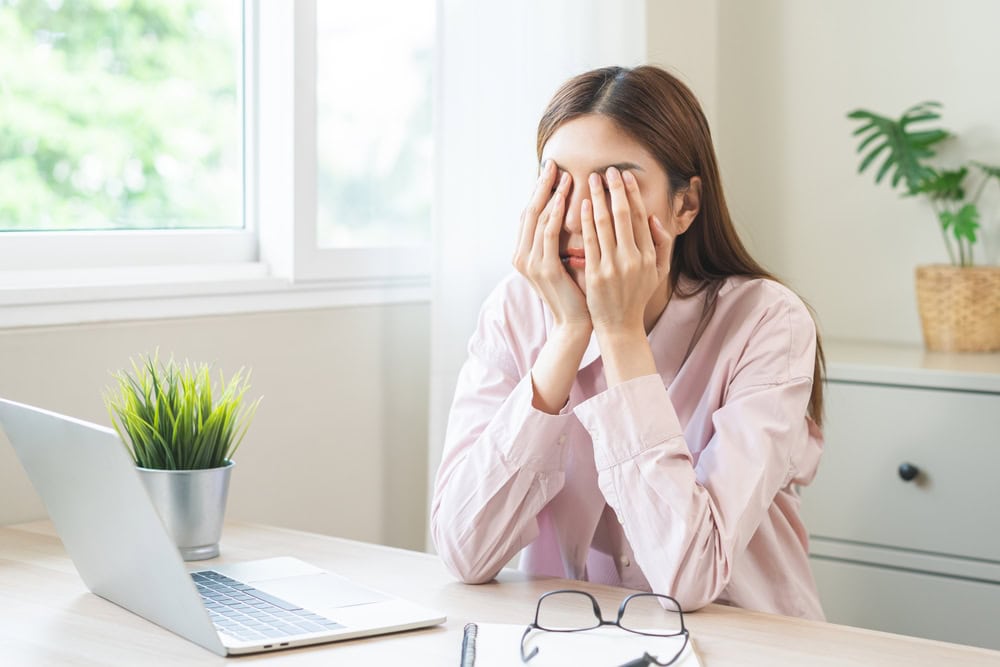
Mental exhaustion can be just as real as physical tiredness.
When you’re constantly worrying about deadlines, relationships, finances, or a never-ending to-do list, your mind rarely gets a chance to switch off. Over time, that can leave you feeling drained even when you haven’t done anything physically demanding.
You don’t need to meditate for an hour to manage stress. Try taking five quiet minutes between tasks. Go for a short walk. Stretch. Listen to music. Talk to someone you trust. Write down what’s bothering you instead of letting ten different thoughts fight for attention in your head.
Activities such as meditation, yoga, and tai chi may also help manage stress and support energy levels.
And sometimes the best energy-saving habit is learning to say, “I can’t do that today.” Your to-do list will survive.
7. Be Smart About Caffeine

Coffee can absolutely help you feel more alert. Caffeine stimulates the nervous system and can temporarily improve alertness and attention. That’s one reason a morning cup can feel like a small miracle.
But caffeine shouldn’t become a substitute for sleep.
Too much caffeine, particularly later in the day, can interfere with sleep. That creates a frustrating cycle: you’re tired because you slept poorly, so you drink more coffee, which makes it harder to sleep, and then you’re tired again the next day.
For most healthy adults, the US Food and Drug Administration cites up to 400 mg of caffeine per day as an amount not generally associated with negative effects, although sensitivity varies from person to person.
If you’re a coffee drinker, keeping it simple can also help. Plain black coffee has very few calories compared with versions loaded with sugar, syrups, and cream. You can read more about what research says about the potential benefits and limits of your daily cup in this guide to black coffee and its health benefits.
8. Choose Snacks That Keeps You Going
That afternoon craving for a chocolate bar isn’t random. When you’re tired, your brain often wants something quick and easy.
Sugary foods can give you a short-lived energy boost because sugar is rapidly absorbed. But that boost doesn’t last long, and you may soon find yourself feeling tired again.
Instead, combine carbohydrates with protein or healthy fats. An apple with peanut butter, yogurt with fruit, roasted chana, nuts with a banana, or whole-grain toast with eggs can be more satisfying than a handful of sweets.
You don’t have to completely avoid your favorite treats. Just don’t expect a chocolate bar to carry you through an entire afternoon meeting.
9. Don’t Ignore Nutrient Deficiencies
If your energy has been low for a long time, food and lifestyle changes may not be enough if you’re actually deficient in an important nutrient.
Iron deficiency anemia, for example, can cause tiredness and lack of energy. Other symptoms can include headaches, shortness of breath, palpitations, and pale skin.
This doesn’t mean you should start taking iron, vitamin B12, or other supplements simply because you’re tired. Supplements are most useful when there is a genuine deficiency or a medical reason to take them.
If you’ve been feeling unusually tired for several weeks, your daily life is being affected, or your tiredness comes with other symptoms, speak with a healthcare professional. Depending on your symptoms, they may recommend tests to look for causes such as anaemia, diabetes or thyroid problems.
A Few Everyday Changes Can Help
You don’t have to change your entire lifestyle overnight.
Start with one or two habits. Drink more water during the day. Take a short walk after lunch. Eat a proper snack instead of surviving on biscuits. Go to bed 30 minutes earlier. Step outside in the morning.
Then build from there.
Your energy levels are influenced by the bigger picture, not one magic food, drink or supplement. Good sleep, regular movement, nutritious meals, enough fluids and stress management are the habits that do most of the heavy lifting.
And if you’re interested in making smarter everyday food choices, you may also enjoy this comparison of avocado and ghee for heart health. It’s a useful reminder that what you eat regularly matters more than chasing one “perfect” food.
The next time you feel your energy dipping, don’t immediately reach for an energy drink. First, check the basics. Did you sleep enough? Have you eaten? Have you had water? Have you moved today?
Sometimes your body isn’t asking for another stimulant. It’s asking for better care.
Frequently Asked Questions
1. What is the fastest natural way to boost energy?
A short walk, drinking water, getting some natural light, and having a balanced snack can help when you’re feeling temporarily tired. If you frequently need quick energy fixes, though, it’s better to look at your sleep, diet, stress, and overall health.
2. Does drinking water increase energy?
If you’re dehydrated, drinking enough fluids can help relieve fatigue and other symptoms associated with dehydration. However, drinking excessive amounts of water won’t give you extra energy. Your fluid needs vary from person to person.
3. Can exercise make you feel less tired?
Yes. Although exercise can feel tiring while you’re doing it, regular physical activity can improve energy levels over time. Even a short walk can provide a temporary boost.
4. Which foods are best for maintaining energy?
There isn’t one magic energy-boosting food. A balanced diet containing protein, whole grains, fruits, vegetables, and healthy fats can provide the nutrients your body needs. Eggs, lentils, nuts, seeds, yogurt, whole grains, and fruit are easy options to include in everyday meals.
5. Does coffee really boost energy?
Coffee can make you feel more alert because caffeine stimulates the nervous system. However, the effect is temporary, and too much caffeine can interfere with sleep. For most healthy adults, up to 400 mg of caffeine per day is generally considered an amount not associated with negative effects, though individual sensitivity differs.
6. Why am I tired even after sleeping?
Poor sleep quality, stress, dehydration, an unbalanced diet, and lack of physical activity can all contribute to tiredness. Persistent fatigue can also be linked to medical conditions such as anemia, diabetes, or thyroid problems. If tiredness lasts for several weeks or affects your daily life, speak with a healthcare professional.
7. Are energy drinks a good way to fight tiredness?
Energy drinks can provide caffeine and sometimes sugar, which may make you feel more alert for a while. But they aren’t a substitute for sleep, food, or hydration. Large amounts of caffeine can cause unwanted effects and may interfere with sleep.
8. Can a nutrient deficiency cause low energy?
Yes. Some nutrient deficiencies can contribute to tiredness. Iron deficiency anemia is one example and can cause tiredness and lack of energy. If you suspect a deficiency, it’s better to speak with a healthcare professional and get appropriate testing rather than taking supplements without knowing the cause.
9. When should I see a doctor about tiredness?
Consider speaking with a healthcare professional if you’ve been tired for several weeks without knowing why, if fatigue is affecting your daily activities, or if it’s accompanied by symptoms such as unexplained weight loss, mood changes, breathlessness, or other unusual symptoms.
References
1.https://www.nhs.uk/live-well/sleep-and-tiredness/self-help-tips-to-fight-fatigue/