
For years, we were told that eating fat was something to avoid. Then came the shift: suddenly, avocado toast was a breakfast favourite, olive oil was a pantry essential, and healthy fats became something to seek out. At the same time, ghee never really left Indian kitchens. It still finds its way into dal, rotis, and everything from festive sweets to everyday meals. So, when two very different fats compete for a place on your plate, which one deserves it? Avocado brings unsaturated fats, fibre, and a host of plant compounds, while ghee is almost entirely fat and has its own nutritional profile. But is one actually “healthier” than the other, or does the answer depend on how you use them? Let’s take a closer look.
What Makes Avocado Special?
Avocados built their massive wellness reputation on one specific component, and that is monounsaturated fat. Unlike heavy fats that can bog down your system, the oils found in this green fruit are incredibly heart-friendly. The absolute star player here is oleic acid. This is the same fatty acid that makes olive oil famous for reducing biological inflammation and protecting your cardiovascular system.
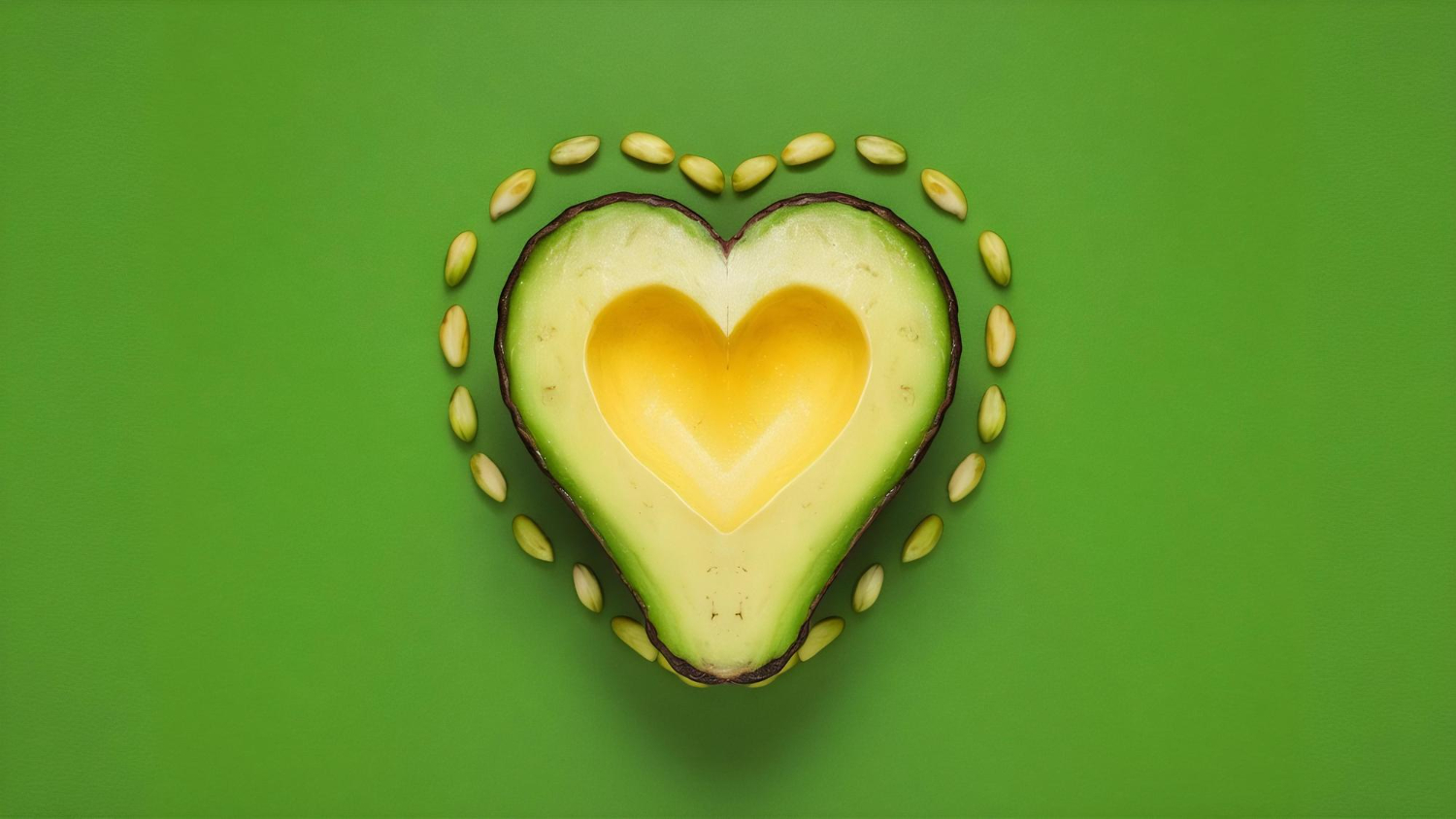
But the nutritional benefits go far beyond just providing healthy oils. A single avocado is packed with dietary fibre, which keeps your digestion moving perfectly and provides essential food for your healthy gut bacteria. You also get a massive hit of potassium to help regulate your blood pressure throughout the day. A standard avocado actually contains significantly more potassium than a banana.
When you add in a rich supply of folate along with essential vitamins C, E, and K, the clinical appeal becomes clear. It also contains antioxidants like lutein that protect your eyes from long-term damage. Adding these fats to your meals actively helps your body absorb vitamins from other vegetables much more efficiently.
The Good, The Bad And The Science Of Ghee
Ghee is essentially regular butter that has been gently simmered to remove all of its water and milk solids. This traditional clarification process leaves behind a pure golden oil that is completely free of lactose and casein. This makes it highly digestible even for people with common dairy sensitivities. While avocados shine with monounsaturated oils, ghee is heavily built on saturated fat. For decades, this made it a dietary villain, but modern clinical science holds a much more nuanced view.
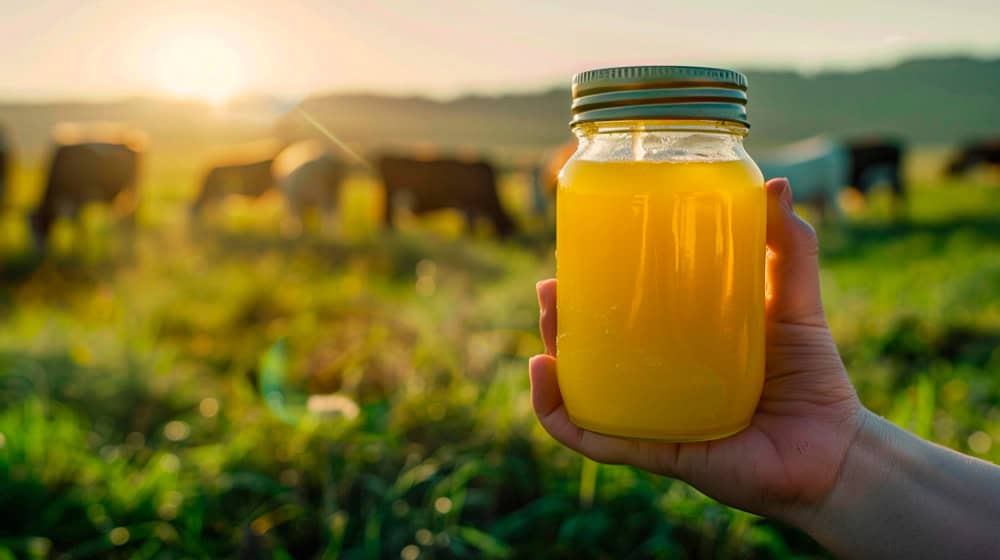
The real biological power of ghee lies in its unique chemical makeup. It is an incredible natural source of butyrate, which is a short-chain fatty acid that actively nourishes your gut lining and reduces internal digestive inflammation. Ghee also provides a solid dose of conjugated linoleic acid, which researchers study constantly for its ability to protect against chronic disease. Because all the milk proteins are completely removed, it features a very high smoke point. This means its rich fat-soluble vitamins, like A and E, remain totally stable even when you cook at high heat.
Why the Type of Fat Matters
The fats you eat play a massive role in everything from cellular structure to your daily energy levels. For decades, dietary fat was broadly categorized as something to avoid entirely. However, modern clinical science proves that your body desperately needs fat to absorb crucial vitamins and maintain healthy cell membranes. The real focus now is entirely on the specific type of fat you choose to put on your plate. Saturated fats like those found heavily in ghee and animal products are generally solid at room temperature.
Historically, they were directly linked to rising cholesterol levels and increased cardiovascular risk. On the other hand, monounsaturated fats found abundantly in avocados and olive oil remain liquid at room temperature. These specific plant-based fats are consistently praised for actively reducing internal inflammation, improving insulin sensitivity, and protecting your heart from long-term damage [1]. Interestingly, recent clinical research indicates that while eliminating saturated fat might not be strictly necessary, replacing a significant portion of it with healthy monounsaturated options directly decreases your risk of developing chronic heart disease and helps regulate your body weight over time [2].
Avocado vs Ghee, Which One Actually Wins?
If the question is which one deserves more space on your plate from a heart-health perspective, avocado has the stronger case. It brings mostly monounsaturated fat along with fibre, potassium and other plant compounds, while ghee is almost entirely fat and contains a much higher proportion of saturated fat. Studies replacing saturated-fat-rich foods with avocado have found improvements in measures such as LDL and non-HDL cholesterol.

That doesn’t make ghee a food you need to avoid completely. A little ghee can still add flavour and fit comfortably into a balanced diet, especially when portions are sensible. The bigger issue is what it replaces. Swapping butter or ghee for avocado is likely to be more beneficial than simply adding avocado on top of an already calorie-heavy diet. So, if you had to pick one for regular use, avocado gets the nutritional edge, but ghee doesn’t need to disappear from the kitchen.
Bottom Line
Both avocado and ghee bring unique powerful benefits to your daily meals. You do not need to banish traditional Indian cooking fats to embrace modern wellness trends. The real secret lies in how you balance them. However, there is one rule you simply cannot ignore. Because both of these foods are incredibly dense sources of fat and calories, practicing smart portion control is essential. Eating too much of even the healthiest fat will quickly derail your nutritional goals. Stick to a measured spoonful of ghee for your pan and keep your avocado servings moderate to safely enjoy the clinical benefits without overdoing it.
FAQs
Is avocado healthier than ghee?
Avocado generally has the nutritional edge because it provides unsaturated fat, fibre, vitamins, and beneficial plant compounds.
Is ghee good for heart health?
Ghee can fit into a balanced diet, but its high saturated-fat content makes moderation important for heart health.
Can I use ghee for high heat cooking?
Yes. Ghee is an excellent choice for high-heat cooking because of its stable and rich structure.
Can I eat avocado and ghee together?
Yes, you can enjoy both, but remember that combining them increases the meal’s overall calorie and fat content.
References
1-Williams C, Buttriss J, editors. Improving the Fat Content of Foods. Cambridge: Woodhead Publishing; 2006.
2-DiNicolantonio JJ, O’Keefe JH. Monounsaturated fat vs saturated fat: effects on cardio-metabolic health and obesity. Mo Med. 2022;119(1):69-73.
(The article is written by Ehsan Siddiqui, Team Lead, Clinical Health & Content and reviewed by Monalisa Deka, Senior Health Content Editor)
Recommended Reads:
Simple Habits to Boost Vitamin D and Lower Cortisol Levels Naturally
Clinically Explained Vitamin D Supplements: Benefits, Dosage & Timing