
Winter and glowing skin don’t always get along. One day, your skin feels fine, the next it looks dull, tight, and patchy. Makeup sits weird. Creams feel heavy. No matter what you apply, the glow seems to be missing. This happens because winter changes how your skin behaves. Cold air outside and dry air inside pull moisture out fast. Dermatologists agree on one thing. Winter glow is less about products and more about habits. Small changes done daily make the biggest difference.
Why Skin Loses Its Glow in Winter
Your skin barrier weakens in winter. Moisture escapes easily. Blood circulation slows down. Dead skin builds up faster. Hot showers strip natural oils. Heaters dry the air. Add stress, poor sleep, and low water intake, and your skin starts looking tired. Glow fades not because your skin is bad, but because it’s asking for support.
1. Cleanse Without Stripping Your Skin

Experts always start with cleansing. Not over-cleansing. In winter, your face doesn’t need to feel squeaky clean. That tight feeling means you’ve gone too far. Use a gentle cleanser that cleans without drying. Once or twice a day is enough. If your skin feels dry, skip the morning cleanse and rinse with water instead. Your skin already loses enough oil in winter. Don’t take more away.
2. Moisturizing Is Non-Negotiable
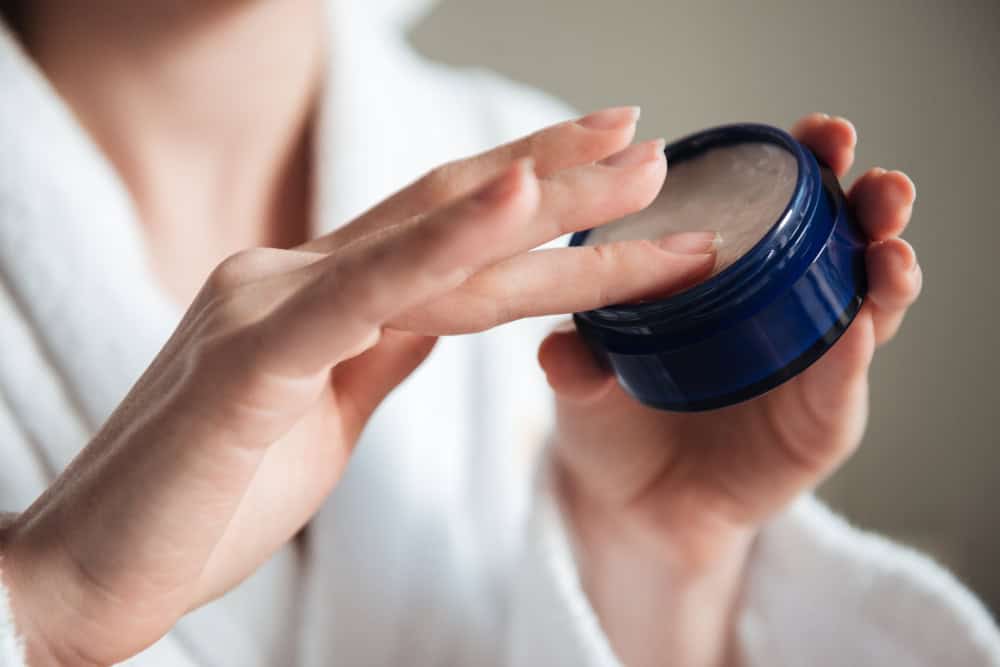
If there’s one winter rule experts never compromise on, it’s moisturizing. And timing matters. Apply moisturizer within a minute of washing your face. This locks in water before it evaporates. Choose a cream, not a gel. Look for ingredients that seal moisture, not just add it.
At night, use a slightly thicker layer. Night is when your skin repairs itself. If your face feels sticky, you’ve used too much. If it still feels tight, you’ve used too little. Your skin tells you what it needs. You just have to listen.
3. Don’t Skip Sunscreen Just Because It’s Cold

This surprises many people. Sun damage doesn’t stop in winter. UV rays still reach your skin, especially during daytime travel and outdoor walks. Experts recommend sunscreen every morning, even in winter. It protects your skin barrier and prevents dullness, pigmentation, and early aging. A lightweight sunscreen layered over moisturizer works best.
4. Hot Water Is Your Skin’s Enemy

Hot showers feel amazing in winter. Your skin hates them. Dermatologists warn that hot water strips natural oils and worsens dryness. Use lukewarm water for your face and body. Keep showers short. If your skin feels itchy after bathing, water temperature is usually the problem, not the soap.
5. Exfoliate Gently, Not Aggressively
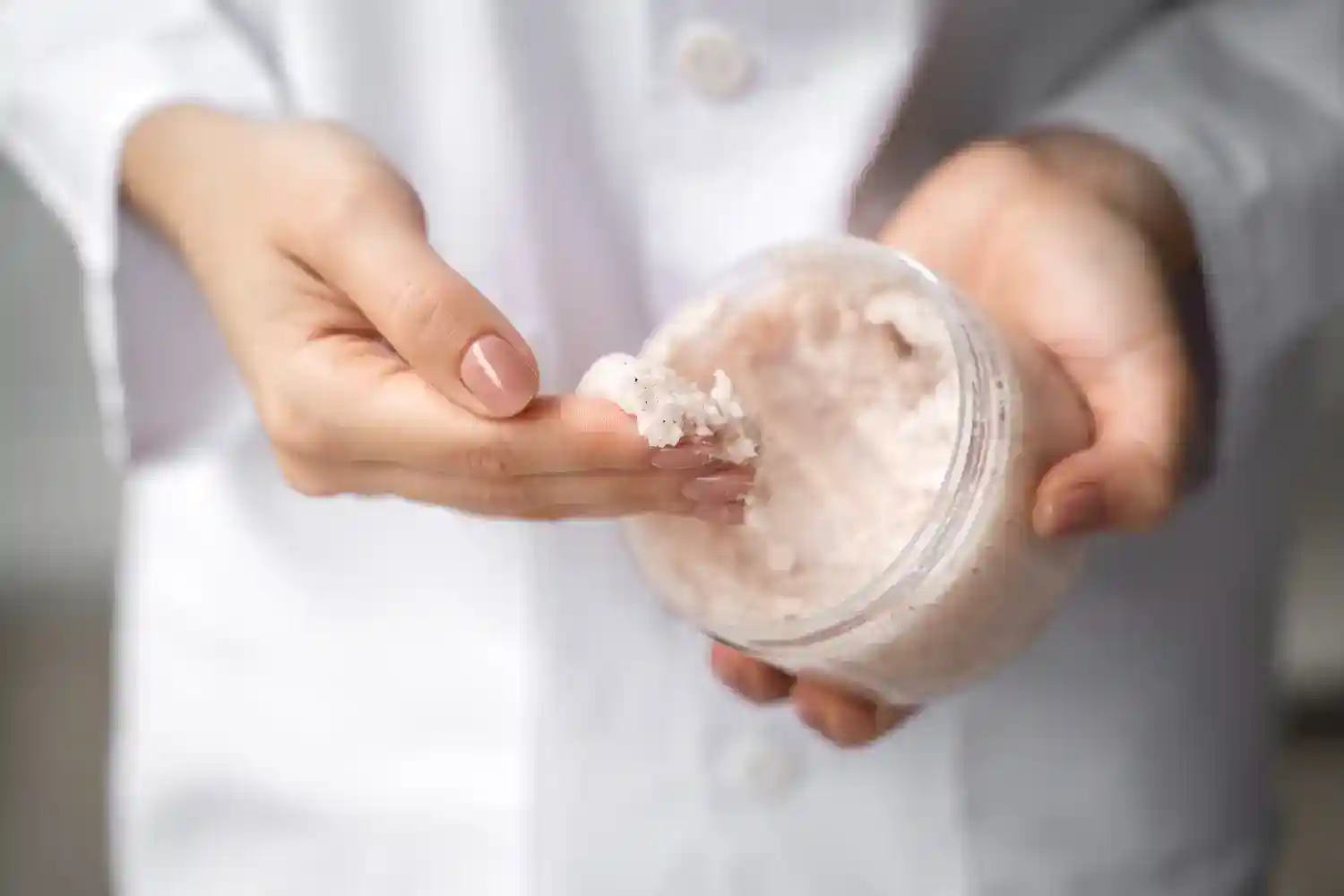
Dull skin often comes from dead skin buildup. Exfoliation helps, but winter needs a softer approach. Once a week is enough for most skin types. Over-exfoliating damages your skin barrier and makes dryness worse. Choose gentle exfoliation methods and avoid harsh scrubs.
If your skin stings after exfoliating, that’s a sign to pause. Glow comes from healthy skin, not irritated skin.
6. Hydration Shows on Your Face

Experts say dehydrated skin often looks dull even if you moisturize well. That’s because hydration starts inside. Winter reduces thirst signals, so you drink less without realizing it. Sip water throughout the day. Warm water, soups, and herbal teas count.
Your lips and under-eye area often show dehydration first. If they feel dry, your body probably needs more fluids.
7. Eat for Skin Glow, Not Just Warmth
Winter food choices matter more than you think. Skin needs healthy fats to stay soft and glowing. Nuts, seeds, ghee, and oils used in cooking support your skin barrier. Fruits and vegetables provide vitamins that help repair skin damage.
Skipping meals or eating irregularly affects your skin. Experts often see dull skin in people with poor digestion. When digestion improves, skin usually follows.
8. Sleep Is a Skincare Step
This one gets ignored a lot. No cream can replace sleep. Poor sleep affects blood circulation, hormone balance, and skin repair. Dark circles, dull tone, and breakouts often trace back to bad sleep.
Aim for consistent sleep timing. Even an extra hour helps your skin look fresher. Many dermatologists call sleep the most underrated skincare product.
9. Manage Stress Before It Shows on Your Skin
Stress changes how your skin behaves. It increases inflammation, triggers breakouts, and slows healing. Winter stress adds up fast with shorter days and busy schedules. Simple practices help. Slow breathing. Stretching. Short walks. Quiet moments without screens.
When your mind feels calmer, your skin often reflects it within weeks.
10. Don’t Ignore Your Lips and Hands
Winter glow isn’t just about your face. Chapped lips and dry hands pull attention away. Use a nourishing lip balm often. Apply hand cream before bed. These small steps make you look more put-together without effort.
Avoid licking your lips. It feels helpful and makes dryness worse.
11. Night Care Makes a Real Difference
Experts love night routines because that’s when skin repairs itself. Cleanse gently. Moisturize well. Keep your routine simple. Too many products confuse your skin. Consistency works better than variety.
If your skin looks better in the morning, your night routine is working.
Consistency Beats Perfection
You don’t need expensive products or complicated routines. You need regular care. Cleanse gently. Moisturize on time. Protect with sunscreen. Eat well. Sleep better. Manage stress. These habits sound basic because they work.
Winter glow doesn’t arrive overnight. It builds slowly when you take care of your skin every day. When your skin feels comfortable, healthy, and calm, a glow follows naturally. And that kind of glow lasts far longer than any quick fix.
(The article is written by Mantasha, Sr. Executive, Clinical Health & Content, and reviewed by Monalisa Deka, Deputy Manager, Clinical Health & Content, Medical Affairs.)