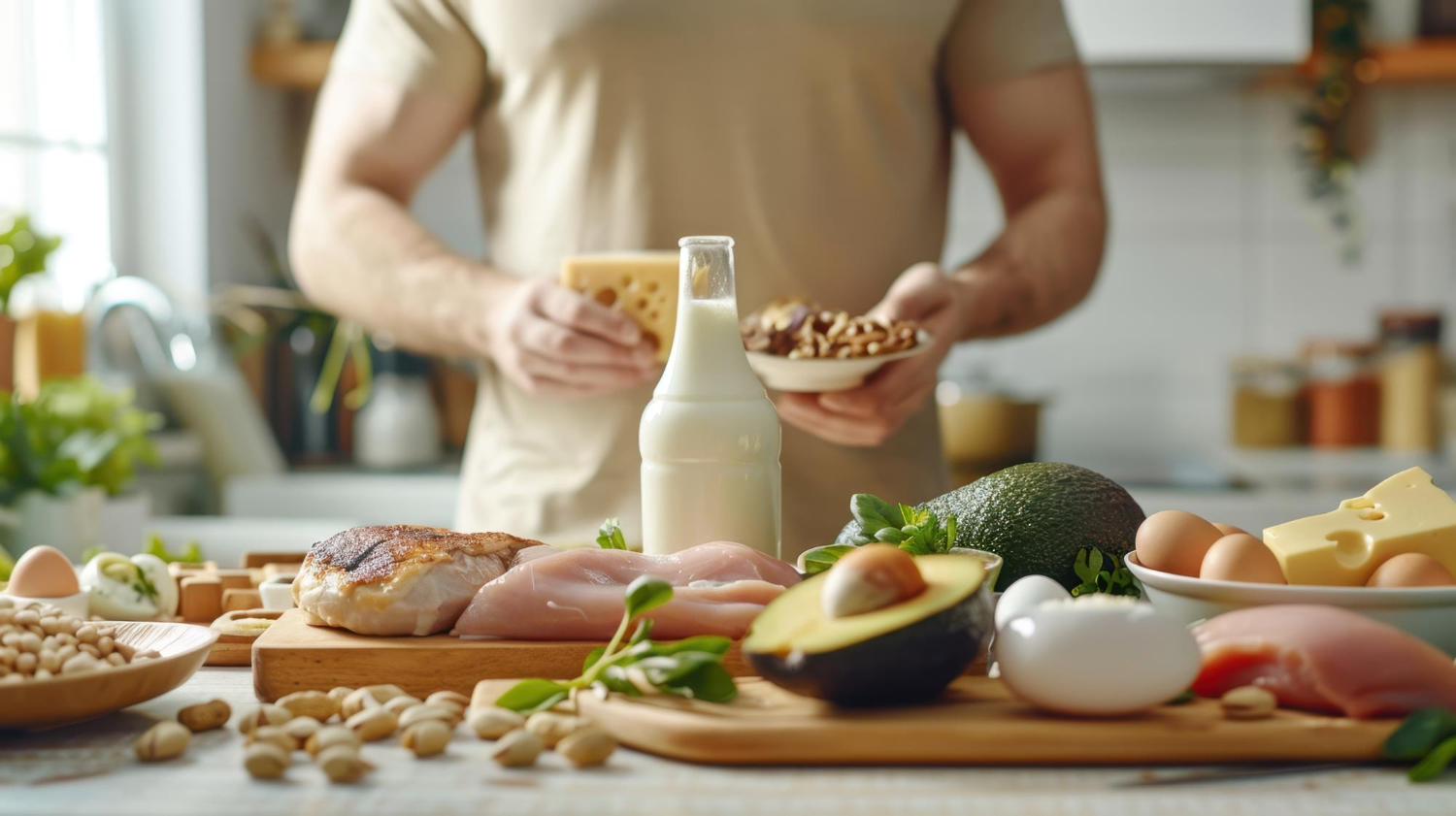
Protein isn’t only for people who work out. Your body needs it every day to build and repair tissues, support muscles, and keep you feeling satisfied after meals. But getting enough protein can feel difficult when your meals are mostly built around roti, rice, vegetables, snacks, and tea or coffee.
The good news? You don’t need to completely change your diet. A few small swaps and additions can make a big difference.
If you’re trying to eat more protein, these 10 easy habits can help you get started.
1. Add Eggs to Your Breakfast
Eggs are one of the easiest ways to add protein to your first meal of the day. You can have boiled eggs, an omelette, scrambled eggs, or an egg sandwich.
If you already eat toast or roti in the morning, simply adding an egg can make the meal more filling. You can also add vegetables such as onions, tomatoes, spinach, or capsicum to an omelette for extra fibre and flavour.
2. Make Curd or Greek Yogurt a Regular Part of Your Meals
Curd is an easy protein addition that doesn’t require much preparation. Have it alongside lunch, add it to a bowl with fruit, or use it as the base for a quick dip.
Greek yogurt usually contains more protein than regular curd, so it can be a useful choice if you’re specifically trying to increase your protein intake. Check the nutrition label because protein content can vary between brands.
For another simple breakfast idea, mix yogurt with fruit, nuts, and seeds. It takes a few minutes and works well when you’re short on time.
3. Add Dal to Your Lunch or Dinner
Dal is a familiar part of Indian meals and can make it easier to increase your protein intake without changing the foods you already enjoy.
Moong dal, masoor dal, chana dal, and other varieties can be included in your regular meals. You can have dal with roti or rice, or make a thicker dal and pair it with vegetables.
The trick is simple: don’t think of dal as just a side dish. Give it a proper place on your plate.
4. Keep Roasted Chana Handy
When hunger hits between meals, it’s easy to reach for biscuits, chips, or sweets. Keeping roasted chana nearby gives you another option.
Roasted chana is convenient, doesn’t need refrigeration, and can be carried to work or college. You can also mix it with chopped onions, tomatoes, lemon, and spices to make a quick snack.
5. Add Paneer to Familiar Dishes
Paneer can turn an ordinary meal into a more protein-rich one. Add cubes to a vegetable stir-fry, make paneer bhurji, or use it in a sandwich or wrap.
You don’t have to make an elaborate paneer recipe every time. Even adding a small portion to a meal you already eat can help increase your total protein intake.
6. Upgrade Your Snacks
Your snacks don’t have to be protein bars or expensive packaged foods.
Try options such as boiled eggs, roasted chana, sprouts, yogurt, paneer cubes, milk, or a handful of nuts with fruit.
The goal is to make protein part of your snack routine instead of waiting until lunch or dinner to get most of it.
7. Choose Milk When it Fits Your Diet
Milk can provide protein along with other nutrients. You can have it with breakfast, add it to oats, or use it in a smoothie.
If you enjoy coffee, you can also look at the rest of your coffee routine and see how it fits into your diet. For example, if black coffee is already part of your day, this guide on the potential health benefits of black coffee may be useful: Read about black coffee and its possible health benefits
Just remember that adding sugar, cream, or flavoured syrups can change the nutritional value of your drink.
8. Add Seeds to Meals
Seeds are small, but they can be an easy addition to your meals. Chia seeds, pumpkin seeds, sunflower seeds, flaxseeds, and hemp seeds can be added to yogurt, oats, smoothies, salads, or homemade snacks.
Don’t rely on seeds alone as your main protein source, but use them as an extra boost alongside other protein-rich foods.
9. Make Your Breakfast More Balanced
A breakfast of tea and biscuits might be quick, but it may leave you hungry again soon.
Try pairing carbohydrates with a protein source. For example, have poha with peanuts and curd, besan chilla with yogurt, or eggs with whole-grain toast.
You don’t need a fancy breakfast. You just need to make sure there’s something protein-rich on the plate.
10. Don’t Forget Plant-based Protein
You don’t need to eat meat, eggs, or dairy to include protein in your diet. Beans, chickpeas, rajma, soy, tofu, lentils, peas, and other legumes can all contribute protein.
Try adding chickpeas to salads, rajma to rice, tofu to stir-fries, or soy chunks to your regular curry.
If you’re comparing different foods for overall meal quality, remember that protein is only one part of the picture. For example, when choosing between common cooking fats, you may also want to read this comparison of avocado and ghee and how they differ for heart health: See how avocado and ghee compare
A simple way to start
You don’t need to suddenly fill every meal with protein. Start with one change.
Add an egg to breakfast. Keep roasted chana at your desk. Have curd with lunch. Add paneer or tofu to dinner. Over time, these small habits can make your daily protein intake more consistent.
Also, remember that your protein needs depend on factors such as your age, body size, activity level, and overall health. If you have a medical condition or have been advised to follow a specific diet, speak with a doctor or registered dietitian before making major dietary changes.
FAQs
1. How much protein should I eat in a day?
Protein needs vary from person to person. They depend on factors such as body weight, age, activity level, pregnancy status, and health. A dietitian can help you work out a suitable intake for your needs.
2. What are some easy high-protein vegetarian foods?
Dal, chickpeas, rajma, soy, tofu, paneer, curd, Greek yogurt, milk, eggs if you eat them, and seeds can all help increase protein intake.
3. Can I get enough protein without eating meat?
Yes. A vegetarian diet can provide enough protein when it includes a variety of foods such as lentils, beans, soy products, dairy, nuts, and seeds.
4. Is eating more protein good for weight loss?
Protein can help you feel full after meals, which may make it easier to manage overall food intake. However, weight loss depends on your overall diet, activity, sleep, and energy intake rather than protein alone.
5. Is dal a good source of protein?
Yes. Dal provides protein and also contributes fibre and other nutrients. Combining different protein sources throughout the day can help you meet your overall needs.
The article is written by Mantasha, Sr. Executive, Clinical Health & Content, and reviewed by Monalisa Deka, Deputy Manager, Clinical Health & Content, Medical Affairs.)
Recommended Reads:
Simple Habits to Boost Vitamin D and Lower Cortisol Levels Naturally
Clinically Explained Vitamin D Supplements: Benefits, Dosage & Timing