How can we help?
U1-SnRNP (68 KDa), Serum

U1-SnRNP (68 KDa), Serum

Also referred as
U1-SnRNP (68 KDa) Test
For men & women
Earliest reports in
144 hours
Contains
1 test
Know more about this test

The U1-SnRNP (68 KDa), Serum test is a blood test that detects antibodies against the U1 small nuclear ribonucleoprotein (snRNP) 68 KDa component. This test helps support the evaluation of autoimmune disorders, particularly systemic lupus erythematosus (SLE) and mixed connective tissue disease (MCTD).

Samples required
Blood

Find out
Why is this test booked?

Preparation for this test

Sample Collection
Who will collect your samples?

Understanding U1-SnRNP (68 KDa), Serum

U1 small nuclear ribonucleoprotein (snRNP) is a complex of proteins and RNA found in the nucleus of cells, playing a crucial role in RNA splicing (cutting and joining pieces of RNA) and processing. In certain autoimmune conditions, the immune system produces antibodies that mistakenly target the U1-snRNP complex, particularly the 68 KDa protein component. The presence of U1-snRNP (68 KDa) antibodies in the blood suggests abnormal immune activity and is considered a significant marker for specific connective tissue diseases.

U1-snRNP antibodies are strongly linked with mixed connective tissue disease (MCTD), and their detection can help differentiate MCTD from  systemic lupus erythematosus (SLE), scleroderma, and other autoimmune disorders when interpreted with antinuclear antibody (ANA)/ Extractable Nuclear Antigens (ENA) and clinical findings. These antibodies may also appear in overlap syndromes and are not exclusive to one disease. 

The U1-SnRNP (68 KDa), Serum test is usually recommended when individuals present with symptoms such as joint pain, muscle weakness, fatigue, Raynaud’s phenomenon, unexplained fever, or skin rashes. It is often done as part of an antinuclear antibody (ANA) panel or extractable nuclear antigen (ENA) profile for comprehensive autoimmune screening.

No special preparation, such as fasting, is required for this test. However, it is important to share the complete medical history, medications, and symptoms with the doctor, as these details help in correlating results with clinical findings. If ANA (antinuclear antibody) results are available, they should also be shared, as they provide additional context for interpreting U1-SnRNP (68 KDa) results. Test results should not be interpreted in isolation but in combination with other clinical and laboratory findings to support diagnosis.

Test result ranges are approximate and may differ slightly between labs depending on the methodology and laboratory guidelines. Do not self-medicate and always consult a doctor to understand the test results correctly. 

Please note: This is an outsourced test. The sample for this test is collected by TATA 1MG and processed at a NABL accredited partnered lab.

See more

What does U1-SnRNP (68 KDa), Serum measure?

The U1-SnRNP (68 KDa), Serum test measures the presence of autoantibodies against the 68 KDa protein of the U1 small nuclear ribonucleoprotein (snRNP) complex in the blood. These antibodies indicate an abnormal immune response, where the body’s immune system mistakenly targets its own cells.

High levels of U1-SnRNP (68 KDa) antibodies are often seen in patients with mixed connective tissue disease (MCTD) and may also be present in systemic lupus erythematosus (SLE). Detecting these antibodies supports diagnosis and differentiation, between different autoimmune disorders, and guiding appropriate treatment. Low or absent levels are generally considered normal but must be interpreted in conjunction with other clinical findings and laboratory tests.

FAQs related to U1-SnRNP (68 KDa), Serum

It is a blood test that detects antibodies against the U1 small nuclear ribonucleoprotein (68 KDa). These antibodies are linked to autoimmune diseases like mixed connective tissue disease (MCTD) and systemic lupus erythematosus (SLE).
Doctors recommend this test if you have symptoms of autoimmune disease, such as fatigue, joint pain, rashes, or muscle weakness. It helps evaluate and differentiate conditions like SLE, MCTD, and other connective tissue disorders.
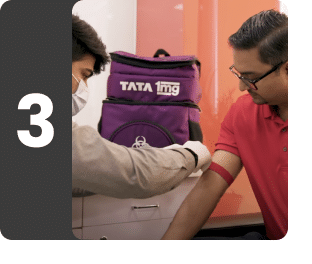
A phlebotomist will clean your skin using an antiseptic alcohol cotton swab or wipe and take blood samples from your vein using a needle. The blood sample will be stored safely and transported to the laboratory for analysis.
No fasting or special preparation is needed.
The test is safe. You may feel mild pain, swelling, or bruising at the site of blood collection, which usually goes away quickly.
A positive result indicates the presence of antibodies against the U1 small nuclear ribonucleoprotein (68 KDa) in your blood. This suggests association with autoimmune disorders such as MCTD or SLE but is not diagnostic alone.
A negative result suggests that these autoantibodies are not present at detectable levels. This generally indicates a lower likelihood of MCTD or certain autoimmune conditions, but it does not completely rule out autoimmune disorders.
While ANA detects general antinuclear antibodies, the U1-SnRNP (68 KDa), Serum test specifically identifies antibodies against the U1-snRNP complex, helping to distinguish MCTD from other autoimmune disorders.
Tata 1mg ensures accurate lab test results through certified laboratories that use advanced technology and adhere to stringent quality control measures. This commitment to high standards guarantees reliable results.

U1-SnRNP (68 KDa), Serum test price for other cities

Price inBangaloreRs. 1619
Price inLucknowRs. 1810
Price inAligarhRs. 1429
Price inBhubaneshwarRs. 1809
Price inBangalore RuralRs. 1429

How does home sample collection work?

Download the Tata 1mg app. Trusted healthcare, at your fingertips.

Book tests, track reports, and get AI-powered health insights.

or
Conducted by
NABL accredited partner lab
Accredited labs
Highly skilled Phlebos
Verified reports
Who will collect your samples?
Tata 1mg certified phlebotomists
Contains 1 test
U1-SnRNP (68 KDa), Serum