Selenium, Serum by ICPMS
Also referred as
Selenium blood test

For men & women
Earliest reports in

120 hours

Contains

1 test

Know more about this test

The Selenium, Serum by ICPMS test is used to measure the amount of selenium in the blood. Selenium is an essential trace mineral that acts as a powerful antioxidant and supports thyroid hormone metabolism, immune function, and DNA synthesis. This test helps evaluate and monitor selenium status, nutritional imbalances, and conditions affecting thyroid or immune system health.


Samples required
Blood

Find out
Why is this test booked?

Preparation for this test

Sample Collection
Who will collect your samples?
Conducted by

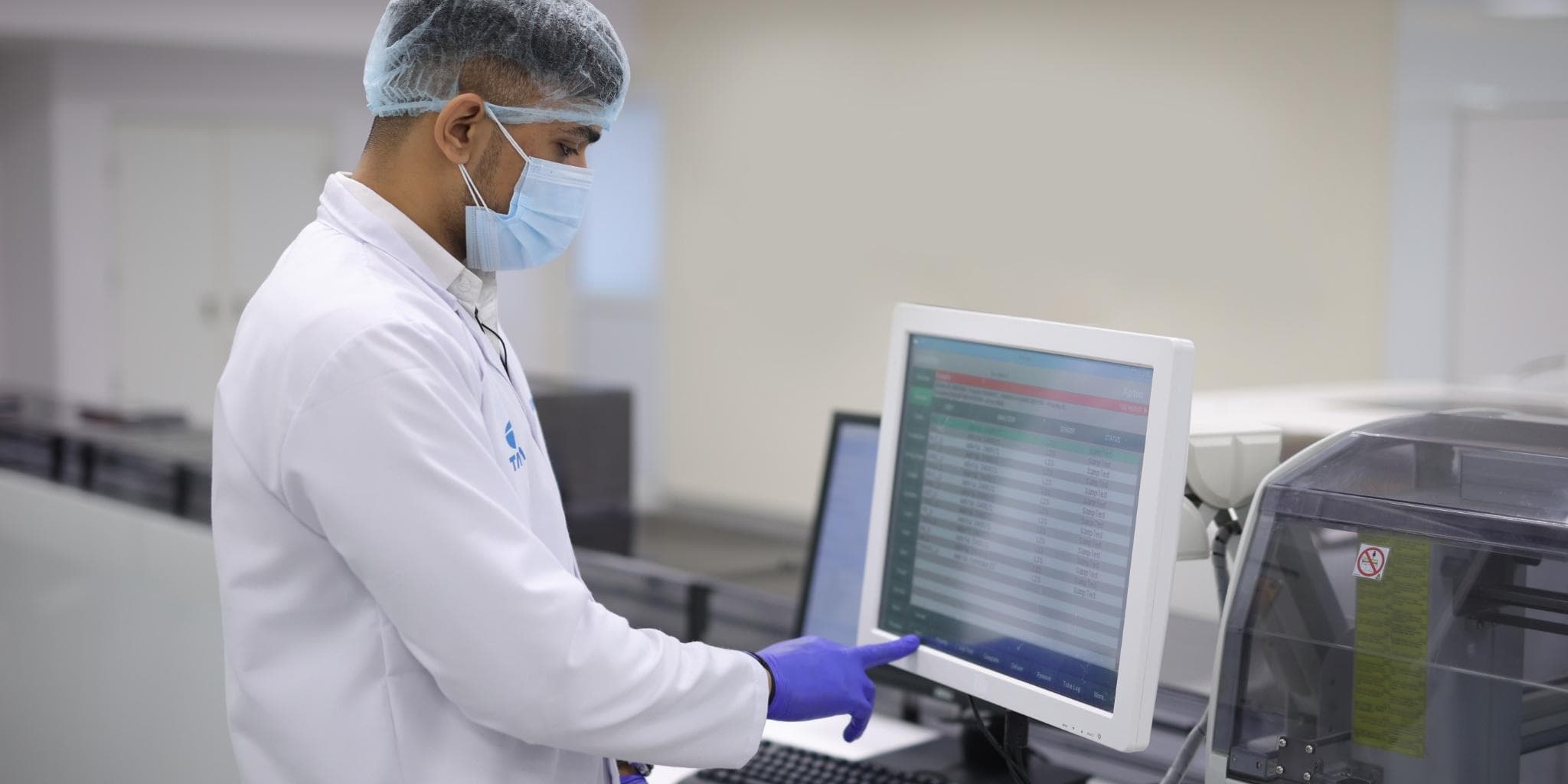
NABL accredited partner lab


Accredited
labs
Highly skilled
Phlebos
Verified
reports
Who will collect your samples?
Tata 1mg certified phlebotomists
Know more about lab
Frequently booked together






Test Information is reviewed by: Dr. Swati Gupta (Anand), MBBS, MD Lab Medicine and written by Shweta Prakash, MSc, BSc . The test details are for information purpose only. Consult a doctor before taking any test. Last updated on: 7th Apr 2026
Did you find information useful ?
 YES
YES  NO
NO 
How does home sample collection work?
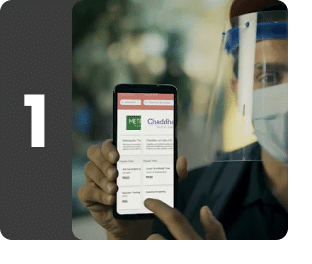
Easy online booking
Search for tests and packages, book your preferred time slot and enter your address for seamless at-home lab tests.
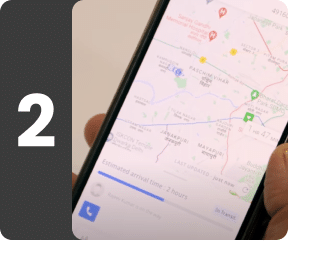
Live tracking of phlebotomist
Track our trained phlebotomist's real time location for seamless sample collection.
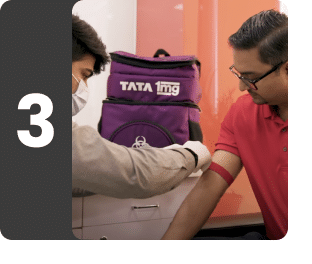
Safe Sample Collection
Our phlebotomists follow strict safety protocols to collect samples safely at home and on time.
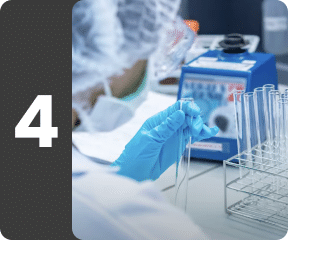
Sample received at lab
Samples are transported securely to our accredited labs with world-class machines for testing by qualified experts.
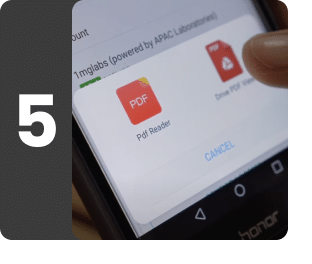
Quick, Doctor-Verified Reports
Get doctor-approved reports via email and WhatsApp, with options for doctor follow-ups and AI insights.



References
- Selenium [Internet]. NHS; 15 Apr. 2024 [Accessed 01 Sep. 2025]. Available from:

- Shreenath AP, Hashmi MF, Dooley J. Selenium Deficiency. [Updated 2023 Oct 29]. In: StatPearls [Internet]. Treasure Island (FL): StatPearls Publishing; 2025 Jan-. Available from:
- MacFarquhar JK, Broussard DL, Melstrom P, Hutchinson R, Wolkin A, Martin C, Burk RF, Dunn JR, Green AL, Hammond R, Schaffner W, Jones TF. Acute selenium toxicity associated with a dietary supplement. Arch Intern Med. 2010 Feb 8;170(3):256-61. [Accessed 01 Sep. 2025]. Available from:

Recommended for everyone
This package is designed with everyone’s overall health considerations in mind, offering assessments to address a wide range of wellness needs.
Contains 1 test
Report delivery
Standard time
120 hrs
For slots after 11 AM, report will be delivered in 144 hours.
Samples required
Blood
Our phlebotomist will draw a blood sample, typically from a vein in your inner elbow.
Preparations
1
Patient should avoid eating mineral supplements for 3 days prior to sample collection. The test should not be taken for 96 hours of Gadolinium or Iodine containing contrast media used for imaging.
Why is this test booked?
1
To evaluate/support diagnosis and monitor selenium deficiency or toxicity.
2
To assess your overall nutritional status.
3
To identify the cause of symptoms such as hair loss, infertility, fatigue, or muscle weakness.
4
If you have thyroid-related symptoms like unexplained weight gain, dry skin, or persistent tiredness.
5
If you have a personal or family history of thyroid disease or thyroid cancer.
6
If you have been exposed to heavy metals through your environment or occupation.
7
If your doctor suspects selenium deficiency due to diet, absorption issues, or other health conditions.
Who's behind your sample collection?




MEET YOUR PHLEBO

Certified & experienced professionals
Tata 1mg phlebotomists are DMLT / B.Sc MLT certified and have 1+ years of experience

Best in-class collections
Tata 1mg phlebotomists are trained for painless, single-prick hygienic sample collection

Comprehensive expertise
Other than sample collection, our phlebos are also skilled in first aid, ECG & BP monitoring
WHAT OUR CUSTOMERS ARE SAYING
Pain free collection
~ Sandugade Subhash Tukaram

In one prick, he got the sample. Great work.
~ Abhishek
Pain free blood collection
~ Vaghela Sagar Shashikantbhai
Excellent service
~ JITENDER KUMAR
Pain free collection
Conduct & Behaviour good
On time collection
~ Kajal Ramakant Pal 0239889984
On Time, pain free collection, Hygiene & safety
~ RAJEEV KUMAR SINGH 7330190217
Technician was great..
~ Saurav Choudhury
Very professional and humble
~ Sheela
Very gentle
~ Divya Chawla
Very polite
~ Sadhana Kumari