Scl-70 Antibody


The Scl-70 Antibody test detects antibodies against topoisomerase I (SCL-70) in the blood. This test supports evaluation and differentiation of systemic sclerosis (scleroderma) from other connective tissue disorders.



Understanding Scl-70 Antibody
SCL-70, also known as DNA topoisomerase I, is an enzyme found in the cell nucleus that helps unwind DNA during replication and transcription. In certain autoimmune conditions, the immune system mistakenly produces antibodies against this enzyme. The presence of SCL-70 antibodies in the blood suggests abnormal immune activity and is considered a significant marker for systemic sclerosis (scleroderma).
SCL-70 antibodies are strongly associated with diffuse cutaneous systemic sclerosis, a severe form of scleroderma that can affect the skin, lungs, kidneys, and other internal organs. However, these antibodies are not exclusive and may appear in overlap syndromes.
This test supports the diagnosis when combined with clinical findings and other tests and assesses the risk of complications, especially interstitial lung disease. These antibodies may also appear in other autoimmune diseases like lupus or mixed connective tissue disease (MCTD), but with lower specificity.
Doctors may recommend the Scl-70 Antibody test if there are symptoms such as thickened or hardened skin, joint stiffness, Raynaud’s phenomenon, shortness of breath, or unexplained fatigue, which may suggest systemic sclerosis. Often performed alongside other antibody panels (such as ANA or ENA profiles), this test plays an important role in early detection, accurate disease classification, and guiding long-term treatment. By identifying these antibodies, doctors can monitor disease progression, anticipate potential organ involvement, and plan appropriate therapies.
Usually, no special preparation is required for this test. Eat and drink as per the daily routine. However, sharing the clinical history, current medications, and supplement use with the doctor before giving the sample is preferred, as these may influence the results.
Test result ranges are approximate and may differ slightly between labs depending on the methodology and laboratory guidelines. Do not self-medicate and always consult a doctor to understand the test results correctly.
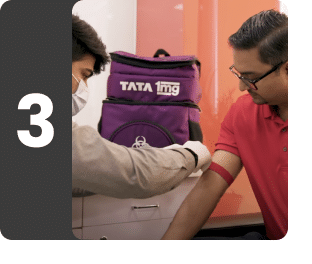
Please note: This is an outsourced test. The sample for this test is collected by TATA 1MG and processed at a NABL accredited partnered lab.
What does Scl-70 Antibody measure?
The Scl-70 Antibody test detects anti-topoisomerase I antibodies in the blood. These autoantibodies target topoisomerase I, an enzyme essential for unwinding DNA during cell replication. Their presence indicates an autoimmune reaction, where the immune system mistakenly attacks the body’s own tissues.
SCL-70 antibodies are found in about 40% of patients with progressive systemic sclerosis (PSS). A positive result suggests a higher likelihood of systemic sclerosis, particularly the diffuse cutaneous type, which is more often associated with lung and internal organ involvement. However, not all patients with systemic sclerosis test positive for SCL-70 antibodies, and in some cases, these antibodies may also appear in other connective tissue diseases. A negative result does not rule out systemic sclerosis but makes the diagnosis less likely. Results must always be interpreted in combination with symptoms, physical findings, and other laboratory and imaging studies, not standalone.


FAQs related to Scl-70 Antibody
- Guldner HH, Szostecki C, Vosberg HP, Lakomek HJ, Penner E, Bautz FA. Scl 70 autoantibodies from scleroderma patients recognize a 95 kDa protein identified as DNA topoisomerase I. Chromosoma. 1986;94(2):132-8. [Accessed 04 Sep. 2025]. Available from:
- Basu D, Reveille JD. Anti-scl-70. Autoimmunity. 2005 Feb;38(1):65-72.
- Test Performance in Systemic Sclerosis: Anti-Centromere and Anti-Scl-70 Antibodies [Internet]. ScienceDirect; [Accessed 04 Sep. 2025]. Available from:
- Ho KT, Reveille JD. The clinical relevance of autoantibodies in scleroderma. Arthritis Res Ther. 2003;5(2):80-93. [Accessed 04 Sep. 2025]. Available from:
Other tests
- PT INR (Prothrombin Time with INR)
- HIV 1 and 2 Antibody, Rapid Screening Test
- Viral Marker Screening (HIV, HBsAg, Anti-HCV)
- Total IgE
- Rheumatoid Factor - Quantitative
- STD Panel (Sexually Transmitted Diseases Panel)
- HIV Combo (Antigen And Antibody) Test
- Anti-CCP Antibody
- Lipid Profile, Non Fasting
- Anti-Nuclear Antibody (ANA) by IFA - End Point Titer
- CBC (Complete Blood Count)
- FBS (Fasting Blood Sugar)
- Thyroid Profile Total (T3, T4 & TSH)
- HbA1c (Glycosylated Hemoglobin)
- PPBS (Postprandial Blood Sugar)
- Lipid Profile
- Vitamin D (25-Hydroxy)
- Urine R/M (Urine Routine & Microscopy)
- Coronavirus Covid -19 test- RT PCR
- LFT (Liver Function Test)
- KFT (Kidney Function Test)
- TSH (Thyroid Stimulating Hormone) Ultrasensitive
- ESR (Erythrocyte Sedimentation Rate)
- Uric Acid, Serum
- Vitamin B12
- CRP (C-Reactive Protein), Quantitative
- Urine C/S (Urine Culture and Sensitivity)
- Serum Electrolytes
- Serum Calcium
- Serum Creatinine
- Diabetes Screening (HbA1C & Fasting Sugar)
- KFT with Electrolytes (Kidney Function Test with Electrolytes)
- Cholesterol - Total
- Hb (Hemoglobin)
- Complete Hemogram (CBC & ESR)