How can we help?
Osmolality, Serum

Osmolality, Serum

Also referred as
Osmolality test
For men & women
Earliest reports in
48 hours
Contains
1 test
Know more about this test

The Osmolality, Serum test measures the concentration of dissolved particles (such as electrolytes, glucose, and urea) in the blood. It helps evaluate dehydration/overhydration, poisoning, or kidney disorders. 

Samples required
Blood

Find out
Why is this test booked?

Preparations
No special preparation is required.

Sample Collection
Who will collect your samples?

Understanding Osmolality, Serum

Osmolality is the measure of dissolved particles such as sodium, potassium, chloride, glucose, and urea in the blood. It plays a vital role in regulating the body’s fluid and electrolyte balance. The Osmolality, Serum test helps assess hydration status, detect imbalances, and monitor conditions that may affect overall health.

Doctors may recommend the Osmolality, Serum test when there are symptoms such as confusion, seizures, weakness, or other signs that may be linked to hyponatremia (low sodium levels) or electrolyte imbalances. This test helps evaluate and monitor hyponatremia, osmolar gap (with clinical correlation), kidney function, and fluid status. It also helps monitor the effectiveness of treatment for conditions that affect water and salt balance in the body. This test may be particularly recommended for individuals with a history of kidney or liver disease, those undergoing treatment that influences fluid or electrolyte balance, or patients showing signs of dehydration or overhydration.

No special preparation is required for the Osmolality, Serum test. Inform the doctor about all the medications and supplements currently being taken, as these may affect the test results.

Test result ranges are approximate and may differ slightly between labs depending on the methodology and laboratory guidelines. Do not self-medicate and always consult a doctor to understand the test results correctly. 

Please note: This is an outsourced test. The sample for this test is collected by TATA 1MG and processed at a NABL accredited partnered lab.

See more

What does Osmolality, Serum measure?

The Osmolality, Serum test measures the concentration of dissolved particles, or solutes, in the blood via freezing point depression-measured vs calculated osmolality distinguishes toxic ingestions (osmolar gap).  These include electrolytes such as sodium, potassium, and chloride, along with glucose and urea, which together play a vital role in maintaining the body’s fluid and electrolyte balance. By assessing these concentrations, the test provides insight into hydration status, kidney function, and the body’s ability to regulate water movement between cells. Abnormal results may point to conditions such as dehydration, overhydration, diabetes insipidus, SIADH, kidney disorders, or imbalances caused by toxins and certain medications.

FAQs related to Osmolality, Serum

This test measures the concentration of dissolved particles such as sodium, potassium, glucose, and urea in the blood. It helps assess hydration status, electrolyte balance, and kidney function. It can also aid in diagnosing conditions like dehydration, overhydration, diabetes insipidus, SIADH, kidney disease, and certain poisonings.
No. Fasting is not required for this test. You can continue your normal diet unless your doctor gives you specific instructions.
A healthcare professional (phlebotomist) collects a blood sample from a vein in your arm using a sterile needle. The sample is then analyzed in a laboratory to calculate serum osmolality.
Doctors may recommend it if you experience excessive thirst, confusion, seizures, frequent urination, unexplained fluid imbalance, or weakness that could be linked to electrolyte disturbances.
High osmolality may be seen in dehydration, high blood sugar, kidney problems, diabetes insipidus, or ingestion of toxic substances. Low osmolality can occur with overhydration, SIADH, low sodium (hyponatremia), kidney or adrenal disorders, and fluid overload due to heart or liver disease.
The Osmolality, Serum test measures particle concentration in the blood, while the urine test measures it in urine. When compared together, they help identify whether imbalances are due to kidney function, hormonal regulation, or external factors like dehydration or poisoning.
Risks are very minimal and limited to mild pain, slight bruising, or temporary dizziness at the site of the blood draw. These usually resolve quickly on their own.
Not necessarily. Temporary changes in hydration, recent fluid intake, medication use, or an acute illness may also affect results. Your doctor will interpret them in the context of your overall health and other test findings.
Tata 1mg ensures accurate lab test results through certified laboratories that use advanced technology and adhere to stringent quality control measures. This commitment to high standards guarantees reliable results.

Osmolality, Serum test price for other cities

Price inBangaloreRs. 759
Price inKolkataRs. 689
Price inNew DelhiRs. 689
Price inMumbaiRs. 989
Price inLucknowRs. 730

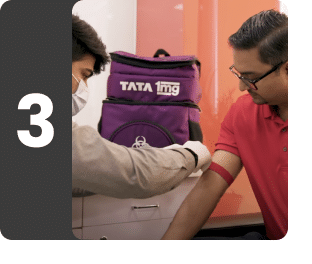
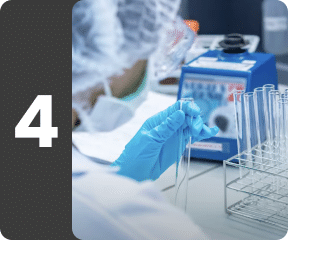
How does home sample collection work?

Download the Tata 1mg app. Trusted healthcare, at your fingertips.

Book tests, track reports, and get AI-powered health insights.

or
Conducted by
NABL accredited partner lab
Accredited labs
Highly skilled Phlebos
Verified reports
Who will collect your samples?
Tata 1mg certified phlebotomists
Contains 1 test
Osmolality, Serum