Sign in to your account
or
By signing in you agree to our
Terms & conditions
 and 
Privacy policy

Nutritional Anemia Package

Also referred as
Iron deficiency anemia panel
+2
Anemia profile
Nutritional anemia panel
xyz people viewed recently
435+ booked recently
For men & women
Earliest reports in
27 hours
Contains
30 tests
Package price:
₹1499
₹1665
10% off
Get it at ₹1349 with coupon
Apply coupon 1MGNEWG during checkout
arrow
discount_stamp
More offers available
Know more about this test

<font color='#864291'>Know more about this test</font>

The Nutritional Anemia Package comprises a group of blood tests that helps identify and address various types of anemia caused by nutritional deficiencies. These tests help assess the levels of key nutrients like iron, vitamin B12, vitamin B9, transferrin, etc. This package helps doctors determine the underlying cause of anemia and formulate targeted treatment plans to replenish nutrient deficiencies and improve overall health. 

Samples required
Blood

Find out
Why is this package booked?

Preparations
Overnight fasting required for 8 to 12 hours
Sample Collection
Who will collect your samples?
Conducted by

know_more_icon
Tata 1mg Labs
chevron
most_trusted_lab
Accredited labs
Highly skilled Phlebos
Verified reports
Who will collect your samples?
Tata 1mg certified phlebotomists
View phlebo details
Know more about lab
Tata 1mg Labs
About this lab
TATA 1mg Labs is a cutting-edge facility delivering top-quality diagnostic services right to your doorstep. We take pride in three core values: Assured Quality, Best Prices and Timely Reports. Transparency is at the heart of our operations, ensuring our customers always have clear and reliable information. Our dedicated team is committed to offering an exceptional customer experience and continually innovates to meet and exceed customer expectations.
See more

Understanding Nutritional Anemia Package

Anemia is a condition where the body doesn't have enough healthy red blood cells (RBCS) or hemoglobin to carry oxygen to the tissues, causing symptoms like tiredness, weakness, and trouble breathing. The Nutritional Anemia Package comprises a series of blood tests aimed at assessing levels of essential nutrients involved in red blood cell production and function. These include tests to measure serum iron, transferrin, vitamin B12, and B9. Also, it includes tests like Complete Blood Count (CBC) along with a Peripheral Smear Examination, which measures markers of red blood cell health, including hemoglobin, Mean Corpuscular Volume (MCV) test, and other relevant parameters. By analyzing these parameters, doctors can identify deficiencies in key nutrients like iron, vitamin B12, etc., which are crucial for the synthesis of hemoglobin and the production of healthy red blood cells. 

The Nutritional Anemia Package helps screen anemia in individuals at risk, such as pregnant women, infants, menstruating adolescent girls and women, individuals with family history of anemia (hereditary anemia), individuals with chronic diseases and infections, as well as populations with limited access to diverse diets. Also, consider getting tested with the Nutritional Anemia Package when there are symptoms such as extreme tiredness, weakness, shortness of breath, pale or yellowish skin, irregular heartbeat, dizziness or lightheadedness, or cold hands and feet suggestive of anemia. 

Doctors may suggest the Nutritional Anemia Package for women during pregnancy, as they are at increased risk of developing iron-deficiency anemia due to increased physiological demands. It can be done in children, especially infants and toddlers vulnerable to nutritional deficiencies that can lead to anemia. Also, individuals with chronic conditions such as inflammatory bowel disease (IBD), chronic kidney disease (CKD), or certain cancers may experience anemia as a secondary complication and doctors may suggest this package for the comprehensive management of such patients to address nutritional deficiencies and optimize treatment outcomes. Additionally, the Nutritional Anemia Package done as a part of routine checkups, can help doctors detect and manage anemia early on. 

Overnight fasting for 8 to 12 hours is preferred before these tests. However, it is not mandatory. Also, avoid taking iron supplements for at least 24 hours before the sample collection. Additionally, inform the doctor about any other medications or supplements being taken, as these may affect the test results. 

Lab test results may vary depending on the methodology and laboratory guidelines. Never self-medicate at home solely based on these results. Always consult a doctor for a proper understanding of the test results. The test results will help the doctor determine the medical condition, recommend lifestyle modifications such as diet and exercise, decide whether or not medications are required to manage the condition, and formulate the overall treatment plan. 

See more

What does Nutritional Anemia Package measure?

Contains 30 tests

The Nutritional Anemia Package includes a range of blood tests that measure the levels of various nutrients including serum iron studies comprehensive, transferrin, vitamin B12, and B9 which are essential for red blood cell synthesis and deficiencies of these nutrients can lead to megaloblastic anemia, characterized by abnormally large red blood cells. Also, this package includes a Complete Blood Count (CBC) test and Peripheral Smear Examination test that helps assess various markers such as hemoglobin, Mean Corpuscular Volume (MCV) etc., central to the health of red blood cells. 

Testing with the Nutritional Anemia Package helps in the identification of underlying nutritional deficiencies contributing to anemia. This package helps doctors curate the treatment plan and recommend certain medications including iron supplements and other lifestyle changes which can help improve overall health.

The Vitamin B12 test measures the amount of vitamin B12 in your blood. Vitamin B12 is important for a healthy nervous system, making red blood cells, and helping in DNA formation. Low B12 levels are common in older adults, children, vegans or vegetarians, people with diabetes, those who had gastric bypass surgery, breastfeeding women, and people with conditions like Crohn’s disease that affect vitamin absorption. High B12 levels can occur in liver diseases, certain blood disorders, or from taking vitamin supplements. Usually, high levels from supplements are not harmful, as extra B12 is removed through urine.

Know more about Vitamin B12

The Vitamin B9 (Folic Acid) test analyzes the levels of vitamin B9 in the blood. Vitamin B9 is a part of the B complex of vitamins and is an essential nutrient, meaning the body cannot produce it and has to be taken into the diet. Folate is the naturally occurring form of vitamin B9, whereas folic acid refers to a supplement that is added to food and drinks. The deficiency of vitamin B9 (folic acid) can also lead to macrocytic anemia in which the size of the RBCs becomes larger than normal.

Know more about Vitamin B9 (Folic Acid)

The CBC (Complete Blood Count) test measures the number of red blood cells (RBCs), white blood cells (WBCs), and platelets. Each of these blood cells performs essential functions–RBCs carry oxygen from your lungs to the various body parts, WBCs help fight infections and other diseases, and platelets help your blood to clot. Therefore, determining their levels can provide significant health information. A CBC test also determines the hemoglobin level, a protein in RBC that carries oxygen from the lungs to the rest of your body. Evaluating all these components together can provide important information about your overall health.

Know more about CBC (Complete Blood Count)

  • Differential Leukocyte Count

  • There are five types of WBCs: neutrophils, lymphocytes, monocytes, eosinophils, and basophils. A Differential Leukocyte Count test measures the percentage of each type of WBC in the blood. Leukocytes or WBCs are produced in the bone marrow and defend the body against infections and diseases. Each type of WBC plays a unique role to protect against infections and is present in different numbers.

    This further contains

    • Differential Basophil Count
    • Differential Neutrophil Count
    • Differential Lymphocyte Count
    • Differential Monocyte Count
    • Differential Eosinophil Count
  • Red Blood Cell Count

  • The Red Blood Cell Count test measures the total number of red blood cells in your blood. RBCs are the most abundant cells in the blood with an average lifespan of 120 days. These cells are produced in the bone marrow and destroyed in the spleen or liver. Their primary function is to help carry oxygen from the lungs to different body parts. The normal range of RBC count can vary depending on age, gender, and the equipment and methods used for testing.

  • Hb (Hemoglobin)

  • The Hb (Hemoglobin) test measures the concentration of hemoglobin in your blood. Hemoglobin binds oxygen molecules and carries them to body tissues while removing carbon dioxide. Low hemoglobin suggests reduced oxygen-carrying capacity. It can be due to anemia, bleeding, nutritional deficiencies (iron, vitamin B12, folate), or chronic disease. High hemoglobin may occur in dehydration, living at high altitudes, smoking, or diseases like polycythemia vera.

  • Platelet Count

  • The Platelet Count test measures the average number of platelets in the blood. Platelets are disk-shaped tiny cells originating from large cells known as megakaryocytes, which are found in the bone marrow. After the platelets are formed, they are released into the blood circulation. Their average life span is 7-10 days. 

    Platelets help stop the bleeding, whenever there is an injury or trauma to a tissue or blood vessel, by adhering and accumulating at the injury site and releasing chemical compounds that stimulate the gathering of more platelets. A loose platelet plug is formed at the site of injury and this process is known as primary hemostasis. These activated platelets support the coagulation pathway that involves a series of steps, including the sequential activation of clotting factors; this process is known as secondary hemostasis. After this step, there is a formation of fibrin strands that form a mesh incorporated into and around the platelet plug. This mesh strengthens and stabilizes the blood clot so that it remains in place until the injury heals. After healing, other factors come into play and break the clot down so that it gets removed. In case the platelets are not sufficient in number or not functioning properly, a stable clot might not form. These unstable clots can result in an increased risk of excessive bleeding. 

  • Total Leukocyte Count

  • The Total Leukocyte Count test measures the numbers of all types of leukocytes, namely neutrophil, lymphocyte, monocyte, eosinophil, and basophil, in your blood. Leukocytes or WBCs are an essential part of our immune system. These cells are produced in the bone marrow and defend the body against infections and diseases. Each type of WBC plays a unique role to protect against infections and is present in different numbers.

  • Hematocrit

  • The Hematocrit test measures the proportion of red blood cells (RBCs) in your blood as a percentage of the total blood volume. It is a crucial part of a complete blood count (CBC) and helps in assessing your blood health. RBCs are responsible for carrying oxygen from the lungs to different parts of the body. The hematocrit test provides valuable information about your blood's oxygen-carrying capacity.

    Higher-than-normal amounts of RBCs produced by the bone marrow can cause the hematocrit to increase, leading to increased blood density and slow blood flow. On the other hand, lower-than-normal hematocrit can be caused by low production of RBCs, reduced lifespan of RBCs in circulation, or excessive bleeding, leading to a reduced amount of oxygen being transported by RBCs. Monitoring your hematocrit levels is essential for diagnosing and managing various blood-related disorders.

  • Mean Corpuscular Volume

  • The Mean Corpuscular Volume test measures the average size of your red blood cells, which carry oxygen through your body. This test tells whether your RBCs are of average size and volume or whether they are bigger or smaller.

  • Mean Corpuscular Hemoglobin

  • An MCH test measures the average amount of hemoglobin in a single red blood cell (RBC). Hemoglobin is an iron-containing protein in RBCs, and its major function is to transport oxygen from the lungs to all body parts. This test provides information about how much oxygen is being delivered to the body by a certain number of RBCs.

  • Mean Corpuscular Hemoglobin Concentration

  • An MCHC test measures the average amount of hemoglobin in a given volume of RBCs. MCHC is calculated by dividing the amount of hemoglobin by hematocrit (volume of blood made up of RBCs) and then multiplying it by 100. 

  • Absolute Leucocyte Count

  • The Absolute Leucocyte Count test measures the total number of white blood cells (leucocytes) in the given volume of blood. It examines different types of white blood cells such as neutrophils, lymphocytes, monocytes, basophils and eosinophils. These cells tell about the status of the immune system and its ability to fight off infections and other conditions like inflammation, allergies, bone marrow disorders etc.

    This further contains

    • Absolute Eosinophil Count
    • Absolute Neutrophil Count
    • Absolute Basophil Count
    • Absolute Monocyte Count
  • Mean Platelet Volume

  • An MPV test measures the average size of the platelets in your blood. Platelets are disk-shaped tiny cells originating from large cells known as megakaryocytes, which are found in the bone marrow. After the platelets are formed, they are released into the blood circulation. Their average life span is 7-10 days. 

    Platelets help stop bleeding whenever there is an injury or trauma to a tissue or blood vessel by adhering and accumulating at the injury site, and by releasing chemical compounds that stimulate the gathering of more platelets. After these steps, a loose platelet plug is formed at the site of injury, and this process is known as primary hemostasis. These activated platelets support the coagulation pathway that involves a series of steps including the sequential activation of clotting factors; this process is known as secondary hemostasis. After this, there is a formation of fibrin strands that form a mesh incorporated into and around the platelet plug. This mesh strengthens and stabilizes the blood clot so that it remains in place until the injury heals. After healing, other factors come into play and break the clot down so that it gets removed. In case the platelets are not sufficient in number or are not functioning properly, a stable clot might not form. These unstable clots can result in an increased risk of excessive bleeding. 

  • PDW

  • The PDW test reflects variability in platelet size, and is considered a marker of platelet function and activation (clot formation in case of an injury). This marker can give you additional information about your platelets and the cause of a high or low platelet count. Larger platelets are usually younger platelets that have been recently released from the bone marrow, while smaller platelets may be older and have been in circulation for a few days. Higher PDW values reflect a larger range of platelet size, which may result from increased activation, destruction and consumption of platelets.

  • RDW CV

  • The RDW CV test which is part of red cell indices, helps identify characteristics of red blood cells. RDW (red cell distribution width) measures the variations in the sizes of red blood cells, indicating how much they differ from each other in a blood sample. RDW is expressed as RDW-CV, a coefficient of variation. A higher RDW may suggest more variation in red cell sizes, while a lower RDW indicates more uniform red cell sizes.

The Transferrin test measures the amount of transferrin in the blood, reflecting how well the body is transporting iron. Low levels of transferrin might be associated with conditions such as malnutrition, or liver dysfunction, while high levels may indicate iron deficiency anemia or an attempt made by the body to increase iron transport due to low iron availability. 

When the body has an adequate amount of iron, transferrin levels tend to be lower, as less transferrin is needed to transport iron. Conversely, in conditions of iron deficiency, transferrin levels typically rise to increase iron transport. Additionally, transferrin levels can be influenced by various factors such as chronic diseases, liver dysfunction, and malnutrition. Measuring transferrin levels provides valuable insights into your nutritional status and iron metabolism, helping doctors diagnose potential issues and make informed decisions about treatment or dietary adjustments.

Know more about Transferrin

The Peripheral Smear Examination test is performed to check the characteristics of blood cells including:

  1. Red blood cells (RBCs)
  2. White blood cells (WBCs)
  3. Platelets

By placing the blood sample on a specifically treated slide, these blood components are analyzed under a microscope for their shape, size, and number. Any irregularity in these cells indicates blood disorders or abnormality, the presence of parasites in the blood, etc. This test is also a beneficial tool in monitoring a blood disease or deciding whether a certain medication or therapy is working effectively or not.

Know more about Peripheral Smear Examination

The Serum Iron Studies Comprehensive package measures the level of iron in the body. It comprises a series of blood tests, including serum iron test that helps to evaluate iron level, total iron binding capacity (TIBC) test that helps to assess the ability of the body to transport iron in the blood, unsaturated iron binding capacity (UIBC) test that reflects binding of iron with transferrin, which is the main protein that binds with iron, transferrin saturation test that checks how many places on the transferrin that can hold iron are doing so, and ferritin test that detects ferritin protein in the blood and helps determine how much iron is stored in your body.

Know more about Serum Iron Studies Comprehensive

  • Serum Ferritin

  • The Serum Ferritin test measures the concentration of ferritin in the blood. Ferritin is a protein found in cells, particularly in the liver, spleen, and bone marrow, that stores iron in a soluble or nontoxic form. When the body needs iron for essential functions like producing red blood cells and carrying oxygen, it releases iron from ferritin into the blood.

    The Serum Ferritin test provides valuable information about the body's iron storage levels. Low ferritin levels may indicate iron deficiency, a condition where the body lacks enough iron to function properly. In contrast, elevated ferritin levels can indicate iron overload, a condition known as hemochromatosis. Iron overload can lead to organ damage if not adequately managed, making early detection crucial.

    The Serum Ferritin test is a critical tool for assessing iron status, diagnosing iron deficiency anemia, monitoring treatment progress, detecting other iron-related disorders, and maintaining overall health.

  • Total Iron Binding Capacity

  • The Total Iron Binding Capacity test measures the ability of your blood to bind and transport iron, and therefore reflects your body's iron stores. TIBC correlates with the amount of transferrin, a protein, in your blood, that helps bind iron and facilitates its transportation in the blood. Usually, about one-third of the transferrin measured is being used to transport iron, and this is called transferrin saturation.

  • Iron, Serum

  • An Iron, Serum test determines iron levels in the blood and can help diagnose conditions like anemia, or iron overload in the body. People usually suffer from low iron levels in the blood if they prefer a diet that has low iron content, or if their body has trouble absorbing the iron from the foods or supplements they intake. Low iron levels can also occur due to intense blood loss or even during pregnancy. Similarly, an excess amount of iron in the blood can occur due to over-intake of iron supplements, blood transfusions, or if you are suffering from a condition called hemochromatosis (a rare genetic disorder that causes too much iron to build up in the body or cause problems in the body to remove excess iron). 

    Therefore, doctors often suggest an Iron, Serum to help check the status of your iron level, get valuable information about your nutritional well-being, detect potential health issues (if any), and take timely preventive measures.

  • Unsaturated Iron Binding Capacity

  • An Unsaturated Iron Binding Capacity test determines the reserve capacity of transferrin, i.e., the portion not yet saturated with iron. The iron-binding capacity of our body can be segregated into two parts – Total Iron Binding Capacity (TIBC) and Unsaturated Iron Binding Capacity (UIBC). UIBC refers to the capacity of transferrin, a protein that transports iron, to bind with additional iron. In easy terms, it represents the available "slots" on transferrin to carry iron molecules. Unlike iron saturation, which assesses the occupied slots, UIBC measures the unoccupied ones.

  • Transferrin Saturation

  • The Transferrin Saturation test determines an individual’s iron status by using the ratio of serum iron concentration and total iron binding capacity (TIBC) as a percentage. The test tells us how much iron in the blood is bound to transferrin, the main protein in the blood that binds to iron and transports it throughout the body. Under normal conditions, transferrin is one-third saturated with iron, so about two-thirds of its capacity is held in reserve. This test is often employed alongside others to evaluate iron levels and diagnose conditions like iron deficiency anemia if transferrin saturation is low or hemochromatosis (an iron overload disorder) if transferrin saturation is higher than normal.

Frequently booked together
Did you find information useful ?
yesYES (1)
noNO

Nutritional Anemia Package test price for other cities

Price inBangaloreRs. 1499
Price inNew DelhiRs. 1499
Price inHyderabadRs. 1499
Price inMumbaiRs. 1499
Price inKolkataRs. 1499
Book a Nutritional Anemia Package test at home near me

Easy online booking
Easy online booking
Search for tests and packages, book your preferred time slot and enter your address for seamless at-home lab tests.

Live tracking of phlebotomist
Track our trained phlebotomist's real time location for seamless sample collection.
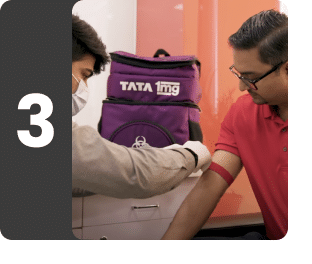
Safe Sample Collection
Our phlebotomists follow strict safety protocols to collect samples safely at home and on time.
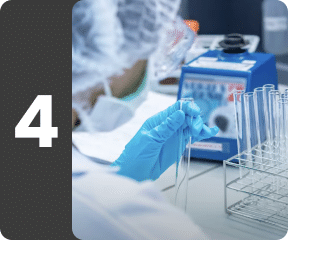
Sample received at lab
Samples are transported securely to our accredited labs with world-class machines for testing by qualified experts.

Quick, Doctor-Verified Reports
Get doctor-approved reports via email and WhatsApp, with options for doctor follow-ups and AI insights.

FAQs related to Nutritional Anemia Package

The Nutritional Anemia Package comprises a group of blood tests that helps identify and address underlying nutritional deficiencies contributing to anemia.
The Nutritional Anemia Package can be done when an individual experiences symptoms such as fatigue, pale skin, tiredness, dizziness, weakness, headache, shortness of breath, cold hands and feet, etc. suggestive of anemia, or when they have risk factors such as family history of anemia, chronic diseases, poor dietary intake, or physiological conditions like pregnancy.
Yes, usually overnight fasting of 8 to 12 hours is preferred for the Nutritional Anemia Package test. However, drinking water is permissible. Also, you need to avoid iron supplements for at least 24 hours before getting tested.
Anemia is a condition where the body doesn't have enough healthy red blood cells or hemoglobin, which are needed to carry oxygen to the body's tissues.
Iron-deficiency anemia is the most common type of anemia. It occurs when you do not have enough iron in your body.
Yes. Since blood volume increases during pregnancy, mild anemia is normal.
Consuming spinach, broccoli, lentils, peas, figs, dates, dark chocolate, tofu, eggs, iron-fortified cereals, etc. are some of the good sources of iron. Including iron-rich foods in your diet can help support the synthesis of red blood cells and manage anemia.
Recommended for everyone
This package is designed with everyone’s overall health considerations in mind, offering assessments to address a wide range of wellness needs.
Package can be booked by :
Men
Women
Package contains 30 tests
Vitamin B12
Vitamin B9 (Folic Acid)
CBC (Complete Blood Count) (21)
Differential Leukocyte Count (5)
Red Blood Cell Count
Hb (Hemoglobin)
Platelet Count
Total Leukocyte Count
Hematocrit
Mean Corpuscular Volume
Mean Corpuscular Hemoglobin
Mean Corpuscular Hemoglobin Concentration
Absolute Leucocyte Count (5)
Mean Platelet Volume
PDW
RDW CV
Transferrin
Peripheral Smear Examination
Serum Iron Studies Comprehensive (5)
Serum Ferritin
Total Iron Binding Capacity
Iron, Serum
Unsaturated Iron Binding Capacity
Transferrin Saturation
Report delivery
Standard time
27 hrs
For slots after 11 AM, report will be delivered in 39 hours.
Samples required
Blood
Our phlebotomist will draw a blood sample, typically from a vein in your inner elbow.
Preparations
1
Overnight fasting is preferred but not mandatory.
2
Avoid iron supplements for at least 24 hours prior to sample collection.
Why is this package booked?
1
To identify individuals at risk of anemia early on.
2
To find out the underlying nutritional deficiencies contributing to anemia.
3
If there are signs or symptoms such as chronic fatigue, pale skin, tiredness, dizziness, weakness, headache, shortness of breath, cold hands and feet, etc. suggestive of anemia
4
As a part of a routine investigation in high-risk populations including pregnant women, children, menstruating adolescent girls and women, and individuals with a family history of anemia
5
In individuals with underlying chronic diseases such as inflammatory bowel disease, chronic kidney disease, etc., which can lead to anemia as a secondary complication.
6
As a part of follow-up testing in individuals receiving treatment for anemia to monitor the progress over time.
Coupon details
Get it at ₹1349 with coupon
Get upto 15% off on your lab tests
Maximum discount: ₹1500
1MGNEWG
copy
10% off
₹999
separator
13% off
₹3000
separator
15% off
₹5000
Available Offers
Get additional upto 15% off
Get upto 15% off on your lab tests
Maximum discount: ₹1500
1MGNEWG
copy
Upto Rs 650 off on all lab tests
Get Upto Rs 650 off on all lab tests
Maximum discount: ₹650
1MGSUPER
copy
Upto Rs 1500 off on all lab tests
Get Upto Rs 1500 off on all lab tests
Maximum discount: ₹1500
1MGSUPERMAX
copy
Who's behind your sample collection?
About Phlebotomist
Play
Tata 1mg Phlebotomist
icon
MEET YOUR PHLEBO
icon
Certified Professionals
Certified & experienced professionals
Tata 1mg phlebotomists are DMLT / B.Sc MLT certified and have 1+ years of experience
Best collections
Best in-class collections
Tata 1mg phlebotomists are trained for painless, single-prick hygienic sample collection
Expertise
Comprehensive expertise
Other than sample collection, our phlebos are also skilled in first aid, ECG & BP monitoring
frame icon
WHAT OUR CUSTOMERS ARE SAYING
frame icon
Excellent service
~ JITENDER KUMAR
double quote icon
Pain free collection
~ Sandugade Subhash Tukaram
double quote icon
Exalant sarvice
~ Sudam Thakaji Pradhan
double quote icon
Good skill for sample collection
~ Pawan Kumar Sah
double quote icon
Technician was great..
~ Saurav Choudhury
double quote icon
Pain free collection
~ Phartale Sachin Ashok
double quote icon
Very polite
~ Sadhana Kumari
double quote icon
Very gentle
~ Divya Chawla
double quote icon
Thank you for pain free collection
~ Dattatray Nanabhau Gawandi
double quote icon
Reached on time, polite behaviour. Did a good job
~ Subhashini
double quote icon
Footer