Sign in to your account
or
By signing in you agree to our
Terms & conditions
 and 
Privacy policy

Helicobacter Pylori Antibodies Panel, IgA & IgG

Also referred as
Helicobacter Pylori Antibodies Panel
H. Pylori Antibodies Blood Test
For men & women
Earliest reports in
111 hours
Contains
2 tests
Test price:
₹2969
₹3300
10% off
Get it at ₹2672 with coupon
Apply coupon 1MGNEWG during checkout
arrow
Know when you'll get your report
For sample collection between
6 AM - 1 PM
1 PM - 10 PM
Reporting in
111hrs
discount_stamp
More offers available
Know more about this test

<font color='#864291'>Know more about this test</font>

The Helicobacter Pylori Antibodies Panel, IgA & IgG is a blood test that detects immunoglobulin A (IgA) and immunoglobulin G (IgG) antibodies against Helicobacter pylori, bacteria commonly linked to stomach infections, ulcers, and gastritis. This test helps doctors determine if an individual has been exposed to the bacteria, assisting in the diagnosis of related digestive conditions.

Samples required
Blood

Find out
Why is this test booked?

Preparation for this test

Sample Collection
Who will collect your samples?
Conducted by

know_more_icon
Tata 1mg Labs
chevron
most trusted lab
Accredited labs
Highly skilled Phlebos
Verified reports
Who will collect your samples?
Tata 1mg certified phlebotomists
View phlebo details

Understanding Helicobacter Pylori Antibodies Panel, IgA & IgG

Helicobacter pylori infection is one of the most common bacterial infections affecting both children and adults, associated with a wide range of gastrointestinal conditions, including gastritis, peptic ulcers, gastric ulcers, gastric mucosa-associated lymphoid tissue (MALT) lymphoma, and gastric adenocarcinoma. H. pylori infection is common but often has no clear symptoms, so it can be hard to detect without specific lab tests.

The Helicobacter Pylori Antibodies Panel, IgA & IgG helps detect two types of antibodies, immunoglobulin A (IgA), and immunoglobulin G (IgG) against H.pylori infection. IgA is the predominant antibody found in mucosal secretions, including those of the gastrointestinal tract. Elevated levels of IgA antibodies against H pylori may indicate an active or recent infection. On the other hand, IgG is the most abundant antibody in the blood and remains elevated even after the acute phase of infection has resolved. It serves as a useful indicator for detecting past exposure to H. pylori. These antibodies may remain high for many years in infected individuals. 

The Helicobacter Pylori Antibodies Panel, IgA & IgG is usually recommended for individuals with gastrointestinal symptoms such as abdominal pain, bloating, nausea, and vomiting, as well as those with a history of peptic ulcers or gastric cancer. This test helps in the early detection, effective management, and ongoing monitoring of infection status. 

The Helicobacter Pylori Antibodies Panel, IgA & IgG is a screening test and only detects the presence of antibodies against H.pylori bacteria. It does not confirm the presence of a gastrointestinal disease and, therefore, should not be used as the sole measure for diagnosing H. pylori-associated gastrointestinal infections. Doctors may recommend a few other tests in conjunction with the Helicobacter Pylori Antibodies Panel, IgA & IgG to confirm the diagnosis.

No special preparation is needed for the Helicobacter Pylori Antibodies Panel, IgA & IgG. However, it is important to inform the doctor about any medications or supplements, or medical conditions before the test, as these factors may potentially influence the test results.

Lab test results may vary across different laboratories. Abnormal test results require an expert interpretation. Therefore, never try to self-medicate at home based solely on these results, and always consult a doctor for a proper understanding of the test results. The insights from this test help the doctor tailor an appropriate treatment plan. Maintaining good hygiene by washing hands thoroughly, eating hygienically prepared food, and drinking water from a safe, clean source are some ways to prevent an H. pylori infection, particularly in children. 

See more

What does Helicobacter Pylori Antibodies Panel, IgA & IgG measure?

Contains 2 tests

The Helicobacter Pylori Antibodies Panel, IgA & IgG measures the levels of specific antibodies, namely, immunoglobulin A (IgA), and immunoglobulin G (IgG) that are produced by the immune system in response to Helicobacter pylori (H. pylori) infection. The presence of IgA indicates recent infection or mucosal immune response, while the presence of IgG antibodies suggests a long-term or past infection. This helps healthcare providers determine if the infection is active or if it is a past exposure, guiding appropriate treatment and promoting long-term gastrointestinal health.

The Helicobacter Pylori, IgG test detects the presence of IgG antibodies in the blood. These antibodies appear a few weeks after infection and stay for months or even years. Their presence shows past exposure to H. pylori.

Getting tested can help understand the risk of H.pylori-related conditions, such as peptic ulcers or gastric cancer. It also helps monitor treatment response over time, allowing infected individuals to take proactive steps against H.Pylori infection and thus reducing the risk of complications.

Know more about Helicobacter Pylori, IgG

Did you find information useful ?
yesYES
noNO (1)

Helicobacter Pylori Antibodies Panel, IgA & IgG test price for other cities

Price inBangaloreRs. 2969
Price inMumbaiRs. 2969
Price inHyderabadRs. 3140
Price inKanchipuramRs. 2969
Price inPuneRs. 2969
Book a Helicobacter Pylori Antibodies Panel, IgA & IgG test at home near me

Easy online booking
Easy online booking
Search for tests and packages, book your preferred time slot and enter your address for seamless at-home lab tests.

Live tracking of phlebotomist
Track our trained phlebotomist's real time location for seamless sample collection.
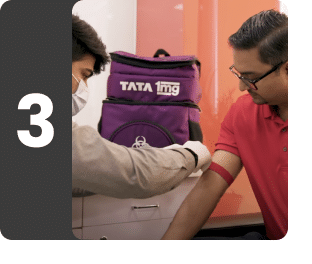
Safe Sample Collection
Our phlebotomists follow strict safety protocols to collect samples safely at home and on time.

Sample received at lab
Samples are transported securely to our accredited labs with world-class machines for testing by qualified experts.

Quick, Doctor-Verified Reports
Get doctor-approved reports via email and WhatsApp, with options for doctor follow-ups and AI insights.

FAQs related to Helicobacter Pylori Antibodies Panel, IgA & IgG

You may need the Helicobacter Pylori Antibodies Panel, IgA & IgG to detect or confirm an infection with H. pylori, bacteria linked to gastrointestinal conditions like gastritis, peptic ulcers, and gastric cancer. This test measures specific antibodies in your blood, helping your doctor diagnose current or past infections, guide treatment decisions, and monitor your response to treatment.
No fasting is required for the Helicobacter Pylori Antibodies Panel, IgA & IgG. You can eat or drink as per your routine.
A phlebotomist (a trained professional to perform blood draws) will clean your skin using an antiseptic alcohol cotton swab or wipe and take blood samples from your vein using a needle. The blood sample will be stored safely and transported to the laboratory for analysis.
IgA antibodies suggest a recent or active infection, while the IgG antibodies indicate past or long-term exposure to H. pylori.
If your test results indicate an infection, consult with your healthcare provider to discuss treatment options, such as antibiotics or other medications. Your doctor may also suggest further tests to confirm the infection and rule out other conditions.
Helicobacter pylori, or H. pylori, is a type of bacteria that can infect the stomach lining. It is a common bacterium found in the digestive tract and is associated with various gastrointestinal conditions, including gastritis, peptic ulcers, and stomach cancer. H. pylori infection can occur in people of all ages and is usually acquired during childhood. Treatment with antibiotics is often necessary to eliminate the infection and prevent further infections.
Common symptoms of an H. pylori infection are burning, pain, and tenderness in the abdomen, recurrent stomach pain, feeling of fullness, nausea, indigestion, unexplained weight loss, bloating, and intestinal bleeding.
H. pylori infections cannot always be prevented, but certain measures can help reduce the risk of infection. These include practicing good hygiene, such as hand washing before eating and after using the restroom, avoiding food or water that may be contaminated, and maintaining a healthy lifestyle with a balanced diet and regular exercise. However, H. pylori infection can be acquired through close contact with infected individuals or ingestion of contaminated food or water. A complete prevention may not always be possible.
Yes, reinfection can occur. However, reinfection rates vary depending on individual circumstances and environmental factors.
Yes, Tata 1 mg labs offer safe and hygienic sample collection from the comfort of your home.
Tata 1mg ensures accurate lab test results through certified laboratories that use advanced technology and adhere to stringent quality control measures. This commitment to high standards guarantees reliable results.
References
  1. Helicobacter Pylori Antibody [Internet]. Rochester, NY: University of Rochester Medical Center; [Accessed 02 Apr. 2025]. Available from:
  2. Parikh NS, Ahlawat R. Helicobacter Pylori. [Updated 2023 Aug 8]. In: StatPearls [Internet]. Treasure Island (FL): StatPearls Publishing; 2024 Jan-. Available from:
  3. Öztekin M, Yılmaz B, Ağagündüz D, Capasso R. Overview of Helicobacter pylori Infection: Clinical Features, Treatment, and Nutritional Aspects. Diseases. 2021 Sep 23;9(4):66. [Accessed 02 Apr. 2025]. Available from:
  4. Goderska K, Agudo Pena S, Alarcon T. Helicobacter pylori treatment: antibiotics or probiotics. Appl Microbiol Biotechnol. 2018 Jan;102(1):1-7. [Accessed 02 Apr. 2025]. Available from:
  5. Yu JH, Zhao Y, Wang XF, Xu YC. Evaluation of Anti-Helicobacter pylori IgG Antibodies for the Detection of Helicobacter pylori Infection in Different Populations. Diagnostics (Basel). 2022 May 12;12(5):1214. [Accessed 02 Apr. 2025]. Available from:
  6. She RC, Wilson AR, Litwin CM. Evaluation of Helicobacter pylori Immunoglobulin G (IgG), IgA, and IgM serologic testing compared to stool antigen testing. Clin Vaccine Immunol. 2009 Aug;16(8):1253-5. [Accessed 02 Apr. 2025]. Available from:
  7. Locatelli A, Catapani WR, Gomes CR Jr, Silva CB, Waisberg J. Detection of anti-Helicobacter pylori antibodies in serum and duodenal fluid in peptic gastroduodenal disease. World J Gastroenterol. 2004 Oct 15;10(20):2997-3000. [Accessed 02 Apr. 2025]. Available from:
  8. Li S, Lu AP, Zhang L, Li YD. Anti-Helicobacter pylori immunoglobulin G (IgG) and IgA antibody responses and the value of clinical presentations in diagnosis of H. pylori infection in patients with precancerous lesions. World J Gastroenterol. 2003 Apr;9(4):755-8. [Accessed 02 Apr. 2025]. Available from:
Contains 2 tests
Samples required
Preparations
Why is this test booked?
Coupon details
Available Offers