Sign in to your account
or
By signing in you agree to our
Terms & conditions
 and 
Privacy policy

FBS (Fasting Blood Sugar)

Also referred as
Glucose - Fasting (F)
Fasting Blood Sugar
xyz people viewed recently
110,380+ booked recently
For men & women
Fastest Reports in
7 hrs
Contains
1 test
Test price:
₹79
₹120
34% off
Upto 15% extra discount with coupon
Min. order value: ₹5000 | Coupon: 1MGNEWG
arrow
discount_stamp
More offers available
Know more about this test

<font color='#864291'>Know more about this test</font>

The FBS (Fasting Blood Sugar) test measures the glucose (sugar) level in the blood after overnight fasting. This test is done when a person experiences symptoms of high or low blood sugar levels or to assess a person’s risk for diabetes. It is often done as part of a routine health checkup.

Samples required
Blood

Find out
Why is this test booked?

Preparations
Overnight fasting required for 8 to 12 hours

Sample Collection
Who will collect your samples?
Conducted by

know_more_icon
Tata 1mg Labs
chevron
most_trusted_lab
Accredited labs
Highly skilled Phlebos
Verified reports
Who will collect your samples?
Tata 1mg certified phlebotomists
View phlebo details
Know more about lab
Tata 1mg Labs
About this lab
TATA 1mg Labs is a cutting-edge facility delivering top-quality diagnostic services right to your doorstep. We take pride in three core values: Assured Quality, Best Prices and Timely Reports. Transparency is at the heart of our operations, ensuring our customers always have clear and reliable information. Our dedicated team is committed to offering an exceptional customer experience and continually innovates to meet and exceed customer expectations.
See more

Understanding FBS (Fasting Blood Sugar)

Glucose is the primary energy source for the body. Carbohydrates in the food are broken down into glucose, which is then absorbed into the bloodstream and transported to the cells for energy. Insulin, produced by the pancreas, regulates the blood glucose level in the body. A lack of insulin or its reduced effectiveness can result in high blood glucose levels.

High blood glucose levels can be a sign of diabetes or prediabetes (a condition where a person has high blood glucose levels but not yet at a level that qualifies as diabetes). Early detection and treatment of diabetes are essential to prevent complications such as heart disease, kidney damage, and nerve damage. An FBS test, also known as a glucose fasting test helps screen for prediabetes and diabetes and checks the effectiveness of medications or lifestyle changes for diagnosed people.

Fasting for at least 8–12 hours is recommended before undergoing the FBS (Fasting Blood Sugar) test. Do not eat or drink anything other than water during the fasting period. It is also important to inform the doctor about any medicines being taken, as some may affect the blood glucose levels and need to be adjusted or temporarily discontinued before the test.

FBS test result ranges may vary across the laboratories depending on the methodology and laboratory guidelines. Do not self-medicate. Always consult your doctor to understand your test results. The results will help them understand your condition, suggest lifestyle changes like diet and exercise, to decide if you need medication, and create a treatment plan.

What Are the Symptoms or Conditions That May Require the FBS (Fasting Blood Sugar) Test?

You may need the FBS (Fasting Blood Sugar) test if you experience symptoms of high or low blood sugar, such as:

  • Excessive thirst or increased appetite 
  • Frequent urination, especially at night
  • Blurred vision
  • Persistent fatigue or irritability
  • Slow-healing wounds or frequent infections

You may also need this test if:

  • Your doctor suspects prediabetes or diabetes
  • You are overweight or have a sedentary lifestyle
  • You have a family history of diabetes
  • You have high blood pressure, cholesterol, or heart disease
  • You had gestational diabetes during pregnancy

When Would I Need the FBS (Fasting Blood Sugar) Test?

You may need the FBS (Fasting Blood Sugar) test if:

  • You have symptoms of diabetes.
  • You are younger but overweight, inactive, or have a family history of diabetes.
  • You have abnormal cholesterol or high blood pressure.
  • You are pregnant or have had gestational diabetes in the past.
  • You experience frequent thirst, urination, or fatigue.
  • Your doctor is monitoring your diabetes or medication response.

How Do I Prepare for the FBS (Fasting Blood Sugar) Test?

Do I need to fast or stop any medications before the FBS (Fasting Blood Sugar) test?

Fasting for at least 8–12 hours is recommended before undergoing the FBS (Fasting Blood Sugar) test. Do not eat or drink anything other than water during the fasting period. It is also important to inform the doctor about any medicines or supplements being taken. Your doctor will guide you if any temporary adjustments are needed before the test.

How is the FBS (Fasting Blood Sugar) test done?

  • The FBS (Fasting Blood Sugar) test is done by collecting a small amount of blood from a vein, usually in the arm. 
  • The procedure is quick, minimally invasive, and generally causes only slight discomfort.

What happens before the FBS (Fasting Blood Sugar) test?

  • Fast for 8–12 hours before the test; only plain water is allowed.
  • Avoid eating or drinking anything other than water during the fasting period.
  • Continue your regular medications unless your doctor advises otherwise.
  • Inform your doctor about any diabetes medicines, insulin, or other treatments you are taking.
  • Let your doctor know if you are sick or have had recent blood loss, as this can affect results.
  • Bring a list of your current medications, supplements, and any recent health conditions.

What happens during the FBS (Fasting Blood Sugar) test?

  • You will be seated comfortably with your arm supported on a flat surface or armrest.
  • A tourniquet (elastic band) is tied around your upper arm to make the veins more visible and easier to locate.
  • The phlebotomist identifies a suitable vein for blood collection.
  • The puncture site is then cleaned thoroughly with an alcohol swab to reduce the risk of infection.
  • A thin, sterile needle is gently inserted into the vein, and a small amount of blood is collected into a test tube.

What happens after the FBS (Fasting Blood Sugar) test?

  • Once enough blood is collected, the tourniquet is released and the needle is removed.
  • A cotton ball or gauze is placed on the site, followed by a small bandage or dressing to stop any bleeding.
  • The blood sample is carefully labeled with your details and sent to the laboratory for analysis.
  • You can resume your daily routine after the test is done.

Is the FBS (Fasting Blood Sugar) test painful?

No, the test is generally simple and safe. However, you may feel slight discomfort during blood sample collection, but the chances of serious complications are extremely rare.

How Long Does the FBS (Fasting Blood Sugar) Test Take?

The procedure is quick, simple, and safe. It requires only a small blood sample and is completed within a short duration.

When Will I Get the Results?

The availability of your test report may vary depending on your location and the laboratory where the test is conducted. In general, Tata 1mg provides the results within the stipulated time after sample collection.

When Should I Consult a Doctor After the Test?

You should consult your doctor if:

  • Your test results are outside the normal range.
  • You have symptoms of high or low blood sugar.
  • You experience persistent fatigue, thirst, or blurred vision.

Are There Any Risks Associated with the FBS (Fasting Blood Sugar) Test?

The FBS (Fasting Blood Sugar) test is safe, with usually minimal or no risk that resolves on its own:

  • Small bruise, pinch, or slight tenderness at the puncture site
  • Occasional lightheadedness if you are sensitive to needles or blood
  • Rarely, infection or blood vessel injury

Note: If you have a bleeding disorder or take blood thinners, inform the phlebotomist beforehand.

What Do the Results Mean?

Pathological Factors 

Test Parameter

Interpretation (possible causes)

Normal

No diabetes

Borderline/Elevated

Pre-diabetes (can be due to insulin resistance, and other risk factors like obesity, unhealthy diet, sedentary lifestyle, etc.)

High levels

Diabetes

Physiological Factors

🧒 Age: Glucose levels may increase slightly with age, even in healthy individuals.

🫄 Pregnancy: Hormonal changes during pregnancy can temporarily alter blood sugar levels.

Lifestyle Factors

🥙 Diet: High sugar intake and irregular meals can affect fasting glucose readings.

😴 Sleep: Poor sleep quality, irregular sleep patterns, or chronic stress may elevate fasting glucose levels.

🚬 Smoking & alcohol: Both can interfere with insulin function and may influence FBS readings.

Disclaimer: This information is for educational purposes only and should not replace professional medical advice, diagnosis, or treatment. Always consult your healthcare provider for personalized guidance.

What Do Normal Fasting Blood Sugar Levels Mean?

Normal fasting blood sugar levels suggest that your body is efficiently regulating glucose through proper insulin function. It indicates a stable energy balance and a lower risk of developing diabetes or related metabolic issues.

What Do High Levels of Fasting Blood Sugar Indicate?

High fasting blood sugar levels may point to insulin resistance or reduced insulin activity in the body. It can be an early sign of prediabetes or diabetes and is often linked to factors such as poor diet, stress, inactivity, or certain health conditions.

What to Do if Your Fasting Blood Sugar Is Higher Than Normal?

If your fasting blood sugar level is higher than normal, it is important to follow up with your doctor. Many people successfully manage or improve blood sugar levels with healthy lifestyle changes such as balanced nutrition, regular physical activity, adequate sleep, and medical guidance when required.

What Do Low Levels of Fasting Blood Sugar Indicate?

Low fasting blood sugar levels may indicate that your body has more insulin than needed or that you have not eaten enough before the test. It can also occur due to certain medications or underlying medical conditions. Always consult your healthcare provider to understand the reason and manage it safely.

Can FBS (Fasting Blood Sugar) test Results Be Inaccurate?

Certain conditions or external factors, such as prolonged or improper fasting, lack of sleep, etc., can affect FBS results. If your readings do not align with your symptoms or overall health, your doctor may recommend repeating the test or performing additional investigations to confirm accuracy.

What Factors Can Affect FBS (Fasting Blood Sugar) test Results?

Though a reliable test, some circumstances can influence accuracy:

  • Eating or drinking anything (other than water) before the test
  • Dehydration or prolonged fasting
  • Stress or lack of sleep before testing
  • Certain medications 
  • Coffee intake before the test
  • Alcohol

What Follow-Up Tests May Be Required?

Table: Tests Commonly Ordered Alongside FBS (Fasting Blood Sugar) test

Test Name

Primary Purpose

HbA1c (Glycosylated Hemoglobin)

Measures average blood sugar over 2–3 months

Postprandial Blood Sugar (PPBS)

Checks glucose levels 2 hours after eating

RBS (Random Blood Sugar)

Measures blood sugar at any time, without the need for fasting.

Oral Glucose Tolerance Test (OGTT)

Evaluates how the body processes sugar

Lipid Profile

Evaluates cholesterol and overall heart risk

Urine Microalbumin

Detects early signs of kidney damage

Liver/Kidney Function Tests

Monitors organ health and diabetes-related complications

Thyroid Profile

Assesses metabolism and hormone balance

How Does FBS (Fasting Blood Sugar) Differ from Other Glucose Blood Tests?

PPBS (Postprandial Blood Sugar): Measures blood sugar 2 hours after eating a meal.

RBS (Random Blood Sugar): Measures blood sugar anytime, without fasting.

OGTT (Oral Glucose Tolerance Test): Measures blood sugar before and after consuming glucose.

Glycated Hemoglobin (HbA1c): Reflects average blood sugar over the past 2–3 months.

Lifestyle Tips to Manage Your Blood Glucose Levels:

🥤 Hydration: Drink enough water to support health and keep blood sugar stable.

🥙 Eat (Diet): Focus on whole grains, vegetables, lean proteins, healthy fats, nuts, and seeds.

🚴‍♀️ Activity (Exercise): Regular exercise like walking, cycling, or strength training helps manage blood sugar and maintain a healthy weight.

😴 Lifestyle (Sleep): Get quality sleep to help regulate blood sugar.

👨‍⚕️ Talk to Your Doctor (Consult): Review FBS results and adjust your diabetes plan as needed.

💊 Habits (Supplements): Take supplements like magnesium or chromium only if your doctor advises as these supplements help regulate insulin sensitivity and support glucose metabolism.

Note: The lifestyle tips shared here serve as an adjunct to the ongoing treatment. These tips in no manner are intended to replace professional medical advice or treatment. If you have medical concerns, ongoing symptoms, or underlying conditions, please consult a doctor before making changes to your health routine.

See more

What does FBS (Fasting Blood Sugar) measure?

The FBS (Fasting Blood Sugar) test measures the glucose level in the body under overnight fasting conditions. Glucose is the primary energy source and is broken down through metabolism to produce energy. Hormones and enzymes produced by the liver and pancreas control this process. The hormone insulin, produced by the pancreas, regulates blood glucose levels. When these levels are high, such as after a meal, insulin is secreted to transport glucose into cells for energy production. Elevated fasting glucose levels may indicate a risk of developing prediabetes or diabetes. Diabetes is broadly classified into two main types. Type 1 diabetes occurs when the pancreas produces little or no insulin due to autoimmune destruction of insulin-producing cells. Type 2 diabetes develops when the body becomes resistant to insulin or when insulin production is insufficient to meet the body’s needs.

Frequently booked together
Did you find information useful ?
yesYES (23)
noNO (5)

FBS (Fasting Blood Sugar) test price for other cities

Price inKolkataRs. 79
Price inBangaloreRs. 69
Price inHyderabadRs. 80
Price inMumbaiRs. 89
Price inNew DelhiRs. 79
Book a Good Health Gold Package with Smart Report test at home near me
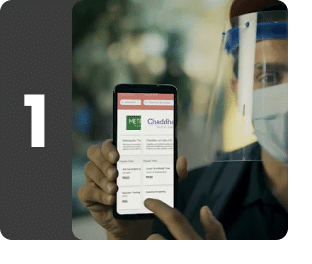
Easy online booking
Easy online booking
Search for tests and packages, book your preferred time slot and enter your address for seamless at-home lab tests.
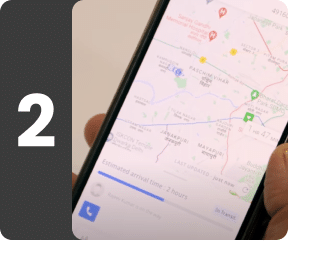
Live tracking of phlebotomist
Track our trained phlebotomist's real time location for seamless sample collection.
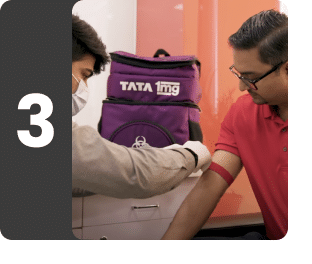
Safe Sample Collection
Our phlebotomists follow strict safety protocols to collect samples safely at home and on time.
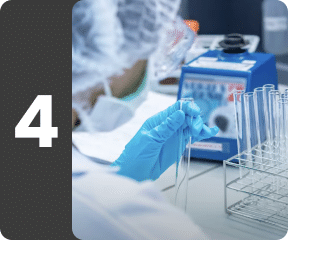
Sample received at lab
Samples are transported securely to our accredited labs with world-class machines for testing by qualified experts.
Quick, Doctor-Verified Reports
Get doctor-approved reports via email and WhatsApp, with options for doctor follow-ups and AI insights.

FAQs related to FBS (Fasting Blood Sugar)

The FBS (Fasting Blood Sugar) test is a blood test that helps determine blood sugar levels after 8-12 hours of fasting.
The FBS (Fasting Blood Sugar) test is important because it helps determine the risk of diabetes, and other glucose metabolism disorders.
Do not eat or drink anything except water for 8-12 hours before the test. It is also important to inform your doctor about any medications you are taking, as some of them can affect blood glucose levels and may need to be adjusted or temporarily discontinued before the test.
The risks associated with an FBS test are generally minimal. However, some people may experience mild pain or discomfort at the site from where the blood sample is taken.
Yes, the Fasting Blood Glucose test is commonly used during pregnancy to screen for gestational diabetes, which is a type of diabetes that develops during pregnancy.
Hypoglycemia (low blood sugar) is a condition when the blood sugar levels fall below the normal levels.
Symptoms of hypoglycemia include excessive sweating, fatigue, frequent hunger, shivering or trembling, confusion, and blurred vision.
Hyperglycemia (high blood sugar) is a condition when the blood sugar level increases above the normal levels. This condition may indicate prediabetes or diabetes.
Symptoms of hyperglycemia include increased thirst, frequent urination, weakness, tiredness (fatigue), blurred vision, and slow wound healing.
The most common risk factors for diabetes include being obese or overweight with low physical activity, having a family history of diabetes, or having high blood pressure. Other reasons that can cause diabetes include low good cholesterol or high triglyceride levels, polycystic ovarian syndrome, or cardiovascular diseases.
Yes, blood sugar levels may increase due to certain medications, during pregnancy, and temporarily due to stress.
If diabetes is not well controlled, it can cause problems in many parts of the body. This includes heart issues like coronary artery disease, damage to the eyes (diabetic retinopathy), and nerve problems (diabetic neuropathy). It can also affect the kidneys (diabetic nephropathy) and lead to foot complications such as ulcers or infections. Other possible issues include hearing difficulties and skin problems.
Additional tests that may help diagnose diabetes include HbA1c, urine glucose, blood glucose-postprandial (PP), random blood glucose, and oral glucose tolerance tests.
You can control diabetes by staying active, eating a balanced diet, maintaining a healthy weight, and checking your blood sugar regularly. If needed, take medications or insulin as prescribed by your doctor.
Type 2 diabetes happens when your body does not use insulin properly or does not make enough of it. This causes high blood sugar, which can affect your health if not managed.
A person with diabetes should monitor blood sugar regularly, eat a diabetes-friendly diet, exercise, take medications as prescribed, manage stress, and have regular checkups to prevent complications.
Prediabetes is a condition where blood sugar levels are higher than normal but not high enough to be diagnosed as diabetes. It increases the risk of developing type 2 diabetes. Managing prediabetes involves making lifestyle changes such as eating a healthy diet, increasing physical activity, losing excess weight, and monitoring blood sugar regularly.
Impaired glucose tolerance (IGT) is defined as two-hour glucose levels of 140-199 mg/dL on a 75 gm oral glucose tolerance test, meaning your blood sugar is higher than normal putting you at an increased risk of developing type 2 diabetes, but you do not have diabetes yet. If your fasting blood sugar is 126 mg/dL or higher, or your 2-hour post-meal blood sugar is 200 mg/dL or higher, confirmed on another day, it indicates diabetes. IGT is a warning sign, and healthy lifestyle changes can help lower your risk.
The price of the FBS (Fasting Blood Sugar) test can vary depending on the city, laboratory, and current offers. Choose your nearest city on the Tata 1mg platform to see the latest available price.
You can book a fasting blood sugar test at any Tata 1mg lab near you. Simply check for the nearest lab location and schedule a convenient date and time for your test.
Tata 1mg ensures accurate lab test results through certified laboratories that use advanced technology and adhere to stringent quality control measures. This commitment to high standards guarantees reliable results.
References
  1. Classification and Diagnosis of Diabetes: Standards of Medical Care in Diabetes—2022 [Internet]. Diabetes UK. [Accessed 24 Oct. 2025]. Available from:
  2. Standards of Care in Diabetes [Internet]. Diabetes UK. [Accessed 24 Oct. 2025]. Available from:
  3. National Center for Complementary and Integrative Health. Type 2 diabetes and dietary supplements: what the science says. NCCIH Clinical Digest. November 2022. [Accessed 24 Oct. 2025]. Available from:
  4. Mathew TK, Zubair M, Tadi P. Blood Glucose Monitoring. [Updated 2023 Apr 23]. In: StatPearls [Internet]. Treasure Island (FL): StatPearls Publishing; 2025 Jan-. Available from:
  5. Preventing Type 2 Diabetes [Internet]. USA: National Institute of Health; Dec. 2016 [Accessed 24 Oct. 2025 2025]. Available from:
  6. Agarwal MM, Dhatt GS. Fasting plasma glucose as a screening test for gestational diabetes mellitus. Archives of Gynecology and Obstetrics. 2007;275:81-87. Published September 12, 2006. [Accessed 24 Oct. 2025 2025]. Available from:
  7. McCane DR, Hanson RL, Charles MA, Jacobsson LT, Pettitt DJ, Bennett PH, Knowler WC. Comparison of tests for glycated haemoglobin and fasting and two-hour plasma glucose concentrations as diagnostic methods for diabetes. BMJ. 1994 May 21;308:1323. [Accessed 24 Oct. 2025 2025]. Available from:
  8. Aging of glucose profiles in an adult population without diabetes [Internet]. ScienceDirect; [Accessed 24 Oct. 2025]. Available from:
  9. Noordam R, Gunn DA, Tomlin CC, Maier AB, Mooijaart SP, Slagboom PE, Westendorp RG, de Craen AJ, van Heemst D; Leiden Longevity Study Group. High serum glucose levels are associated with a higher perceived age. Age (Dordr). 2013 Feb;35(1):189-95. [Accessed 24 Oct. 2025]. Available from:
  10. InformedHealth.org [Internet]. Cologne, Germany: Institute for Quality and Efficiency in Health Care (IQWiG); 2006-. Overview: Gestational diabetes. [Updated 2024 Apr 17]. Available from:
  11. Darraj A. The Link Between Sleeping and Type 2 Diabetes: A Systematic Review. Cureus. 2023 Nov 3;15(11):e48228. [Accessed 24 Oct. 2025]. Available from:
  12. Bergman BC, Perreault L, Hunerdosse D, Kerege A, Playdon M, Samek AM, Eckel RH. Novel and reversible mechanisms of smoking-induced insulin resistance in humans. Diabetes. 2012 Dec;61(12):3156-66. [Accessed 24 Oct. 2025]. Available from:
  13. Steiner JL, Crowell KT, Lang CH. Impact of Alcohol on Glycemic Control and Insulin Action. Biomolecules. 2015 Sep 29;5(4):2223-46. [Accessed 24 Oct. 2025]. Available from:
  14. 10 Surprising Things That Can Spike Your Blood Sugar [Internet]. CDC; 15 May 2024 [Accessed 24 Oct. 2025]. Available from:
  15. Good to Know: Factors Affecting Blood Glucose. Clin Diabetes. 2018 Apr;36(2):202. [Accessed 24 Oct. 2025]. Available from:
Recommended for everyone
This package is designed with everyone’s overall health considerations in mind, offering assessments to address a wide range of wellness needs.
Package can be booked by :
Men
Women
Contains 1 test
FBS (Fasting Blood Sugar)
Report delivery
Faster Report
₹49 per patient
7 hrs
faster report icon
Limited slots only, you can choose faster report option when you add the test
Standard time
No extra charges
15 hrs
For slots after 11 AM, report will be delivered in 15 hours.
Samples required
Blood
Our phlebotomist will draw a blood sample, typically from a vein in your inner elbow.
Preparations
1
Overnight fasting (8-12 hrs) is required. Do not eat or drink anything except water before the test.
Why is this test booked?
1
A. As General Screening (American Diabetes Association (ADA) Recommendations, 2025)
2
All adults who are 35 years or above
3
Children and adults under 35 years with risk factors
4
Overweight/obesity
5
Family history of diabetes
6
High blood pressure (BP), cholesterol, and heart disease
7
Sedentary lifestyle
8
History of gestational diabetes or polycystic ovary syndrome (PCOS)
9
B. If You Have Symptoms
10
Frequent thirst, urination, or extreme hunger
11
Unexplained weight loss, fatigue, or blurred vision
12
Slow-healing wounds or frequent infections
13
C. High-Risk Groups (Monitoring)
14
Prediabetes (FBS 100-125 mg/dL ) - Test every 1–2 years
15
Diabetes (FBS ≥ 126 mg/dL) - Test every 3–6 months for management
16
Individuals with HIV (before starting, when switching, and 3–6 months after antiviral therapy, then annually if FBS results are normal)
17
Women with gestational diabetes mellitus (GDM) - Test every 3 year
Coupon details
Upto 15% extra discount with coupon
Get upto 15% off on your lab tests
Maximum discount: ₹1500
1MGNEWG
copy
10% off
₹999
separator
13% off
₹3000
separator
15% off
₹5000
Available Offers
Get additional upto 15% off
Get upto 15% off on your lab tests
Maximum discount: ₹1500
1MGNEWG
copy
Upto Rs 650 off on all lab tests
Get Upto Rs 650 off on all lab tests
Maximum discount: ₹650
1MGSUPER
copy
Upto Rs 1500 off on all lab tests
Get Upto Rs 1500 off on all lab tests
Maximum discount: ₹1500
1MGSUPERMAX
copy
Who's behind your sample collection?
About Phlebotomist
Play
Tata 1mg Phlebotomist
icon
MEET YOUR PHLEBO
icon
Certified Professionals
Certified & experienced professionals
Tata 1mg phlebotomists are DMLT / B.Sc MLT certified and have 1+ years of experience
Best collections
Best in-class collections
Tata 1mg phlebotomists are trained for painless, single-prick hygienic sample collection
Expertise
Comprehensive expertise
Other than sample collection, our phlebos are also skilled in first aid, ECG & BP monitoring
frame icon
WHAT OUR CUSTOMERS ARE SAYING
frame icon
Excellent service
~ JITENDER KUMAR
double quote icon
Pain free blood collection
~ Vaghela Sagar Shashikantbhai
double quote icon
Pain free collection
~ Sandugade Subhash Tukaram
double quote icon
Good Job 👍 and fastest process..
~ Patel Rajnikant
double quote icon
Very polite
~ Sadhana Kumari
double quote icon
Technician was great..
~ Saurav Choudhury
double quote icon
Good skill for sample collection
~ Pawan Kumar Sah
double quote icon
Very gentle
~ Divya Chawla
double quote icon
Process very fast and good 👍
~ Jadav Savjibhai Samjibhai
double quote icon
Thank you for pain free collection
~ Dattatray Nanabhau Gawandi
double quote icon
Footer