







FBS & PPBS (Fasting & Postprandial Blood Sugar)
Also referred as
Glucose Fasting (F) & Postprandial (PP)
+3
Sugar Fasting & Post-prandial
BSF
BSPP

For men & women
Earliest reports in

12 hours

Contains

2 tests

More offers available

Know more about this test

The FBS & PPBS (Fasting & Postprandial Blood Sugar) test is a group of blood tests that measure fasting blood glucose (FBG) after an overnight fast of 8–12 hours and postprandial blood glucose (PPBG) 2 hours after starting the meal. Together, these tests show how your body processes glucose both before and after meals, helping to predict the risk of diabetes and prediabetes, and monitor diabetes treatment. These tests are commonly included in routine health checkups and diabetes screening tests.


Samples required
Blood

Find out
Why is this package booked?

Preparations
Overnight fasting required for 8 to 12 hours

Sample Collection
Who will collect your samples?
Conducted by

Tata 1mg Labs


Accredited
labs
Highly skilled
Phlebos
Verified
reports
Who will collect your samples?
Tata 1mg certified phlebotomists
Test Information is reviewed by: Dr. Swati Gupta (Anand), MBBS, MD Lab Medicine and written by Dr. Lipika Khurana, BDS, PGDHHM . The test details are for information purpose only. Consult a doctor before taking any test. Last updated on: 8th Sep 2026
Did you find information useful ?
 YES (1)
 NO
NO 
Book a Good Health Gold Package with Smart Report test at home near me
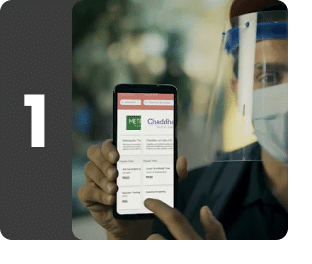
Easy online booking
Search for tests and packages, book your preferred time slot and enter your address for seamless at-home lab tests.
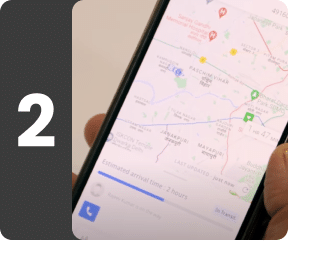
Live tracking of phlebotomist
Track our trained phlebotomist's real time location for seamless sample collection.
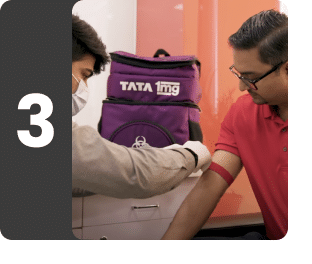
Safe Sample Collection
Our phlebotomists follow strict safety protocols to collect samples safely at home and on time.
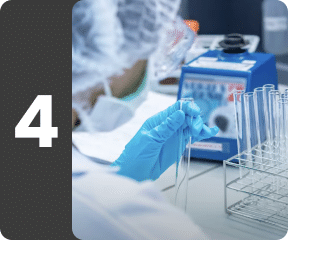
Sample received at lab
Samples are transported securely to our accredited labs with world-class machines for testing by qualified experts.
Quick, Doctor-Verified Reports
Get doctor-approved reports via email and WhatsApp, with options for doctor follow-ups and AI insights.



References
- Classification and Diagnosis of Diabetes: Standards of Medical Care in Diabetes—2022 [Internet]. Diabetes UK. [Accessed 28 Nov. 2025]. Available from:

- Standards of Care in Diabetes [Internet]. Diabetes UK. [Accessed 28 Nov. 2025]. Available from:
- National Center for Complementary and Integrative Health. Type 2 diabetes and dietary supplements: what the science says. NCCIH Clinical Digest. November 2022. [Accessed 28 Nov. 2025]. Available from:
- Mathew TK, Zubair M, Tadi P. Blood Glucose Monitoring. [Updated 2023 Apr 23]. In: StatPearls [Internet]. Treasure Island (FL): StatPearls Publishing; 2025 Jan-. Available from:
- Preventing Type 2 Diabetes [Internet]. USA: National Institute of Health; Dec. 2016 [Accessed 28 Nov. 2025 2025]. Available from:
- Agarwal MM, Dhatt GS. Fasting plasma glucose as a screening test for gestational diabetes mellitus. Archives of Gynecology and Obstetrics. 2007;275:81-87. Published September 12, 2006. [Accessed 28 Nov. 2025 2025]. Available from:
- McCane DR, Hanson RL, Charles MA, Jacobsson LT, Pettitt DJ, Bennett PH, Knowler WC. Comparison of tests for glycated haemoglobin and fasting and two-hour plasma glucose concentrations as diagnostic methods for diabetes. BMJ. 1994 May 21;308:1323. [Accessed 28 Nov. 2025 2025]. Available from:
Package contains 2 tests
Samples required
Preparations
Why is this package booked?
Available Offers