Sign in to your account
or
By signing in you agree to our
Terms & conditions
 and 
Privacy policy

Coagulation Profile (PT/INR & aPTT)

Also referred as
Clotting factor test
Coagulation profile
xyz people viewed recently
4,565+ booked recently
For men & women
Earliest reports in
15 hours
Contains
2 tests
Test price:
₹869
₹960
9% off
Additional 10% off with coupon
Min. order value: ₹499 | Coupon: CS1MG
arrow
discount_stamp
More offers available
Know more about this test

<font color='#864291'>Know more about this test</font>

A Coagulation Profile (PT/INR & aPTT), incorporating prothrombin time international normalized ratio (PT/INR) and activated Partial Thromboplastin Time (aPTT) test, is a comprehensive blood test that assesses the body's ability to form blood clots. This profile helps diagnose bleeding disorders, such as hemophilia, and monitor the effects of anticoagulant medications.

Samples required
Blood

Find out
Why is this test booked?

Preparations
Overnight fasting required for 8 to 12 hours
Sample Collection
Who will collect your samples?
Conducted by

know_more_icon
Tata 1mg Labs
chevron
most_trusted_lab
Accredited labs
Highly skilled Phlebos
Verified reports
Who will collect your samples?
Tata 1mg certified phlebotomists
View phlebo details
Know more about lab
Tata 1mg Labs
About this lab
TATA 1mg Labs is a cutting-edge facility delivering top-quality diagnostic services right to your doorstep. We take pride in three core values: Assured Quality, Best Prices and Timely Reports. Transparency is at the heart of our operations, ensuring our customers always have clear and reliable information. Our dedicated team is committed to offering an exceptional customer experience and continually innovates to meet and exceed customer expectations.
See more

Understanding Coagulation Profile (PT/INR & aPTT)

Clotting or coagulation factors are the proteins found in the blood that help stop bleeding when there is a wound or cut. A Coagulation Profile (PT/INR & aPTT) is used to assess the clotting function of the blood and determine if there is a problem with any of your clotting factors. Your doctor may suggest this test if you have symptoms of bleeding or clotting disorders, such as unexplained heavy bleeding, easy bruising, unusual heavy nose bleeds, leg swelling, redness on the legs, or chest pain. This test can also help check for clotting function before a scheduled surgery.

A Coagulation Profile (PT/INR & aPTT), including PT/INR and aPTT tests, is used to assess the risk of bleeding or clotting disorders, such as hemophilia, deep vein thrombosis, vitamin K deficiency, monitor anticoagulant therapy, and evaluate liver function. A PT/INR test helps measure how long it takes for blood to clot. The International Normalized Ratio (INR) is a standardized method used to interpret test results consistently. This test is used primarily to monitor the effectiveness of anticoagulant medications, such as warfarin, and assess liver function. The aPTT test especially helps evaluate the effectiveness of anticoagulant medications, such as heparin.

Usually, overnight fasting (8-12 hours) is preferred before a Coagulation Profile (PT/INR & aPTT), and a duly filled coagulation requisition form is mandatory for sample collection. If you take anticoagulant medication, giving the testing sample before the daily dose is taken is advised. Also, inform the doctor if you are taking medications such as blood thinners, as they may interfere with test results, and your doctor may adjust your dose or stop them temporarily before the test.

Test result ranges are approximate and may differ slightly between labs depending on the methodology and laboratory guidelines. Talk to your doctor about your specific test results. Narrate your complete medical and family history to help the doctor correlate your clinical and laboratory findings. The test results will help them prevent, manage, and treat coagulation-related health issues.

See more

What does Coagulation Profile (PT/INR & aPTT) measure?

Contains 2 tests

A Coagulation Profile (PT/INR & aPTT) includes blood tests that provide information about the blood's clotting ability. This profile measures prothrombin time international normalized ratio (PT/INR) and activated partial thromboplastin time (aPTT). 

The Prothrombin Time (PT) and aPTT tests measure how long the blood takes to clot. Precisely, they assess the factors in the blood that help initiate the clotting process. The INR is a standardized interpretation of the PT results. It is calculated to ensure consistency in interpreting PT values across different laboratories and testing methods. The INR is essential when monitoring patients on anticoagulant medications like warfarin. The INR helps adjust medication dosages to maintain blood clotting within a therapeutic range. The aPTT test is significant when monitoring patients on anticoagulant medications, such as heparin.

The PT INR (Prothrombin Time with INR) test measures the Prothrombin Time (PT) and reports it as the International Normalized Ratio (INR). The PT measures how long it takes for blood to clot. Specifically, it assesses the factors in the blood that help initiate the clotting process. The INR is a standardized interpretation of the PT results. It is calculated to ensure consistency in interpreting PT values across different laboratories and testing methods. It is particularly important when monitoring patients on anticoagulant medications, such as warfarin. The INR helps adjust medication dosages to maintain blood clotting within a therapeutic range.

Know more about PT INR (Prothrombin Time with INR)

An Activated Partial Thromboplastin Time test measures the time taken by the blood to form a clot. In other words, it is a screening test that helps evaluate a person’s ability to form blood clots. The test analyzes the amount and the function of specific proteins in the blood called coagulation or clotting factors, which are an essential part of blood clot formation.

Blood clotting or coagulation occurs through a series of cascade reactions due to the activation of clotting factors. There are a total of thirteen clotting factors within our bodies that aid in clot formation, and for healthy clot formation, all clotting factors need to be in the right balance. Any imbalance of these factors can lead to a blood clotting disorder. 


Know more about Activated Partial Thromboplastin Time

Frequently booked together
Did you find information useful ?
yesYES (4)
noNO

Coagulation Profile (PT/INR & aPTT) test price for other cities

Price inBangaloreRs. 859
Price inNew DelhiRs. 869
Price inKolkataRs. 859
Price inMumbaiRs. 959
Price inHyderabadRs. 765
Book a Coagulation Profile (PT/INR & aPTT) test at home near me
Easy online booking
Easy online booking
Search for tests and packages, book your preferred time slot and enter your address for seamless at-home lab tests.

Live tracking of phlebotomist
Track our trained phlebotomist's real time location for seamless sample collection.
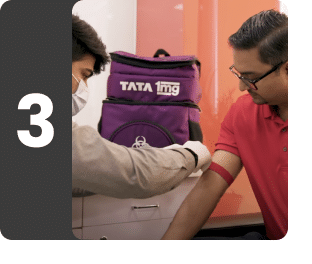
Safe Sample Collection
Our phlebotomists follow strict safety protocols to collect samples safely at home and on time.
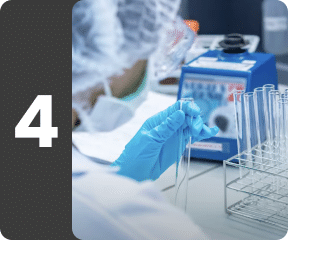
Sample received at lab
Samples are transported securely to our accredited labs with world-class machines for testing by qualified experts.
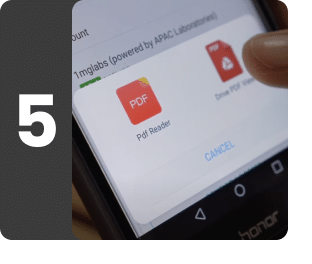
Quick, Doctor-Verified Reports
Get doctor-approved reports via email and WhatsApp, with options for doctor follow-ups and AI insights.

FAQs related to Coagulation Profile (PT/INR & aPTT)

A Coagulation Profile (PT/INR & aPTT) is a set of blood tests, including PT/INR and aPTT. It is a screening test that gives information about the clotting ability of the blood. This test helps the doctor assess the risk of excessive bleeding or clot formation (thrombosis) somewhere in the blood vessels.
A Coagulation Profile (PT/INR & aPTT) usually possesses no risks. However, some people may feel a slight sting when a needle is pricked and experience some bleeding that is normal and usually not bothersome. Some people may rarely experience slight swelling or bruising at the site of the needle prick. Applying ice 3-4 times daily for about a week may help reduce swelling and bruising. If it does not get better, consult your doctor.
You may need a Coagulation Profile (PT/INR & aPTT) if you have signs and symptoms of bleeding disorders, such as unexplained heavy bleeding, abnormal menstrual bleeding in women, easy bruising, excessive bleeding from cuts and wounds, frequent nosebleeds that won’t stop, bleeding gums, and repeated heart attacks or strokes.
Certain inherited conditions such as hemophilia, clotting factor deficiency, vitamin K deficiency, liver diseases, bone marrow disorders, von Willebrand disease, and cancers like leukemia can cause bleeding disorders.
In case of abnormal results of a Coagulation Profile (PT/INR & aPTT), the doctor can advise platelet count test, thrombin time test, fibrinogen testing, coagulation factor tests, lupus anticoagulant testing, and test for von Willebrand factor.
Apply direct pressure on the cut or wound with a clean cloth, tissue, or gauze until the bleeding stops. If blood soaks through, add another fabric or bandage and continue putting pressure on the cut. Seek medical help if the bleeding won’t stop.
References
  1. Condrey JA, Flietstra T, Nestor KM, Schlosser EL, Coleman-McCray JD, Genzer SC, Welch SR, Spengler JR. Prothrombin Time, Activated Partial Thromboplastin Time, and Fibrinogen Reference Intervals for Inbred Strain 13/N Guinea Pigs (Cavia porcellus) and Validation of Low Volume Sample Analysis. Microorganisms. 2020 Jul 27;8(8):1127. [Accessed 21 Sept. 2023]. Available from:
  2. Yuan S, Ferrell C, Chandler WL. Comparing the prothrombin time INR versus the APTT to evaluate the coagulopathy of acute trauma. Thromb Res. 2007;120(1):29-37. [Accessed 21 Sept. 2023]. Available from:
  3. Doherty TM, Kelley A. Bleeding Disorders [Internet]. Treasure Island, Florida: StatPearls Publishing; 2023 Jan. [Accessed 21 Sept. 2023]. Available from:
  4. Barbosa ACN, Montalvão SAL, Barbosa KGN, Colella MP, Annichino-Bizzacchi JM, Ozelo MC, De Paula EV. Prolonged APTT of unknown etiology: A systematic evaluation of causes and laboratory resource use in an outpatient hemostasis academic unit. Res Pract Thromb Haemost. 2019 Sep 8;3(4):749-757. [Accessed 21 Sept. 2023]. Available from:
  5. Kershaw G. Performance of Activated Partial Thromboplastin Time (APTT): Determining Reagent Sensitivity to Factor Deficiencies, Heparin, and Lupus Anticoagulants. Methods Mol Biol. 2017;1646:75-83. [Accessed 21 Sep. 2023]. Available from:
  6. Yang R, Moosavi L. Prothrombin Time [Internet]. Treasure Island, Florida: StatPearls Publishing; Jan. 2023 [Accessed 21 Sept. 2023] Available from:
  7. Prothrombin Time [Internet]. Rochester, NY: University of Rochester Medical Center; [Accessed 21 Sept. 2023] Available from:
  8. Prothrombin Time - an overview [Internet]. ScienceDirect; [Accessed 21 Sept. 2023] Available from:
Recommended for everyone
This package is designed with everyone’s overall health considerations in mind, offering assessments to address a wide range of wellness needs.
Package can be booked by :
Men
Women
Contains 2 tests
PT INR (Prothrombin Time with INR)
Activated Partial Thromboplastin Time
Report delivery
Standard time
15 hrs
For slots after 11 AM, report will be delivered in 15 hours.
Samples required
Blood
Our phlebotomist will draw a blood sample, typically from a vein in your inner elbow.
Preparations
1
A duly filled coagulation requisition form (Annexure - CR/05) is mandatory for sample collection.
2
Overnight fasting is preferred but not mandatory.
3
Kindly provide complete clinical details and medication history or doctor's prescription; this information is important for correlation of your test results.
Why is this test booked?
1
To detect and diagnose bleeding disorders or clotting disorders.
2
In case of excessive unexplained bleeding.
3
In case of easy bruising.
4
Before planning a surgical procedure.
5
In conditions that may affect clotting factors in your blood, such as liver disease, lack of vitamin K, blood transfusion, cancer, and autoimmune disorders.
6
To monitor the efficacy of the treatment with anticoagulant medications, such as warfarin.
Coupon details
Additional 10% off with coupon
CS1MG
copy
Available Offers
Get additional upto 15% off
Get upto 15% off on your lab tests
Maximum discount: ₹1500
1MGNEWG
copy
Upto Rs 650 off on all lab tests
Get Upto Rs 650 off on all lab tests
Maximum discount: ₹650
1MGSUPER
copy
Upto Rs 1500 off on all lab tests
Get Upto Rs 1500 off on all lab tests
Maximum discount: ₹1500
1MGSUPERMAX
copy
Who's behind your sample collection?
About Phlebotomist
Play
Tata 1mg Phlebotomist
icon
MEET YOUR PHLEBO
icon
Certified Professionals
Certified & experienced professionals
Tata 1mg phlebotomists are DMLT / B.Sc MLT certified and have 1+ years of experience
Best collections
Best in-class collections
Tata 1mg phlebotomists are trained for painless, single-prick hygienic sample collection
Expertise
Comprehensive expertise
Other than sample collection, our phlebos are also skilled in first aid, ECG & BP monitoring
frame icon
WHAT OUR CUSTOMERS ARE SAYING
frame icon
Pain free collection
~ Sandugade Subhash Tukaram
double quote icon
Excellent service
~ JITENDER KUMAR
double quote icon
Excellent service
~ Mohsin Shawl
double quote icon
Good skill for sample collection
~ Pawan Kumar Sah
double quote icon
Technician was great..
~ Saurav Choudhury
double quote icon
Very gentle
~ Divya Chawla
double quote icon
Pain free collection
~ Rahul Tatyaba Kadam
double quote icon
Very polite
~ Sadhana Kumari
double quote icon
Very super friendly care
~ Arun M.J
double quote icon
Good communication
~ MURKI ANAND KUMAR 7000148950
double quote icon
Footer