







Blood Group ABO & Rh Factor
Also referred as
ABO grouping
+4
Blood type (A
B
O
and Rh factor)

23,534+ booked recently

For men & women
Earliest reports in

12 hours

Contains

1 test
Test price:
₹129
14% off
Upto 15% extra discount with coupon
Min. order value: ₹5000 | Coupon: 1MGNEWG


More offers available

Know more about this test

The Blood Group ABO & Rh Factor helps determine your blood type (A, B, AB, and O) and Rhesus (Rh) factor (positive or negative). Knowing your blood group is important for safe blood transfusions, organ transplants, and pregnancy care, as it helps ensure compatibility and prevents complications.


Samples required
Blood

Find out
Why is this test booked?

Preparations
No special preparation is required.

Sample Collection
Who will collect your samples?
Conducted by

Tata 1mg Labs


Accredited
labs
Highly skilled
Phlebos
Verified
reports
Who will collect your samples?
Tata 1mg certified phlebotomists
Packages containing Blood Group ABO & Rh Factor

Antenatal Advanced Profile
Contains 48 testsGet reports within 33-48 hrs
₹2029

Antenatal Profile
Contains 46 testsGet reports within 24-36 hrs
₹1330

Pre-Operative Advanced Package
Contains 69 testsGet reports within 18-24 hrs
₹2339
Pre-Operative Basic Package
Contains 49 testsGet reports within 12-24 hrs
₹799

Pre-Marital Health Checkup for Women
Contains 49 testsGet reports within 39-48 hrs
₹2299

Pre-Marital Health Checkup for Men
Contains 48 testsGet reports within 18-24 hrs
₹2299
Test Information is reviewed by: Dr. Hitesh Tiwari, MD Pathology, MBBS and written by Dr. Lipika Khurana, PGDHHM, BDS . The test details are for information purpose only. Consult a doctor before taking any test. Last updated on: 15th Sep 2026
Did you find information useful ?
 YES (21)
 NO (3)
Book a Good Health Gold Package with Smart Report test at home near me
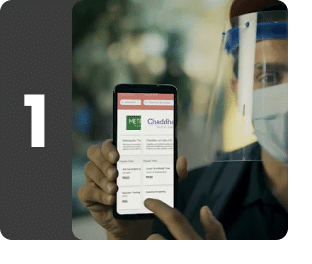
Easy online booking
Search for tests and packages, book your preferred time slot and enter your address for seamless at-home lab tests.
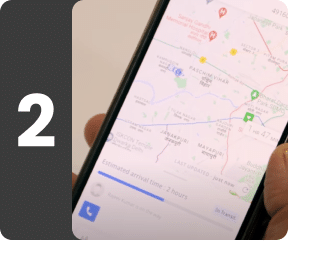
Live tracking of phlebotomist
Track our trained phlebotomist's real time location for seamless sample collection.
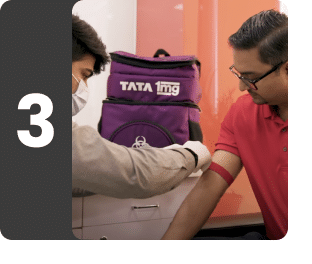
Safe Sample Collection
Our phlebotomists follow strict safety protocols to collect samples safely at home and on time.
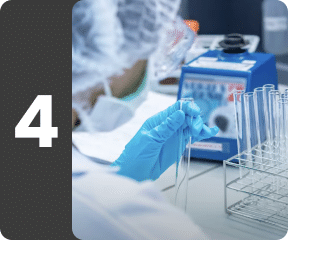
Sample received at lab
Samples are transported securely to our accredited labs with world-class machines for testing by qualified experts.
Quick, Doctor-Verified Reports
Get doctor-approved reports via email and WhatsApp, with options for doctor follow-ups and AI insights.



References
- Li HY, Guo K. Blood Group Testing. Front Med (Lausanne). 2022;9:827619. 11 Feb. 2022 [Accessed 28 Feb. 2023]. Available from:

- Mitra R, Mishra N, Rath GP. Blood groups systems. Indian J Anaesth. 2014;58(5):524-528. [Accessed 28 Feb. 2023]. Available from:
- Blood Groups and Compatibility Testing: Learning Objectives [Internet]. Washington, DC: ASH Foundation; [Accessed 28 Feb. 2023]. Available from:
Contains 1 test
Samples required
Preparations
Why is this test booked?
Coupon details
Available Offers