







AFB Rapid Culture, Urine
Also referred as
AFB Rapid Culture by Bactec MGIT
+2
Urine
Urine Culture for Mycobacterium Tuberculosis Complex and Non-Tuberculosis Bacteria (NTM)

For men & women
Earliest reports in

46 days

Contains

1 test
Test price:
₹1079
Get it at ₹971 with coupon
Apply coupon 1MGNEWG during checkout


More offers available

Know more about this test

The AFB Rapid Culture, Urine test is a specialized pathology test used to detect Mycobacterium tuberculosis (MTB Complex) or non-tuberculous mycobacteria (NTM or MOTT) in urine samples. This test helps detect genitourinary tuberculosis (TB affecting the kidneys and urinary tract) and other mycobacterial infections using advanced liquid culture technology, which enables faster detection of mycobacterial growth, often within 1–3 weeks, compared to 6–8 weeks with conventional culture methods.


Samples required
Urine

Find out
Why is this test booked?

Preparation for this test

Sample Collection
Who will collect your samples?
Conducted by

NABL accredited partner lab


Accredited
labs
Highly skilled
Phlebos
Verified
reports
Who will collect your samples?
Tata 1mg certified phlebotomists
Frequently booked together






Test Information is reviewed by: Dr. Swati Gupta (Anand), MD Lab Medicine, MBBS and written by Dr. Lipika Khurana, PGDHHM, BDS . The test details are for information purpose only. Consult a doctor before taking any test. Last updated on: 16th Oct 2026
Did you find information useful ?
 YES (2)
 NO
NO 
Book a AFB Rapid Culture, Urine test at home near me

Easy online booking
Search for tests and packages, book your preferred time slot and enter your address for seamless at-home lab tests.
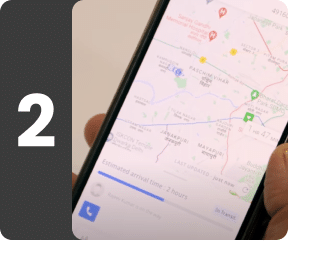
Live tracking of phlebotomist
Track our trained phlebotomist's real time location for seamless sample collection.

Safe Sample Collection
Our phlebotomists follow strict safety protocols to collect samples safely at home and on time.
Sample received at lab
Samples are transported securely to our accredited labs with world-class machines for testing by qualified experts.
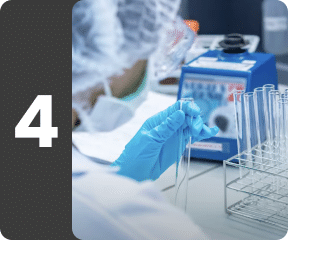
Quick, Doctor-Verified Reports
Get doctor-approved reports via email and WhatsApp, with options for doctor follow-ups and AI insights.



References
- Roddy K, Tobin EH, Leslie SW, et al. Genitourinary Tuberculosis. [Updated 2024 Aug 16]. In: StatPearls [Internet]. Treasure Island (FL): StatPearls Publishing; 2025 Jan-. Available from:

- Yu MC, Chen HY, Wu MH, Huang WL, Kuo YM, Yu FL, Jou R. Evaluation of the rapid MGIT TBc identification test for culture confirmation of Mycobacterium tuberculosis complex strain detection. J Clin Microbiol. 2011 Mar;49(3):802-7. [Accessed 15 Sep. 2025]. Available from:
- Zajaczkowski T. Genitourinary tuberculosis: historical and basic science review: past and present. Cent European J Urol. 2012;65(4):182-7. [Accessed 15 Sep. 2025]. Available from:
- Acid Fast Bacterium [Internet]. ScienceDirect; [Accessed 15 Sep. 2025]. Available from:
- Das P, Ahuja A, Gupta SD. Incidence, etiopathogenesis and pathological aspects of genitourinary tuberculosis in India: A journey revisited. Indian J Urol. 2008 Jul;24(3):356-61.
- Website citation shows: Tobin EH, Tristram D. Tuberculosis. [Updated 2024 Aug 11]. In: StatPearls [Internet]. Treasure Island (FL): StatPearls Publishing; 2024 Jan-. Available from:
- Tuberculosis [Internet]. WHO; 14 Mar. 2025 [Accessed 15 Sep. 2025]. Available from:
- About Tuberculosis [Internet]. CDC; 17 Jan. 2025 [Accessed 15 Sep. 2025]. Available from:
Contains 1 test
Samples required
Preparations
Why is this test booked?
Coupon details
Available Offers