







Tacalsis Ointment
Tacalcitol (NA)
 Genuine
Authenticity Assured
 Prescription
required
Tacalsis Ointment is a topical medication used in the treatment of psoriasis. It works by lowering the rate at which skin cells grow. This reduces the red, scaly patches on the skin.
Written By Dr. Sakshi Jain, MS, BDS,
Reviewed By Dr. Sachin Gupta, MD Pharmacology, MBBS,
Last updated on 14 Sep 2026 | 01:03 AM (IST)
Written By Dr. Sakshi Jain, MS, BDS,
Reviewed By Dr. Sachin Gupta, MD Pharmacology, MBBS,
Last updated on 14 Sep 2026 | 01:03 AM (IST)
Save more with additional offers

Get upto Rs.150 Cashback on minimum transaction of Rs.599/- with Mobikwik UPI (@ikwik).
Get upto Rs.150 Cashback on minimum transaction of Rs.599/- with Mobikwik UPI (@ikwik).


Get up to ₹75 cashback on a minimum order value (MOV) of ₹499 and above, valid once per customer.
Get up to ₹75 cashback on a minimum order value (MOV) of ₹499 and above, valid once per customer.
Get up to ₹75 cashback on a minimum order value (MOV) of ₹499 and above, valid once per customer.
Get up to ₹75 cashback on a minimum order value (MOV) of ₹499 and above, valid once per customer.
Get upto Rs.150 Cashback on minimum transaction of Rs.599/- with Mobikwik UPI (@ikwik).
Get upto Rs.150 Cashback on minimum transaction of Rs.599/- with Mobikwik UPI (@ikwik).
Get up to ₹75 cashback on a minimum order value (MOV) of ₹499 and above, valid once per customer.
Get up to ₹75 cashback on a minimum order value (MOV) of ₹499 and above, valid once per customer.
Get up to ₹75 cashback on a minimum order value (MOV) of ₹499 and above, valid once per customer.
Get up to ₹75 cashback on a minimum order value (MOV) of ₹499 and above, valid once per customer.

Assured cashback up to ₹300*. T&C Apply*
Assured cashback up to ₹300*. T&C Apply*
General Information

The content is shown in English




Safety advice

Alcohol
No interaction found/established

Pregnancy
CONSULT YOUR DOCTOR
Tacalsis Ointment is not recommended during pregnancy as there is positive evidence of fetal risk based on animal studies. However, it may still be prescribed by a doctor in situations where the benefits outweigh the risks.

Breast feeding
CONSULT YOUR DOCTOR
Information regarding the use of Tacalsis Ointment during breastfeeding is not available. Please consult your doctor.

Driving
No interaction found/established

Kidney
No interaction found/established

Liver
No interaction found/established

References

Related products
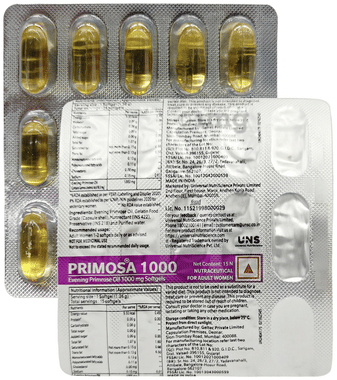
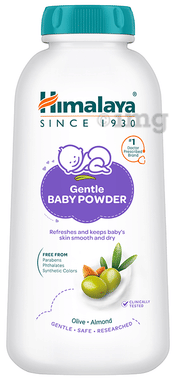
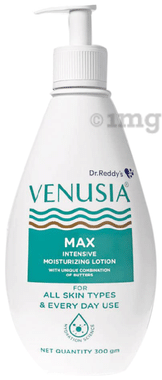
Products related to Tacalsis Ointment


Related ayurvedic ingredients


100% genuine products

Safe & secure payments

No contact delivery

Fully sanitized facilities

Want to know more
We provide you with authentic, trustworthy and relevant information
Have issue with the content
Why we need a prescription?

