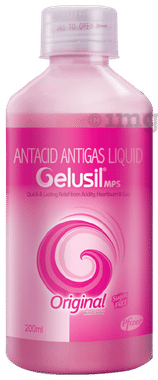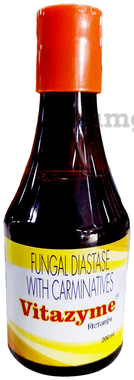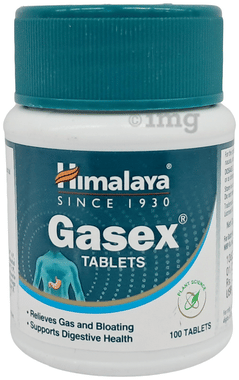


Reusable Pen Injection is used in the treatment of bloating and abdominal pain. It relieves discomfort and pain caused by excessive gas in the stomach and intestines in conditions such as flatulence and post operative gaseous distention.
Reusable Pen Injection prevents the formation and accumulation of gas. It also facilitates the passage of gas and allows patients to excrete a greater volume of gas thereby reduces uncomfortable or painful pressure in the stomach and intestines.
Reusable Pen Injection is given by your doctor or nurse. You should keep taking this medicine for as long as your doctor recommends. If you stop treatment too early your symptoms may come back and your condition may worsen. Let your doctor and doctor know about all other medications you are taking as some may affect, or be affected by this medicine.
Reusable Pen Injection may cause some common side effects like diarrhea and stomach upset. Before taking this medicine, you should let your doctor know if you have kidney problems. Pregnant or breastfeeding women should also consult their doctor before taking this medicine.
Bloating is a condition where the stomach feels swollen, tight, or full, often causing discomfort or a feeling of heaviness. Reusable Pen Injection helps relieve bloating by breaking down gas bubbles in the stomach and intestines, making it easier to pass gas. It brings quick relief and helps restore comfort, making daily activities and meals more pleasant.
In Abdominal pain
Abdominal pain, especially when related to excess gas, can cause cramps, discomfort, or a sense of pressure in the belly. Reusable Pen Injection helps reduce trapped gas, easing the pain and discomfort it causes. It supports better digestion and promotes a feeling of relief, allowing individuals to go about their day without constant abdominal distress.
Side effects of Reusable Pen Injection
Most side effects do not require any medical attention and disappear as your body adjusts to the medicine. Consult your doctor if they persist or if you’re worried about them
Common side effects of Reusable Pen
Upset stomach
Diarrhea
How to use Reusable Pen Injection
Your doctor or nurse will give you this medicine. Kindly do not self administer.
How Reusable Pen Injection works
Reusable Pen Injection is an antifoaming medicine. It disintegrates gas bubbles and allows easy passage of gas.
Safety advice
Alcohol
CAUTION
Alcohol should be used with caution while taking Reusable Pen Injection.
Pregnancy
CONSULT YOUR DOCTOR
The safety of Reusable Pen Injection during pregnancy has not been established. There are no adequate and well-controlled studies in pregnant women, and animal data on reproductive toxicity are insufficient. Your doctor will weigh the benefits and any potential risks before prescribing.
Breast feeding
SAFE IF PRESCRIBED
Available human data suggest that the drug does not pass into breast milk in clinically significant amounts and is unlikely to harm the infant.
Driving
NOT RELEVANT
Not relevant, as Reusable Pen Injection is intended for use in hospitalized patients.
Kidney
SAFE IF PRESCRIBED
Reusable Pen Injection is safe to use in patients with kidney disease. No dose adjustment is recommended.
Liver
SAFE IF PRESCRIBED
Reusable Pen Injection is safe to use in patients with liver disease. No dose adjustment is recommended.
What if you forget to take Reusable Pen Injection?
Your doctor or nurse will give you this medicine. Kindly do not self administer.
All substitutes
For informational purposes only. Consult a doctor before taking any medicines.
No substitutes found for this medicine
Quick tips
Reusable Pen Injection is usually used for a brief period. Check with your doctor about when they expect to stop it, especially if you’re still uncomfortable after a few days.
When allowed by your doctor, slow eating, thorough chewing, avoiding fizzy drinks, and gentle movement or walking can reduce new gas formation and make Reusable Pen Injection work better.
Before receiving Reusable Pen Injection, tell your doctor about any past medicine allergies and all medicines or supplements you are using.
Drink plenty of water and stay hydrated to aid in digestion and prevent gas buildup in the stomach.
If you still have severe belly pain, hard or swollen abdomen, vomiting, blood in stool, or fever even after Reusable Pen Injection, inform the doctor immediately.
Treat Reusable Pen Injection as short‑term relief for gas and bloating. Ddo not rely on repeated doses to mask ongoing abdominal pain without proper medical evaluation.
Fact Box
Chemical Class
Silicone polymers
Habit Forming
No
Therapeutic Class
GASTRO INTESTINAL
Action Class
Anti-Foaming Agents
Patient concerns
What is side effect of primolut n
Dr. Megha Tuli
Obstetrics and Gynaecology
Bloating, pain abdomen, nausea, vomiting etc are common side of Primolut.
How to get rid of abdominal bloating and belly fat
Dr. Aanchal Maheshwari
Ayurveda
avoid drinking water at least 30- 45 min before and after food. take triphala 1 spoon at night. do kapalbhatti pranayam daily for 10/min. hingwashtak churna half spoon before meal.
Hi i am taking duphaston tablet. I am feeling weight in breast and stomach. What it means? Am in 25th day
Dr. Megha Tuli
Obstetrics and Gynaecology
Hi Priyanka. Duphaston is a progesterone containing medicine. The heaviness in breasts, abdominal discomfort, slight nausea, bloating etc are all expected side effect of taking the medicine.
Reusable Pen Injection is used in hospitals to reduce excess gas and air bubbles in the stomach and intestines when a patient cannot take medicines by mouth, for example around surgery or certain procedures. It helps relieve uncomfortable pressure, bloating, and abdominal distension caused by trapped gas in the digestive tract.
In what situations might a doctor choose Reusable Pen Injection instead of oral form?
A doctor may use Reusable Pen Injection if you are fasting for surgery, are under anesthesia, on a ventilator, or unable to swallow safely. It can also be used before or during certain imaging or endoscopic procedures on the abdomen where reducing gas bubbles improves the quality of the pictures the team needs.
Why might Reusable Pen Injection be used before imaging or endoscopy of the abdomen?
Gas bubbles in the stomach and intestines can interfere with ultrasound, endoscopy, or other imaging by blocking the view. Reusable Pen Injection helps coalesce small bubbles into larger ones that are more easily moved along, giving the radiologist or endoscopist a clearer view of the organs and any problems that might be present.
Can Reusable Pen Injection be used in children or newborns with severe gas?
In some hospital settings, Reusable Pen Injection may be used under specialist supervision for infants or children who have troublesome gas and cannot reliably take medication by mouth. The decision, dose, and route are always tailored by a pediatric specialist based on the child’s age, weight, and overall medical condition.
What should I tell my doctor before receiving Reusable Pen Injection?
Before receiving Reusable Pen Injection, tell your doctor about any past allergy or unusual reaction to Simethicone products, silicone-based medicines, or any additives in the medicine. Also mention any recent abdominal surgery, bowel obstruction, severe constipation, or unexplained severe abdominal pain, so they can be sure trapped gas is the right problem to target.
Want to share the information?
Disclaimer:
Tata 1mg's sole intention is to ensure that its consumers get information that is expert-reviewed, accurate and trustworthy. However, the information contained herein should NOT be used as a substitute for the advice of a qualified physician. The information provided here is for informational purposes only. This may not cover everything about particular health conditions, lab tests, medicines, all possible side effects, drug interactions, warnings, alerts, etc. Please consult your doctor and discuss all your queries related to any disease or medicine. We intend to support, not replace, the doctor-patient relationship.
References
Drugs and Lactation Database (LactMed) [Internet]. Bethesda (MD): National Library of Medicine (US); 2006. Simethicone. [Updated 2018 Oct 31]. [Accessed 20 Feb. 2020] (online) Available from: