







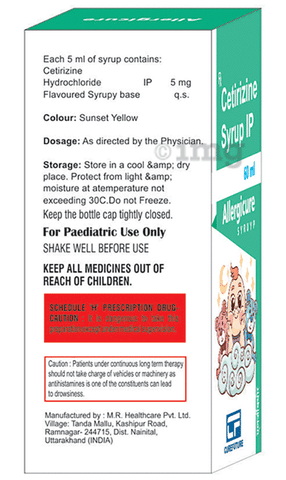
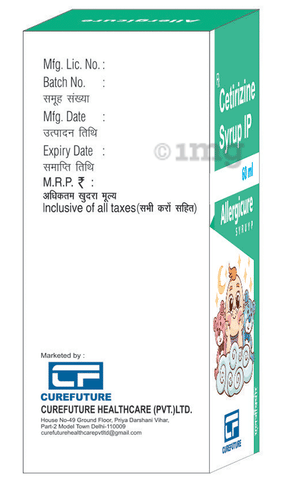

Allergicure Syrup
Cetirizine (5mg/5ml)


Allergicure Syrup is given to children to treat various symptoms such as watery eyes, runny nose, sneezing, and itching associated with allergic conditions like hay fever, urticaria (hives), conjunctivitis (red, itchy eye), and common cold.
Written By Dr. Swati Mishra, BDS,
Reviewed By Dr. Rajeev Sharma, MBA, MBBS,
Last updated on 29 Apr 2026 | 01:01 PM (IST)
Written By Dr. Swati Mishra, BDS,
Reviewed By Dr. Rajeev Sharma, MBA, MBBS,
Last updated on 29 Apr 2026 | 01:01 PM (IST)
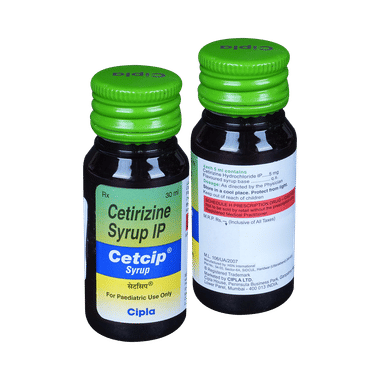
18% cheaper alternative available from Cipla
Sold out
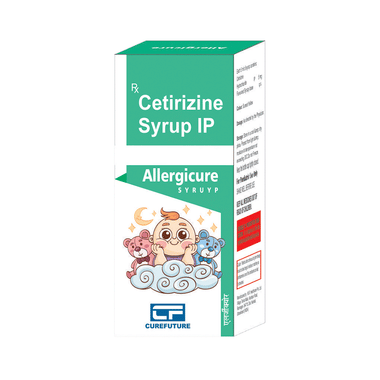
Allergicure Syrup
bottle of 60 ml Syrup
₹32

Same composition
CETcip Syrup
bottle of 30 ml Syrup
by Cipla Ltd
Get in 60 mins

₹13.1
₹0.37 per ml
₹11.1
order for
₹1200
Save more with additional offers

10% cashback up to 200 on Min Transaction of Rs.1000, for first time users of Airtel Payments Bank.
10% cashback up to 200 on Min Transaction of Rs.1000, for first time users of Airtel Payments Bank.


Get up to ₹75 cashback on a minimum order value (MOV) of ₹499 and above, valid once per customer.
Get up to ₹75 cashback on a minimum order value (MOV) of ₹499 and above, valid once per customer.
Get up to ₹75 cashback on a minimum order value (MOV) of ₹499 and above, valid once per customer.
Get up to ₹75 cashback on a minimum order value (MOV) of ₹499 and above, valid once per customer.
10% cashback up to 200 on Min Transaction of Rs.1000, for first time users of Airtel Payments Bank.
10% cashback up to 200 on Min Transaction of Rs.1000, for first time users of Airtel Payments Bank.
Get up to ₹75 cashback on a minimum order value (MOV) of ₹499 and above, valid once per customer.
Get up to ₹75 cashback on a minimum order value (MOV) of ₹499 and above, valid once per customer.
Get up to ₹75 cashback on a minimum order value (MOV) of ₹499 and above, valid once per customer.
Get up to ₹75 cashback on a minimum order value (MOV) of ₹499 and above, valid once per customer.

Assured cashback up to ₹300*. T&C Apply*
Assured cashback up to ₹300*. T&C Apply*
General Information

The content is shown in English




All substitutes for Allergicure Syrup
For information purposes only. Consult a doctor before taking any medicine.
Leecet Syrup
by Leeford Healthcare Ltd
₹41/syrup
10% costlier
CETcip Syrup
by Cipla Ltd
₹20.78/syrup
44% cheaper
Cetzine Syrup
by Dr Reddy's Laboratories Ltd
₹42.21/syrup
14% costlier
Cetiriz 5mg/5ml Syrup
by Alkem Laboratories Ltd
₹41.58/syrup
12% costlier
Alerid Syrup
by Cipla Ltd
₹42.21/syrup
14% costlier
Safety advice

Alcohol
UNSAFE
Do not drink alcohol while you are taking this medicine. Allergicure Syrup may cause excessive drowsiness when taken with alcohol.

Pregnancy
CONSULT YOUR DOCTOR
The safety of Allergicure Syrup during pregnancy has not been established. There are no adequate and well-controlled studies in pregnant women, and animal data on reproductive toxicity are insufficient. Your doctor will weigh the benefits and any potential risks before prescribing.

Breast feeding
SAFE IF PRESCRIBED
Allergicure Syrup may be safe to use during breastfeeding. Animal studies have shown low or no adverse effects to the developing baby; however, there are limited human studies.
Larger doses or prolonged use of Allergicure Syrup may cause sleepiness and other effects in the baby
Larger doses or prolonged use of Allergicure Syrup may cause sleepiness and other effects in the baby

Driving
CONSULT YOUR DOCTOR
It is not known whether Allergicure Syrup alters the ability to drive. Do not drive if you experience any symptoms that affect your ability to concentrate and react. Please consult your doctor.

Kidney
UNSAFE
Allergicure Syrup is unsafe to use in patients with kidney disease and should be avoided.

Liver
SAFE IF PRESCRIBED
Allergicure Syrup is safe to use in patients with liver disease. No dose adjustment is recommended.
However, dose adjustments are required in severe liver disease. Consult your doctor before giving Allergicure Syrup to your child in case of severe liver disease.
However, dose adjustments are required in severe liver disease. Consult your doctor before giving Allergicure Syrup to your child in case of severe liver disease.

Related lab tests
References
- Cetirizine hydrochloride [FDA Label]. Smyrna: UCB Pharma, Inc.; 2002. [Accessed 22 Jan. 2021] (online) Available from:

- Parisi GF, Leonardi S, Ciprandi G, et al. Cetirizine use in childhood: an update of a friendly 30-year drug. Clin Mol Allergy. 2020;18:2. [Accessed 22 Jan. 2021] (online) Available from:
- Cetirizine hydrochloride [Drug Label]. Smyrna, GA: UCB Pharma, Inc.; 2022. [Accessed 25 Jul. 2024] (online) Available from:
Related products
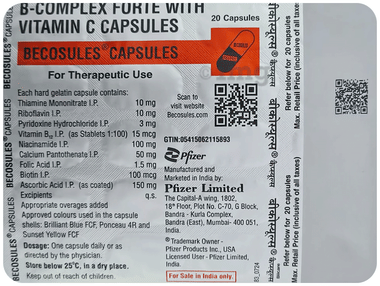
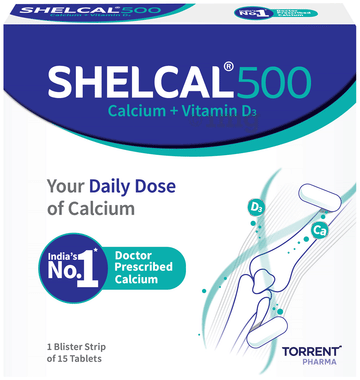
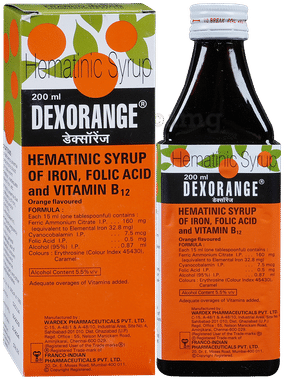
Products related to Allergicure Syrup



100% genuine products

Safe & secure payments

No contact delivery

Fully sanitized facilities

Want to know more
We provide you with authentic, trustworthy and relevant information
Have issue with the content
Why we need a prescription?

