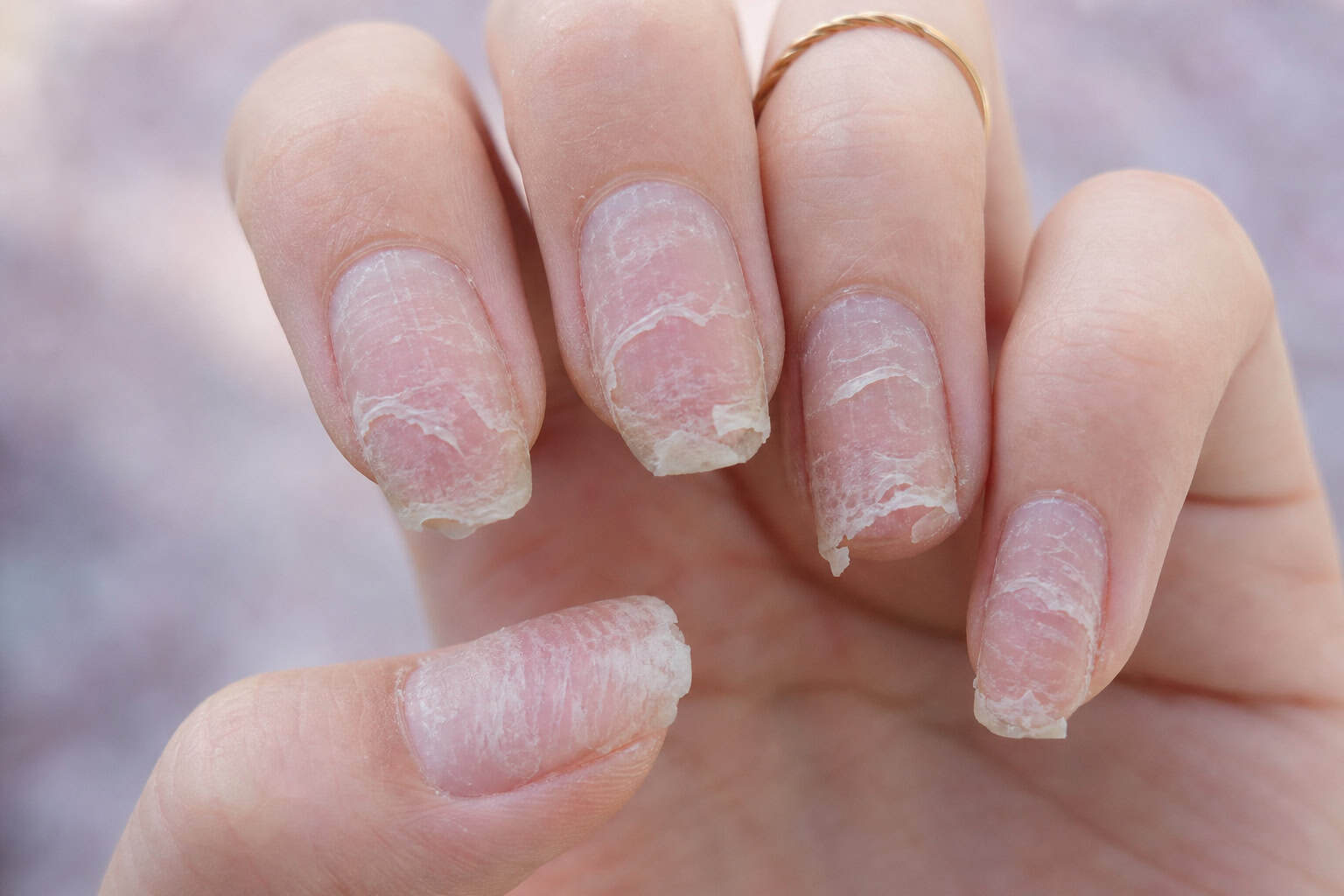
Your nails keep snapping, peeling, or chipping no matter how careful you are. So, is it something you’re eating, something going on inside your body, or just too many dish-washing sessions without gloves? Here are the 7 most common reasons for brittle nails, along with simple ways to fix each one.
What Do Brittle Nails Actually Look Like?
Brittle nails aren’t just “weak”. They usually split into layers at the tip, crack down the middle, crumble at the edges, or feel soft and bendy instead of firm.
This is a surprisingly common complaint. Brittle nails affect around 1 in 5 people, and women are affected roughly twice as often as men [2]. So, if you’re dealing with brittle nails, you are not alone.
A Quick Look at What Your Nails Are Made Of
Additionally, it helps to know what you’re actually dealing with. Your nail is mostly made of keratin, the same tough protein found in your hair and skin. This keratin forms in the nail matrix, tucked just under your cuticle, and slowly pushes forward to become the hard nail plate you see and trim [5].
When everything’s working well, natural oils and moisture hold these keratin layers tightly together, which is what gives a healthy nail its slight flexibility. However, once that moisture or oil balance gets disrupted, whether from harsh products or a nutrient shortfall, the layers can start to separate, leading to the splitting and peeling you’re trying to fix.
7 Reasons Your Nails Are Brittle (And How to Fix Each One)
1. Too Much Wetting and Drying

However, this is the single biggest cause for most people. Washing dishes, cleaning, or swimming again and again makes your nails swell up and shrink back over and over, which slowly weakens them [1].
How to fix it: Wear gloves for dishwashing and cleaning. Try to dry your hands fully after every wash instead of letting them air dry.
2. Harsh Chemicals

Additionally, nail polish remover, especially the acetone kind, along with strong soaps and cleaning products, strips away the natural oils that keep your nails flexible.
How to fix it: Choose an acetone-free nail polish remover and apply a moisturizer or cuticle oil right after using any strong chemicals.
3. Gel and Acrylic Manicures

Meanwhile, it’s not the polish itself but the process around it. The buffing, filing, and removal steps involved in gel and acrylic manicures can thin out your natural nail underneath.
How to fix it: Give your nails a break of a few weeks between manicures, and always get gel polish removed properly instead of picking it off yourself. It also helps to switch to a glass or crystal nail file instead of a rough emery board and to file gently in one direction rather than back and forth, which can fray the layers underneath.
4. Low Biotin (Vitamin B7)
That said, biotin deficiency is one of the most well-studied and fixable causes of brittle nails, and it is often behind cases where nails just won’t seem to strengthen, no matter what you try [1]. Additionally, zinc plays a role too — this mineral is essential for how your body builds new tissue, and low zinc levels have been linked to nail dystrophy and brittleness [7].
How to fix it: Add more eggs, nuts, and whole grains to your diet for biotin, and include zinc-rich foods like legumes, seeds, and lean meat. If diet alone isn’t enough, talk to a doctor about supplements.
5. Iron Deficiency
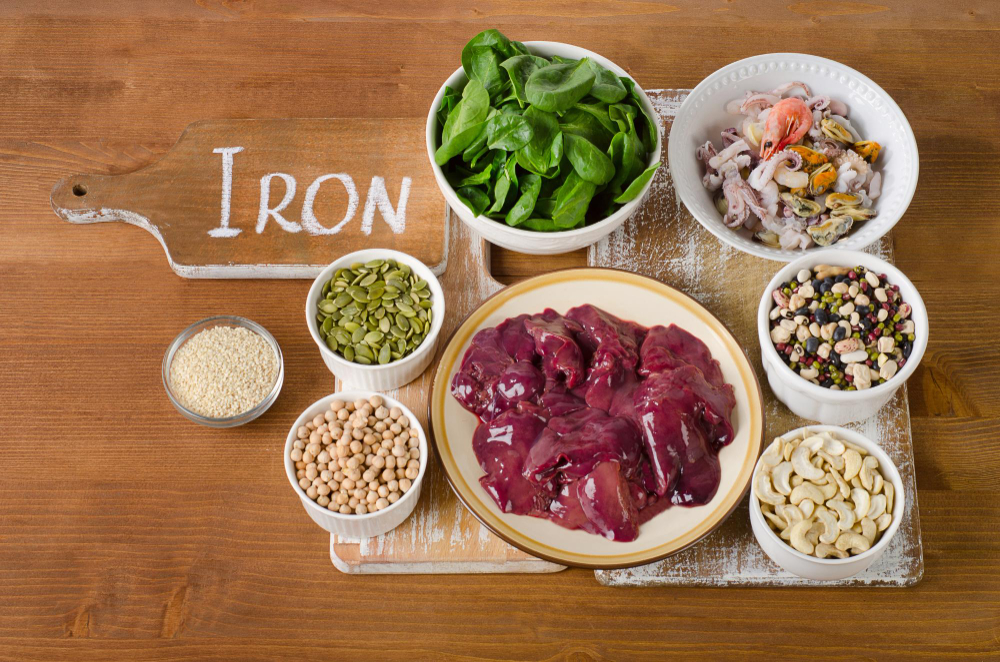
For example, long-term low iron can cause a specific nail change called koilonychia, where nails turn thin, brittle, and spoon-shaped, curving upward instead of lying flat [3].
How to fix it: If your nails look spoon-shaped or you’re also feeling unusually tired, get your iron levels checked with a simple blood test.
6. Hormonal Changes (Thyroid, Pregnancy or Menopause)
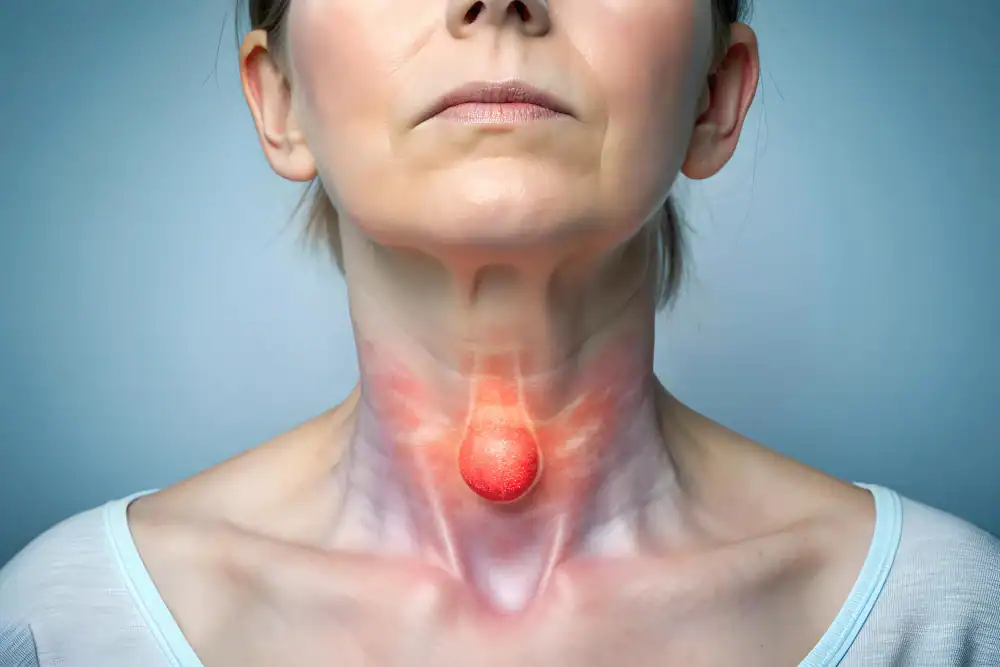
In contrast to diet-related causes, shifting hormones can also change how your nails grow. An underactive thyroid often makes nails dry, brittle, and slow-growing, while an overactive thyroid can make them soft and cause them to lift away from the nail bed [4]. Meanwhile, major hormonal shifts like pregnancy and menopause are also known to affect nail growth and quality for some people.
How to fix it: If brittle nails come along with fatigue, weight changes, or hair thinning, ask your doctor about a thyroid check. If it started during pregnancy or menopause, mention it at your next check-up so your doctor can see if it’s linked to your hormone levels.
7. Dry Weather and Aging

Even so, sometimes it’s simply your environment or your age. Low humidity dries out the nail plate itself, since nails naturally hold some water and become brittle when they lose it. Nails also tend to get more brittle as you get older, especially in women past 50 [1].
How to fix it: Use a good hand and nail moisturizer daily, especially in winter or dry weather, and be a little more patient with nail care as you age.
When to See a Doctor
That said, if brittle nails stick around for months despite gentle care, or come with pain, discoloration, or the nail lifting away from the skin, it’s worth getting it checked rather than guessing.
The Bottom Line: What Your Nails Are Telling You
Generally speaking, dermatologists often describe brittle nails as falling into two simple types: dry and brittle, from too little moisture, or soft and brittle, from too much moisture.
If your nails don’t get stronger with basic home care, like wearing gloves for household chores and moisturizing your hands and nails after washing, it’s a good sign to talk to your doctor rather than keep experimenting on your own.
Additionally, don’t ignore brittle nails that come with other changes. They can sometimes point to something more than just dryness, such as an iron deficiency or an underactive thyroid, both of which are easy to check for with a simple blood test.
FAQs
Q1: What vitamin deficiency causes brittle nails?
Biotin (Vitamin B7) deficiency is the most commonly linked vitamin issue, though iron deficiency is also a well-known cause, especially when nails become spoon-shaped.
Q2: Can brittle nails be a sign of a serious health problem?
Sometimes, yes. Thyroid disorders, anemia, and certain skin conditions can all show up as brittle nails, though in most people it’s simply due to everyday wear and dryness.
Q3: Does gel polish actually ruin your nails?
Repeated gel or acrylic use, especially the removal process, can weaken and thin the natural nail plate over time. Taking breaks between applications helps your nails recover.
Q4: How long does it take for brittle nails to get better?
Nails grow slowly, so it typically takes a few months of consistent care to see real improvement, since the damaged nail has to grow out completely.
Q5: Should I take biotin supplements for brittle nails?
Biotin has shown benefits for some people with brittle nails, but it’s worth checking with a doctor first, especially since high-dose biotin can interfere with certain lab test results.
Q6: Why are my nails suddenly peeling in layers?
This layered splitting is often linked to too much wetting and drying or chemical exposure, though it can occasionally point to an underlying condition if it’s persistent.
Q7: Are brittle nails more common as you get older?
Yes, nail brittleness tends to become more common with age, particularly in women over 50, likely due to nails naturally losing moisture and elasticity over time [1].
Q8: Can dehydration cause brittle nails?
The nail plate itself needs a certain amount of moisture to stay flexible, so frequent water exposure followed by drying out can genuinely weaken nails over time.
Disclaimer: This article is for general informational purposes only and isn’t a substitute for professional medical advice, diagnosis, or treatment. If your brittle nails are persistent, painful, or come with other symptoms, please consult a doctor or dermatologist.
References:
1. Pathogenesis, Clinical Signs and Treatment Recommendations in Brittle Nails: A Review. PMC. Available from: https://pmc.ncbi.nlm.nih.gov/articles/PMC6994568/
2. van de Kerkhof PCM, Pasch MC, Scher RK, et al. Brittle nail syndrome: a pathogenesis-based approach with a proposed grading system. J Am Acad Dermatol. 2005;53(4):644-51. Available from: https://pubmed.ncbi.nlm.nih.gov/16198786/
3. Spoon Nails (Koilonychia). StatPearls [Internet]. Available from: https://www.ncbi.nlm.nih.gov/books/NBK559311/
4. Thyroid Hormone Action on Skin. PMC. Available from: https://pmc.ncbi.nlm.nih.gov/articles/PMC3219173/
5. In brief: Structure of the nails. InformedHealth.org [Internet]. NCBI Bookshelf. Available from: https://www.ncbi.nlm.nih.gov/books/NBK513133/
6. Zinc Deficiency. StatPearls [Internet]. Available from: https://www.ncbi.nlm.nih.gov/books/NBK493231/
(The article is written by Nancy Dixit, Associate Manager, Clinical Health & Content, Medical Affairs, and reviewed by Monalisa Deka, Deputy Manager, Clinical Health & Content, Medical Affairs.)
Recommended Reads:
4 Effective Home Remedies To Brighten Dull And Discoloured Nails